Articolo: Ceramic Espresso Cup Comparison: 170, 200, or 250 ml?

Ceramic Espresso Cup Comparison: 170, 200, or 250 ml?
Reading time: about 9 minutes
A short espresso can look almost lost in a larger cup, while a cup that feels right for a quick morning pour can feel restrictive once you add milk or reach for tea later in the day. That is the practical tension behind this ceramic espresso cup comparison. In our store, shoppers often start by asking for a coffee cup for espresso, then realize their decision is really about how much open space they want around the drink and how the cup will look and feel in their everyday setting.
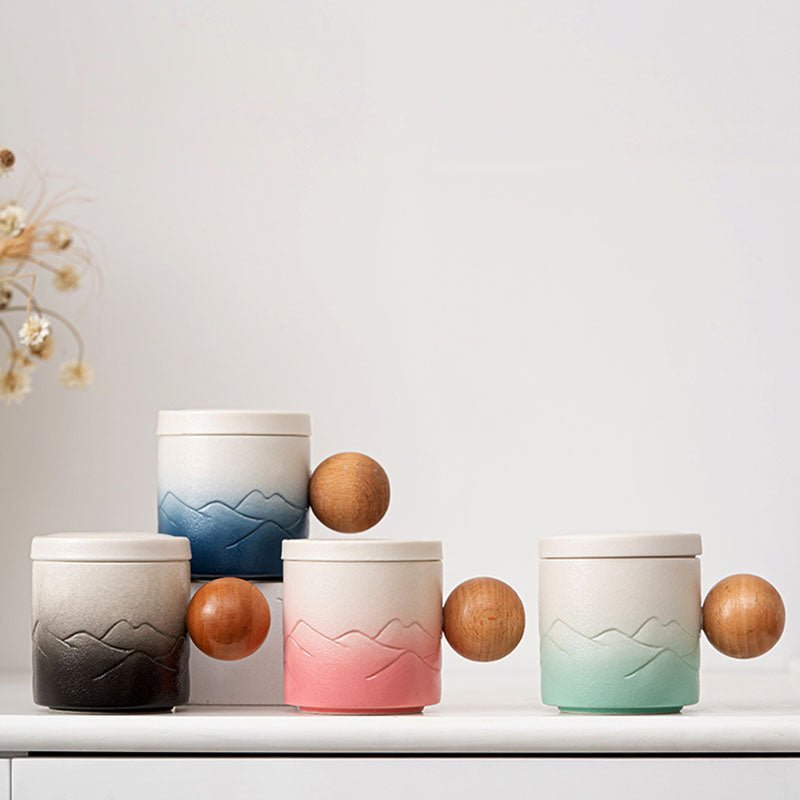
CoffeifyMug's current compact espresso-style options are the 170 ml Retro, 200 ml Pleated, and 250 ml Ball Handle vessels. All are ceramic, but their listed capacities and visible forms create different trade-offs. None should be treated as a precise machine-fit or drink-performance claim; this comparison stays with what the current catalog confirms: ceramic material, stated capacity, and visible form.
Why do 170, 200, and 250 ml matter for espresso?
The stated capacity is the first useful filter because 170 ml, 200 ml, and 250 ml are meaningfully different volumes in a compact cup. They are also all potentially larger than a traditional single-shot demitasse. A single espresso will leave substantial room in any of these options, so capacity should not be read as a recommended espresso recipe or a fill line.
| Current option | Listed capacity | Visible form | Best starting situation |
|---|---|---|---|
| Retro | 170 ml | Retro-style cup form | You want the most compact listed option |
| Pleated | 200 ml | Pleated cup form | You want a middle capacity with a distinct surface profile |
| Ball Handle | 250 ml | Ball-handled mug form | You expect to use more of the listed volume |
For a small espresso cup, the 170 ml option is the closest of the three to a compact visual proportion, but it is still not automatically a traditional demitasse. The 200 ml and 250 ml options make more sense when the cup will regularly hold a longer coffee, milk added after brewing, or tea. Our ceramic espresso cup capacity guide for 170, 200, and 250 ml goes deeper on choosing volume without assuming that every coffee drink needs the same amount of room.
Ceramic espresso cup comparison: which current form matches your pour?
For the shopper who wants the least extra volume: Retro 170 ml
The Retro coffee and tea cup is the current choice for someone deliberately avoiding the largest vessel in this group. Its listed 170 ml capacity makes it the logical starting point for a short espresso, a small coffee with limited additions, or a compact counter setup where a large mug would feel out of place. The trade-off is straightforward: it is not the option to choose if you routinely want a larger drink in the same cup.
For the shopper who wants a middle ground: Pleated 200 ml
The Pleated coffee and tea cup adds 30 ml over the Retro option and has a visibly pleated form. That modest increase can suit someone who likes room above a short coffee without stepping immediately into the largest current option. It is a sensible gift choice for a recipient whose exact drink routine is unknown, because it sits between the compact 170 ml vessel and the more generous 250 ml mug. The limitation is that a middle capacity is still a compromise: it will not feel as compact as the Retro or as roomy as the Ball Handle.
For the shopper who wants the largest current option: Ball Handle 250 ml
The Ball Handled coffee and tea mug has the highest listed capacity at 250 ml and a visibly ball-handled form. Choose it for an office desk, a slower coffee break, or a household where one cup needs to cover more than a quick espresso. It is not the strongest fit for a buyer trying to recreate the small, concentrated look associated with a traditional single espresso service. More capacity can be useful, but it also means more empty space around a short pour.
To compare these forms alongside other current designs, browse our unique coffee mugs collection. It is the more useful next step for someone choosing by visible style first and capacity second.
What does the extra 80 ml change at a kitchen counter or office desk?
The gap between the smallest and largest current option is 80 ml. On paper that can look minor. In a routine, it changes the role the cup plays.
- 170 ml Retro: Best for the buyer who expects a short coffee to be the main event and does not need the same vessel for a larger drink. It keeps the available capacity relatively restrained within this three-cup comparison.
- 200 ml Pleated: Best for someone splitting the difference between a compact coffee cup and a more flexible tea or coffee vessel. The middle capacity can be easier to live with when one person uses the cup across different parts of the day.
- 250 ml Ball Handle: Best for the buyer who values the most room of the three options. It makes less sense for a routine built exclusively around a small espresso with no additions.
Picture the actual place where the cup will land. A kitchen counter may call for the smallest vessel because the coffee is made and drunk quickly. An office desk can favor the 250 ml option because the drink may sit beside a keyboard during a longer work block. For a gift unboxing, visible form often carries more weight than the final 30 or 50 ml, which is why the Pleated cup can be the more balanced choice for an uncertain recipient.
Capacity alone does not describe every daily preference. For a broader look at shape-led decisions across ceramic mugs, our ceramic mug buyers overview helps place a compact cup choice beside more general everyday mug routines.
What can the listing confirm about ceramic, form, and fit?
There are a few details we can state plainly. These are ceramic vessels. Their listed capacities are 170 ml, 200 ml, and 250 ml. Their distinguishing forms are Retro, Pleated, and Ball Handle. Those are solid comparison points because they are the product facts available in the current catalog.
There are also details a careful shopper should not fill in from a product name or a photograph. A listed capacity does not establish the exact height, rim diameter, weight, or amount of headroom at a preferred drink level. It does not confirm compatibility with a particular espresso machine, cup warmer, saucer, or storage rack. And a coffee or tea label does not certify a drink-specific result.
Our practical rule is simple: choose capacity for the amount you want to hold, then choose form for the look you want to see on your counter or desk. Do not infer unlisted dimensions or performance from either one.
This matters especially for an espresso buyer. A larger ceramic vessel is not inherently better or worse; it is simply a different visual and volume choice. If your only goal is a tight, classic small-cup presentation, none of the listed capacities should be mistaken for a guarantee of traditional demitasse sizing.
How should you approach care and first-use checks?
Ceramic is a practical everyday material, but it still deserves a quick inspection and sensible handling. In our experience selling ceramic drinkware, a careful first look is more useful than assuming every vessel should be treated identically after it arrives.
- Check the rim, exterior, base area, and any handle-to-cup join for a visible chip, crack, or damage before first use.
- Read the care information on the individual product listing and any included product information before putting a cup through dishwasher cycles. This comparison does not treat dishwasher safety as confirmed because that care claim is not part of the verified catalog facts here.
- For cautious everyday care, avoid sudden temperature changes, abrasive cleaning tools, and hard contact with a sink edge or another ceramic vessel. Ceramic can chip or crack when knocked or shocked.
- Do not use a visibly cracked or chipped drinking vessel. Contact the seller about the issue instead of treating cosmetic damage as harmless.
Those steps are intentionally conservative. We would rather be clear about what has not been confirmed than imply special durability, dishwasher performance, or heat behavior that the current product facts do not establish.
Frequently asked questions
Is a 170 ml cup too large for a single espresso?
It can be larger than a traditional single-shot demitasse, depending on the serving style you have in mind. The 170 ml Retro is the smallest listed option in this comparison, but a single espresso will still leave open volume in the cup. Choose it for the most compact current option, not because it guarantees a traditional demitasse proportion.
Which ceramic espresso cup comparison point matters more: capacity or shape?
Capacity should come first if you already know the amount you want your cup to hold. Shape is the next decision because it affects the visible character of the vessel: Retro, Pleated, or Ball Handle. For a gift, visible form may carry more weight; for a personal daily routine, stated capacity is usually the clearer first filter.
Can I assume these ceramic cups are dishwasher safe?
No. Check the specific product listing and any care information supplied with the cup before using a dishwasher. The verified facts for these current options confirm ceramic material, capacity, and visible form, not dishwasher suitability.
Which current cup is the better gift for someone who drinks coffee and tea?
The 200 ml Pleated cup is the middle-capacity choice when you do not know the recipient's exact serving size, while the 250 ml Ball Handle offers the most listed room. The 170 ml Retro is more appropriate for someone known to prefer a compact coffee vessel. Base the choice on their usual drink amount and the form they would enjoy seeing every day.
Use this checkout checklist before choosing a cup
- Choose the Retro 170 ml cup if the priority is the most compact listed capacity and a short-coffee-focused routine.
- Choose the Pleated 200 ml cup if a middle capacity and a visibly pleated form fit the recipient or household best.
- Choose the Ball Handle 250 ml mug if you expect to use the most volume and prefer its visible ball-handled form.
- Confirm current care details on the specific listing before making dishwasher use part of the routine.
Start with the listed capacity you will actually use, then compare the current forms in the CoffeifyMug unique coffee mugs collection before selecting the vessel that belongs on your counter, desk, or gift table.
More from our blog
Read more
Affogato Cup Comparison: 170 ml, 200 ml, or 270 ml?
Compare the current 170 ml Retro, 200 ml Pleated, and 270 ml Emerald options by stated capacity and visible shape. See which compact coffee vessel better matches a small home serve, an office desk,...
Per saperne di più
Commenta
Questo sito è protetto da hCaptcha e applica le Norme sulla privacy e i Termini di servizio di hCaptcha.