
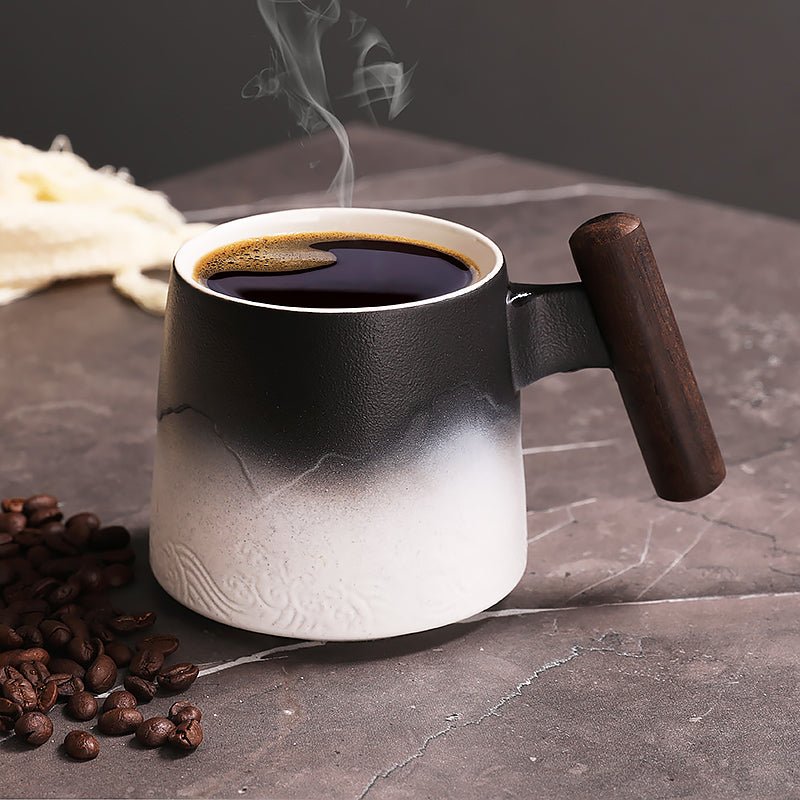
Blue Coffee Mug Buying Guide: Size, Finish, and Best Uses
Reading time: about 8 minutes
A blue coffee mug can look right on a shelf and still disappoint at the table if the handle pinches, the glaze feels rough, or the cup is the wrong size for how you actually drink coffee. In our store, the mugs that get the fewest complaints are the ones that feel steady in the hand, rinse clean without effort, and do not wobble on a countertop.
We handle a lot of mug decisions that start with color and end with practicality. Blue is an easy color to like, but the real buying decision is about capacity, material, finish, and care. If you want to compare current options quickly, start with our products page and then use the full collection to narrow by style.
What should you check first on a blue coffee mug?
The first pass should be simple: does the mug fit the drink, the hand, and the routine you already have? A blue coffee mug that works well on a kitchen counter should also work on an office desk, in a dishwasher, and in a cabinet without fighting for space.
- Capacity: Decide whether you usually drink a smaller pour, a standard drip coffee, or a larger mug you sip for an hour.
- Handle comfort: Make sure the handle has enough room for your fingers, especially if you like coffee served hot.
- Base stability: A flat, even foot ring matters more than people expect. It keeps the mug from rocking on stone, tile, or wood.
- Care instructions: Dishwasher-safe and microwave-safe are useful, but only if the listing says so. Printed or metallic accents often need more caution.
If you are still deciding whether blue is the right direction, our Blue Mug Coffee: What to Check Before You Buy and Blue Bottle Coffee Mug: What to Check Before You Buy posts are useful companions. They focus on the kind of finish and shape questions that matter once the color has already caught your eye.
Which size feels right for daily coffee?
Size is where a lot of shoppers make the wrong call. A mug that looks perfect in a photo can feel cramped with milk or too bulky for a quick morning pour. We usually tell customers to think about the drink they make most often, not the drink they wish they made.
| Size | Best for | Trade-off |
|---|---|---|
| 10 oz | Smaller drip coffee, espresso-based drinks, compact desk use | Less room for milk, foam, or a larger pour |
| 11 oz | Balanced everyday coffee for most buyers | Still a little tight if you like a very full mug |
| 12 oz | Standard coffee and tea, gifting, flexible everyday use | Can feel slightly larger in smaller hands |
| 14 to 16 oz | Long desk sessions, milk-heavy drinks, people who refill slowly | Heavier when full and takes more cabinet space |
If you want a more exact fit, our size guides are worth reading before you buy. Start with 10 oz Coffee Mug: Size, Fit, and What to Check Before You Buy, then compare it with 11 oz Coffee Mug: Size, Fit, and What to Check Before You Buy and 12 Ounce Coffee Mug Buying Guide: Size, Fit, and Best Uses. If your usual pour lives around that 12 oz range, the separate 12 oz Coffee Mug: Size, Fit, and What to Check Before Buying guide is also useful.
Which material and finish hold up best?
Most blue coffee mug shoppers end up choosing between ceramic, stoneware, and porcelain. Each has a different feel in the hand, and the finish changes how the mug behaves after weeks of use.
- Ceramic: A straightforward everyday option. It usually gives a good balance of weight, price, and ease of cleaning.
- Stoneware: Heavier and often more substantial. It feels sturdy, but if it bangs against a sink or another mug, chips can happen.
- Porcelain: Cleaner and lighter in the hand. It can feel more refined, but thin walls are not for everyone.
- Glossy glaze: Easy to wipe and usually less likely to show fingerprints. It can reveal tiny pinholes or uneven spots more easily under bright light.
- Matte glaze: Soft-looking and modern. It may show metal marks from flatware and sometimes needs a little more care to keep looking clean.
We also pay attention to the foot ring, the rim, and the inside surface. A smooth rim matters for comfort. A flat foot ring matters for stability. And a glazed interior that feels even is easier to maintain after repeated dishwasher cycles. If you are comparing finish styles, the notes in our Blue Mug Coffee and Tea: What to Check Before You Buy article are helpful, especially if you want one mug that works for both coffee and tea.
A mug that looks great on a shelf but feels awkward when full usually gets left behind in the cabinet.
That is why the finish should never be the only decision point. A deep cobalt color can be beautiful, but if the glaze is uneven, the handle is too narrow, or the cup rocks on the table, the mug will not earn daily use.
Is a blue coffee mug good for gifts, office desks, or everyday use?
A blue coffee mug is versatile, but it is not the right answer for every buyer. We see it work best in three settings: gifts, desks, and home kitchens. It is less convincing if someone needs a travel cup, an insulated vessel, or a mug that keeps coffee hot for hours without a sleeve.
- For gifts: Blue feels easy to give because it is not overly personal, and it pairs well with most kitchen styles. A simple shape usually wins over a busy pattern.
- For office desks: A darker blue often hides minor stains better than a bright white mug. Choose a stable base if the mug will sit near a keyboard, notebook, or laptop.
- For everyday home use: Blue works well with both modern and traditional kitchens. It also pairs nicely with plain brewers, pour-over setups, and basic drip machines.
The trade-offs are real. A large blue coffee mug can feel heavy if you walk it from sink to desk with one hand. A matte finish may look better in photos but need a little more attention around cutlery marks. And if the mug is meant for matching a bright kitchen theme, not every blue shade will fit. If you want more color-and-shape comparisons, our Blue Mug Coffee & Tea: What to Check Before You Buy article helps with that decision.
How do you spot quality before you buy?
The fastest way to judge a blue coffee mug is to check the parts people usually skip in photos. We look at the rim, the inside glaze, the handle, and the base. Those four details tell you more than the mood of the color swatch.
- Check the rim: It should feel smooth all the way around, with no sharp edge or rough spot where the glaze stops.
- Inspect the handle: There should be enough space for your fingers without squeezing. A comfortable handle matters more once the mug is full and hot.
- Look at the foot ring: A clean, level base helps the mug sit flat and reduces wobble on stone, tile, and wood.
- Review care notes: If you want easy cleanup, choose dishwasher-safe. If you microwave your coffee, make sure there are no metallic details.
- Watch for glaze defects: Tiny pinholes, rough seams, uneven color, or hairline cracks are the kinds of issues that can become annoying later.
- Think about storage: If your cabinet shelves are tight, measure the mug height before you buy. Tall mugs can be awkward in crowded stacks.
We handle mugs for real kitchen use, not just for display. That means we care about how they behave after the first unboxing, after a week of dishwasher cycles, and after they have lived next to a kettle or brewer for months. If you want to compare what we have on hand right now, the products page is the most direct place to start.
Frequently asked questions
What size blue coffee mug is best for daily use?
For most people, 11 oz or 12 oz is the safest daily choice. Those sizes handle a standard coffee pour without feeling oversized, and they still leave enough room for milk or cream. If you usually drink a smaller serving or want a lighter mug, 10 oz can be a better fit.
Is a blue coffee mug safe in the dishwasher and microwave?
Only if the product listing says so. Many plain ceramic and stoneware mugs are fine in both, but printed decoration, metallic trim, or specialty finishes can change that. If you want a mug that stays easy to live with, check the care notes before you buy.
Should I choose a matte or glossy blue coffee mug?
Glossy is easier to wipe down and usually shows less wear from daily cleaning. Matte can look more muted and modern, but it may show metal marks or need a little extra care. If you want the lowest-maintenance option, glossy is usually the simpler choice.
What material feels the most sturdy for a blue coffee mug?
Stoneware usually feels the most substantial in the hand because it has more weight and thickness. Ceramic is a good middle ground if you want everyday practicality without too much bulk. Porcelain feels refined, but not every buyer wants that lighter, more delicate feel.
Is a blue coffee mug a good gift?
Yes, if you choose a simple shape and a size most people can use easily. Blue is a safe color for gifting because it works in many kitchens and offices. If the recipient drinks oversized pours or prefers travel gear, a mug may not be the best match.
If you are still deciding, use a short checklist: pick the size first, confirm the care instructions, and choose the finish that fits the way the mug will actually be used. Then compare current options on our products page or browse the full collection to narrow down the blue coffee mug that fits your counter, cabinet, and daily routine.
Read more
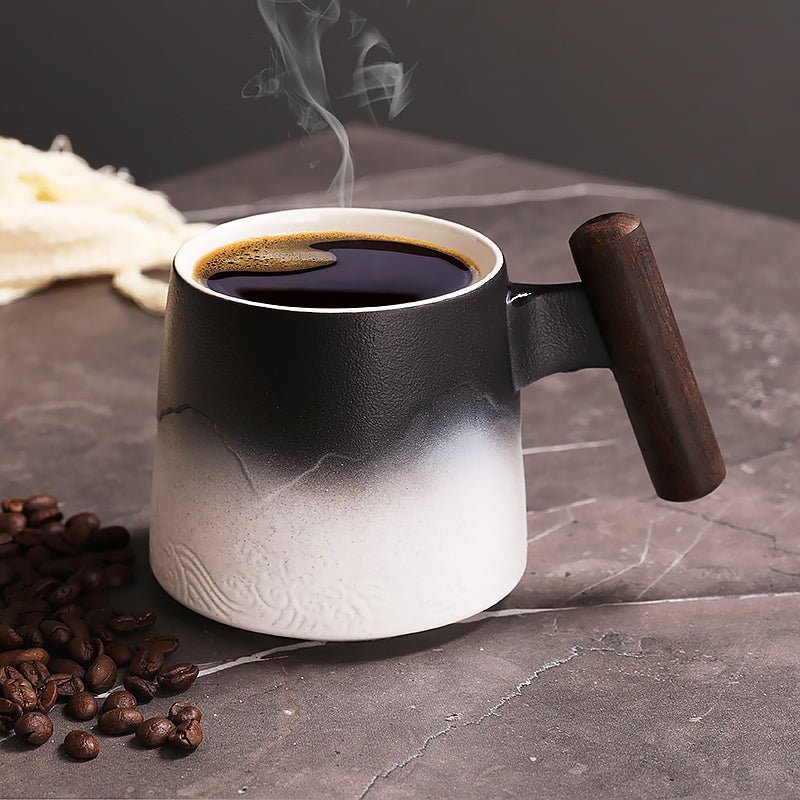
Blank Coffee Mugs: How to Choose the Right Size and Finish
Blank coffee mugs sound simple until you have to choose one for the kitchen, office, gifting, or customization. This guide covers size, material, finish, and the small quality details that separate...
Per saperne di più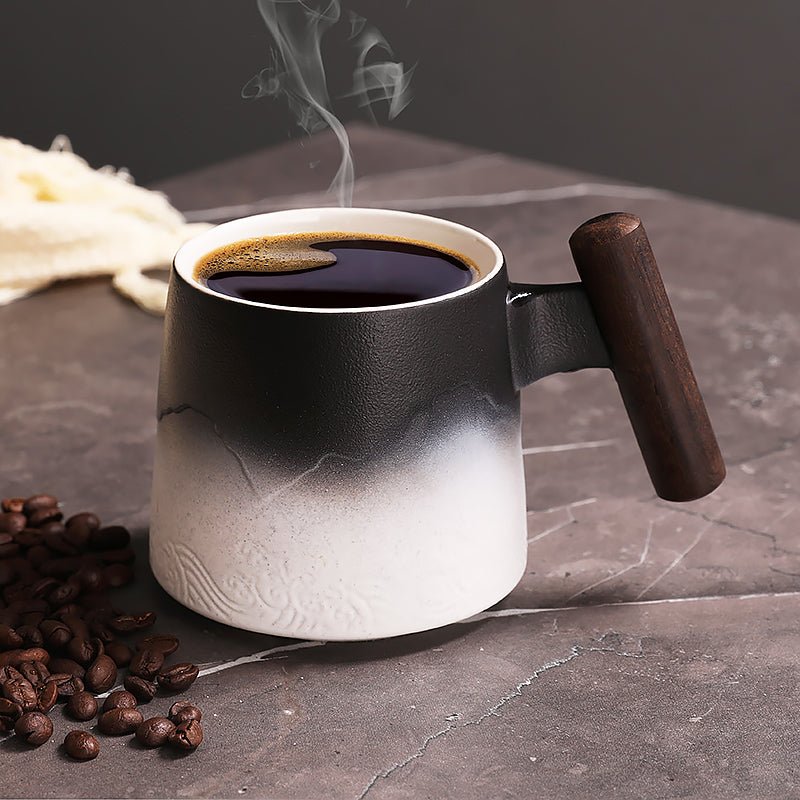
Designer Coffee Mug Buying Guide: What to Check Before You Buy
A practical look at designer coffee mug options, from material and size to handle feel, finish, and care. Use it to compare styles before you buy.
Per saperne di più
Commenta
Questo sito è protetto da hCaptcha e applica le Norme sulla privacy e i Termini di servizio di hCaptcha.