
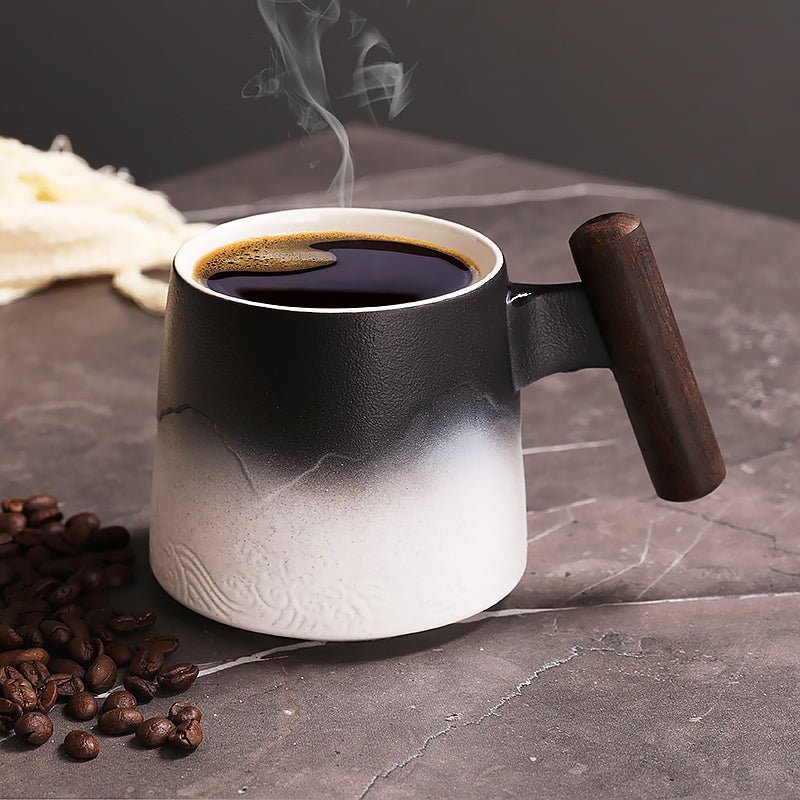
Blank Coffee Mugs: How to Choose the Right Size and Finish
Reading time: about 9 minutes
One chipped rim or wobbly handle is enough to make a stack of blank coffee mugs feel like a bad buy. That usually shows up fast in a real kitchen: the mug that rattles on a counter, the handle that feels cramped on a desk, or the glaze that looks fine online but feels rough in the hand.
We handle this category as a store, so we look at blank coffee mugs the way buyers actually use them: at home, in break rooms, for client gifts, and for custom projects. The right mug is not just “plain.” It needs the right size, a stable base, a comfortable grip, and a finish that holds up to daily washing.
If you want a broad starting point, our full collection is the easiest place to compare shapes and styles. If you already know you want to browse current options, start with our products page.
What should you check first on blank coffee mugs?
Start with the parts that affect daily use, not just appearance. A blank mug can look identical in photos and still feel very different once it is in your hand or sitting under a coffee machine.
- Capacity: A true 8 oz mug feels tight for drip coffee, while 12 oz to 16 oz is more forgiving for most home and office use.
- Handle shape: Check whether two fingers fit comfortably and whether the handle leaves enough clearance for larger hands.
- Rim finish: A smooth, even rim matters more than most shoppers expect. A slightly rough lip is noticeable every morning.
- Base stability: A flat, even base is important on glass tables, office desks, and microwave turntables.
- Glaze quality: Look for a consistent surface with no pinholes, streaks, or dull patches that suggest uneven firing.
In our experience, buyers who skip these checks usually end up with mugs that are fine for display but awkward for actual coffee. That matters even more if you are ordering in multiples for an office, café, or event table.
Which size works best for your use case?
Size is the first real decision because blank coffee mugs are used in very different ways. A mug for espresso-style pours is not the same as a mug for long desk sessions or tea drinkers who top up all afternoon.
| Common size | Best for | Trade-off |
|---|---|---|
| 8 oz | Small coffee servings, espresso drinks, sampling, formal gift sets | Too small for many standard coffee pours |
| 12 oz | Everyday home use, standard drip coffee, most office setups | Can feel undersized for large beverages |
| 14 oz | People who want a little extra room without a bulky mug | Takes more cabinet space and may feel heavy when full |
| 16 oz | Big coffee pours, tea, cocoa, desk use | Not ideal if you prefer a lighter mug or smaller servings |
If you are comparing those sizes closely, our related guides on 12 oz coffee mugs, 14 ounce coffee mugs, and 16 ounce coffee mugs break down fit and daily use in more detail.
The right answer depends on what sits on the counter. A home brewer making one cup before work usually wants a different mug than a shared office kitchen where people pour from a carafe and do not want to refill every ten minutes.
Which material is safest to buy for daily use?
For blank coffee mugs, ceramic is the most common choice because it balances weight, heat retention, and cost. That said, “ceramic” is still a broad category. You will usually see earthenware, stoneware, or porcelain-style mugs, and they behave differently.
- Stoneware: Heavier, sturdier feel, good for everyday use, and often the best middle ground for home or office.
- Porcelain: Lighter and more refined, but it can feel less rugged if you are stacking mugs in a busy kitchen.
- Earthenware: Often more casual and porous unless fully glazed, so the finish quality matters a lot.
We pay close attention to the glaze and firing quality because those are the details buyers feel but do not always see online. Tiny pinholes, uneven color, or a rough inner wall can be signs of a finish that will age poorly after repeated wash cycles.
Blank coffee mugs are not the best choice if you want maximum thermal insulation. If that is the priority, a double-walled tumbler or travel mug is usually the better fit. Blank mugs are better when you want a stable, open cup for a desk, kitchen table, or gifting table.
What finish details matter if you plan to customize them?
If the mug is going to be printed, sublimated, engraved, or used as a blank base for branding, surface quality matters as much as capacity. A smooth exterior and a consistent coating make a real difference in how the finished mug looks and lasts.
For customization projects, the most useful checks are:
- Surface consistency: The body should be smooth enough for a clean design area, without visible bumps or glaze runs.
- Color neutrality: Bright white or true neutral tones usually give the cleanest design result.
- Shape uniformity: A straight-sided mug is often easier for wraparound designs than a tapered body.
- Rim and handle alignment: Small alignment issues stand out once a logo or artwork is added.
That is why blank coffee mugs are not all interchangeable. A mug that is great for a plain office shelf may not be the right base for a custom holiday gift run or a branded client set.
If your goal is merch, personalized gifts, or store-ready stock, the safest move is to compare the current options on our products page and verify the finish before ordering in volume.
How do you spot the quality problems that matter most?
Most disappointing mug problems are small at first. They are the kind you only notice after the first few uses, which is why we look for them before a mug ever reaches a customer.
- Wobbly base: The mug rocks on a flat table and feels unstable when filled.
- Uneven rim: The lip feels sharp or inconsistent from one side to the other.
- Handle stress points: The handle looks thin where it joins the body, which can be uncomfortable and less durable.
- Glaze defects: Pinholes, dull spots, or tiny bubbles can signal an inconsistent firing process.
- Stacking wear: Poorly finished mugs can chip faster if they are stored in stacked rows on a shelf.
These details matter in real settings. On a kitchen counter, a wobbly mug gets used less. In an office break room, an uncomfortable handle turns into a complaint. For gifts, the first thing people notice is often the rim and the way the mug sits in the hand when they unwrap it.
Which blank coffee mugs are best for different buyers?
Different buyers need different trade-offs. The best blank coffee mugs for a design studio are not always the best mugs for a home kitchen or a bulk corporate order.
- For home use: Choose a 12 oz or 14 oz ceramic mug with a balanced handle and a smooth, easy-to-clean glaze.
- For offices: Pick a stable 12 oz to 16 oz mug that is easy to label or distinguish in a shared kitchen.
- For gifts: A clean white mug with a polished finish usually feels the most universal and easy to present.
- For customization: Look for an even exterior, consistent color, and a shape that supports the print or decoration method.
- For low-maintenance use: Choose a mug that can handle normal washing without special care steps.
Blank coffee mugs are not the best choice for someone who wants a lightweight travel cup or a mug that stays hot for hours. They are also not ideal if you want a heavily textured surface or a statement piece that carries the design itself. Plain works best when utility is the point.
How should you care for blank coffee mugs?
Care depends on the exact mug, but the safest daily routine is simple. Wash after use, avoid hard knocks in the sink, and do not stack fragile pieces too tightly.
For most ceramic mugs, we recommend checking three things before you buy:
- Dishwasher use: Some finishes handle dishwashers well, while decorative coatings and certain prints need hand washing.
- Microwave use: Ceramic is often microwave-friendly, but metallic accents or specialty coatings are not.
- Storage: Keep mugs from rubbing rim-to-rim, especially in crowded cabinets or office shelves.
We have seen plenty of mugs lose their appeal because they were stored carelessly, not because the mug itself was poor. A good blank mug should still feel solid after months of dishwasher cycles and routine use, but the finish will always last longer with basic handling.
How do blank coffee mugs compare with printed mugs?
Blank coffee mugs and printed mugs solve different problems. A blank mug is more flexible, more neutral, and often better for buyers who want a clean everyday object. A printed mug is better when the message or artwork is the point.
The trade-off is simple:
- Blank mugs: Better for customization, resale flexibility, office uniformity, and gift wrapping.
- Printed mugs: Better when you want instant visual identity or a specific message.
If you are still narrowing size before choosing a blank style, the related guides on 8 ounce coffee mugs, 16 oz coffee mugs, and 20 ounce coffee mugs are useful side-by-side comparisons when you want to avoid buying the wrong capacity.
Frequently asked questions
What size blank coffee mug is best for everyday use?
For most people, 12 oz is the safest everyday choice. It holds a standard coffee pour without feeling oversized, and it still fits most cabinets, dish racks, and office shelves. If you prefer larger servings or tea, 14 oz or 16 oz can be a better fit.
Are blank coffee mugs dishwasher safe?
Many ceramic blank mugs are dishwasher safe, but not all finishes are the same. Check the product details for glaze, coating, or decoration notes before assuming it is safe for repeated machine washing. If the mug has specialty printing or accents, hand washing may be the better choice.
What material is best for blank coffee mugs?
Stoneware is often the most practical all-around option because it feels sturdy and holds up well in daily use. Porcelain is lighter and a little more refined, while earthenware can work well if the glaze quality is solid. The best material depends on whether you care more about durability, weight, or a more delicate feel.
Can blank coffee mugs be used for custom printing?
Yes, but the surface needs to be consistent and suitable for the decoration method you plan to use. A smooth, even exterior and a uniform shape make printing easier and cleaner. If you are buying for customization, pay close attention to finish quality, not just color.
What should I avoid when buying blank coffee mugs?
Avoid mugs with uneven rims, wobbly bases, rough handles, or obvious glaze defects. Those issues tend to show up in daily use and can make a mug frustrating even if it looks fine in photos. Also avoid oversized mugs if you want something comfortable for regular desk or kitchen use.
If you want to narrow this down quickly, use a simple checklist: choose the size you will actually drink from, check the handle fit, inspect the finish, and decide whether you need a plain everyday mug or a mug that is ready for customization. Then compare the current range in our collection and pick the style that matches how you will use it most.
More from our blog
Read more
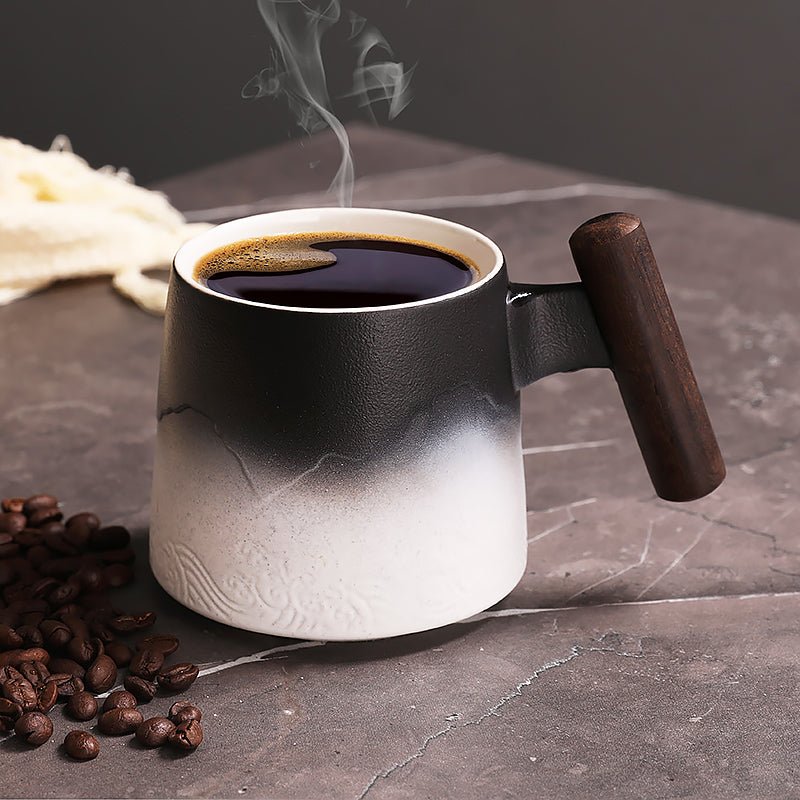
Metal Coffee Mugs: What Buyers Should Check Before Ordering
Metal coffee mugs can be durable, compact, and easy to carry, but the build details matter. We break down the materials, sizes, care, and trade-offs that help you choose the right one.
Per saperne di più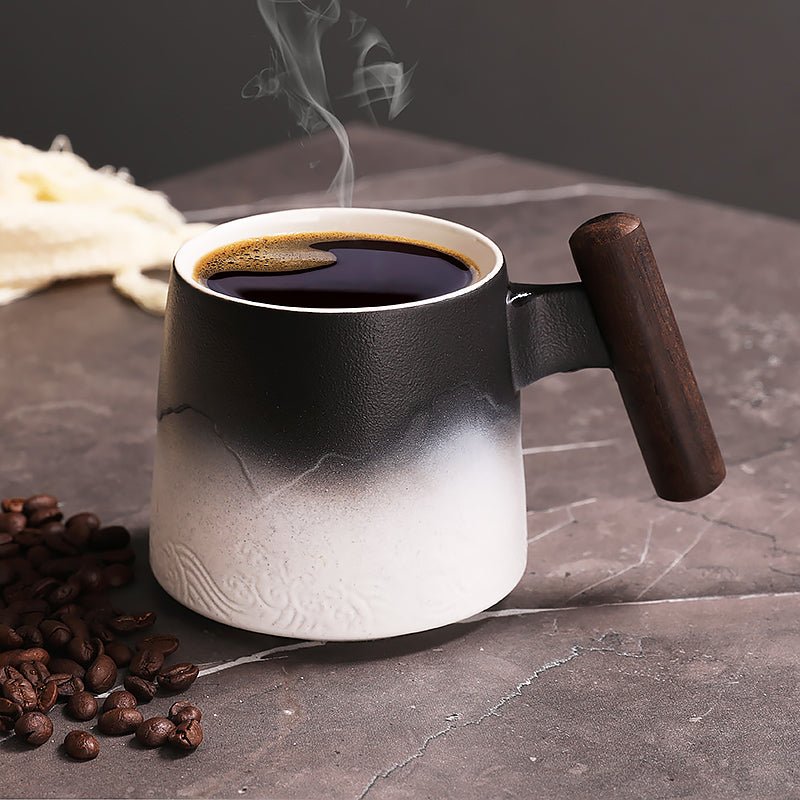
Blue Coffee Mug Buying Guide: Size, Finish, and Best Uses
A blue coffee mug should feel balanced in the hand, hold the right pour, and survive daily use. We break down the sizes, finishes, and quality checks that matter before you buy.
Per saperne di più
Commenta
Questo sito è protetto da hCaptcha e applica le Norme sulla privacy e i Termini di servizio di hCaptcha.