
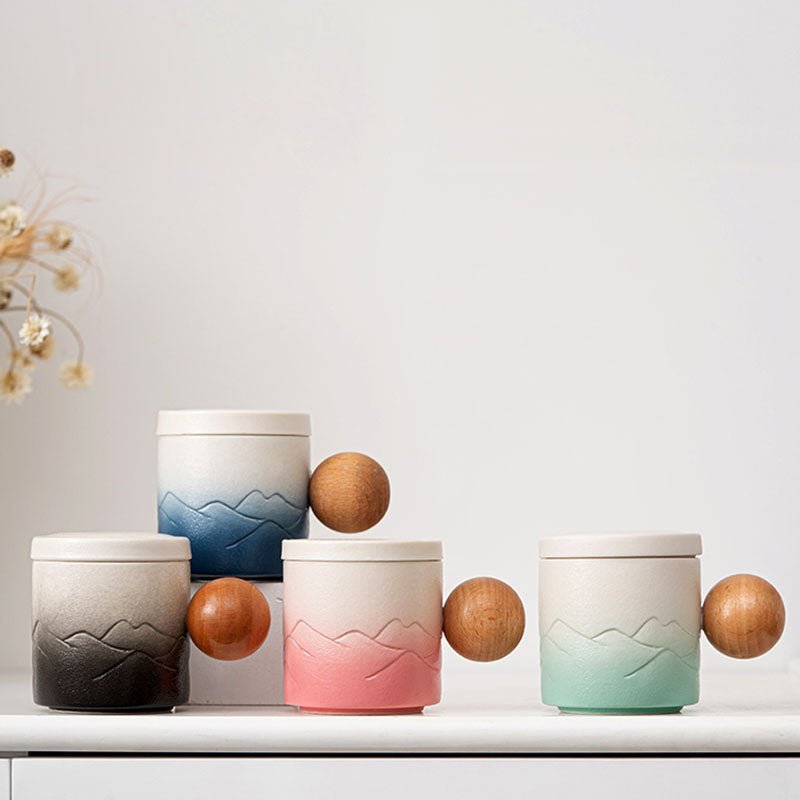
Tea Ceramic Cup Buying Guide for Daily Tea, Desk Use, and Gifts
Reading time: about 8 minutes
A tea ceramic cup gets judged in the first week, not in the product listing. If the rim feels rough, the glaze marks easily, or the base wobbles on a kitchen counter, it gets left behind. In our store, we treat this category as a daily-use tool, so we pay attention to the details shoppers actually notice after the first few pours.
That means looking past the photo and checking how the cup feels with hot tea, how it sits on a desk, and whether it will still look clean after repeated dishwasher cycles. A good cup should do three things well: feel stable in the hand, keep tea comfortable to drink, and clean up without drama.
What makes a tea ceramic cup worth buying for daily use?
Ceramic works because it is straightforward. It does not add a metallic note, it feels familiar on the table, and a glazed surface is usually easy to rinse after black tea, oolong, or herbal blends. Compared with thin glass, a tea ceramic cup often feels more substantial and a little more forgiving when you set it down on a hard counter.
That said, ceramic is not the answer for every drinker. If you want a cup that stays hot for a long commute, a travel mug with insulation is a better fit. If you need a piece that is nearly impossible to chip, stainless steel is the safer pick. We would rather say that clearly than pretend every tea drinker needs the same thing.
For shoppers comparing styles, our broader tea-focused guidance in Tea Ceramic Cup Buying Guide: Size, Finish, and Daily Use goes deeper on the basics we look at before we stock a piece.
What should you inspect before you buy one?
Most returns in this category come from small things that are easy to miss in photos. We check the same points before we bring a cup into the store, and we recommend shoppers do the same.
- Rim feel: Run your eye along the drinking edge. It should look even and feel smooth, with no sharp spots or obvious glaze breaks.
- Foot ring stability: A flat, stable base matters more than many buyers expect. If a cup rocks on the table, it becomes annoying fast.
- Glaze quality: A consistent glazed interior helps with staining. Pinholes, crazing, and rough patches can trap tea residue over time.
- Wall thickness: Thicker walls usually feel sturdier and stay comfortable to hold a bit longer, while very thin walls can feel refined but more delicate.
- Cleaning fit: If the finish is matte, textured, or decorated, confirm whether you prefer hand washing. Not every finish ages the same way in a dishwasher.
If you are comparing cup shape as much as material, our article Ceramic Mugs for Tea: How to Choose the Right Size, Shape, and Finish is useful because shape changes how the tea smells, how fast it cools, and how the cup feels on a desk.
We also tell customers not to over-focus on a single feature. A beautiful finish is not enough if the cup feels awkward in the hand. A wide opening is great for aroma, but it may cool tea faster than a narrower profile. Trade-offs matter here.
Which of our ceramic tea cups fits your routine?
If you want to compare pieces that already fit the tea and coffee overlap, start with our all collection and narrow by shape first. That is usually faster than shopping by color alone.
Here is how we think about three pieces shoppers often compare:
- Pleated Coffee Tea Cup is a good fit if you want visual texture and a cup that feels different from a plain cylinder. It works well for home tea service and for buyers who like a little grip from the exterior form.
- The Flow Coffee Tea Mug suits people who prefer a softer, more relaxed silhouette for office desks or casual daily tea. It reads more like an everyday mug than a formal tea cup.
- Mountain Sea Coffee Tea Mug is the better choice if you want something more expressive for gifting or display. It is the sort of piece that can sit on a shelf after the unboxing without looking out of place.
If you are choosing a cup as a gift, the visual first impression matters more than most shoppers admit. A cup that feels balanced in the hand and looks finished from every angle usually gets used instead of stored.
For a broader mug-versus-cup decision, our Tea Mugs Ceramic: How to Choose the Right Cup for Daily Tea article is the fastest way to separate the daily-drinker options from the display-only ones.
How do you keep ceramic tea cups looking clean?
Care is simple, but a few habits make a real difference. Tea stains build slowly, and glaze wear usually shows up after people ignore the same small mistake over and over.
- Rinse the cup soon after strong black tea or herbal blends, especially if you are not washing it right away.
- Use a soft sponge instead of abrasive pads, which can dull glossy finishes and make fine surfaces look older faster.
- Do not shock a hot cup with very cold water. Sudden temperature changes are a common cause of stress cracks in ceramic.
- If the maker says the piece is dishwasher-safe, place it where it will not knock into heavier items. Chips often come from movement in the rack, not from the wash cycle itself.
- Check the foot ring occasionally. Fine grit or residue on the bottom can scratch shelves and make the cup feel less stable over time.
This is also where trade-offs show up clearly. Ceramic is easy to live with, but it can chip if it is dropped into a sink or stacked carelessly. If you want a piece for travel bags, gym kits, or a commute, ceramic is not the best material. Keep it for the table, desk, or kitchen counter.
How does a tea ceramic cup compare with glass, stainless steel, and porcelain?
Buyers often compare these materials without separating function from feel. The right answer depends on where you drink tea, how you clean up, and whether you care more about appearance or durability.
| Material | What it does well | Trade-off | Best fit |
|---|---|---|---|
| Ceramic | Comfortable hand feel, familiar look, usually easy to rinse | Can chip, and some finishes need gentler care | Daily tea at home, office desks, gifts |
| Glass | Shows tea color and brew strength clearly | Feels lighter and can cool faster | Tea drinkers who like visual brewing |
| Stainless steel | Durable and practical for travel | Less traditional for tea service, can change the drinking experience | Commutes, bags, rough daily carry |
| Porcelain | Refined, often lighter and more delicate in hand | Usually less forgiving than thicker ceramic mugs | More formal tea settings and lighter pours |
Porcelain is still ceramic in the broad sense, but the feel is different enough that shoppers notice it right away. If you want a cup with more presence on the table, a classic ceramic body is often the safer choice.
Which size and shape should you pick for your tea habit?
Size sounds simple until you live with the cup for a week. Too small, and you keep refilling. Too large, and tea cools before you finish it. The right middle ground depends on how you actually drink.
- Loose-leaf tea at home: Choose a shape that gives the leaves room and leaves enough mouth opening for aroma.
- Office desk use: A stable base matters more than decorative detail because laptops, notebooks, and chargers crowd the surface.
- Gift buying: Prioritize finish, silhouette, and first-hand feel. The unboxing moment matters, but only if the cup is still pleasant after the first wash.
- One-cup mornings: Pick a mug shape that is comfortable to cradle and easy to hold while the tea cools.
If you want a larger sweep of options before choosing, the article Big Tea Cup Buying Guide: Size, Material, and Daily Use is useful for shoppers who tend to pour a bigger first cup and want to avoid something that feels cramped.
Our advice is straightforward: match the cup to the habit, not the shelf photo. A tea ceramic cup should fit your kitchen, your desk, or your gift recipient's routine without asking for special handling every day.
Frequently asked questions
Is a tea ceramic cup good for everyday use?
Yes, if you want a cup that is comfortable, easy to rinse, and suitable for regular tea at home or at a desk. Ceramic is a strong everyday choice, but it is not ideal for people who need a travel-safe or highly impact-resistant option.
What size tea ceramic cup should I buy?
Choose the size around how much tea you actually finish before it cools. Smaller cups suit focused tea sessions, while larger cups are better for long desk work or a single morning pour.
Are ceramic tea cups dishwasher-safe?
Some are, but not all finishes age the same way in a dishwasher. Check the care guidance for the specific piece, and use a gentler rack position if the cup has a decorative glaze or textured surface.
Does ceramic keep tea hot longer than glass?
Usually, ceramic feels slower to lose heat than very thin glass, but it is not insulation. If heat retention is your top priority, a double-wall insulated cup will perform better than a standard ceramic piece.
What should I avoid when buying a tea ceramic cup?
Avoid cups with uneven bases, rough rims, visible glaze defects, or a shape that looks nice but feels awkward in the hand. Those are the details that usually become annoying after a few days of real use.
If you want to compare options quickly, start with the all collection, then shortlist by shape, glaze, and how you plan to use the cup every day. That will get you to the right tea ceramic cup faster than browsing by color alone.
Read more
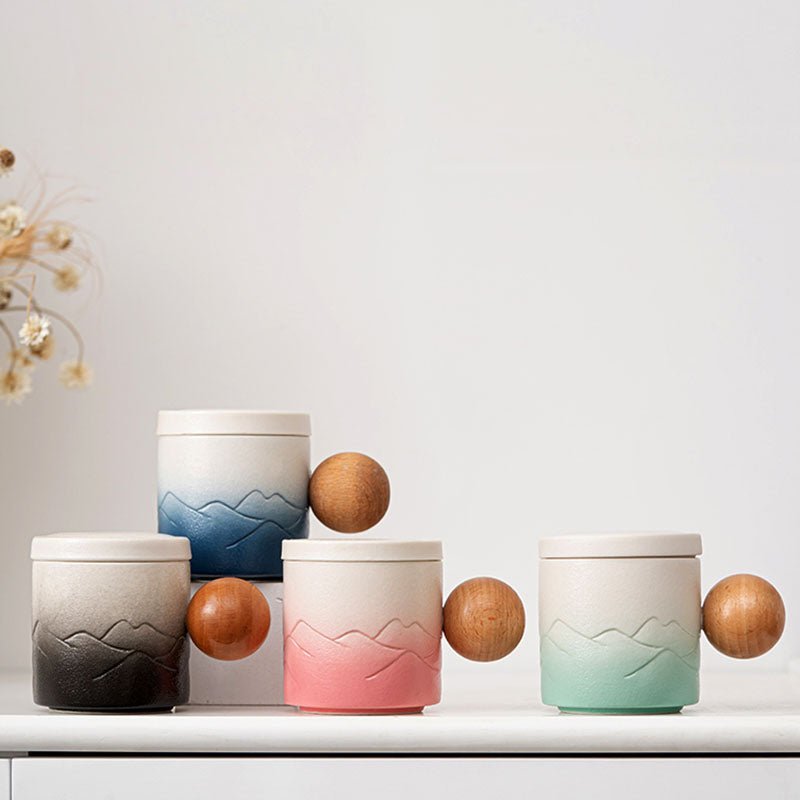
Mom Coffee Mugs: Best Shapes, Sizes, and Gift Picks
Compare mom coffee mugs by shape, daily-use comfort, and gift value so you can pick a mug she will actually reach for every morning.
Read more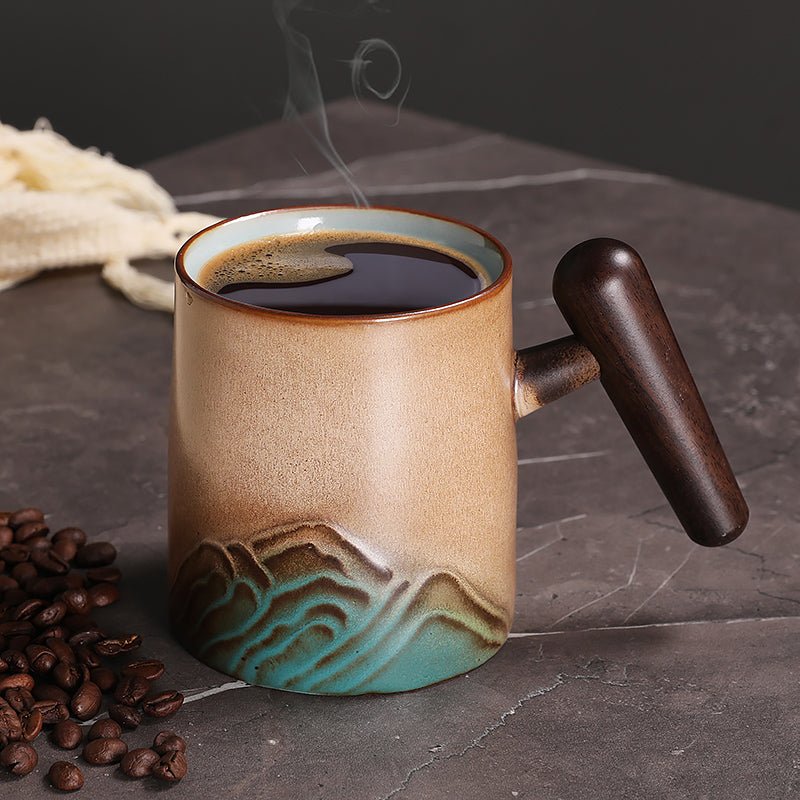
Nautical Coffee Mugs: What to Look For Before You Buy
A practical guide to nautical coffee mugs for shoppers comparing size, feel, and everyday use. We break down what works, what does not, and which mug styles fit a kitchen, office, or gift order.
Read more
Leave a comment
This site is protected by hCaptcha and the hCaptcha Privacy Policy and Terms of Service apply.