
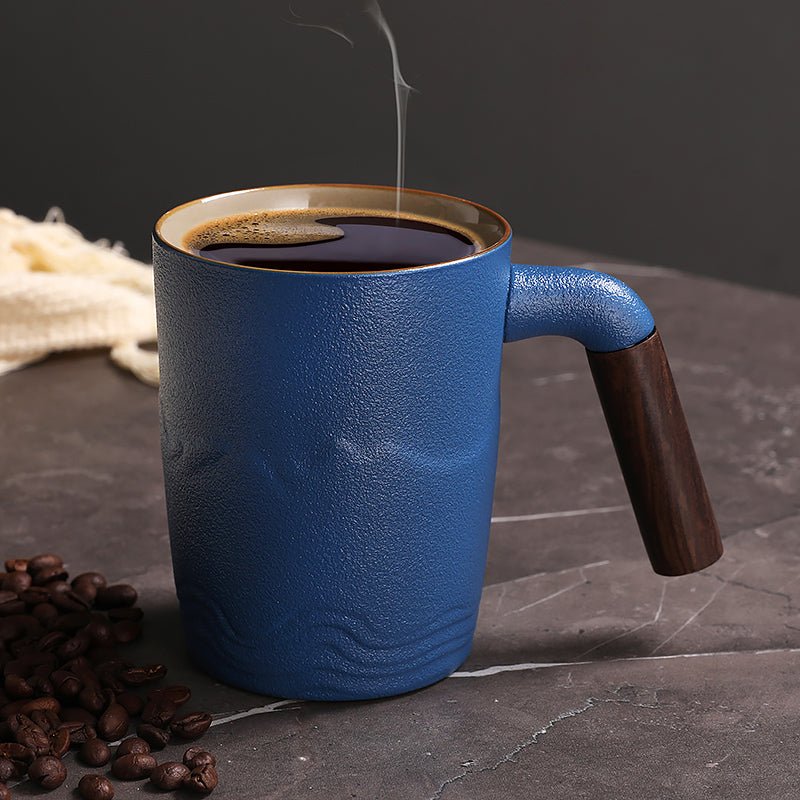
Latte Art Cup Buying Guide for Shape, Size, and Material
Reading time: about 9 minutes
The first thing we notice on a bad latte art cup is not the pattern. It is the rim. If the lip is too thick, the pour spreads awkwardly. If the bowl is too deep, the rosetta sinks before it looks finished. We handle these cups every day in our store, and the same small details decide whether the cup helps the milk flow or fights it.
A good latte art cup should make the drink look balanced on the counter, the office desk, or the breakfast table. It should also clean up easily after a normal dishwasher cycle, because a cup that looks right once but stains, wobbles, or chips at the edge is not a useful buy. If you want to compare the wider range we carry, start with our collection. For a handled everyday option that sits comfortably between practical mug and display piece, the Koi Fish Coffee Tea Mug is a useful example of the kind of cup many shoppers use beyond latte art alone.
What makes a latte art cup different from a regular mug?
A latte art cup is shaped to keep the milk surface visible and stable. That usually means a wider opening, a smoother interior curve, and less vertical depth than a deep breakfast mug. The pour lands closer to the surface, so the pattern shows sooner and stays readable longer.
In our experience, three details matter more than brand styling:
- Rim width: A wider mouth gives the pitcher more room to place the design. A narrow opening makes even a clean pour look crowded.
- Interior curve: A gentle curve helps milk and espresso blend without dead spots at the bottom.
- Wall thickness: A thinner, well-made wall usually feels more responsive in hand and keeps the cup from feeling bulky under a pour.
A regular mug can still work for coffee, but it is often not ideal for showing off latte art. Tall mugs are especially unforgiving. They hide the pattern and make the milk level harder to judge. If you only want a cup for black coffee, tea, or soup, a dedicated latte art cup is probably more specialized than you need.
Which shape and size actually help the pour?
We usually start buyers in the mid-capacity range, because that is where most home espresso drinks live. For a standard latte, something around 200 to 300 ml often gives enough room for espresso, steamed milk, and foam without making the design look lost.
Here is the way we break it down when someone is choosing from the shelf:
| Size range | Best for | What to watch |
|---|---|---|
| 180 to 240 ml | Smaller lattes and cappuccinos | Can feel tight if you pour heavy milk volumes |
| 240 to 300 ml | Most home latte art pours | Usually the easiest balance of surface area and depth |
| 300 ml and up | Larger coffee drinks or a more casual serve | Pattern can look smaller unless you pour with more volume |
Shape matters just as much as capacity. A cup with a broad top and a stable base is easier to control than a narrow cylinder with the same volume. We also look for a base that sits flat. A tiny wobble on the counter becomes obvious when you are pouring hot milk and trying to center the design.
If you want a deeper breakdown of sizing logic, our article Latte Art Cup: How to Choose the Right Shape, Size, and Material covers the same decision from a stricter cup-fit angle. For shoppers who are thinking beyond espresso drinks and need a larger all-purpose vessel, our 700ml Cup Buying Guide: Size, Materials, and Daily Use helps explain when a big cup makes more sense than a dedicated latte cup.
Which material is best for daily use?
For most buyers, porcelain is the safest default. It usually gives a clean, bright interior that makes latte art easy to read, and it tends to feel lighter than thicker stoneware. That said, stoneware and glass each have their place, and we do not treat every material as interchangeable.
| Material | What it does well | Trade-off |
|---|---|---|
| Porcelain | Clean look, smooth glaze, good contrast for latte art | Can chip if it takes repeated knocks on a sink edge |
| Stoneware | Feels sturdy and holds heat well | Often heavier, sometimes with a thicker rim |
| Glass | Shows the drink layers clearly | Usually less forgiving in hand and more prone to visible water spots |
| Metal | Light and durable for travel-style use | Not our first choice for showing latte art clearly |
We prefer porcelain when the goal is visual clarity. We prefer stoneware when the cup will be used hard every day and the buyer cares more about feel than display. Glass can be attractive, but it is not the easiest option for someone who wants a warm, stable home-cafe setup. Metal is practical in some settings, but it is not the best format if the design itself is the selling point.
That trade-off is why we keep both dedicated coffee pieces and broader everyday cups on our site. If you are shopping for one cup that can move between tea, coffee, and gifting, the Koi Fish Coffee Tea Mug is closer to a versatile daily mug than a narrow specialty latte bowl. That is useful for some shoppers and the wrong fit for others. A specialty latte art cup is better if your main goal is presentation.
What should you inspect before buying one online?
Photos can hide the small flaws that matter in real use. In our store, we check cups on a flat counter, under direct light, and again after washing. That is where the issues show up.
Before you buy, look for these specific points:
- Even rim thickness: A thick or uneven lip can make the milk break in different directions while pouring.
- Flat base: The cup should not rock when placed on a table or tray.
- Smooth interior glaze: Rough patches can catch residue and make cleanup slower.
- Comfortable handle angle: A handle that sits too close to the body of the cup can pinch fingers once the cup is hot.
- No obvious seam or foot-ring roughness: Those small defects often become the first place to chip or stain.
We also pay attention to color inside the cup. A white or light interior usually makes latte art easier to read. Dark interiors can look stylish, but they make contrast harder to judge when you are learning or trying to compare pours side by side.
A latte art cup is only useful if it works on a real counter, not just in a product photo.
If you want a broader selection after checking these points, go back to our collection and compare by shape first, then by finish. That order matters more than decorative details.
How do you care for a latte art cup so it stays clean?
Good care is simple, but the details matter. A latte art cup should keep its glaze smooth and its interior clean enough that milk residue does not build up around the curve.
We suggest this routine:
- Rinse the cup soon after use so milk does not dry along the rim.
- Use a soft sponge rather than an abrasive pad, especially on glossy glaze.
- Dry the base and foot ring after washing if you store cups stacked.
- Avoid sudden temperature changes that can stress ceramic pieces.
- Check the maker's guidance before microwaving any cup with metallic decoration or specialty trim.
The biggest care mistake we see is not the dishwasher itself. It is scraping the inside with a rough tool after residue has baked on. That can dull the glaze over time and make the cup look tired even if it is structurally fine. Another common issue is stacking cups with a dusty base ring. That is how minor abrasion starts on the lip and foot.
If you are comparing cup styles for the kitchen, our Autumn Coffee Mugs: How to Pick the Right Cup for Cozy Season is helpful when you care more about comfort and daily mood than latte presentation. For larger everyday servings, the Big Tea Cup Buying Guide: Size, Material, and Daily Use is the better match.
Is a latte art cup the right buy for everyone?
No. A latte art cup is not the best choice if you mostly drink large drip coffee, oversized tea, or anything that benefits from a deep, roomy mug. It is also not the best pick for travel use, because the shape that helps latte art usually makes the cup less splash-resistant than a closed mug or tumbler.
It is the right buy if you want:
- A cleaner-looking espresso or milk drink on the counter
- A cup with a wide opening for visible patterns
- A piece that feels more intentional than a generic mug
- A daily cup that can still be washed, stacked, and used without special handling
It is not the right buy if your main priority is maximum volume, travel durability, or a cup that disappears into the background. In that case, a bigger everyday mug or a handled tea cup may serve you better.
Frequently asked questions
What size latte art cup is best for a home espresso machine?
For most home setups, we start shoppers around 200 to 300 ml. That range usually leaves enough room for espresso, milk, and foam without making the pattern look too small. If you make smaller drinks, move down a bit; if you pour a larger latte, move up carefully rather than jumping straight to a huge mug.
Is porcelain better than stoneware for latte art?
Porcelain is usually easier for latte art because the interior tends to look cleaner and the shape is often more refined. Stoneware can be better if you want a heavier, more casual cup that holds heat well. If you care most about the look of the pour, porcelain is the safer first choice.
Can I use a latte art cup for tea or black coffee?
Yes, but it depends on the size. A latte art cup works well for smaller tea servings or a straightforward black coffee, but it is not ideal if you want a large, all-day mug. If your main habit is tea by the potful, a bigger cup from our general collection may fit better.
What cup features make latte art look worse?
A narrow mouth, a deep bowl, a thick rim, and a wobbly base all make the pour harder to control. Dark interiors can also make the pattern harder to read. We see the same problem with rough glaze or a handle that gets in the way when you tilt the cup for the final pour.
Do I need a special latte art cup if I am just learning?
You do not need a specialty cup, but a better-shaped cup makes practice less frustrating. A medium, wide cup with a smooth interior gives you clearer feedback on each pour. If you are learning at home, that matters more than decorative details.
If you want the fastest way to compare options, use this checklist: wide enough opening, 200 to 300 ml capacity, smooth light interior, flat base, and a rim that feels balanced in the hand. Then compare current styles in our collection and choose the one that fits how you actually drink coffee, not just how it looks in a listing.
Read more
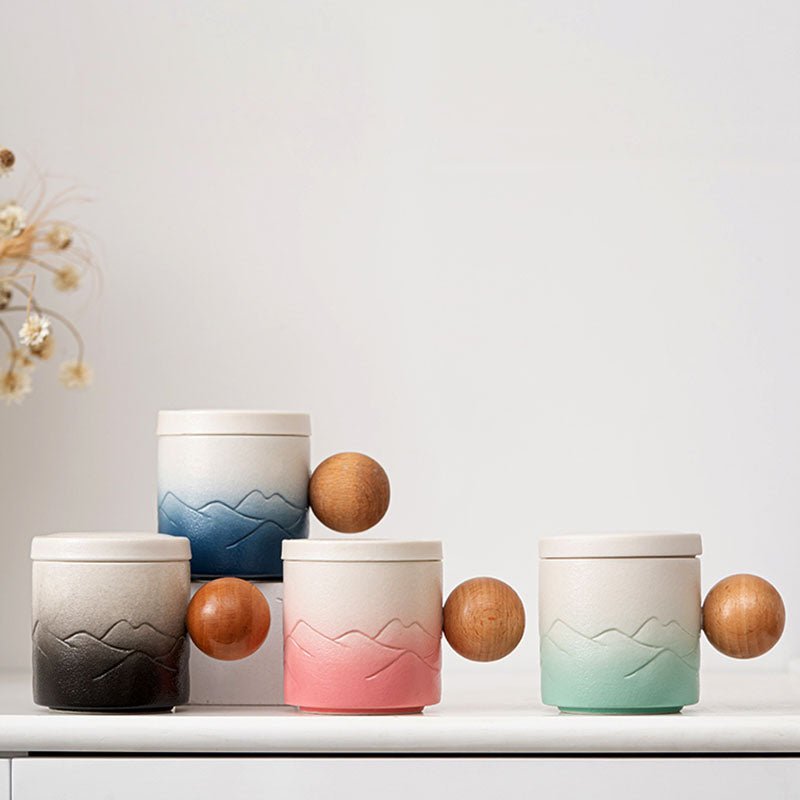
Hot Coffee Mug Buying Guide for Daily Use and Better Heat Retention
A practical guide to choosing a hot coffee mug that actually fits your routine. We break down shape, material, lid fit, and which CoffeifyMug styles make sense for real kitchens and desks.
Read more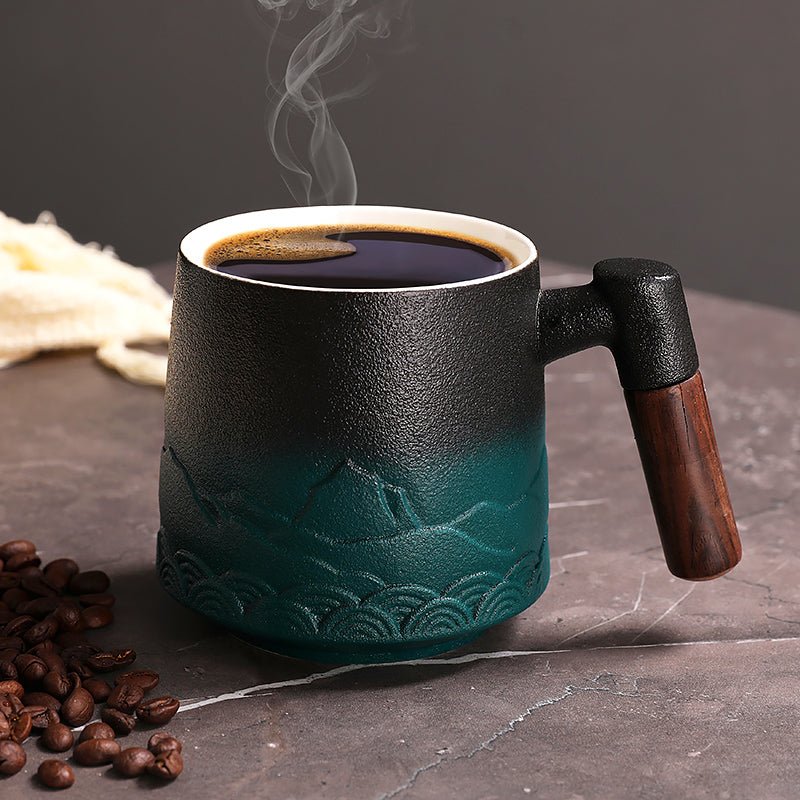
Beer Coffee Mugs: What Buyers Should Check Before Ordering
Beer coffee mugs work best when the shape, handle, and cleanup fit real daily use. We break down what to check before you buy, which styles suit desks and gifts, and when a regular mug is the bette...
Read more
Leave a comment
This site is protected by hCaptcha and the hCaptcha Privacy Policy and Terms of Service apply.