
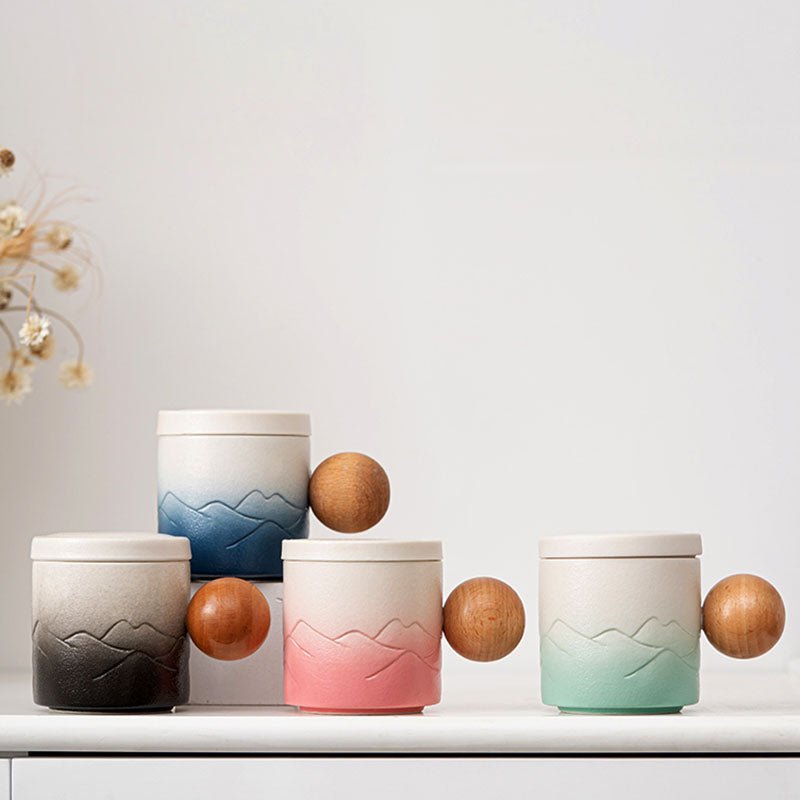
How to Remove Tea Stains from Mugs Without Damaging the Finish
Reading time: about 9 minutes
A tea ring at the bottom of a mug usually shows up before anyone notices it on the outside. We see it most often on white-glazed ceramic mugs, porcelain cups with a glossy finish, and stoneware mugs that spend all day on an office desk and keep getting refilled.
If you want to how to remove tea stains from mugs without dulling the finish, the key is to match the cleaning method to the mug material. Our team handles a lot of mugs in the store, and the same rule keeps coming up: the safest fix is usually the one that works slowly, not the one that scrubs hardest. If you're comparing replacement options at the same time, our mug products page is a good place to start, and the broader all products collection is useful if you want to compare shapes, glazes, and everyday-use styles before you buy.
Why do tea stains cling to some mugs more than others?
Tea leaves behind tannins. Those compounds settle into microscopic surface texture, which is why one mug looks fine for months while another develops a brown halo after a few afternoon cups. Glossier surfaces usually resist staining better than matte or textured finishes, but no mug is completely stain-proof.
We see three common situations in real use:
- A white ceramic mug left on a kitchen counter with a dark ring at the base after repeated black tea.
- A stoneware mug used at a desk where tea cools slowly, giving tannins more time to settle.
- A printed or hand-decorated mug where the stain sits near the decal edge and makes the design look dull.
Material matters too. Glazed ceramic and porcelain usually clean more easily than unglazed stoneware. Double-walled stainless steel can stain differently, but this article focuses on the mug types most shoppers ask us about: ceramic, porcelain, and stoneware. If you want a deeper breakdown of finishes and materials before buying, our guide on ceramic mugs for tea: how to choose the right size, shape, and finish covers the trade-offs we look at in our own store.
What is the safest first method for removing tea stains?
Start with warm water and a soft sponge. That sounds basic, but it prevents a lot of unnecessary wear. We prefer this first because it removes loose residue without scratching glossy glaze or smoothing away a printed surface.
- Rinse the mug with warm water.
- Add a few drops of dish soap.
- Use a soft sponge or microfiber cloth to wipe the inside, especially the base and the area under the rim.
- Rinse well and dry immediately with a towel.
If the stain is light, this may be enough. For mugs used daily, especially 10 oz to 14 oz coffee-and-tea mugs that sit wet between uses, this step should be your regular routine. It will not remove older brown buildup on its own, but it helps prevent it from becoming baked on.
How do you remove set-in tea stains without scratching the glaze?
For stains that survive soap and water, we usually move to baking soda. It gives enough gentle abrasion to lift tannin buildup, but it is still softer than the harsh scouring pads that can leave micro-scratches on glossy ceramic.
- Sprinkle baking soda into the damp mug.
- Add a few drops of water to make a loose paste.
- Rub the stained area with a soft sponge for 20 to 30 seconds.
- Let the paste sit for 5 to 10 minutes if the stain is older.
- Rinse thoroughly and inspect the inside base and the lip area.
For many mugs, this is the best balance of cleaning power and safety. It is not ideal for matte glazes, bare clay, or hand-painted finishes that can hold onto abrasion marks. If your mug has a delicate decorative finish, stop scrubbing as soon as the stain starts lifting. A little discoloration is better than a visibly worn surface.
We also use this method when customers bring in mugs that look clean on the outside but have a dark stain around the bottom seam inside. That seam is where tea tends to collect.
Should you use vinegar, and when does it make sense?
White vinegar can help on stubborn tea stains, especially when mineral deposits are part of the problem. In hard-water kitchens, tea residue often mixes with limescale, and that combination sticks more aggressively than tannins alone.
Use it like this:
- Mix equal parts white vinegar and warm water.
- Fill the stained mug enough to cover the mark.
- Let it sit for 10 to 15 minutes.
- Wash with dish soap afterward to remove the vinegar smell.
There are trade-offs. Vinegar is not our first choice for mugs with metallic trim, metallic decals, or unstable printed graphics. It can also be unnecessary on newer glossy ceramics that only need a baking soda pass. If you want a safer material-by-material comparison, our article on how to get rid of tea stains on mugs without damaging the finish goes deeper on finish sensitivity and when to stop short of stronger cleaners.
Which cleaning method should you use for ceramic, porcelain, or stoneware?
The right method depends on the mug body and finish. Here is the short version we use when advising customers in our store.
| Mug type | Best first method | What to avoid | Why it matters |
|---|---|---|---|
| Glossy ceramic | Soap, then baking soda paste | Steel wool, aggressive scrub pads | Gloss shows scratches quickly |
| Porcelain | Soap, then short vinegar soak | Long abrasive scrubbing | Usually cleans well but chips at edges |
| Stoneware | Baking soda paste | Over-soaking unglazed areas | Porous textures can hold stains longer |
| Matte or hand-finished mugs | Soap and very light spot cleaning | Heavy abrasion and harsh chemicals | Finish damage can show before the stain is gone |
If you are shopping for a mug that is easier to keep clean, that table matters more than most product descriptions do. A smooth glazed interior, a wider opening, and a lighter-colored glaze make it easier to see residue before it sets. A narrow mug can hide tea buildup at the bottom, especially if the rim flares inward.
What should you not use on a stained mug?
Some cleaning shortcuts create more problems than they solve. We do not recommend them for everyday mugs with glossy glaze, decals, or a polished finish.
- Steel wool or rough scouring pads, because they leave visible wear.
- Bleach on decorated mugs, because it can damage the finish and leave residue concerns if not rinsed properly.
- Boiling water on a mug with a hairline crack or craze lines, because thermal shock can make the damage worse.
- Repeated dishwasher cycles as the only fix, because they do not always remove older tannin buildup.
That last point matters in real kitchens. Many shoppers assume the dishwasher will handle everything, but once tea stain has set into a textured glaze or a seam at the mug base, you usually need a manual step first. After that, the dishwasher can help keep it from returning.
Our practical rule: clean the stain, then fix the habit. If a mug stays damp with tea residue on the counter, the stain comes back faster than the wash cycle can prevent it.
How can you keep tea stains from coming back?
Prevention is simpler than deep cleaning. A few small habits make a noticeable difference, especially for mugs that get used every day at home or in the office.
- Rinse the mug soon after finishing tea instead of letting it sit overnight.
- Dry the inside, especially around the base.
- Choose mugs with a smoother interior glaze if tea is your daily drink.
- Use a wider mug if you want easier access for cleaning.
- Rotate older mugs out if their glaze has developed micro-scratches or craze lines.
We also suggest looking at the mug itself, not just the cleaning routine. A mug that looks great in a gift box may not be the easiest daily-use option. For shoppers comparing everyday styles, our posts on best tea mugs for daily use: size, shape, and materials and ceramic mugs for tea: what to buy for daily brewing are useful if you want a mug that stays cleaner with less effort.
How do you choose a mug that is easier to keep stain-free?
If tea stains are a recurring frustration, the mug choice matters as much as the cleaning method. In our experience, the easiest mugs to maintain usually share three traits: a smooth glazed interior, a comfortable opening you can reach with a sponge, and a finish that does not show every ring after one brew.
We would be careful about assuming all pretty mugs are practical. Matte glazes, textured exteriors, and decorative metallic details can look excellent on a shelf but be less forgiving in daily use. They are not bad products. They are just better for lighter use or display than for someone who drinks tea all day and wants the fastest cleanup.
If you are replacing a mug because the old one has permanently stained or started to show wear, browse our all products collection and compare the interior finish before you buy. That is usually the detail that decides whether a mug keeps looking fresh after a month of repeated tea.
Frequently asked questions
Does baking soda remove tea stains from mugs?
Yes, baking soda is one of the safest ways to lift tea stains from most ceramic and porcelain mugs. Make a paste with a little water, rub gently with a soft sponge, and rinse well. It is less risky than abrasive pads and works well on stains that have started to set.
Can I use vinegar on a stained ceramic mug?
Yes, white vinegar can help with tea stains, especially if hard-water deposits are involved. Use a short soak, then wash with dish soap afterward. Avoid it on mugs with metallic trim or delicate decorative finishes unless the care instructions say it is safe.
Why does my white mug stain faster than my darker mugs?
White mugs do not usually stain faster; they just show tea residue more clearly. Dark or patterned mugs can hide buildup until it becomes heavy. A smooth glossy glaze still makes cleanup easier than a matte or textured surface.
Will the dishwasher remove old tea stains from mugs?
Sometimes it helps, but it usually does not remove older, set-in tea stains on its own. The dishwasher is better at maintenance than deep stain removal. For established stains, start with soap and then move to baking soda or vinegar if the finish allows it.
What kind of mug is easiest to keep clean?
A glossy ceramic or porcelain mug with a smooth interior and a wider opening is usually the easiest to clean. Those shapes make it easier for a sponge to reach the bottom and corners. If tea stains are your main issue, avoid overly textured interiors and delicate finishes that need very gentle care.
If you want a mug that is easier to maintain after you clean the stain off, compare the interior glaze and opening shape first, then browse our mug products page or the full collection for options that fit daily tea use.
Related from our store
Read more
How to Get Rid of Tea Stains on Mugs Without Damaging the Finish
Tea stains usually build up as a brown ring near the rim or along the inside curve of a mug. Here is the safest way we recommend removing them, plus what to avoid on ceramic, printed, and glazed fi...
Read more
Big Coffee Mug: How to Choose the Right One for Daily Use
A practical guide to buying a big coffee mug that actually fits your routine, from handle comfort and weight to cleanup, heat retention, and daily use trade-offs.
Read more
Leave a comment
This site is protected by hCaptcha and the hCaptcha Privacy Policy and Terms of Service apply.