
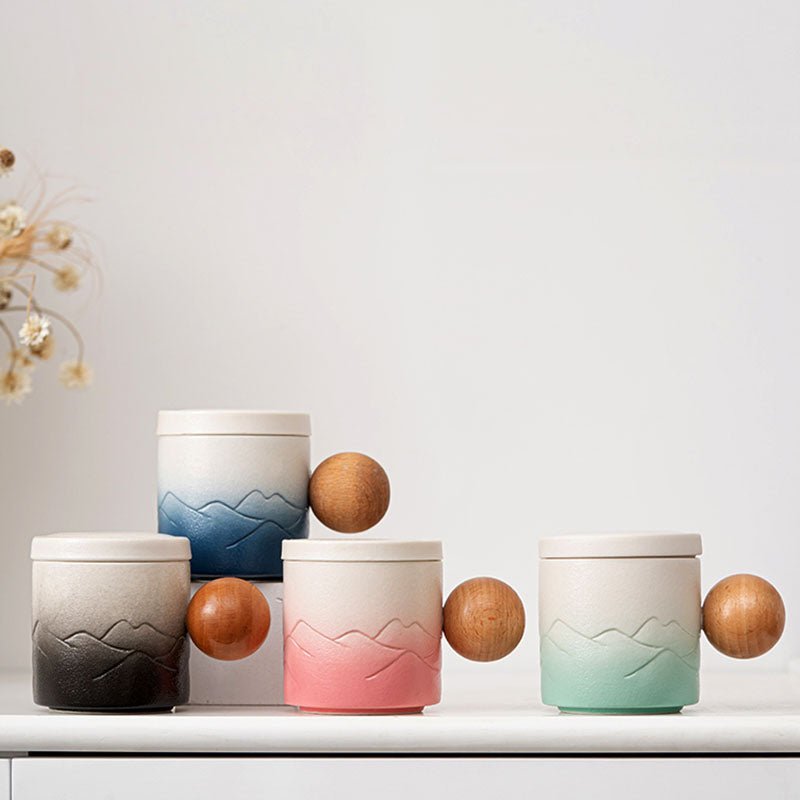
Big Coffee Mug: How to Choose the Right One for Daily Use
Reading time: about 7 minutes
A big coffee mug sounds simple until it lands on your desk and feels awkward in one hand, too heavy when full, or too wide for the coffee maker you already own. We see that mismatch all the time in our store: shoppers want more capacity, but they do not want a mug that is clumsy, hard to wash, or uncomfortable to drink from.
If you are comparing options, start with the basics that matter in real use: capacity, handle comfort, material, and how often you plan to wash it. For a broader comparison of large formats, our guides Big Coffee Cups: How to Choose the Right Large Mug for Daily Use and Big Coffee Cups: What to Check Before You Buy a Large Mug walk through the same buying checks we use when we evaluate mugs for our own catalog.
What makes a big coffee mug worth buying?
A good big coffee mug gives you room without turning into a kitchen nuisance. For most shoppers, that means enough capacity for a full pour with a little extra space for milk, cream, or a second refill, but not so much bulk that the mug dominates every sip.
In practice, the best large mugs usually do three things well:
- They hold enough coffee for a long morning without constant refills.
- They have a handle you can actually wrap your fingers around when the mug is full.
- They feel stable on a desk or counter, not top-heavy or easy to knock over.
That last point matters more than people expect. A mug can look perfect in photos and still feel wrong once it is filled with hot liquid. Weight distribution, base width, and wall thickness affect how the mug behaves in daily use.
How big should a big coffee mug be?
There is no single size that works for everyone. Many big coffee mug shoppers start around the 16 to 20 ounce range because that is large enough for a serious coffee drinker without becoming a two-handed vessel. Some buyers want even more capacity for tea, cocoa, or oversized pour-over servings, but bigger is not always better.
We usually recommend thinking in use cases:
- Office desk mug: enough volume for a long session, but not so wide that it takes over the keyboard area.
- Home morning mug: a shape that still fits under your coffee machine or brew setup.
- Gift mug: a size that feels generous without being comically oversized.
- Cold-weather mug: larger capacity can be useful if you want to keep a drink in hand longer.
If you are choosing between size and comfort, comfort usually wins. A mug that holds slightly less but feels better in the hand gets used more often.
Which material is best for a big coffee mug?
Material changes the whole experience. Ceramic and stoneware are the most common choices for a big coffee mug because they feel sturdy, look at home on a counter, and hold heat well enough for normal drinking. They are not identical, though. Stoneware often feels denser and more substantial, while lighter ceramic can be easier to lift and wash.
Here is how we think about the trade-offs in our store:
| Material | What it does well | Watch out for |
|---|---|---|
| Stoneware | Solid feel, good heat retention, everyday durability | Can be heavier when full |
| Ceramic | Balanced weight, easy daily use, common for gifting | Quality varies a lot between makers |
| Glass | Lets you see the drink, lighter visual profile | Can feel less insulated for hot coffee |
The finish matters too. A smooth glaze is easier to clean, but thin or uneven glazing can expose wear faster around the rim and handle. If you buy a mug for daily use, the rim, handle joints, and base should feel clean and consistent, not rough or wobbly.
What problems do we look for before we recommend a large mug?
We handle enough mugs to know the common failure points. The biggest complaints are not usually dramatic defects. They are small usability issues that show up after the first few days.
- Handle clearance: fingers should fit without scraping the mug body, especially when the mug is hot.
- Rim comfort: a thick, uneven, or sharp rim changes the drinking experience immediately.
- Base stability: a mug that rocks slightly on a table gets annoying fast.
- Weight when full: the mug should still feel manageable with one hand.
- Finish quality: look for glaze inconsistency, pinholes, or rough spots where the mug meets the table.
We also pay attention to practical care. If a mug is dishwasher safe, that is convenient, but real-world dishwasher cycles can still dull delicate finishes over time. If you want a mug to stay looking good, hand washing is gentler, especially for decorative pieces or textured glazes.
Is a big coffee mug right for everyday use?
For many shoppers, yes. A big coffee mug works especially well if you drink coffee slowly, sit at a desk for long stretches, or prefer one larger serving instead of multiple small cups. It is also a useful choice for tea drinkers, hot chocolate fans, and anyone who wants a mug that can double as a small soup bowl.
That said, a big coffee mug is not the best choice for everyone. It is usually a poor fit if:
- You use a compact espresso machine and need a smaller cup profile.
- You prefer quick-drying, lightweight drinkware for a packed lunch bag or commute.
- You have very small hands and dislike wide handles or heavier stoneware.
- You want the mug to fit neatly in a tight cabinet or low-profile coffee station.
For shoppers still narrowing the field, our Big Coffee Mug Buyer's Guide: Size, Comfort, and Daily Use goes deeper on the fit questions that matter before checkout.
How do you choose between one oversized mug and a smaller set?
This is a practical decision, not just a style one. One oversized mug is ideal if you know exactly how you drink coffee and want a single everyday vessel. A smaller set works better if your household drinks differently, or if you want a backup mug for guests, the office, or the dishwasher rotation.
We suggest comparing these points:
- How often do you refill now?
- Does your current mug feel too small, or just uncomfortable?
- Will the mug live on a kitchen shelf, desk, or in a cabinet with limited clearance?
- Do you want one signature mug, or a coordinated set?
If you are leaning toward a more distinctive pick, take a look at The Rock Coffee Tea Mug. It is a straightforward option for buyers who want a bold everyday mug rather than a delicate display piece. If you want to compare more styles side by side, our full collection of mugs and drinkware makes it easier to scan sizes and shapes in one place.
What should you check before you buy?
Before you place an order, we recommend a short checklist. This is the same kind of review we use when we decide what to stock.
- Check the listed capacity, not just the visual size in the photo.
- Confirm the mug works for your cleaning routine, especially if you prefer dishwasher use.
- Look at the handle shape and clearance, since this affects comfort more than decoration does.
- Think about where the mug will live: coffee bar, office desk, open shelf, or cabinet.
- Decide whether you want a heavy, grounded feel or a lighter mug you can lift easily.
We also recommend reading the product details with a practical eye. A mug that is great for one person can still be the wrong buy if it does not fit your machine, your shelf height, or your preferred drink volume.
Frequently asked questions
What size is considered a big coffee mug?
Most shoppers think of a big coffee mug as something larger than a standard cup, often in the 16 to 20 ounce range or beyond. The right size depends on how much you actually drink in one sitting and whether you want room for milk or foam.
Are big coffee mugs dishwasher safe?
Some are, some are not. Always check the product listing, because glaze type, decals, and handle construction can affect care instructions. Even dishwasher-safe mugs can last longer if you avoid repeated harsh cycles with heavy cookware.
Is a big coffee mug good for tea too?
Yes, especially if you like a long tea session or brew loose-leaf tea in a larger vessel. A big mug is less ideal for very small servings or teas you prefer to keep hot in a narrow cup.
What material is best for daily use?
For most buyers, ceramic or stoneware is the most practical choice. Both feel solid, hold up well on a kitchen counter, and are easier to live with than more fragile novelty materials.
Why does a big mug sometimes feel awkward?
Usually because the weight, handle clearance, or base width is off. A mug can be large on paper but still feel comfortable if the shape is balanced and the handle fits your grip.
If you want the fastest path to a good buy, compare capacity, handle comfort, and care instructions first, then browse the full collection to narrow down the mug shape that fits your routine.
Read more
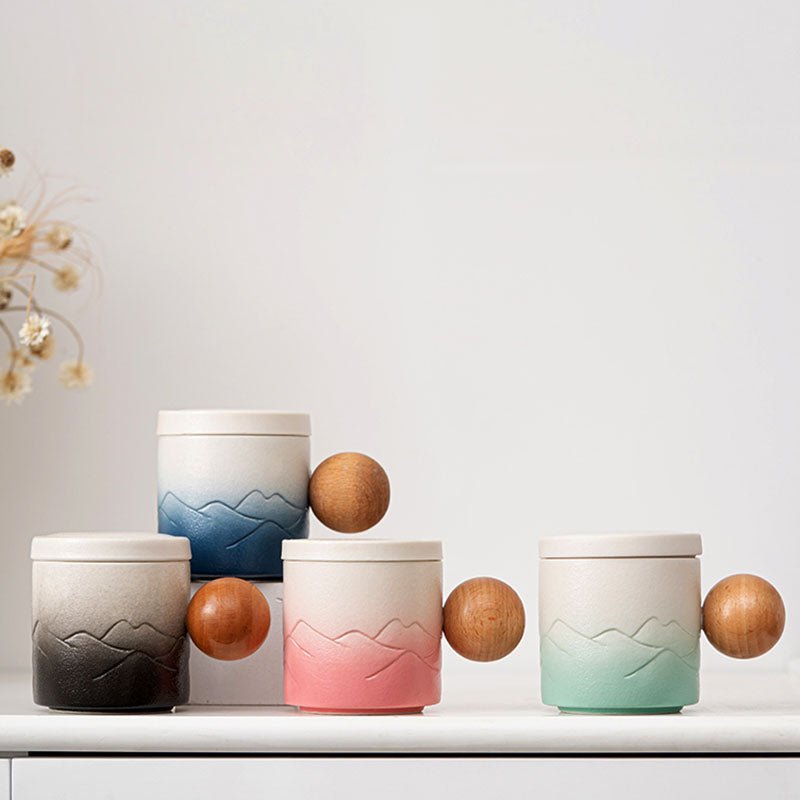
How to Remove Tea Stains from Mugs Without Damaging the Finish
Tea stains build up fast on glazed ceramic, porcelain, and stoneware mugs, especially around the rim and inside base. Here’s the safest way we clean them, plus what to avoid on matte, printed, and ...
Read more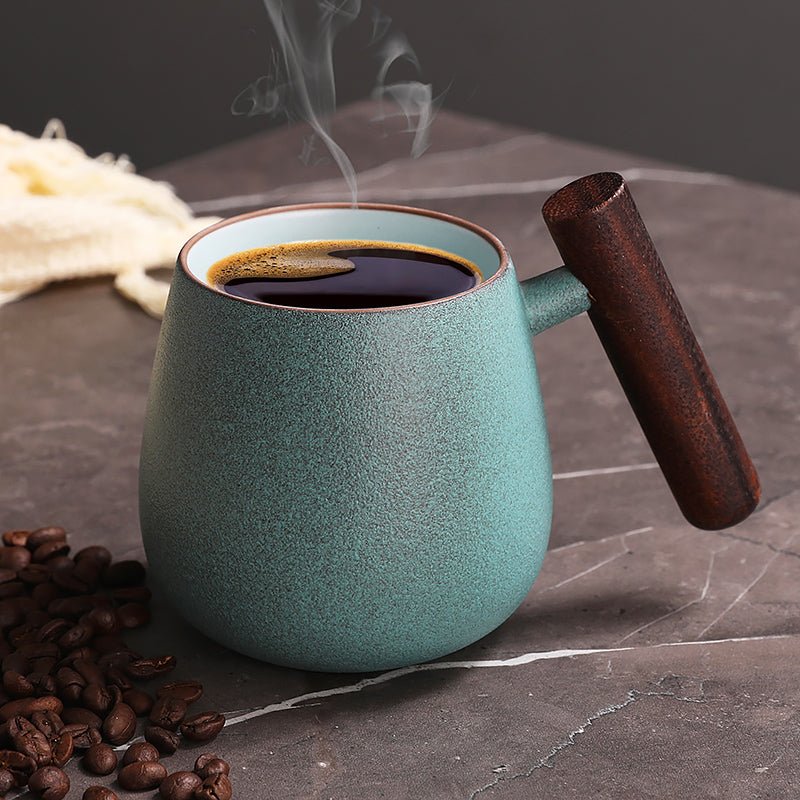
10 oz Coffee Mug: Size, Fit, and What to Check Before You Buy
A 10 oz coffee mug sits in the sweet spot for people who want a real drink without the bulk of a large cup. This guide breaks down size, fit, material, and the small details that matter before you ...
Read more
Leave a comment
This site is protected by hCaptcha and the hCaptcha Privacy Policy and Terms of Service apply.