
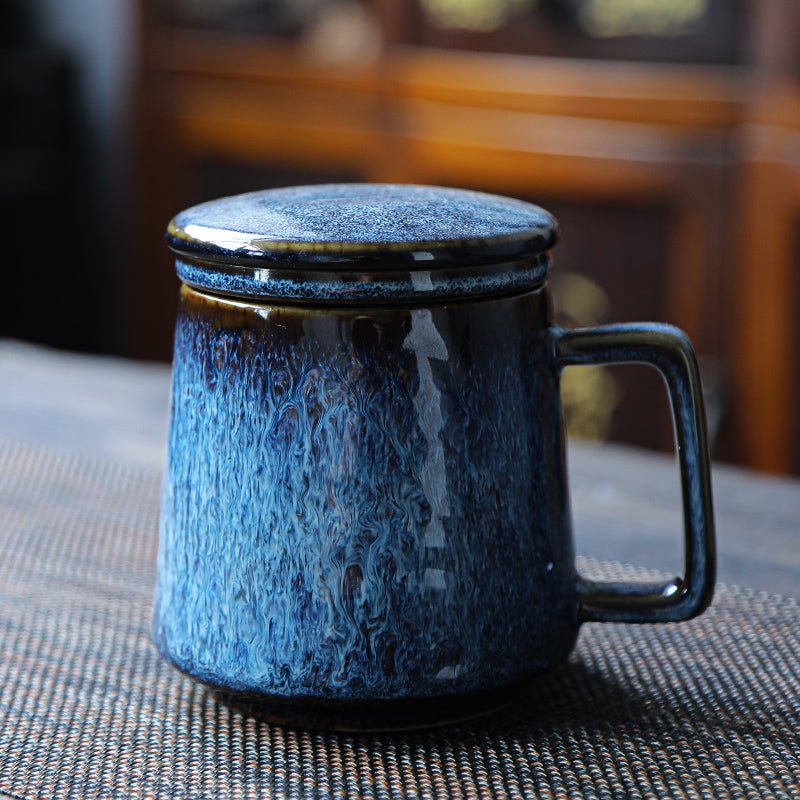
How Many Ounces in a Typical Coffee Mug? Buyer Guide
Reading time: about 9 minutes
A mug that says 12 oz on the listing can still feel small once you pour coffee, add milk, and leave room to carry it across the kitchen. We see this all the time in our store: shoppers expect a full 12-ounce drink, then realize the usable pour is closer to what they actually drink, not the brim measurement.
The short answer to how many ounces in a typical coffee mug is usually 8 to 12 ounces for a standard everyday mug, with many modern retail mugs sitting closer to 11 to 14 ounces on paper. The real-world number depends on shape, wall thickness, and how much headroom you leave so the coffee does not slosh on the way to a desk or couch.
How many ounces does a typical coffee mug actually hold?
For most buyers, a typical coffee mug falls into the 8 to 12 ounce range. That is the range people usually mean when they say a regular mug, a standard mug, or an everyday mug. Larger mugs can reach 14 to 16 ounces or more, but those are better thought of as oversized mugs, not the default size.
The trick is that mug capacity and drink capacity are not the same thing. A mug measured to the very rim may be labeled 12 ounces, but once you leave room for lifting, walking, and a splash of cream, the practical serving size is smaller. That gap matters most for people who drink hot coffee at a desk, in a car, or while moving around the kitchen.
Here is the useful way to think about it:
- 6 to 8 ounces: small coffee servings, tea, or a compact mug for stronger drinks.
- 8 to 12 ounces: the common everyday coffee mug size.
- 12 to 14 ounces: a larger mug that works well for people who add milk, foam, or extra coffee.
- 14 ounces and up: oversized mugs, best for big pours, soup, or long desk sessions.
If you want a broader breakdown of sizes and fit, our related guides on How Many Ounces Is a Coffee Mug? Sizes, Fits, and Buying Tips and How Many Ounces Is a Standard Coffee Mug? Buyer Guide cover the same question from a few different buying angles.
Why does a 12-ounce mug rarely feel like 12 ounces?
The number on a mug usually reflects brimful capacity, not the amount most people actually pour. That is the first place shopping confusion starts. A mug with a curved shoulder, thick ceramic walls, or a wide lip can lose usable space faster than you expect.
We also see a few common reasons the practical capacity feels smaller:
- Headroom: coffee splashes if the mug is filled to the top, so most people stop short.
- Add-ins: cream, milk, syrup, or whipped foam all take up space.
- Shape: a tapered mug often holds less at the top than a straight-sided mug of the same listed size.
- Handle clearance: some mugs are comfortable to hold but sacrifice internal volume to the handle and wall thickness.
That is why a 12-ounce mug can feel perfect for black drip coffee, yet feel tight for a latte or a morning cup with milk. The label is not wrong. It is just describing the full geometric volume, not the way real people drink from it.
Which mug size fits your daily coffee routine?
The right mug size depends on the drink, the setting, and how long you want the coffee to stay hot. Bigger is not automatically better. A very large mug can cool faster because there is more surface area exposed to air, and that is not ideal if you like hot coffee over a long sit-down breakfast.
| Mug size | Best for | What to expect |
|---|---|---|
| 6 to 8 oz | Espresso drinks, tea, small servings | Compact feel, less spill risk, less room for milk |
| 8 to 12 oz | Everyday drip coffee | Most balanced option for home and office use |
| 12 to 14 oz | People who add cream or want a longer pour | More forgiving, but heavier on the hand |
| 14 oz and up | Big coffee servings, soup, or all-day desk mugs | Can be bulky, slow to fit in small cabinets |
If you are comparing shapes instead of just numbers, look at the Planet Coffee Tea Mug, the Rhombus Coffee Tea Mug, and the Handbag Coffee Tea Mug. Different silhouettes change how the mug feels in the hand, how much coffee you actually pour, and how well it fits under a home coffee maker.
You can also browse our full all collection if you want to compare sizes, shapes, and giftable options in one place.
What details change real capacity and comfort?
Capacity is only part of the decision. A mug can be the right size on paper and still be awkward in daily use. In our experience, the buyers who are happiest pay attention to three practical details: material, rim shape, and handle feel.
Material matters because ceramic, stoneware, porcelain, and glass do not behave the same way. Ceramic and stoneware mugs feel sturdy and hold heat well, but they are usually heavier. Porcelain often feels lighter and cleaner in the hand, though it can show chips more obviously if it is knocked against a sink or counter. Glass lets you see the drink level, which some people love, but it can feel less insulating for long sipping sessions.
Rim shape changes how a mug drinks. A thin rim feels nicer for tea and black coffee. A thicker rim can make a mug feel more durable, but it may also make the drink feel a little less refined. If you like to sip directly from the mug, this is one of the first things we inspect.
Handle design affects whether a mug is comfortable at 8 a.m. with cold hands. A handle opening that is too small, or placed too high on a thick-walled mug, can make the mug feel clumsy even if the listed size is right.
There are also a few defect modes we watch for before shipping or recommending a mug:
- Hairline cracks around the base or handle join.
- Uneven bases that make the mug wobble on a flat counter.
- Glaze pinholes or rough spots near the rim.
- Chipped edges from impacts in dishwashers, sinks, or crowded cabinets.
For care, most glazed ceramic mugs handle normal dishwasher cycles well, but printed decals, metallic accents, or specialty finishes often last longer with hand washing. That is a practical trade-off, not a flaw. If you want a mug for daily dishwasher use, choose a finish that is meant for it.
What should you check before buying a mug online?
If you are shopping online, do not rely on the headline ounce number alone. That is the fastest way to end up with a mug that is technically correct and practically wrong for your routine. Use this checklist instead:
- Check the listed ounce capacity, then look for the diameter and height if they are provided.
- Ask yourself how much headroom you need for black coffee, milk, or foam.
- Compare the handle size to your hand, especially if you like a two-finger grip.
- Look for the care instructions before you buy, not after the first wash.
- Decide whether you want a mug for desk use, home use, or gifting, because those use cases do not need the same shape.
If you are buying a gift, a safer middle ground is usually an 8 to 12 ounce mug. It works for coffee drinkers, tea drinkers, and most desk setups. If the person drinks very large American-style coffees, move up a size. If they prefer espresso, cortado, or a smaller pour, go down.
For shoppers who want more context before deciding, our article How Many Ounces in a Typical Coffee Mug? Buyer Guide and How Many Ounces in a Coffee Mug? Real Sizes and Buying Tips are useful follow-ups. They compare real mug sizes in a way that helps you choose based on how you actually drink.
What size do we usually recommend for most shoppers?
For most people, we recommend an 8 to 12 ounce mug. It is the most flexible range for home coffee, office desks, and gift buying. It gives you enough room for a normal pour without becoming too bulky to store, wash, or carry from the coffee maker to the table.
We would not steer everyone to the same size, though. If you routinely make a large pour and want room for milk, step up. If you want a smaller cup that stays hot and feels lighter in the hand, step down. That trade-off is the real buying decision.
One more practical point: if you care about cabinet space, a slightly shorter mug can be easier to stack and less likely to chip on crowded shelves. If you care about the drinking experience, a narrower mouth can help heat retention. Small details like that matter more than the marketing language on the listing.
Frequently asked questions
Is a 12 oz coffee mug the same as 12 oz of coffee?
Not usually. A 12 oz mug is often measured to the brim, while most people leave some space at the top so the drink is easier to carry. Once you add milk or foam, the amount of coffee you actually pour is lower than the full rated capacity.
What is the best mug size for drip coffee?
For most drip coffee drinkers, 8 to 12 ounces is the best range. It gives enough room for a standard pour without making the mug heavy or awkward. If you like a larger breakfast mug, 12 to 14 ounces can work better.
Are larger mugs better for office desks?
Sometimes, but not always. Larger mugs reduce refill trips, which is useful if you sit at a desk for a long stretch. The trade-off is more weight, more cooling surface, and a bigger footprint on a crowded workspace.
Can I put a ceramic coffee mug in the dishwasher every day?
Most glazed ceramic mugs can handle daily dishwasher use, but the finish matters. Printed designs, metallic accents, and some specialty glazes last longer with hand washing. If the mug has a hairline crack or chip, frequent dishwasher cycles can make the damage worse.
What mug size is best if I add milk or foam?
Go a little larger than you think you need. A 12 to 14 ounce mug usually gives enough room for milk, foam, or cream without overfilling. Smaller mugs can work, but they leave very little margin once the drink is mixed.
If you are deciding between sizes, compare the usable pour, not just the number on the label. That is the difference between a mug that looks right in a photo and one that works on your counter every morning.
Use the size range that fits your coffee habit, then compare shape, handle comfort, and care needs before you buy. If you want a practical next step, start with our all collection and compare a standard 8 to 12 ounce mug against a larger option before you decide.
Read more
Best Coffee Portable Mug: What to Compare Before You Buy
A practical buyer’s guide to the best coffee portable mug, with the trade-offs that matter in daily use: lid seal, size, heat retention, and ease of cleaning.
Read more
Black Coffee Mugs: What to Look For Before You Buy
Black coffee mugs look simple, but finish, size, handle shape, and glaze quality change how they feel every day. Here’s how we help shoppers compare options before buying.
Read more
Leave a comment
This site is protected by hCaptcha and the hCaptcha Privacy Policy and Terms of Service apply.