
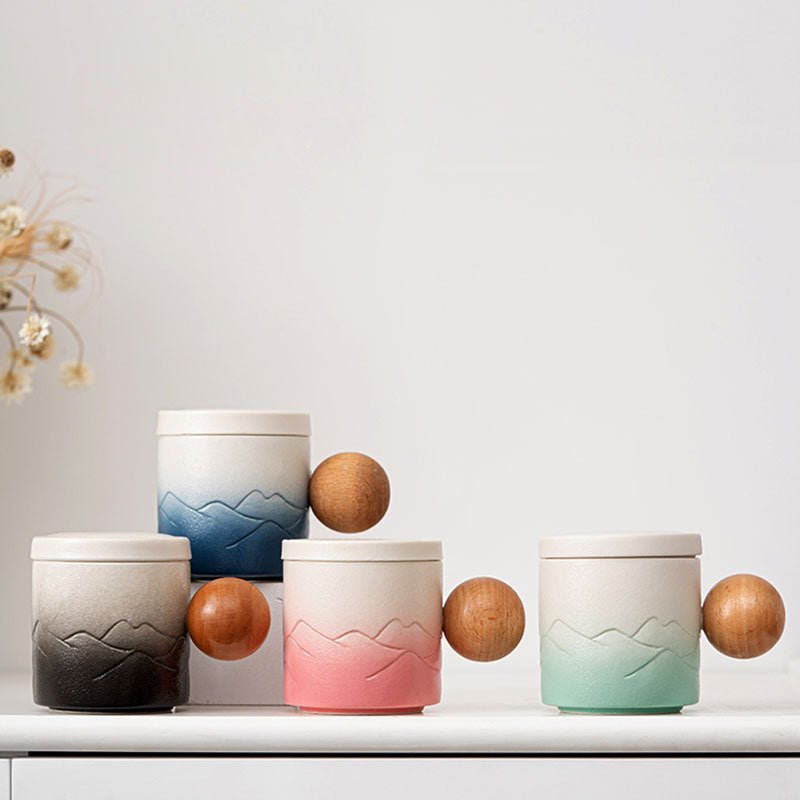
Coffee Mugs Made in America: How to Compare Materials and Daily Use
Reading time: about 8 minutes
Kitchen mugs get judged fast. A cup that wobbles on the counter, feels too heavy by the third refill, or comes out of the dishwasher with a tired-looking rim gets pushed to the back of the cabinet.
That is why shoppers comparing coffee mugs made in america usually care about more than origin. They want a mug that feels balanced in the hand, fits their brew size, and survives daily use on a kitchen counter or office desk. In our store, we look at the foot ring, the handle clearance, and the glaze finish first, because those details decide whether a mug becomes a daily pick or just another shelf piece.
What should you check first in coffee mugs made in america?
Start with the claim itself, then move to the parts you can actually feel and use. A mug can be made in America, designed in America, or packaged here, and those are not the same thing. If the listing does not say what is made where, ask before you buy.
We usually check four things first:
- Origin wording - Look for clear language about where the mug is formed, fired, decorated, and packed.
- Material - Ceramic, stoneware, and porcelain each feel different in the hand and behave differently with heat.
- Handle fit - A handle should leave enough room for two or three fingers without pinching.
- Daily-use fit - Think about drip coffee, tea, office use, or gifting instead of just the photo on the product page.
That approach keeps the conversation practical. A mug can look great on a screen and still fail if the base rocks on a flat counter or the lip feels awkward on the first sip. If you want a broader comparison framework, our guide American Made Coffee Mugs: How to Compare Materials, Sizes, and Everyday Use covers the same category from a buyer-first angle.
Which material fits your routine best?
Material matters because it changes the feel, the weight, and how long a mug holds warmth in the hand. Some shoppers want a solid mug that feels substantial on a desk. Others want something lighter so the mug does not feel clumsy on an early morning pour.
| Material | What it feels like | Best for | Trade-off |
|---|---|---|---|
| Ceramic | Balanced, familiar, and easy to live with | Everyday coffee, office desks, gifting | Can chip if knocked against sinks or hard counters |
| Stoneware | Thicker walls and a heavier, grounded feel | People who like a sturdier mug and slower heat loss | Heavier in the hand and slower to warm up |
| Porcelain | Thinner rim and a lighter, more refined sip | Buyers who prefer a cleaner lip feel | Can feel less rugged for rough daily handling |
For most buyers, ceramic is the safest everyday pick. Stoneware suits someone who wants a mug with more presence. Porcelain works well if the sip itself matters more than a heavy handfeel. None of these are ideal if you need a travel mug, a sealed lid, or a cup-holder-friendly shape. A standard mug is for the kitchen, the breakfast table, or the office desk, not the commute.
We also avoid assuming care labels. Microwave and dishwasher performance depend on the clay body, glaze, and any printed decoration, so we always check the product page instead of guessing. That is one of the biggest differences between a mug you will use casually and a mug you will baby every time you wash it.
How do handle shape, rim thickness, and base shape change the feel?
This is where a mug becomes either comfortable or annoying. Handle geometry sounds minor until you are carrying a full cup from the coffee machine to your desk with one hand and a phone in the other. Rim thickness also changes the drink experience more than most shoppers expect.
Three details matter most:
- Handle clearance - A handle should leave room for your fingers without scraping knuckles against the mug wall.
- Rim thickness - A thicker lip can feel sturdier, while a thinner rim usually feels cleaner on the sip.
- Base balance - A flat, stable foot ring helps the mug sit securely on a glossy kitchen counter or crowded office desk.
We pay close attention to wobble because it is one of the fastest ways to turn a pretty mug into a frustration. A cup that sits unevenly can feel unstable on a laptop desk, a breakfast tray, or a stacked dish rack. A slightly heavier base can be a plus here, especially for buyers who drink while moving around the house.
Our practical rule is simple: a mug should feel steady before it ever feels decorative. A nice print is a bonus. A comfortable handle and a flat foot ring are what keep it in rotation.
There is a trade-off here. A thick-walled mug can hold heat better and feel durable, but it may be too heavy for someone who wants a light morning cup. A thin, elegant mug can look refined, but it may feel too delicate for rough dishwashing or a busy shared kitchen.
Which mug fits which kind of buyer in our store?
If you are comparing styles, start with our full range in the collection, then narrow by how the mug will actually be used. We prefer to think in use cases, not just style names.
- Landscape Coffee Tea Mug - a strong fit if you want a mug that reads like a gift piece or a desk piece with more visual character.
- The Gradient Coffee Tea Mug - a good pick if you want a cleaner, more modern look that still feels personal.
- Retro Coffee Tea Cup - best for shoppers who like a nostalgic profile and a more casual table feel.
These are not travel mugs, and they are not the right choice if you need a sealed lid or a mug that has to survive a commute. They make more sense for home coffee, office coffee, or gifting where the presentation matters but the mug still has to work every day. If you are still comparing styles, the closest buyer guide on our blog is American Made Coffee Mugs: How to Compare Materials, Sizes, and Everyday Use.
What do we inspect before a mug reaches our shelf?
We look for the kinds of issues that show up after the unboxing excitement fades. A mug can photograph well and still have a problem that only becomes obvious on the first wash or the first time you set it on a glass-top desk.
The common issues we watch for are straightforward:
- Glaze pinholes or tiny surface flaws that break the finish.
- Uneven foot rings that make the mug rock on a flat surface.
- Handle seams or joins that feel rough under the fingers.
- Rim chips, even small ones, because they show up every time you drink.
- Print misalignment or weak color edges on decorated mugs.
Those are not theoretical problems. They are the things customers notice when they unwrap a mug, rinse it, and carry it from the sink to the coffee machine. That is also why we do not treat every decorative mug as if it should behave like a heavy-duty workhorse. Some mugs are built for everyday use. Others are better as display pieces, occasional-use gifts, or desk accents.
If you want a second opinion on the buying process before you place an order, Coffee Mugs Made in the USA: What Buyers Should Check Before Ordering is the most direct companion read.
What do coffee mugs made in america usually work best for?
They work best for buyers who want a practical mug with a clear story behind it. That usually means home coffee, office coffee, gift sets, and daily tea rather than outdoor travel or minimalist packing.
They are especially useful if you care about a few concrete details:
- A comfortable handle that does not fight your grip.
- A stable base that sits well on a kitchen counter or desk.
- A glaze or finish that still looks clean after repeated washing.
- A design that you are happy to leave on the counter instead of hiding in a cabinet.
They are not the best fit if your main goal is ultralight packing, spill-proof commuting, or a super thin cup for a formal espresso setup. In those cases, a travel mug, demitasse cup, or double-walled vessel is the better category.
Frequently asked questions
Are coffee mugs made in america usually ceramic or stoneware?
Most buyers will see ceramic or stoneware first because those materials are common for everyday mugs. Ceramic usually feels a bit more balanced, while stoneware tends to feel thicker and heavier. The right choice depends on whether you want a lighter sip or a mug with more weight in the hand.
How can I tell if a mug is truly made in america?
Read the product listing carefully and look for exact origin wording. If the page only says designed in the USA or decorated in the USA, that is different from fully made there. When the wording is unclear, ask before you order so there is no guesswork.
Are decorated coffee mugs made in america safe for the dishwasher?
Sometimes yes, sometimes no. The answer depends on the glaze, the print method, and whether there are any metallic details or delicate surface treatments. We always recommend checking the care notes on the product page before assuming dishwasher use is fine.
What size coffee mug is best for drip coffee?
Most drip coffee drinkers want a mug that feels comfortable to hold without being oversized. If the mug is too small, you are refilling too often. If it is too large, the coffee can cool before you finish it, and the handle may feel less balanced.
Are these mugs good for office desks?
Yes, as long as the base is stable and the handle is comfortable for repeated use. A mug that sits flat and does not feel top-heavy is usually the better desk choice. If your desk is crowded, avoid mugs that are so wide or awkward that they crowd the keyboard or mouse area.
If you want the fastest path to a short list, start with our collection, compare the handle shape and base stability on the product pages, and then pick the mug that fits the way you actually drink coffee every day.
More from our blog
Read more
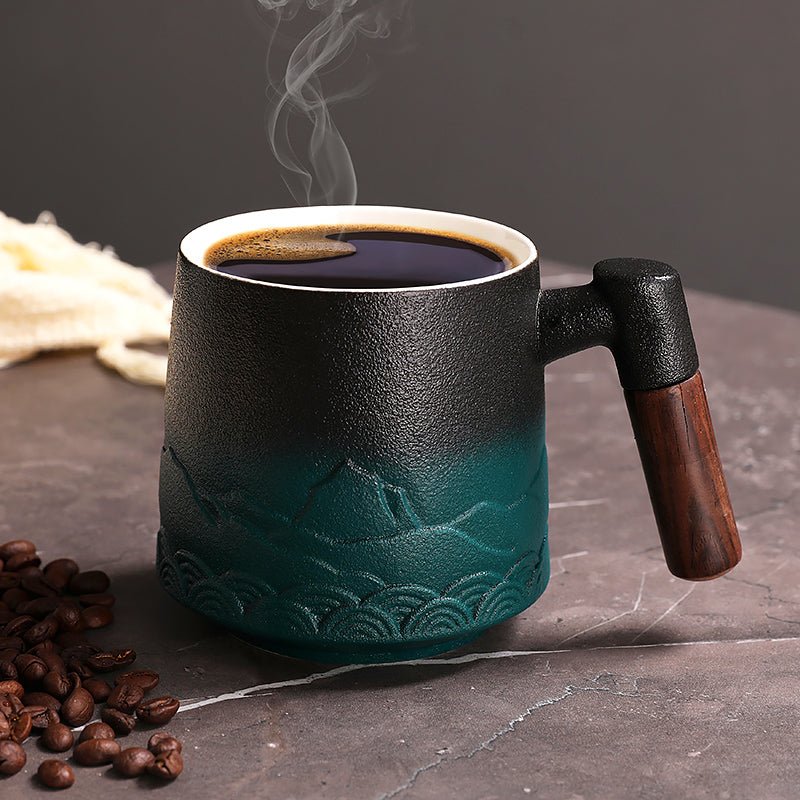
Royal Blue Coffee Mugs: What to Check Before You Buy
Royal blue coffee mugs look rich on a shelf, but the finish, base, and handle shape decide whether they work in daily use. This guide breaks down what to check before you buy and how our blue mugs ...
Read more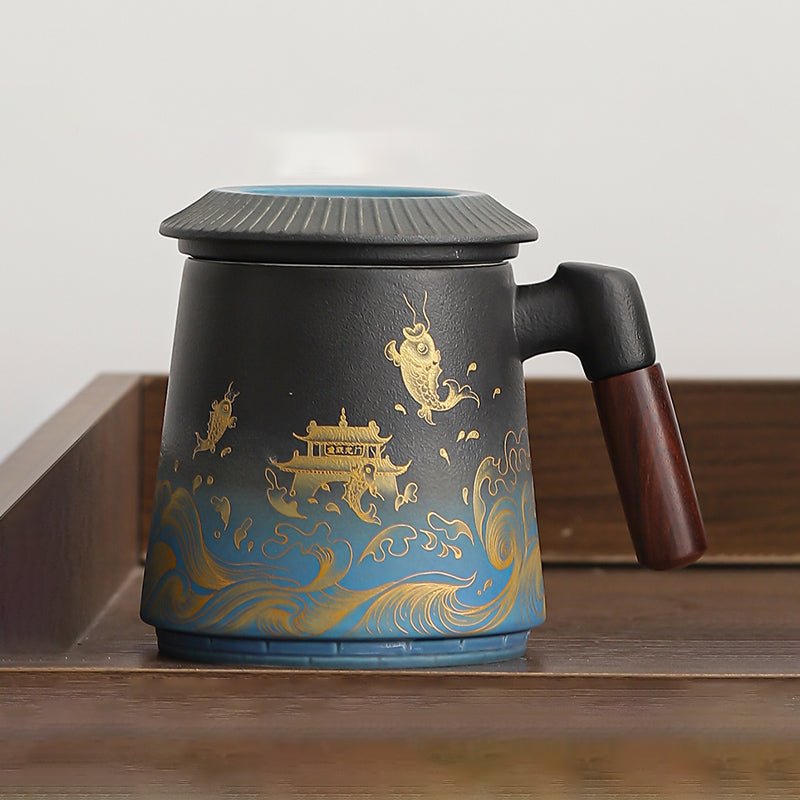
Fish Coffee Mug Buying Guide: Style, Size, and What to Check
A fish coffee mug can be a fun desk piece or a practical daily cup, but the details matter. We break down size, handle comfort, care, and the trade-offs worth checking before you buy.
Read more
Leave a comment
This site is protected by hCaptcha and the hCaptcha Privacy Policy and Terms of Service apply.