
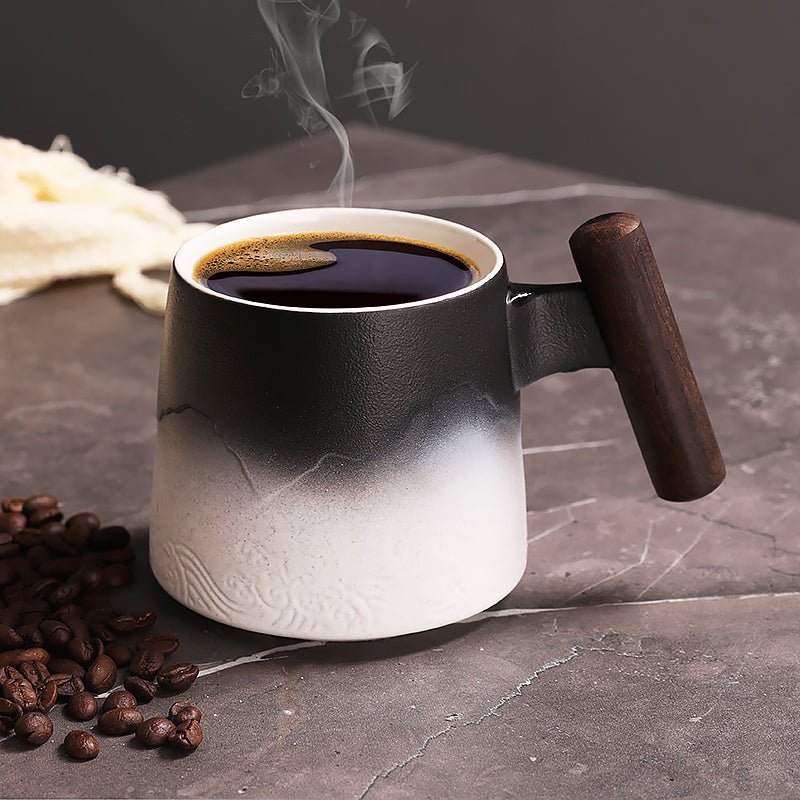
Ceramic Lid Coffee Mug: What Buyers Should Check Before They Buy
Reading time: about 10 minutes
A lid that looks neat in the product photo can feel very different once you set the mug down on a desk, carry it from the kitchen, or try to sip with one hand while answering email. That is usually where a ceramic lid coffee mug either earns a permanent spot in the routine or gets pushed to the back of the cabinet.
We handle this category as an everyday-use product, not just a pretty shelf piece. In our store, we see buyers comparing lid fit, cup weight, opening size, and how the mug behaves after a few dishwasher cycles. If you are comparing options now, the most useful thing you can do is focus on the small details that affect real use. For a broader look at the category, our collection of ceramic mugs and drinkware is a good starting point, and our product pages show the styles we currently carry at products.
What makes a ceramic lid coffee mug worth buying?
A good ceramic lid coffee mug should solve three everyday problems: keep dust out, reduce splashes during a short walk from kitchen to desk, and feel comfortable enough to use every day. It is not the same thing as a true travel mug, and that distinction matters. Ceramic drinkware with a lid is usually best for home, office, studio, or gift use where you want a cleaner-looking mug with a bit more protection than an open cup.
The parts we pay attention to are simple but important:
- Body material: ceramic should feel dense and evenly finished, without rough glaze spots on the rim.
- Lid material: many lids are ceramic or fitted ceramic-style covers; either way, the fit should sit securely without wobbling.
- Rim and handle comfort: the drinking edge should feel smooth, and the handle should allow a full grip without pinching knuckles.
- Capacity: common daily-use sizes often land around 10 to 14 oz, which works well for drip coffee and tea without making the mug bulky.
That said, a ceramic lid coffee mug is not ideal for commuters who need leak resistance in a bag. If you want that kind of movement, a true travel mug is the better fit. We cover that trade-off more directly in our Ceramic Travel Coffee Mug with Lid: What Buyers Should Check Before Buying guide.
How should the lid fit on a ceramic mug?
Lid fit is where buyers often notice the difference between a mug that feels intentional and one that feels like an afterthought. A ceramic lid should rest evenly without rocking. If it is too loose, it can slide when you move the mug. If it is too tight, it can be frustrating to remove and may chip the rim over time if you force it on and off repeatedly.
In practice, we look for a lid that:
- Seats cleanly on the mug opening without visible gaps on one side.
- Can be removed with one hand without straining.
- Does not scrape the glaze or feel gritty where it meets the cup.
- Stays put on a desk when someone bumps the table lightly.
There is a trade-off here. A snug ceramic lid helps with dust protection and splash control, but it is not a sealed system. If you need a mug to survive inside a backpack beside papers or electronics, the better purchase is something designed specifically for travel, not a desktop ceramic cup with a lid.
In our experience, the best lid is the one you barely notice during a normal coffee break. If you have to fight it every morning, the mug is working against you.
Which materials and finishes hold up best in daily use?
Ceramic drinkware is not all the same. Body thickness, glaze quality, and lid construction change the way the mug feels and how long it stays looking clean. A well-made ceramic mug usually has a smooth, even glaze on the inside and outside, with no pinholes, rough seams, or sharp edge near the drinking lip. Those flaws can collect residue or make the mug less pleasant to use.
Three practical details matter more than shoppers expect:
- Glaze finish: glossy finishes tend to wipe clean easily, while matte finishes can show tea or coffee marks faster if the glaze is not dense.
- Wall thickness: slightly thicker ceramic usually feels sturdier in the hand and helps keep the drink warm a bit longer, though it can make the mug heavier.
- Handle placement: a handle that sits too close to the body can feel cramped, especially for larger hands or for people who lift the mug with a full cup inside.
If you buy mugs for the office or for guest use, consistency matters. A set of mugs that match in finish and weight looks more polished on an open shelf and feels more reliable when people grab one without thinking. If you are comparing ceramic cup shapes and everyday fit, our article Ceramic Coffee Mug Buying Guide: What to Check Before You Buy covers the basics we think through before we add anything new to our assortment.
What size should you choose for coffee, tea, or office use?
Size changes the whole experience. A smaller mug may keep coffee tasting fresher if you drink it quickly, while a larger mug is more forgiving during a long work session. For most buyers, a ceramic lid coffee mug in the 10 to 14 oz range is the sweet spot for drip coffee, pour-over, tea, and milk-based drinks. Larger sizes can work well, but they also get heavier and may be harder to hold comfortably when full.
| Use case | What usually works best | Why it matters |
|---|---|---|
| Short morning coffee | 10 to 12 oz | Less bulky, easier to finish before the drink cools too much |
| Desk coffee or tea | 12 to 14 oz | Good balance of capacity and comfort for longer sipping |
| Milk drinks or larger pours | 14 oz and up | Room for extra volume, but the mug may feel heavier |
One limitation to keep in mind: bigger is not always better. A large ceramic mug can be awkward in a small microwave, and some oversized handles can crowd the hand when the mug is full. If the mug will mainly live on a kitchen counter or office desk, comfort usually beats maximum capacity.
How should you clean a ceramic lid coffee mug?
Care is one of the easiest places to be realistic. Most ceramic mugs are straightforward to wash, but the lid changes the routine slightly. A mug that goes into the dishwasher without issue is convenient, yet the lid may collect coffee residue around the edge or show wear faster if it has decorative paint, a tight fitting lip, or a specialty finish.
Our practical care checklist is simple:
- Rinse the mug soon after use if you drink dark roast or tea, which can leave staining on lighter glazes.
- Check the lid edge for residue where it touches the rim.
- Dry both pieces fully before stacking to avoid trapped moisture.
- Avoid sudden temperature shock, such as moving a cold mug straight into very hot water, because ceramic can crack under stress.
If you want a mug that is easy to clean after repeat office use, choose smooth glaze and a lid shape without hard-to-reach grooves. If the lid has deep channels, decorative ridges, or a very tight inner ring, it may look attractive but take longer to maintain. That is one of the hidden trade-offs we see shoppers miss at first glance.
Is a ceramic lid coffee mug good for commuting or just for the desk?
Mostly for the desk, kitchen, or home office. That is the honest answer. A ceramic lid coffee mug can reduce splashes and keep dust off your drink, but ceramic is still ceramic. It is heavier than stainless steel, more breakable if dropped, and typically not leak-proof.
That makes it a strong pick for:
- Kitchen counters and breakfast tables
- Office desks and meeting rooms
- Gift boxes where presentation matters
- Work-from-home setups where you want a more polished look than a disposable cup
It is not the best choice for:
- Car cup holders and commute-heavy use
- Backpacks or tote bags
- Jobs where the mug may get knocked around frequently
If your main concern is spill control during movement, read our Coffee Lid Mug: What Buyers Should Check Before They Order guide before you choose. It helps separate true travel needs from casual lid use.
What defects or problems should you watch for before ordering?
We inspect this category with a few common failure points in mind. These are the details that separate a mug you enjoy from one that becomes a return request.
- Uneven lid fit: one side lifts higher than the other, which usually means the opening or lid is not well matched.
- Rough glaze on the rim: can feel uncomfortable when drinking and may indicate rushed finishing.
- Hairline cracks or chips: sometimes visible around the base, handle junction, or lid edge.
- Weak handle attachment: a handle that looks thin where it meets the cup can feel less reassuring under a full pour.
- Staining-prone interior: lighter interiors look clean at first but may show tea marks faster if the glaze is not dense.
These are not rare, dramatic defects. They are the everyday issues shoppers notice only after the mug arrives. That is why we encourage buyers to compare product photos closely and read the product details, not just choose based on color. If you want to see our current ceramic mug options in one place, start with our full collection and compare shape, lid style, and capacity side by side.
How do you choose between a ceramic mug with lid and a travel mug?
The right answer depends on where the mug spends most of its day. A ceramic lid coffee mug is better if you care about the feel of the drink, the look on the table, and the easy ritual of lifting a mug with a handle. A travel mug is better if you need transport security and temperature retention for longer stretches.
Here is the simplest way to decide:
- Choose ceramic with lid if the mug will stay mostly at home or at a desk.
- Choose travel-style insulation if you move between rooms, cars, or commutes.
- Choose ceramic without a lid if you want the lightest, simplest cup and do not need splash protection.
If you are still deciding, our related guide Ceramic Coffee Mug with Lid: What to Check Before You Buy is a helpful next read because it focuses on the fit and build details that matter most before checkout.
Frequently asked questions
Does a ceramic lid coffee mug keep coffee hot for long?
It helps a little, but it is not insulated like a double-wall travel mug. The lid can slow heat loss from the top, which is useful at a desk, but ceramic itself still gives off heat naturally. If you sip coffee over a long stretch, a travel mug is the better choice.
Can I put a ceramic lid coffee mug in the dishwasher?
Many ceramic mugs are dishwasher-safe, but you should always check the product details for the mug and the lid. Even when dishwasher-safe, repeated high-heat cycles can wear decorative finishes over time. Hand washing is the safest option if the mug has a delicate glaze or printed design.
Is a ceramic lid coffee mug leak-proof?
No, not in the way a sealed travel mug is. A ceramic lid usually helps with splash control and dust protection, but it is not made to be tipped sideways in a bag. If you need real leak resistance, choose a travel mug designed for that purpose.
What size ceramic lid coffee mug is best for daily coffee?
Most buyers do well with 10 to 14 oz. That range works for drip coffee, tea, and most standard home pours without making the mug too heavy. If you like larger drinks or milk-based coffee, a bigger size may suit you better, but it can feel bulkier in the hand.
What should I check before buying one online?
Check lid fit, capacity, glaze quality, handle comfort, and care instructions. Those details tell you more than the photo alone. We also recommend looking at whether the mug is better for desk use or travel, because that one choice changes satisfaction more than most buyers expect.
If you are ready to compare styles, start with the sizes and lid shapes in our collection, then match the mug to how you actually drink coffee: at a desk, at home, or on the move. That quick check usually saves buyers from choosing the wrong type the first time.
More from our blog
Read more
Harley Davidson Coffee Mug: What to Check Before You Buy
A practical guide to choosing a Harley Davidson coffee mug for daily use or gifting. We cover size, material, care, and the trade-offs that matter before you buy.
Read more
Coffee Cake Mug Cake: How to Make It Work in the Right Mug
A coffee cake mug cake is quick, cozy, and best when the mug size, batter texture, and microwave time all line up. Here’s what actually matters, what can go wrong, and how to choose the right mug f...
Read more
Leave a comment
This site is protected by hCaptcha and the hCaptcha Privacy Policy and Terms of Service apply.