
Wood Cups for Daily Coffee: What to Check Before You Buy
Reading time: about 8 minutes
A mug that looks good on a product page can still fail the first time it sits on a crowded office desk, gets rinsed too quickly, or comes out of the sink with a handle that feels rough at the seam. That is usually where wood cups are won or lost. The shape matters. The finish matters more. And the care routine matters most of all.
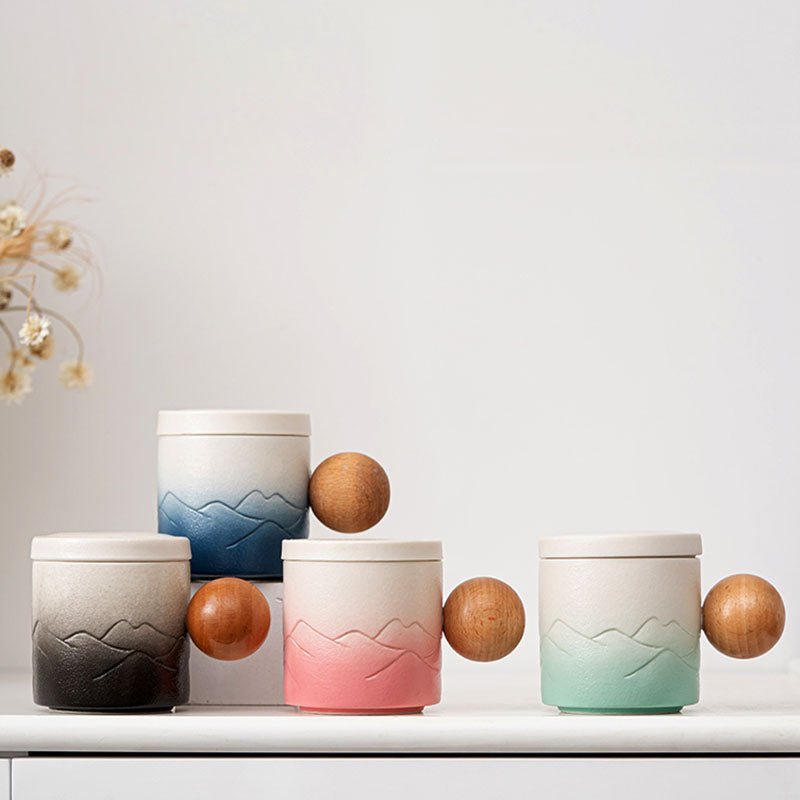
We use the term wood cups carefully in our store. Most shoppers searching that phrase are really looking for cups with wooden handles or wood accents, not a solid wooden drinking vessel for everyday coffee. For hot drinks, a ceramic body with a properly finished wooden handle is usually the more practical buy. You get the visual warmth people want, while the part that touches your drink stays stable, familiar, and easy to live with.
If you want to compare styles first, start with our full collection, then narrow down from there. Two good examples from our lineup are the Mountain Sea II Coffee Tea Mug with Wooden Handle and The Cloud Coffee Tea Mug with Wooden Handle. They solve the same buying problem in slightly different ways: one feels more sculptural, the other more minimal and quiet.
What are wood cups, really?
In shopping searches, wood cups can mean a few different things. Some people mean actual wooden cups or tumblers. Others mean ceramic mugs with a wood handle or wood-inspired finish. For daily coffee and tea, the second category is usually the one that makes sense.
Solid wood drinkware has a different maintenance profile. It can be beautiful, but it is not the most forgiving option for hot liquids, frequent washing, or a shared kitchen where cups are stacked, rinsed, and used hard. A ceramic cup with a wooden handle gives you a more realistic daily-use balance. The cup body handles heat and cleaning better, while the handle adds the natural look that makes the piece feel less generic.
That is also why we see these pieces chosen for a few specific moments:
- A desk mug that looks better than a standard office cup.
- A breakfast-table mug that feels a little more thoughtful than the usual white ceramic.
- A gift that feels personal without being fragile or decorative-only.
If your goal is display-first drinkware that never gets used, almost any attractive cup can work. If your goal is a mug that moves from cabinet to counter to sink every day, the details below matter.
What should you check before buying wood cups?
The best way to shop wood cups is to inspect the parts that fail in real life, not just the parts that photograph well. Our own returns and customer questions tend to fall into the same few categories: rough handle joins, finishes that feel uneven after washing, and cups that look light in photos but feel awkward once filled.
Here is the quick checklist we use in our store:
| What to check | What good looks like | What to avoid |
|---|---|---|
| Handle join | Smooth transition from wood to cup, with no wobble or sharp edge | Gaps, visible rocking, or a seam that feels unfinished in the hand |
| Interior surface | Glazed, easy to rinse, and free of rough spots where coffee can cling | Porous or gritty surfaces that stain quickly or hold odor |
| Handle finish | Even sanding and a finish that stays comfortable after repeated use | Fuzzy grain, sticky coating, or dull patches after a few washes |
| Balance | A base that sits flat and does not tip when the mug is full | A narrow base that feels unstable on a desk or tray |
| Care instructions | Clear guidance for washing and drying the wood area separately | No care direction at all, especially if the handle is unfinished wood |
Those five points sound basic, but they are where long-term satisfaction starts. A mug can have a nice silhouette and still be annoying to use if the handle is too small for larger hands, or if the wood finish starts to dull after a few dish cycles. If you want the shorter version of this checklist, we already covered it in Wood Cups: What to Look for Before You Buy.
One more practical note: if you want a mug that can live in the dishwasher every single day without extra thought, a fully ceramic or stainless option is usually a better fit. Wood accents add character, but they also add a care step.
Which style fits coffee, tea, or gifting?
Style matters more than most people expect, because it affects where the mug ends up. A mug that looks right on a kitchen shelf gets used. A mug that looks a little awkward usually gets pushed aside. In our experience, that is especially true for gift buyers, who want the mug to feel personal without becoming fussy.
Here is how we usually break it down:
| Buyer goal | Better fit | Why it works |
|---|---|---|
| Natural, slightly sculptural look | Mountain Sea II Coffee Tea Mug with Wooden Handle | It reads more decorative while still staying practical for daily coffee or tea |
| Clean, minimal look | The Cloud Coffee Tea Mug with Wooden Handle | It feels quieter on a desk, in a kitchen cabinet, or as a gift for someone who likes simple lines |
| Lowest-maintenance everyday routine | Fully ceramic mug | Better if you want the easiest wash-and-go setup and do not want to think about the handle finish |
If you are comparing looks as much as function, our article on Beautiful Coffee Cups That Look Good and Hold Up Daily is a useful next read. It focuses on the part people often skip: what still looks good after a normal week of use, not just after the unboxing photo.
A good wood cup should not feel delicate. It should feel intentional. That means the wood detail should add warmth without forcing you into a display-only mindset.
How do you care for wood cups without shortening their life?
The care routine is where a lot of wood cups get misused. The wood itself does not want the same treatment as the ceramic body. If you treat both parts exactly the same, the handle area usually shows it first.
We recommend a simple routine:
- Rinse the mug soon after use so coffee oils do not sit on the interior.
- Wash with a soft sponge or cloth rather than an abrasive pad.
- Keep the wooden handle out of standing water.
- Dry the handle and the seam where the wood meets the cup before putting it away.
- Check the join every so often for looseness, roughness, or finish wear.
That last step matters. The common failure modes we see are not dramatic; they are slow. The handle feels a little less smooth. The finish looks a little dry. The seam starts to collect residue because it is harder to wipe clean. None of those problems means the mug is ruined, but they do mean you need to change how you clean it.
Wood cups are also not the best choice if you regularly leave dishes to soak overnight, run everything through a very hot dishwasher cycle, or need a mug that can sit in a sink full of water without a second thought. If that is your routine, choose something simpler.
A wooden handle should feel warm in the hand, not demanding in the sink.
When are wood cups the wrong choice?
We do not treat wood cups as a universal answer, because they are not. They are a better fit for a specific kind of buyer: someone who wants a softer, more natural look and is willing to give the handle a little care.
They are probably not the best pick if you:
- Want one mug to survive constant dishwasher use with no extra attention.
- Prefer very light, ultra-minimal drinkware with no mixed materials.
- Need a mug for a busy shared kitchen where items are often stacked, soaked, and moved around quickly.
- Do not want to think about drying the handle after washing.
That does not make them a bad product category. It just means the buyer has to be honest about the routine. A wood-accent mug is a better purchase when it matches the way you already live, not the way a product photo makes you wish you lived.
If you are buying as a gift, this is also where thoughtful shopping helps. The best gift mug is the one the recipient will actually reach for on a weekday morning, not only the one that looks nice in the box. The stronger the daily routine, the more you should care about handle comfort, base stability, and clean interior glazing.
Frequently asked questions
Are wood cups dishwasher safe?
Not always. Many wood cups or wood-handled mugs are better washed by hand because repeated dishwasher cycles can dry out, dull, or stress the wooden part. Check the care instructions for the specific mug before you assume it can handle daily machine washing.
Do wood cups work well for hot coffee and tea?
Yes, if the cup body is made from a material suited to hot drinks, such as ceramic. The wooden handle can make the mug more comfortable to hold, especially when the cup is full. What matters most is the quality of the cup body and how the handle is attached.
Are wood cups a good gift?
They can be a strong gift choice because they feel more special than a standard plain mug. They work best for someone who appreciates simple design and will use the mug regularly. If the person wants the lowest-maintenance possible item, a fully ceramic mug may be the safer choice.
What should I avoid when buying wood cups?
Avoid rough handle seams, unclear care instructions, and any mug that feels unstable when full. Also avoid finishes that look nice in photos but seem thin, sticky, or uneven in real use. Those are the signs that a mug may look better than it performs.
Can wood cups go in the microwave?
You should check the product instructions first. Mixed-material mugs are not always microwave-friendly, especially when wood is part of the handle or exterior. If microwave use is a daily habit, a fully ceramic mug is usually easier to live with.
If you are choosing today, compare three things first: the handle finish, the seam where the wood meets the cup, and the care instructions. Then browse our full collection and pick the shape that fits your counter, your desk, and the way you actually make coffee.
More from our blog
Read more
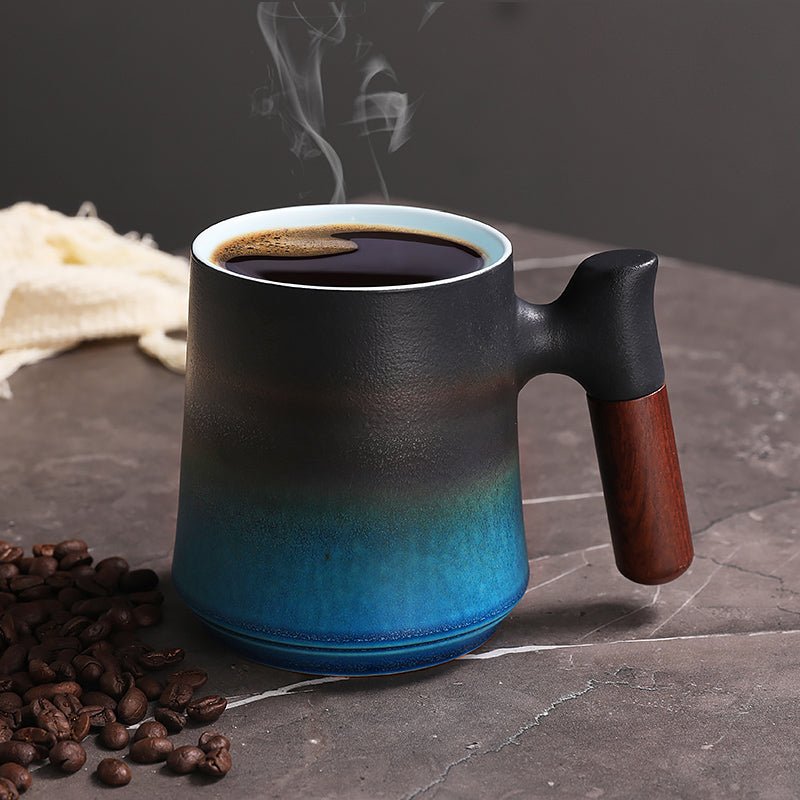
Coffee Mug Printing: How to Choose the Right Mug and Print
Coffee mug printing looks simple until the artwork has to clear the handle, stay crisp on a glossy glaze, and still hold up at a desk or in a dishwasher. We break down what buyers should check so t...
En savoir plus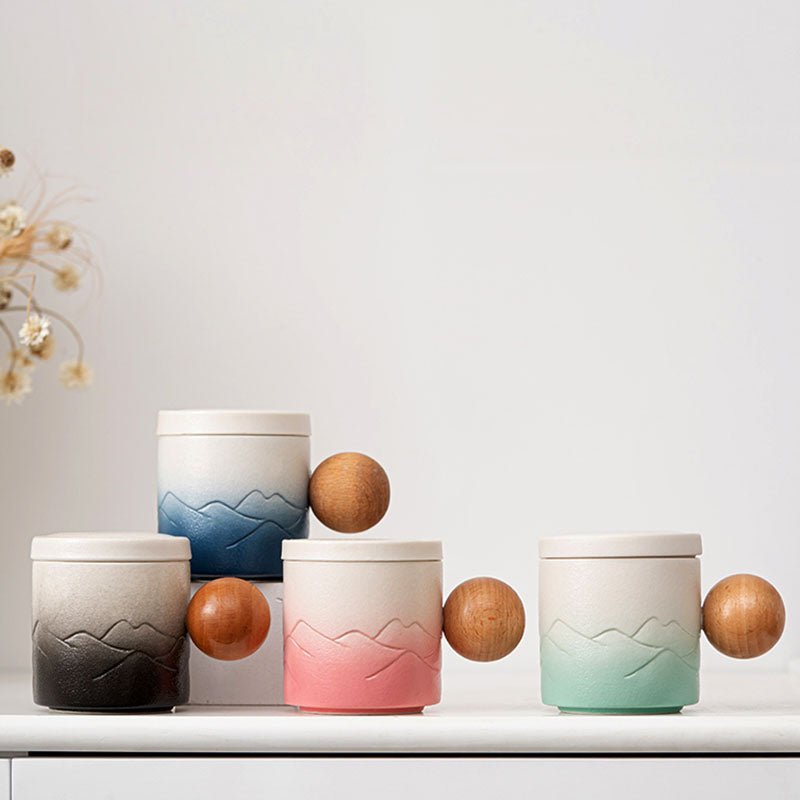
Coffee Mugs for Dad: Practical Gift Picks That Get Used
Practical guidance for choosing coffee mugs for dad, including size, material, comfort, and which styles hold up best in daily use. Use our real buying filters to pick a mug he’ll actually reach for.
En savoir plus
Laisser un commentaire
Ce site est protégé par hCaptcha, et la Politique de confidentialité et les Conditions de service de hCaptcha s’appliquent.