
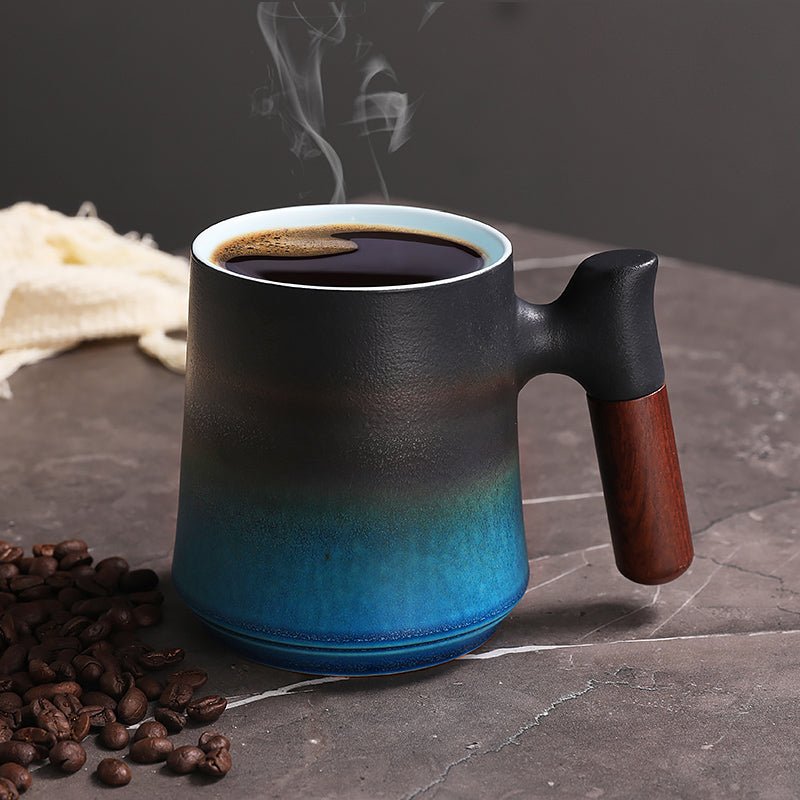
Coffee Mug Printing: How to Choose the Right Mug and Print
Reading time: about 8 minutes
We see the same mistake over and over: a buyer approves artwork that looks fine on screen, then the printed mug arrives and the logo lands too close to the handle, the text feels cramped, or the colors read differently on a glossy ceramic surface. In our store, coffee mug printing works best when the mug shape, print area, and daily-use details are chosen together, not one at a time.
If you are comparing options before ordering, start with a look at The Gradient Coffee Tea Mug and the rest of our full mug collection. That gives you a practical baseline for shape, handle feel, and how much of the mug is actually useful for a clean print.
What does coffee mug printing depend on most?
Three things usually decide whether a printed mug looks sharp or awkward: the mug material, the shape of the printable area, and the artwork itself. Most mugs in this category are ceramic, which is a good printing surface because it is smooth and familiar in hand, but the finish still matters. A glossy glaze tends to make graphics look brighter and cleaner than a rough or heavily textured surface.
We also pay attention to where the design sits. A design that wraps too far around the mug can get cut off by the handle zone. A design that sits too high can feel cramped near the rim, especially if the drinker notices the print every time they sip.
| Factor | Why it matters | What to check before ordering |
|---|---|---|
| Material | Ceramic usually gives a smooth, even print surface | Ask whether the mug has a glossy or matte finish |
| Shape | The handle and taper change the usable print area | Check if the image needs to sit front-and-center or wrap around |
| Artwork | Thin lines and tiny text can disappear at normal viewing distance | Use bold type, high contrast, and enough white space |
| Care | Wash routine affects how long the finish looks fresh | Confirm whether the mug is meant for hand washing or regular dishwasher use |
Which mug shape gives the cleanest result?
Shape changes more than most buyers expect. A simple cylindrical mug usually gives the broadest printable area, while a more styled handle or silhouette can make the mug feel better in hand but reduce the space available for a full design. If your artwork is busy, shape matters as much as color.
For a modern look, the Gradient Coffee Tea Mug is the kind of piece that suits cleaner art and a smoother visual transition across the body. If you want something that feels a little more vintage or giftable, the Retro Coffee Tea Cup is a better fit for buyers who prefer a characterful silhouette. And if hand comfort matters most, the Ball Handled Coffee Tea Mug gives you a more distinctive grip, though that handle shape can limit where a print should sit.
- Modern gradient styles: Best for minimal artwork, bold logos, and clean desk setups.
- Retro cups: Better when the buyer wants a gift that feels less corporate and more personal.
- Ball-handled mugs: Good for comfort and visual interest, but not ideal for large wraparound graphics.
If you are comparing size and feel as much as print style, our 11 oz coffee mug guide is a useful reference point because it helps separate what fits on paper from what actually feels right on a desk or in the kitchen.
What artwork files make the print look sharp?
Sharp coffee mug printing starts with artwork that is built for a curved surface, not just a screen preview. We get the cleanest results when the file has strong contrast, enough resolution, and some margin so important details do not get swallowed by the rim or handle area. Tiny serifs, thin script, and overcomplicated backgrounds are the first things to look weak once they are on ceramic.
Here is the practical version of what usually prints well:
- Use bold text if the message has to be read from arm’s length.
- Keep logos simple if the mug will be used every day at an office desk.
- Leave space around the edges so the artwork does not feel crowded on a curved body.
- Check color contrast on a light and dark background if the mug finish may change the look.
Our own quality checks tend to focus on the same failure points buyers notice first: text that sits too close to the handle, color shifts on glossy ceramic, and designs that look strong on a laptop but flatten once they are wrapped around the mug. That is why we often point customers back to Coffee Mug Printing: What Buyers Should Check Before Ordering before they finalize an order.
Simple artwork usually ages better than artwork that depends on tiny details.
Which size should you choose for coffee, tea, or gifting?
Size affects both the drinking experience and the print layout. A smaller mug can feel tidy and giftable, while a larger mug gives you more room for tea, latte-style drinks, or a design with a wider layout. If you are buying for a shared office kitchen, a middle size is usually the safest option because it works for more people.
| Size | Best for | Trade-off |
|---|---|---|
| 10 oz | Smaller servings, compact desks, lighter feel | Less room for a wide design or extra-large coffee pours |
| 11 oz | Everyday home use and most gift orders | Not as roomy for larger drinks |
| 12 oz | Tea drinkers, bigger coffee pours, and comfort-first buyers | Takes up more cabinet and desk space |
If you are still deciding between the most common everyday formats, the 12 ounce coffee mug buying guide is useful because it shows how size changes the way a mug fits in hand and on a shelf. It is the kind of detail that matters when you want a printed mug to work as a daily object, not just as packaging for a design.
For a lot of buyers, the right answer is simple: choose the size that matches the drink habit first, then fit the artwork to that shape. A design that looks perfect on a 12 oz mug can feel overstuffed on a smaller cup.
How should you think about care and durability?
Durability is where buyers often discover the real trade-off. A mug can look excellent on day one and still be the wrong choice if the print finish is too delicate for the way it will be used. Office kitchens, dishwashers, and rough sponge scrubbing are all different conditions, and not every printed mug is equally suited to all three.
We recommend asking a simple question before you buy: how will this mug actually be washed? If it will live in a home kitchen and be hand washed occasionally, you have more flexibility. If it is going to a break room with heavy use, you want a print and finish that can tolerate repeated handling without the surface looking worn too quickly.
- Hand washing is the safer option when you want the artwork to stay fresh longer.
- Soft sponges are better than abrasive pads for printed surfaces.
- Dishwasher use should only be assumed if the product details clearly support it.
- Microwave use should also be checked instead of guessed, especially for mugs with decorative finishes or unusual accents.
This is also where coffee mug printing is not the right answer for everyone. If a buyer needs heavy-duty commercial use, lots of stacking, or constant machine washing, a more plain, utilitarian mug may be a better fit than a decorative printed piece.
What should you buy if you want the safest all-around option?
If you want a low-risk purchase, choose a mug shape that keeps the print area simple, a size that matches normal daily use, and artwork that reads well from a short distance. That combination usually works better than chasing a flashy design that only looks good in the mockup. For most shoppers, the safest route is to start with the collection and compare the body shape first, then the handle, then the artwork space.
Our full mug collection is the best place to compare those details in one place. If you want something clean and modern, the Gradient Coffee Tea Mug is the easiest starting point. If you want a mug that feels more characterful for gifting, the Retro Coffee Tea Cup is worth a look. If comfort in the hand matters most, the Ball Handled Coffee Tea Mug gives you a different kind of everyday grip.
When we help buyers choose, we usually tell them to compare three things side by side: print area, handle comfort, and daily-use fit. That is the fastest way to avoid a mug that looks good online but feels wrong in real life.
Frequently asked questions
What is the best mug size for coffee mug printing?
For most shoppers, 11 oz is the safest starting point because it balances everyday use, gift appeal, and print space. A 10 oz mug feels more compact, while a 12 oz mug gives you more room for larger drinks and wider designs. The best choice is the one that matches how the mug will be used most often.
Can coffee mug printing go in the dishwasher?
Sometimes, but not always. You should only assume dishwasher safety if the product details clearly say so. If the print is decorative or the finish is more delicate, hand washing is the lower-risk option.
What kind of artwork prints best on mugs?
Bold text, high-contrast logos, and simple illustrations usually print more cleanly than fine-line art or busy photo collages. Curved surfaces make tiny details harder to read, especially near the handle or rim. If the design needs to be legible across a room, keep it simple.
Are glossy mugs better for printing than matte mugs?
Glossy mugs often make colors look brighter and the print feel sharper, which is why they are popular for gifts and branded drinkware. Matte finishes can look more subdued and premium, but they may not deliver the same visual pop. The better choice depends on whether you want vivid contrast or a softer look.
What should I avoid if I want the print to last?
Avoid overly detailed artwork, tiny text, and harsh scrubbing. Also avoid assuming every mug handles the same level of dishwasher or microwave use. If the mug will be used daily, a cleaner design and simpler care routine usually give better results over time.
If you are ready to compare options, start with our mug collection, then narrow down by shape and size before you choose the artwork. That sequence saves time and helps the finished mug feel right in the hand, on the desk, and in real everyday use.
Read more
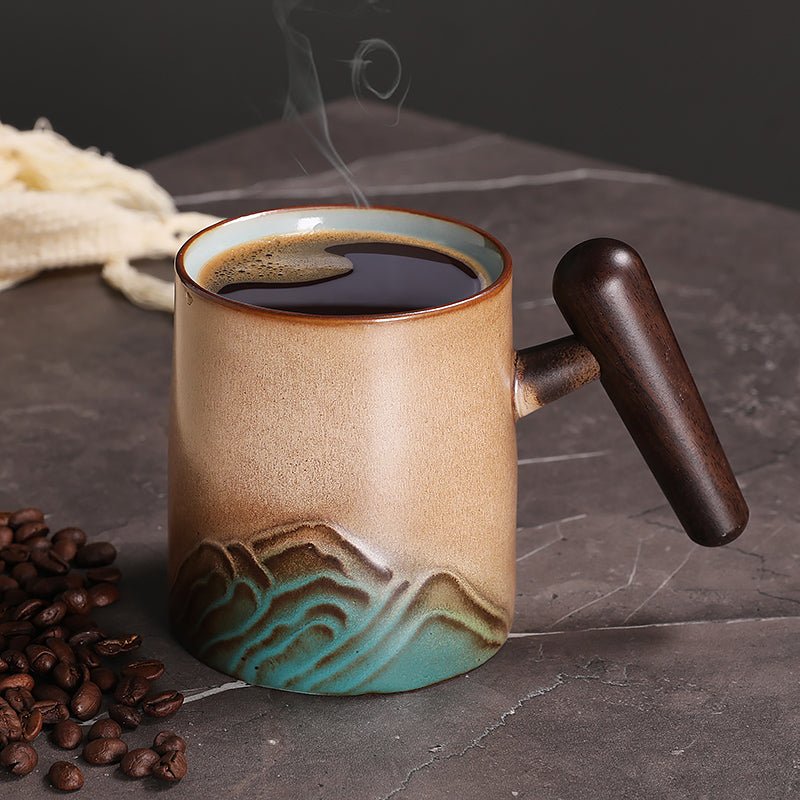
Beer Coffee Mugs: Size, Shape, and Buying Guide
Beer coffee mugs work best when the size, handle, and material fit how you actually drink. This guide covers the trade-offs we see in real kitchens, offices, and gift orders.
En savoir plus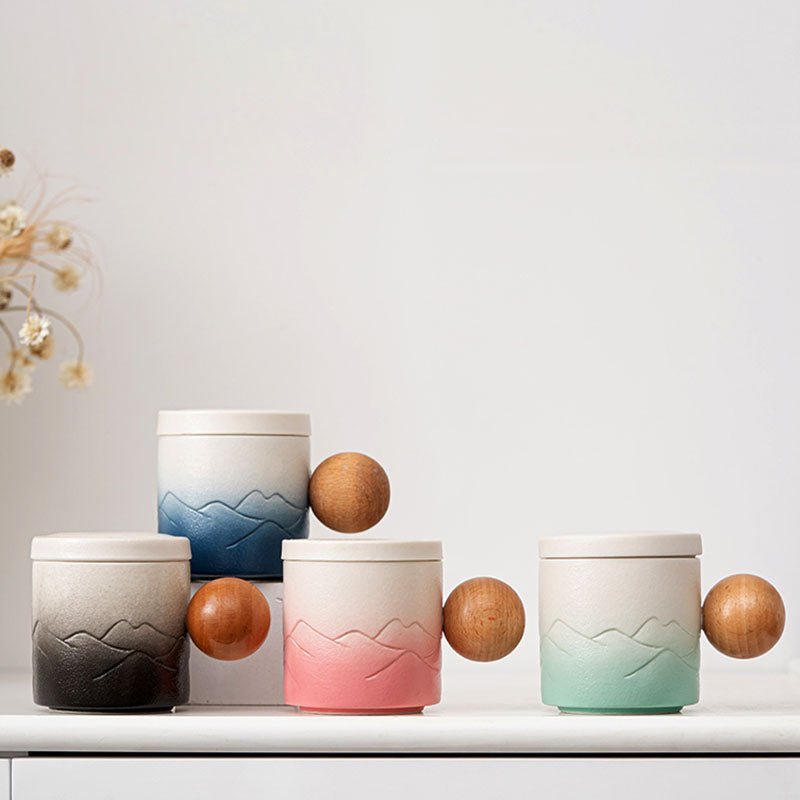
Wood Cups for Daily Coffee: What to Check Before You Buy
Wood cups are usually best as ceramic mugs with wooden handles, not solid wood drinkware. We break down what matters for daily use, care, gifting, and the trade-offs worth knowing before you buy.
En savoir plus
Laisser un commentaire
Ce site est protégé par hCaptcha, et la Politique de confidentialité et les Conditions de service de hCaptcha s’appliquent.