
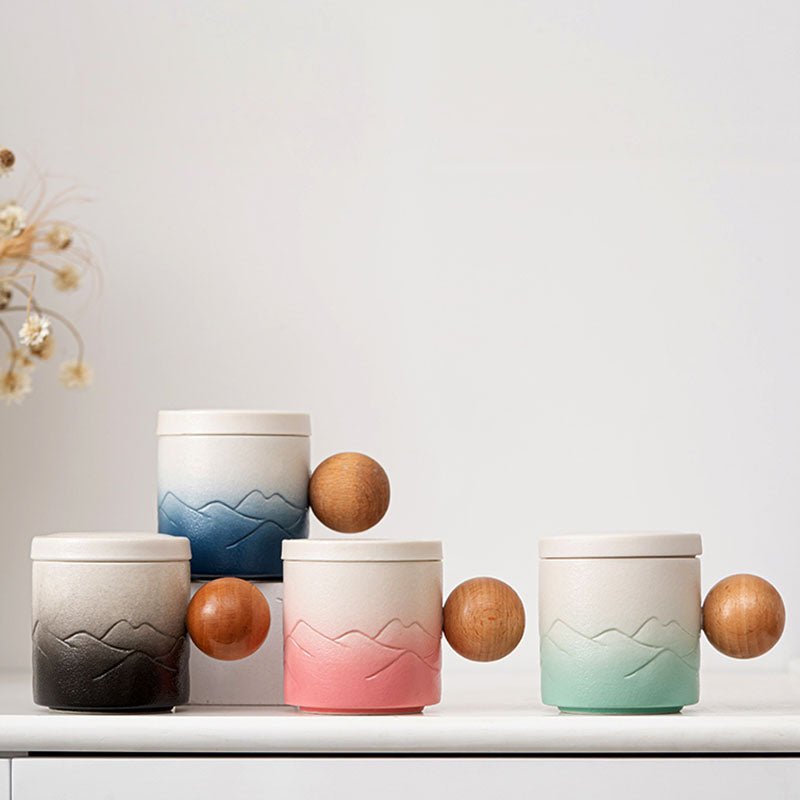
Unique Coffee Mug Buying Guide: Materials, Sizes, and Fit
Reading time: about 9 minutes
A mug can look interesting in a product photo and still fail the first test at 7 a.m. The handle feels cramped, the base rocks on the counter, or the glaze looks nice until it starts showing every coffee ring after a few washes. That is usually where a unique coffee mug either earns its place or gets moved to the back of the cabinet.
We handle this category every day in our store, and the best choices are rarely the flashiest ones. A mug works because it fits the hand, holds the right amount, and survives normal kitchen use. If you are comparing styles now, our full collection is the easiest place to scan options side by side, then narrow down by size and finish.
What actually makes a unique coffee mug worth buying?
A mug feels unique when it does more than change the color of your cabinet. The shape, glaze, handle geometry, and weight all affect whether you want to reach for it every morning. The pieces that tend to stay in rotation have one clear difference: they feel deliberate, not decorative for decoration's sake.
In our experience, shoppers usually want one of three things. Some want a mug that stands out on a desk or open shelf. Some want a gift that does not feel generic. Others want a daily mug that is easy to grip and comfortable to drink from. Those are different buying jobs, and they should not all lead to the same mug.
- Visual character: a hand-finished glaze, an uncommon silhouette, or a detail like a wide lip can make a mug feel special without making it impractical.
- Hand feel: the handle should leave room for at least two fingers without pinching, and the mug should balance without top-heaviness.
- Everyday use: a unique mug still needs a stable base, a smooth rim, and a finish that does not feel fragile after a week of dishwashing.
A mug that wins on style but loses on comfort usually becomes shelf decor. That is fine if that is the goal, but it is not what most buyers actually want.
Which material is best for a unique coffee mug?
Material changes more than looks. It affects weight, heat retention, durability, and care. The most common choices for a unique coffee mug are stoneware and porcelain, with glass and metal-style options serving narrower use cases.
| Material | What it feels like | Best for | Trade-off |
|---|---|---|---|
| Stoneware | Heavier, grounded, often with more texture | Daily kitchen use, gift mugs, earthy finishes | Can chip if knocked against sinks or hard countertops |
| Porcelain | Lighter, smoother, more refined | Cleaner silhouettes, office desks, tea and coffee | Can show cracks or wear if handled roughly |
| Glass | Transparent, modern, visually distinct | Layered drinks, lighter visual presentation | Shows stains and is less forgiving if dropped |
| Metal-lined or travel-style builds | Functional and insulated | Longer heat retention, commuting | Not the right pick if you want a classic mug feel |
If you want a mug that feels substantial in the hand, stoneware is usually the safer bet. If your priority is a lighter cup with a cleaner profile, porcelain is easier to live with on a small desk or crowded kitchen shelf. Glass is the least forgiving for everyday clumsy handling, so we usually point shoppers there only if the visual effect matters enough to accept the trade-off.
For more size-focused advice, the dimensions in our 10 oz Coffee Mug guide and our 16 Ounce Coffee Mug Buyer’s Guide are useful if you are deciding between smaller and standard cups.
What size should you choose for your coffee routine?
Size is where many buyers miss the mark. A mug that looks right online can feel too small for a mug of drip coffee, or too large if you mainly drink espresso-based drinks. The useful question is not what size is most popular. It is what fits your actual pour.
We normally see size decisions break down like this:
- 8 oz: better for espresso drinks, smaller pours, or people who do not want coffee to cool slowly in a huge cup.
- 10 oz: a solid everyday size for standard home coffee and tea, especially if you want something easy to hold.
- 16 oz: best for larger pours, longer desk sessions, or anyone who likes a roomier cup without moving into oversized territory.
- 20 oz to 24 oz: useful if you drink a lot at once, but less comfortable if you prefer a lighter mug or smaller hands.
If you want a deeper comparison, our posts on the 20 oz Coffee Mug and the 24 Ounce Coffee Mug Buyer’s Guide cover where large mugs help and where they get annoying. We also have a separate 24 oz Coffee Mug article for buyers who want the larger format without guessing.
A bigger mug is not automatically better. If you mostly drink one cup before leaving the house, a 24 oz mug can be awkward, heavy, and slow to finish. On the other hand, if you sit through long meetings or like a mug that holds milk-heavy drinks without feeling crowded, a larger size can be the right choice.
Which details matter before you place the order?
These are the checks that save people from disappointment. They sound small, but they are the difference between a mug that feels well made and one that feels off as soon as you unwrap it.
- Handle clearance: make sure the handle is large enough for your grip. A pretty handle that only fits one finger is a daily irritation.
- Rim finish: the drinking edge should feel smooth, not sharp or uneven.
- Base stability: a mug should sit flat on a countertop. Wobble usually means poor finishing or a distorted foot ring.
- Glaze consistency: small variations can be part of the appeal, but thick pooling, pinholes, or rough patches are worth avoiding if you want a cleaner finish.
- Care instructions: if you want easy upkeep, confirm whether the mug is dishwasher safe and microwave safe before you buy.
Those checks matter even more if the mug is a gift. People rarely remember the brand name on the box, but they do remember whether the handle was comfortable or whether the mug survived its first wash without trouble.
We also watch for common defect modes that customers do not always notice in photos: a handle that is slightly misaligned, a base that feels uneven on a stone countertop, or a decorative surface that looks good but stains more easily around coffee and tea residue. None of those are deal-breakers in every case, but they should be part of the decision.
How do you match a unique mug to a real kitchen or office setup?
The best mug is one you will actually keep within reach. That sounds obvious, but we see plenty of buyers choose something beautiful that does not fit their shelf, cup holder, or dishwasher rack. A unique coffee mug should still work in the room where it will live.
For a kitchen counter setup, heavier stoneware usually feels right because it matches the rest of the coffee routine. For an office desk, a medium-size mug in porcelain or lighter stoneware is easier to manage near a laptop, notebook, and charger cable. For a gift, the safest choice is usually a mug that looks distinct but not quirky to the point of becoming decorative-only.
One practical way to narrow the field is to think about context:
- Small kitchen: choose a mug that stacks or stores cleanly and does not crowd the cabinet.
- Shared office: pick a finish that does not scream for attention but still looks different from standard promo mugs.
- Gift unboxing: aim for a shape and glaze that feels special at first glance, with a size that is easy to use immediately.
- Daily tea drinker: avoid overly narrow mugs that cool too fast or feel awkward to stir.
If you like mugs with a more design-led feel, our Anthropologie Coffee Mug style guide is useful for comparing aesthetic cues against everyday use. The main lesson is simple: style matters, but the mug still has to pass the hand test, the sink test, and the shelf test.
A mug that looks unusual but drinks comfortably usually beats a more dramatic piece that never leaves the cabinet.
How should you care for a unique coffee mug so it lasts?
Care is where many decorative mugs fall apart early. A finish that looks delicate may still be fine for everyday use, but only if you treat it consistently. That usually means avoiding sudden temperature swings, stacking carefully, and not letting coffee residue sit for days.
Our basic care advice is straightforward:
- Wash soon after use, especially if the mug has a matte or textured exterior.
- Use the top rack in the dishwasher only if the mug is labeled for it.
- Do not move a very hot mug straight into cold water.
- Dry the base after washing if you store mugs on wood or open shelving.
Stoneware tends to be more forgiving in daily use, but it can chip if knocked against another mug or a sink edge. Porcelain usually looks cleaner longer, though hairline cracks and fine crazing can appear over time if the piece gets a lot of thermal stress. Glass shows everything, including water spots, so it needs the most visual upkeep.
If you want the mug to stay gift-worthy, do not treat it like a cheap throw-in cup. A little care goes a long way.
Frequently asked questions
Is a unique coffee mug good for everyday use?
Yes, if the handle is comfortable, the base is stable, and the finish is easy to clean. A mug can be visually distinct without being fragile or awkward. The best everyday mug is the one you do not have to think about while using it.
What size unique coffee mug is best for gifting?
We usually suggest 10 oz or 16 oz for gifts because those sizes fit most coffee routines without feeling excessive. Smaller mugs can feel elegant, but they are less flexible for people who drink larger pours. If you are unsure, 16 oz is often the safer all-around choice.
Are matte unique coffee mugs harder to maintain?
They can be. Matte finishes may show oil, coffee residue, or utensil marks more easily than glossy ones. That does not make them a bad choice, but they usually need more consistent washing to keep their look.
What is the downside of a very large coffee mug?
Large mugs can feel heavy when full, take up more cabinet space, and cool more slowly in a way some people dislike. They are useful for long desk sessions or milk-heavy drinks, but they are not ideal if you prefer a lighter, more refined cup.
Should I choose stoneware or porcelain for a unique mug?
Choose stoneware if you want a heavier feel and a more grounded look. Choose porcelain if you want a lighter mug with a cleaner profile. If you are buying for rough daily use, stoneware is often more forgiving; if you want a more polished presentation, porcelain usually wins.
If you are ready to compare by style and size, start with our product selection and then use the size guides above to rule out mugs that are too small, too large, or too delicate for your routine. The fastest path to a good buy is a simple checklist: material, size, handle comfort, care instructions, and how the mug will actually be used on your counter or desk.
More from our blog
Read more
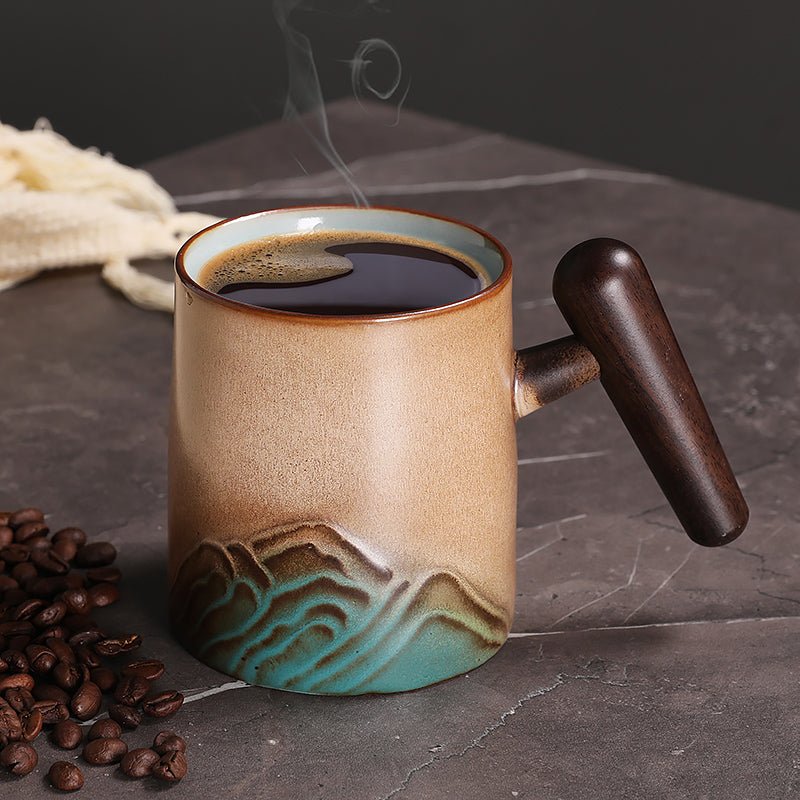
Big Mugs for Coffee: How to Choose the Right One
Big mugs for coffee are useful only if the size, weight, and handle match how you actually drink. We break down what to check, what to skip, and where different mug styles fit.
En savoir plus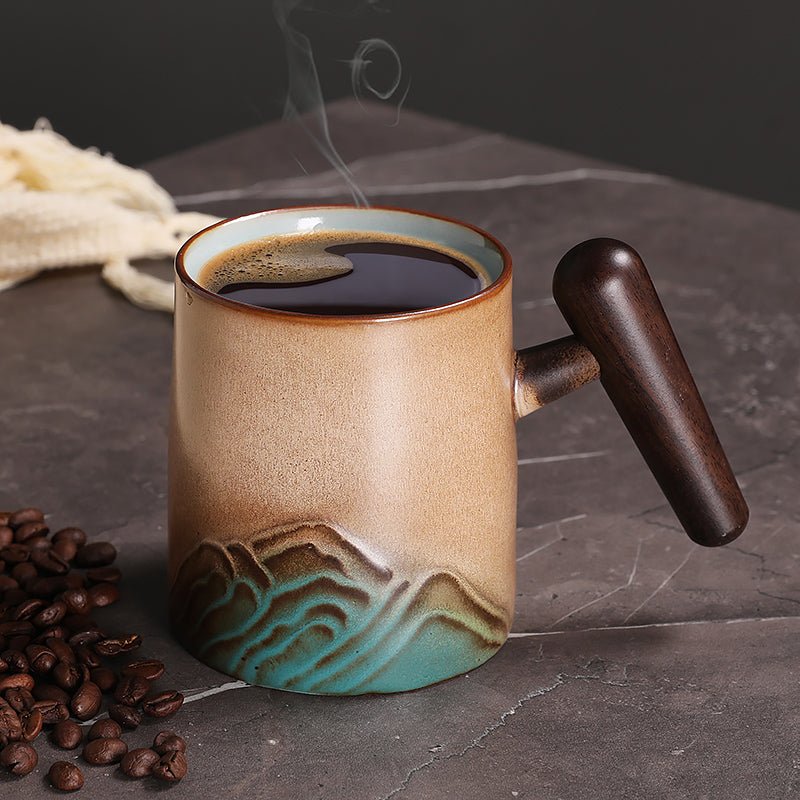
Extra Large Coffee Cup Buying Guide for Daily Drinkers
An extra large coffee cup should solve a real routine problem: fewer refills, a comfortable handle, and a shape that still feels stable on a desk or kitchen counter. This guide shows what to check ...
En savoir plus
Laisser un commentaire
Ce site est protégé par hCaptcha, et la Politique de confidentialité et les Conditions de service de hCaptcha s’appliquent.