
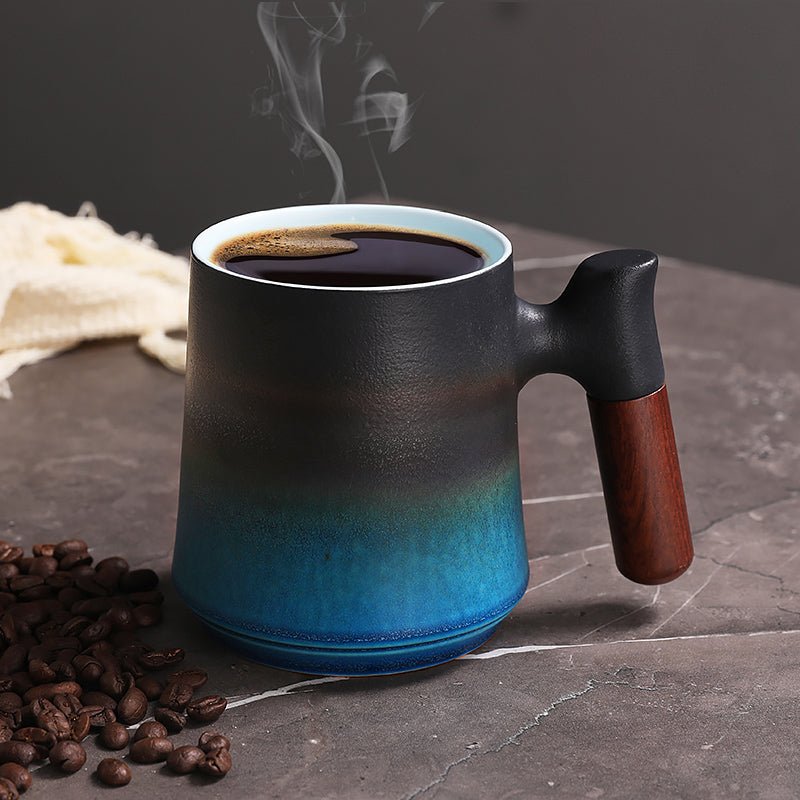
Tea/Coffee Mugs: How to Choose the Right Mug for Daily Use
Reading time: about 9 minutes
The wrong mug shows its flaws fast. It feels too small during a second pour, it gets awkward under a coffee machine, or the handle is uncomfortable after a few minutes at a desk. We see that all the time with tea/coffee mugs, and the best choice is usually the one that fits your routine before it fits your shelf.
At CoffeifyMug, we handle this category every day, so we look at mugs the same way shoppers do: by size in the hand, how they hold heat, how they wash, and whether they actually suit coffee, tea, or both. If you want a quick place to browse options while you read, our full collection is the easiest starting point. For a closer look at specific styles, the Morning Night Coffee Tea Mug, Mountain Coffee Tea Mug, and Great Mountain Coffee Tea Mug are good examples of the different shapes and visual styles buyers usually compare.
If you want a broader method for comparing options, our Tea/Coffee Mugs Buyer’s Guide breaks down size, material, and use in a simple way. This article focuses more on the real shopping trade-offs we hear about most often.
What should you check first on tea/coffee mugs?
The first thing we check is not the print or the color. It is the size and the feel in the hand. A mug can look great online and still be a poor daily mug if the handle is too tight, the rim feels too thick, or the body is too wide to fit comfortably under your coffee maker.
For most shoppers, these are the practical points that matter first:
- Capacity: choose a mug that matches your usual drink size, not your occasional oversized pour.
- Handle clearance: make sure fingers fit cleanly without forcing a grip.
- Rim shape: a thinner rim often feels better for tea; a thicker rim can feel sturdier for everyday coffee use.
- Base width: a wider base may be more stable on a desk, but it can be harder to fit in compact cup holders or under some machines.
- Finish and care: a printed exterior, glazed ceramic body, or hand-wash-only surface changes how the mug ages over time.
That is why we usually tell people to think in use cases, not just style. A mug for the office desk is not always the best mug for slow weekend tea on the sofa.
Which size works best for coffee, tea, or both?
Size is the biggest reason people return to search and start over. Small mugs are pleasant for concentrated drinks, but they can feel limiting for anyone who likes a longer coffee session. Larger mugs are practical, but they are not always the best choice for tea drinkers who prefer a lighter pour and less heat loss.
If you are comparing everyday sizes, our size-focused posts can help narrow it down. The 12 oz Coffee Mugs: How to Choose the Right Mug for Daily Use piece is especially useful if you like a standard serving without too much extra volume, and the 16 Ounce Coffee Mugs: Size, Materials, and Fit Guide article is better if you usually pour a larger drink or want more room for milk.
Here is the simple way we break it down in our store:
| Typical size range | Best for | Trade-off |
|---|---|---|
| 12 oz | Standard coffee, black tea, smaller daily servings | Less room for milk, foam, or top-offs |
| 14 oz | People who like a bit more room without moving to a big mug | Can feel slightly large for delicate tea service |
| 16 oz | Long coffee drinks, larger tea pours, desk use | Heavier when full and can cool faster if left uncovered |
| 20 oz | Big pours, long work sessions, people who hate refills | Not ideal for compact storage or smaller hands |
If your drink changes through the day, a mid-size mug is often the safest buy. If you want a quick comfort check, our 14 Ounce Coffee Mugs: Size, Fit, and Buying Guide article sits right between the standard and oversized options.
Which material is better for tea/coffee mugs?
For most home shoppers, ceramic is still the most practical choice. It holds heat well enough for coffee and tea, usually feels balanced in the hand, and works well for printed or glazed designs. That said, ceramic is not perfect. It can chip if knocked against a sink, and the rim or handle glaze may show wear over time if the mug is handled roughly.
In our experience, buyers are usually deciding between a few common material and finish traits rather than chasing a perfect material:
- Ceramic: strong all-around choice for daily use, giftable, and familiar to most shoppers.
- Glazed finish: easier to wipe clean and usually better for a polished look.
- Printed exterior: attractive and personal, but repeated abrasion in crowded sinks or dish racks can be harder on the design.
- Thicker walls: may feel sturdier and retain warmth longer, but they can also make the mug heavier.
We also advise shoppers to think about care. If you wash mugs in a dishwasher, look closely at the finish and print placement. Repeated dishwasher cycles, crowded loading, and hard contact with other dishes are common ways decorative mugs show wear first. For hand washing, the trade-off is simple: gentler on the mug, but less convenient for busy kitchens.
Some buyers want a display piece. Others want a mug that disappears into the routine. Those are different goals, and the right mug is not always the prettiest one.
How do shape and handle design change daily use?
Shape changes more than people expect. A straight-sided mug can feel modern and stack neatly, while a rounded body may feel more comfortable to hold. Handle size matters just as much. We have seen shoppers choose a mug for the artwork, then end up avoiding it because two fingers fit awkwardly or the handle opening is too narrow for comfortable sipping on a cold morning.
Here is what we look for when handling mugs in the store:
- Handle opening: your fingers should slide through without squeezing.
- Balance point: a mug should not feel top-heavy once filled.
- Rim comfort: a smooth rim makes both coffee and tea easier to drink regularly.
- Foot/base: a stable base reduces wobble on a desk or tray.
- Body profile: taller mugs can retain heat differently than wider mugs, especially if you leave the lid off.
This is where a product can be beautiful but still wrong for the buyer. A mug with a bold profile may be great on a shelf and less ideal under a compact espresso machine. A wider mug may suit soup or very large tea servings, but it is not always the best choice for a tight office setup.
Which of our mugs fits a real buying scenario best?
We usually suggest matching the mug to the moment it will live in most often. That makes the purchase more useful and cuts down on regret.
Morning Night Coffee Tea Mug fits buyers who want a versatile everyday mug with a straightforward look. It works well for mixed households where one person drinks coffee and another drinks tea, and it is the kind of mug that feels at home on a kitchen counter or office desk. You can see it here: Morning Night Coffee Tea Mug.
Mountain Coffee Tea Mug is a good fit for shoppers who want a mug with a more specific visual identity. That matters for gifts, for people who like a quieter shelf display, or for buyers who want a mug that feels less generic than a plain white cup. Browse it here: Mountain Coffee Tea Mug.
Great Mountain Coffee Tea Mug leans toward the same practical use, but with a bolder presence. If you want a mug that stands out a little more on the table or in a gift box, it is worth a look: Great Mountain Coffee Tea Mug.
None of these are the best choice if your main need is insulation for long commutes. A travel tumbler would suit that better. They are also not the right pick if you want ultra-light drinkware for backpacking. For that, the best path is a very different product category.
What are the most common mug problems buyers run into?
We hear a few repeat complaints again and again, and most of them come from skipping the practical checks.
- It feels smaller than expected: usually a capacity misunderstanding, especially when a mug is pictured with a drink that makes it look fuller.
- The handle is uncomfortable: often a shape issue, not a size issue.
- It chips early: usually from sink contact, stacking, or being knocked against other dishes.
- The print looks different in person: common with decorative drinkware, especially under different lighting.
- It is too bulky for the desk: wide bases and oversized bodies can take up more room than shoppers expect.
That does not mean decorative mugs are a bad buy. It means the shopper should match the mug to the real environment: the cabinet, the dishwasher, the office desk, the gift box, or the breakfast tray.
If you want a broader comparison before choosing, the 12 oz Coffee Mugs: What to Check Before You Buy guide is helpful for the details people usually miss, while our 16 oz Coffee Mugs: What to Check Before You Buy post is better for larger everyday mugs.
Frequently asked questions
Are tea/coffee mugs usually dishwasher safe?
Many ceramic mugs are dishwasher safe, but the finish and decoration matter. Printed or heavily decorated mugs can show wear sooner if they are packed tightly, rubbed against other dishes, or washed on harsh settings. If you want the mug to stay looking sharp longer, hand washing is the gentler option.
What size mug is best for daily coffee?
For most daily coffee drinkers, 12 oz to 16 oz is the sweet spot. Twelve ounces works well for a standard serving, while 16 oz is better if you add milk, like larger pours, or want fewer refills. If you tend to drink slowly, a slightly smaller mug can also help the drink stay warm longer.
Can I use the same mug for tea and coffee?
Yes, and that is usually the most practical approach. A good all-purpose mug should have a comfortable handle, a balanced shape, and a rim that feels easy to sip from with either drink. If you are particular about tea aroma or coffee volume, then size and rim comfort matter more than the label on the mug.
What should I avoid if I want a mug for the office?
Avoid mugs that are too wide for a crowded desk, too heavy when full, or too tall for your shelf or coffee machine. A stable base and a handle that is easy to grip one-handed are especially useful in office settings. If you carry your drink between rooms often, a travel mug may be a better match.
How do I choose a mug as a gift?
Choose a mug that feels easy to use, not just nice to look at. A medium size, a comfortable handle, and a design that fits the person’s space usually work better than an oversized novelty cup. If you are unsure, a versatile style from our collection is safer than a very specific shape.
If you are ready to compare by style, start with the full collection, then shortlist the mug that matches your drink size and daily setup. For a more practical side-by-side check, use this quick filter: size first, handle second, finish third, then design.
Read more
Awesome Coffee Mugs for Daily Coffee, Tea, and Gifts
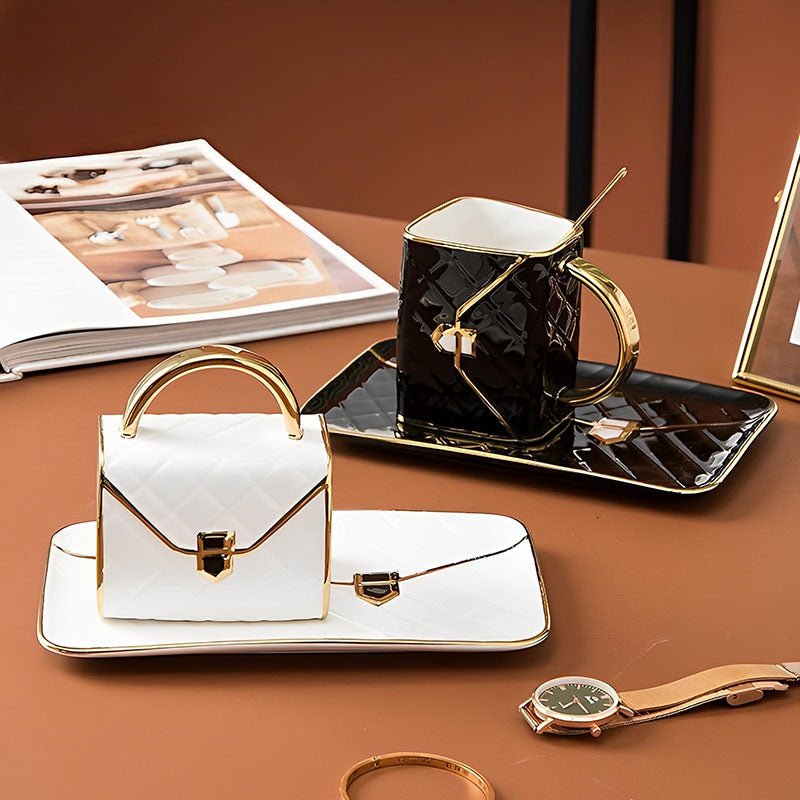
Compare three awesome coffee mugs from our store by grip, desk stability, cleaning, and gift appeal. We break down what feels right in real use, what to skip, and where each style fits best.
En savoir plus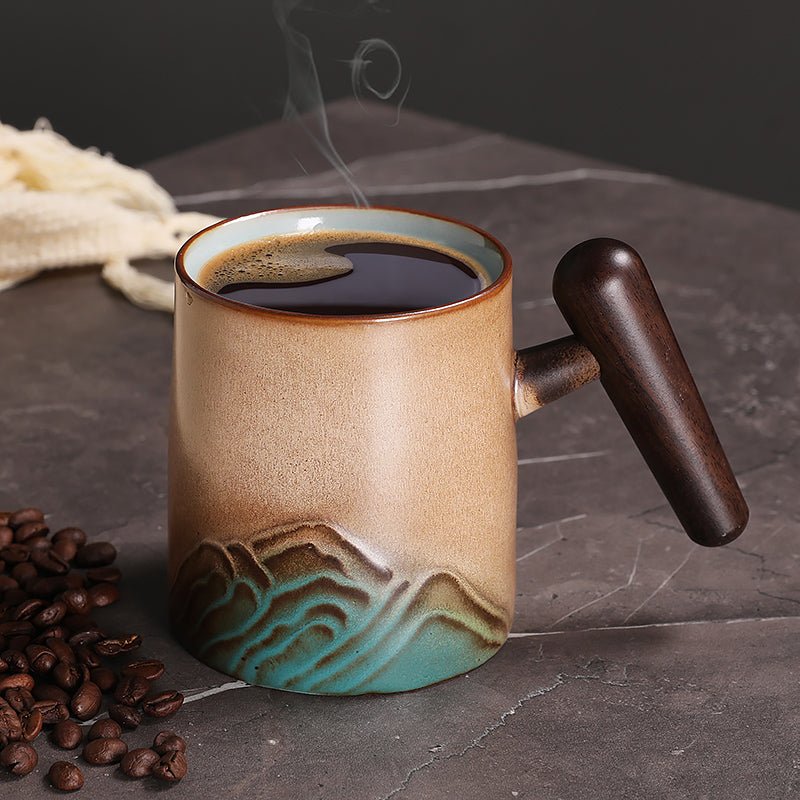
Big Mugs Coffee: How to Choose a Large Mug That Works Daily
Big mugs coffee buyers should check size, handle comfort, and care before choosing. We break down the trade-offs so you can buy a mug that suits real mornings, not just photos.
En savoir plus
Laisser un commentaire
Ce site est protégé par hCaptcha, et la Politique de confidentialité et les Conditions de service de hCaptcha s’appliquent.