
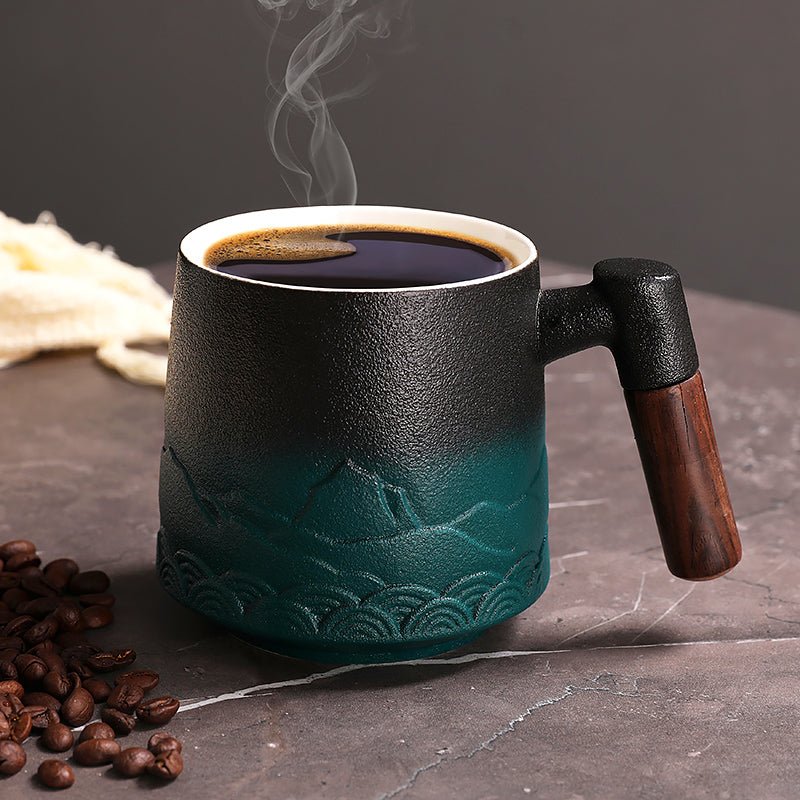
Rooster Coffee Mug Buying Guide: Size, Style, and Care
Reading time: about 9 minutes
A rooster coffee mug usually gets picked for the same reason it stays on the counter: it has personality. The problem is that a mug can look right on a shelf and still feel awkward in the hand, tip too easily on a crowded desk, or clean poorly after a few dishwasher cycles. We see that a lot in our store. The buyers who are happiest usually checked the shape, the capacity, and the finish before they clicked buy.
If you want a rooster coffee mug that gets used, not just displayed, start with how it will live in real life. Morning coffee at the kitchen island is different from tea at an office desk. A gift mug is different again. The right choice depends on grip comfort, rim shape, the amount it holds, and whether the artwork or glaze can handle regular washing.
What should a rooster coffee mug do besides look good?
A strong design matters, but it should not come at the expense of everyday use. In practice, the best rooster coffee mug is the one you can pick up without thinking about it. We look for three things first: a comfortable handle, a stable base, and a profile that fits the way the drinker actually pours and sips.
That sounds basic, but it is where many novelty mugs miss. A decorative mug can have a handle that is too narrow for two fingers, a heavy top that feels unbalanced when full, or a foot that does not sit flat on a slick countertop. If the rooster artwork is raised or textured, that can add charm, but it can also make the mug harder to wash around the curves.
- Handle comfort: enough room for your fingers without scraping the mug body.
- Base stability: a flat, even foot ring that sits securely on tile, wood, or a desk mat.
- Rim and body shape: a shape that pours cleanly and does not feel clumsy when full.
- Finish quality: glaze or print that looks even in daylight, not just in product photos.
That is why we tell shoppers to think beyond the rooster motif itself. The motif gets the mug onto the shortlist. The shape decides whether it stays in rotation.
Which size feels right for your daily coffee?
Most shoppers narrow a rooster coffee mug down by size before anything else. A mug that is too small feels underfilled. One that is too large can get cold before you finish it, especially if you do not drink quickly. For many buyers, the real choice is between the common everyday sizes in the 10 oz to 12 oz range, which we cover in more detail in our guides: 10 oz Coffee Mug: Size, Fit, and What to Check Before You Buy, 11 oz Coffee Mug: Size, Fit, and What to Check Before You Buy, and 12 Ounce Coffee Mug Buying Guide for Daily Use and Better Fit.
| Size | Best for | Trade-off |
|---|---|---|
| 10 oz | Smaller coffee servings, tea, or a mug that feels compact in the hand | Can feel tight for milk-heavy drinks or larger pours |
| 11 oz | General daily use for people who want a balanced middle ground | Still may be short on space if you like a lot of creamer or foam |
| 12 oz | Larger morning coffee, cocoa, or a more generous pour | Can take more cabinet space and may feel bulky to smaller hands |
If the mug is a gift, size matters even more. A rooster coffee mug that looks charming but is too small for the recipient’s usual drink can become a display piece instead of a kitchen staple. If they drink from a travel tumbler during the week and only use a ceramic mug on weekends, a mid-size option is usually safer than going oversized.
What material and finish hold up best?
For this category, most shoppers are comparing ceramic or stoneware styles, sometimes with porcelain finishes. We do not assume the most decorative mug is the most durable. In our experience, the things that matter are the glaze coverage, the handle join, and whether the printed art sits under the glaze or on top of it.
That last part is worth checking. Underglaze or glazed-in decoration usually tolerates handling better than a surface decal that can scratch or fade sooner with repeated washing. If the mug has metallic accents, treat that as a caution sign for microwave use unless the maker says otherwise. If the body is thick and heavy, it may feel sturdy, but it can also be less pleasant for long office sessions where you keep lifting and setting it down.
We also inspect for common defect modes that shoppers may not notice in a studio photo:
- Pinhole glazing: tiny surface pits that can make the finish look rough under light.
- Wobbly foot ring: a base that does not sit level on the table.
- Handle join issues: a seam or sharp edge where the handle meets the mug body.
- Print wear zones: decoration near the rim or handle that may be exposed to more contact and washing.
None of that means the mug is poor by default. It means you should know what you are buying. A decorative rooster coffee mug is allowed to be decorative. It just should not be fragile in the ways that matter on a busy kitchen counter.
Which style works best for a kitchen, office, or gift box?
Style is not only about the rooster artwork. It is also about the silhouette. A wider mug can feel homey and easy to sip from at the breakfast table. A taller mug can save shelf space and read cleaner in a photo. A more sculpted mug can feel giftable, but it may be less stackable and harder to store in a crowded cabinet.
If you want to compare shapes before you settle on one, our store has a few mug forms worth checking side by side. The Rhombus Coffee Tea Mug is useful if you want a more angular profile. The Handbag Coffee Tea Mug leans more decorative and playful. The White Golden Waves Tall Coffee Tea Mug is worth a look if you prefer a taller footprint on the counter.
For shoppers who want to compare across the full range instead of stopping at one style, browse our full collection and compare handle clearance, base width, and overall proportion. That is often the fastest way to see whether a rooster coffee mug should be bold and sculptural or simple and easy to live with.
In our experience, these use cases usually break down like this:
- Kitchen display: choose the mug that looks balanced with the rest of your cups and does not crowd the shelf.
- Office desk: prioritize stability, a comfortable handle, and a shape that does not hog space around the keyboard.
- Gift box: choose a mug with a clean finish and an easy-to-understand shape, because the unboxing moment matters.
How do you judge care and durability from the listing?
This is where online buying gets practical. A product page should tell you enough to judge whether the mug fits your routine. We check whether the listing states dishwasher-safe or microwave-safe use clearly, whether the photos show the inside of the mug, and whether the handle is wide enough to hold comfortably.
If the listing is vague, we treat that as a signal to slow down, not to guess. A mug that is fine for hand washing may still be a good purchase, but you should know that before checkout. The same is true for microwave use. A decorative accent, metallic trim, or heavily textured exterior can change how a mug behaves in real use.
Good signs to look for:
- Clear mention of care instructions rather than generic claims.
- Photos of the rim, interior, base, and handle, not only the front artwork.
- Even glaze coverage with no obvious rough edge at the lip.
- A foot ring that looks flat enough for a steady pour and set-down.
A mug that handles a dishwasher cycle well is useful, but the way it dries matters too. If water collects around a raised design or textured handle, that may not be a defect, but it does mean you will notice it more in daily use. That is why we prefer listings that show the mug from multiple angles and not just the best front-facing shot.
What should you avoid if you want everyday use?
Some mugs are better as display pieces than as daily drinkware. That is not a criticism. It just means the mug serves a different purpose. If you want a rooster coffee mug for real use, we would avoid the following unless the listing clearly solves the problem:
- Very narrow handles that do not leave enough room for your fingers.
- Oversized novelty shapes that are hard to stack or store.
- Heavy surface texture that makes washing slower around the print or relief.
- Decorative finishes that are not clearly marked for dishwasher or microwave use.
- Small capacities if you usually pour a larger coffee or add milk and foam.
It is also worth saying what this category is not good for. A ceramic rooster mug is not the right pick for commuting, car cup holders, or long outdoor use. If you need insulation or a lid, you are shopping for a travel mug, not a kitchen mug. If you want a mug that disappears into the routine and keeps up with a busy breakfast table, simple usually wins.
A rooster coffee mug can still be charming and practical at the same time. The trick is refusing to buy on artwork alone.
Frequently asked questions
What size rooster coffee mug is best for daily use?
For most people, the best daily size is usually in the 11 oz to 12 oz range. It gives enough room for coffee, tea, or a drink with milk without feeling too small. If you like smaller pours or want a lighter cup, 10 oz can work well too.
Is a rooster coffee mug a good gift for a kitchen or farmhouse theme?
Yes, as long as the mug feels usable and not just decorative. A gift lands better when the handle is comfortable, the finish looks clean, and the shape fits the recipient’s cabinet or desk. If you know they drink larger servings, do not choose a tiny mug just because the art is attractive.
Can I put a rooster coffee mug in the dishwasher?
Only if the product listing clearly says it is dishwasher-safe. Decorative decals, metallic accents, or textured finishes may need more care. If you are unsure, hand washing is the safer choice until you confirm the care instructions.
What should I check before ordering a rooster coffee mug online?
Check the capacity, handle size, base stability, and care instructions first. Then look at the photos for the rim, the inside, and the bottom of the mug. Those details tell you more about daily use than the front artwork does.
Is a rooster coffee mug good for office use?
Yes, if it has a stable base and a comfortable handle. A simpler shape usually works better on a desk because it takes less space and is less likely to get bumped. If your desk is crowded, avoid oversized or heavily sculpted mugs.
Before you buy, compare three things: the size you actually drink from, the handle feel, and the care instructions. If you want to see more shapes and finishes that hold up in real kitchens, start with our full mug collection and compare the options side by side.
Read more
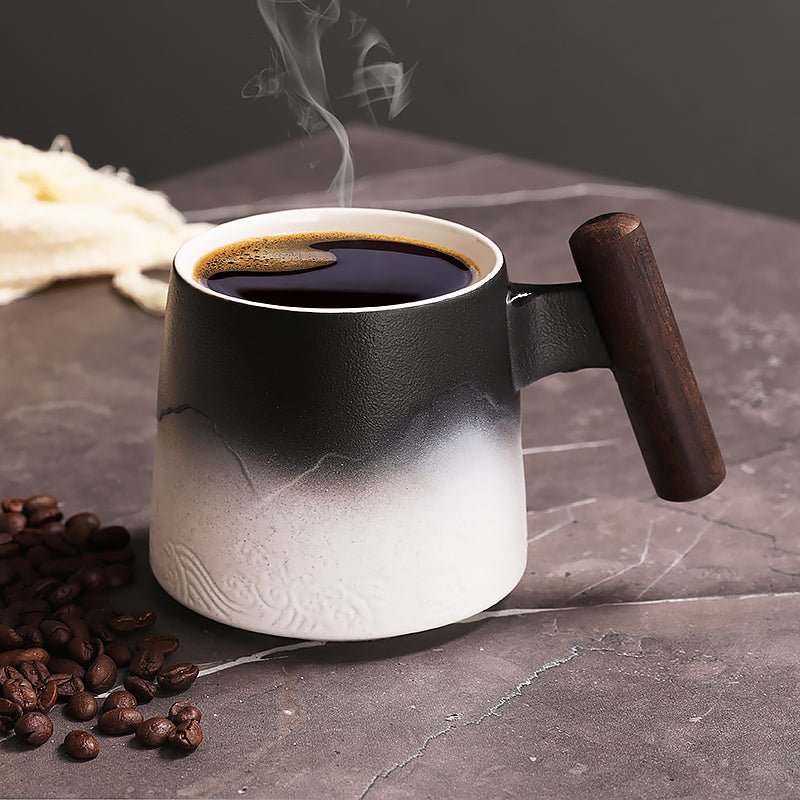
Crap Coffee Mug: How to Spot a Bad One Before You Buy
A crap coffee mug usually shows its problems on day two: a thin rim, a wobbly base, a handle that pinches, or a finish that stains fast. We break down what to check and which mug styles make sense ...
En savoir plus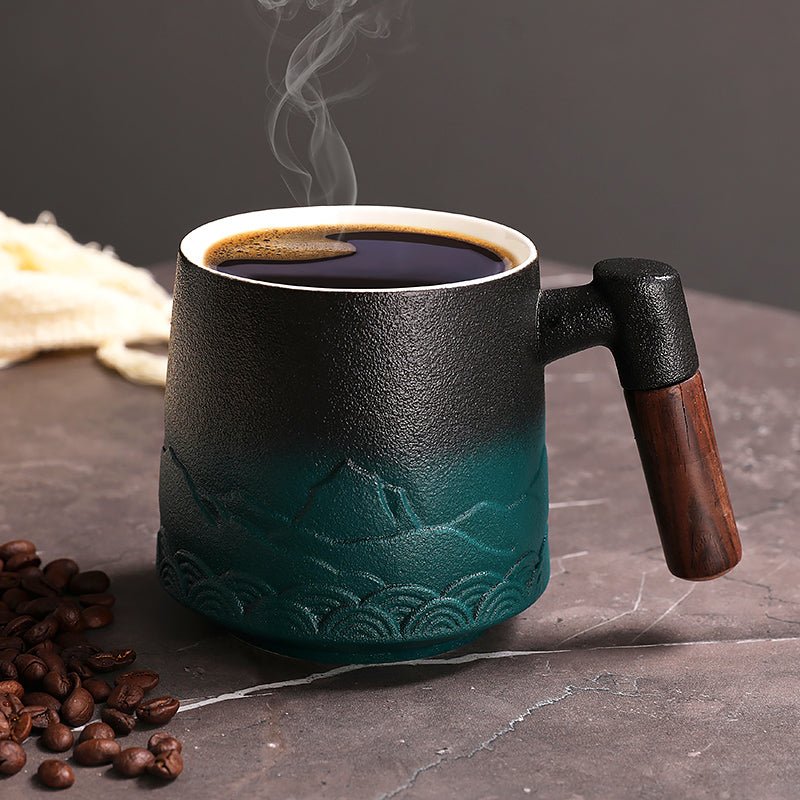
Cooling Coffee Mug Guide: Which Mug Cools Coffee Faster?
A practical buying guide for shoppers who want coffee to reach drinkable temperature faster at a desk or kitchen counter. We compare mug shape, size, and care trade-offs so you can pick a mug that ...
En savoir plus
Laisser un commentaire
Ce site est protégé par hCaptcha, et la Politique de confidentialité et les Conditions de service de hCaptcha s’appliquent.