
Crap Coffee Mug: How to Spot a Bad One Before You Buy
Reading time: about 8 minutes
One chipped rim is enough to turn a morning mug into a daily annoyance. In our store, we see the same pattern on returns and gift swaps: the mug looked fine online, then felt wrong on the kitchen counter, at the office desk, or after the first dishwasher cycle. A crap coffee mug is usually not dramatic. It is just quietly irritating every time you use it.
That is why we tell buyers to judge a mug by how it behaves in real life, not by how it photographs. If you want a quick place to start, compare a simple everyday style like our Christmas Coffee Tea Mug with a more textured option such as the Green Waves Coffee Tea Mug. If you want to see everything we carry in one place, browse our collection first and then narrow by size, handle shape, and care needs.
What makes a coffee mug feel like a crap coffee mug?
The bad ones usually fail in small ways. The rim feels thin or uneven. The handle looks fine but pinches your knuckles. The base rocks on the counter. The glaze picks up coffee marks too quickly. None of that is a dealbreaker on its own, but together it makes a mug feel cheap even if the listing looked polished.
A mug can look clean in a product photo and still feel wrong every morning if the rim is sharp or the handle fights your grip.
From a buyer’s point of view, the worst part is consistency. A mug that feels sturdy one day and awkward the next never becomes part of your routine. It stays in the cabinet while you keep reaching for the one that just works.
- Thin rim: feels less comfortable and can make hot drinks less pleasant to sip.
- Wobbly base: usually means poor balance or a foot ring that is not flat enough.
- Poor handle geometry: one or two fingers fit, but the mug twists in your hand.
- Rough glaze or pinholes: often shows up as staining, staining lines, or a gritty feel near the lip.
- Overly heavy build: some mugs feel solid in hand, but a few are just tiring to lift all day.
What should you check before you buy one?
If you are buying online, the photos only tell part of the story. The product details are what help you avoid a bad pick. We look for the same basics every time, whether the mug is for home use, a work desk, or a gift box.
- Check the rim. It should look even and smooth. A sharp lip is a small flaw that you will notice every morning.
- Check the handle clearance. There should be enough room for an adult hand without scraping the mug body or the glaze.
- Check the base. A flat, stable base matters more than people expect. If it rocks, it will annoy you on hard counters and office desks.
- Check the finish. Look for even color, no obvious pinholes, and no rough patches where the glaze looks thin.
- Check the care note. If the listing does not clearly explain washing and heating guidance, treat that as a question before checkout.
| Buyer check | Good sign | Red flag |
|---|---|---|
| Rim | Even, smooth, comfortable to sip from | Sharp edge or visible irregularity |
| Base | Flat and stable on a counter | Wobbles or feels uneven |
| Handle | Enough room for a real grip | Pinches fingers or twists under load |
| Glaze | Consistent finish, no obvious defects | Pinholes, streaks, rough spots, weak coverage |
If you want a deeper size check before buying, our related guides for 10 oz mugs, 11 oz mugs, and 12 oz mugs are useful when you are comparing capacity against how much you actually drink.
Which mug style fits your routine?
There is no single best mug. A work desk, a breakfast table, and a gift box all reward different choices. We see buyers get happier when they match the mug to the job instead of chasing a generic all-purpose answer.
| Style | Best for | Trade-off |
|---|---|---|
| Christmas Coffee Tea Mug | Seasonal gifting, festive kitchen setups, easy everyday use during the holidays | Less neutral if you want a mug that stays on the counter all year |
| Green Waves Coffee Tea Mug | Buyers who want a little pattern and visual texture on the table | Patterned mugs are less minimal, so they may not suit every kitchen style |
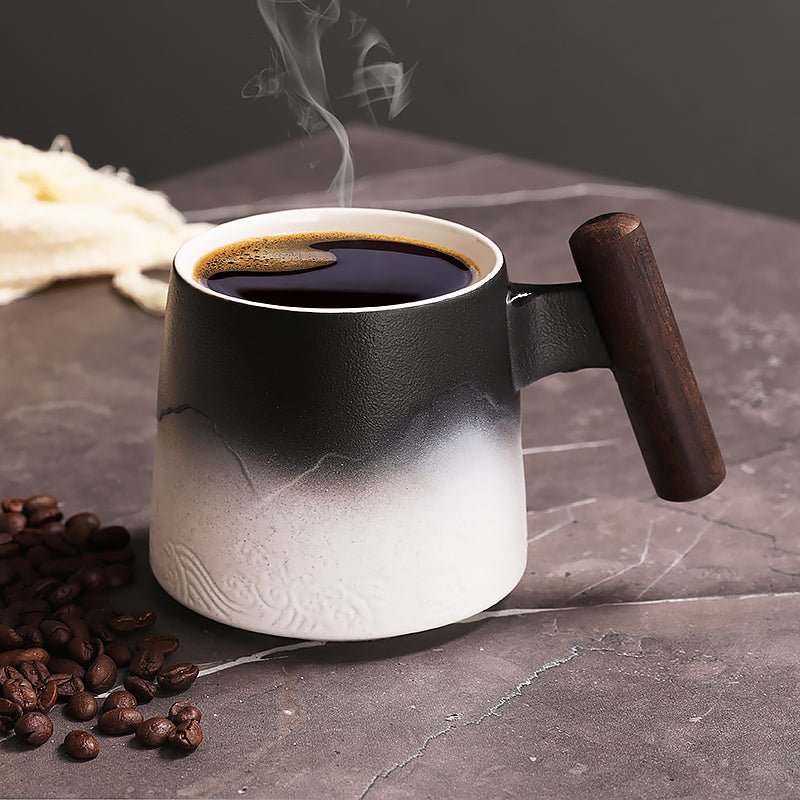
| Mountain Sea II Coffee Tea Mug with Wooden Handle | Gift presentation, a more tactile feel, buyers who like a different handle look | Wood adds care questions, so it is not the best pick if you want the simplest low-fuss routine |
That last point matters. A wooden handle can look great and feel distinctive, but it is not the same as an all-ceramic mug. If you want the easiest possible clean-and-go routine, plain ceramic is usually the safer choice. If you want a mug that feels special on a desk or in a gift box, the wooden-handle style can make more sense. The right answer depends on how much maintenance you are willing to accept.
We also see a clear divide between buyers who want a mug to disappear into the routine and buyers who want the mug to be part of the ritual. Neither is wrong. Just do not buy a decorative piece and expect it to perform like a plain office mug.
How does size affect whether a mug feels cheap or usable?
Size changes the whole experience. A mug that is too small feels crowded once you add milk or foam. A mug that is too large can be awkward on a desk and may cool down before you finish it. That is why capacity is not just a spec line; it is part of the buying decision.
For drip coffee, tea, and mixed drinks, buyers usually want enough room for a comfortable pour without pushing liquid right to the rim. For espresso-based drinks with milk, you may want a different shape than a straight-sided mug. The mug itself can be attractive and still be the wrong fit for how you drink.
If you are comparing the common mid-range sizes, the practical route is to read one of our size guides before you commit. The right capacity for a quick office coffee is not always the right capacity for a slow breakfast drink. The same logic applies if you use a mug at a desk where you need a stable footprint rather than a tall, top-heavy shape.
A useful shortcut: if you often top up with milk, sugar, or extra tea, leave more headroom than you think you need. That prevents spills and makes the mug feel more usable.
How do you keep a mug from turning into a daily annoyance?
Most mug problems start after the first few uses, not on day one. Coffee residue builds up. The rim starts to show wear. A handle with a rough edge becomes more obvious once you have used it ten times. We recommend treating a mug like a daily tool, not just a shelf object.
- Rinse soon after use. Old coffee stains become much harder to remove if they sit overnight.
- Use a soft sponge. Harsh scrubbing can wear down glossy finishes and make stains easier to see later.
- Dry the lip and handle. Water spots often show up first around details where the glaze is not perfectly even.
- Avoid sudden temperature shock. Very hot liquid into a very cold mug, or the reverse, is a common way to stress ceramic.
- Inspect the mug after the first wash. If you see roughness, a growing crack, or a weak spot in the glaze, that is the time to stop using it.
If a mug has a wooden handle, check the care notes before you buy and again before the first wash. Wood usually asks for more attention than plain ceramic. That does not make it bad. It just means the mug is not the best fit for buyers who want to throw everything into the dishwasher and forget about it.
Frequently asked questions
What makes a crap coffee mug different from a normal cheap mug?
A cheap mug can still be usable if the rim is smooth, the base is stable, and the handle is comfortable. A crap coffee mug usually has at least one obvious daily annoyance, like a sharp lip, a wobbly bottom, or a handle that feels cramped. The difference shows up in repeated use, not just on the first day.
Is a wooden-handle mug a bad choice for everyday use?
Not automatically. A wooden handle can feel better in hand and look more distinctive than a standard all-ceramic mug. The trade-off is care: it usually asks for more attention than a plain mug, so it is less convenient if you want the simplest wash-and-dry routine.
What mug size should I choose for coffee or tea?
Choose the size based on how you actually drink. If you like room for milk, foam, or a larger pour, a mug with more headroom is easier to live with. If you want something for a quick cup at a desk, a smaller size can feel more stable and less bulky.
How do I know if a mug will be comfortable to hold?
Look at the handle shape, handle opening, and overall mug width. A comfortable mug lets your fingers pass through without scraping the body, and it should not feel top-heavy once filled. If the product photos do not show the handle clearly, that is a warning sign.
Should I buy a decorative mug or a plain one?
Buy the one that fits the use case. Decorative mugs are better for gifts and visible kitchen shelves. Plain mugs are usually the safer choice for office use, daily refills, and buyers who care more about comfort and cleanup than style.
If you are comparing options now, start with our full collection, then use the checks above to filter out the mugs that look good but will feel like a crap coffee mug after a week of real use.
Read more
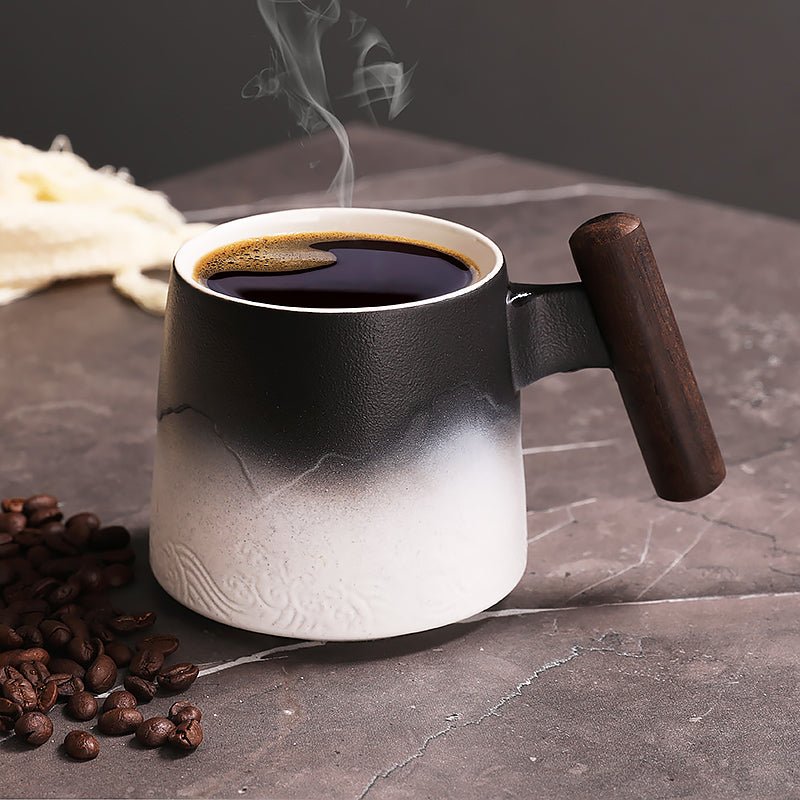
Printed Coffee Mugs: What Buyers Should Check Before You Buy
Printed coffee mugs can look similar online and still feel very different on a kitchen counter. We break down the checks that matter most: mug shape, print placement, finish, and which styles fit d...
En savoir plus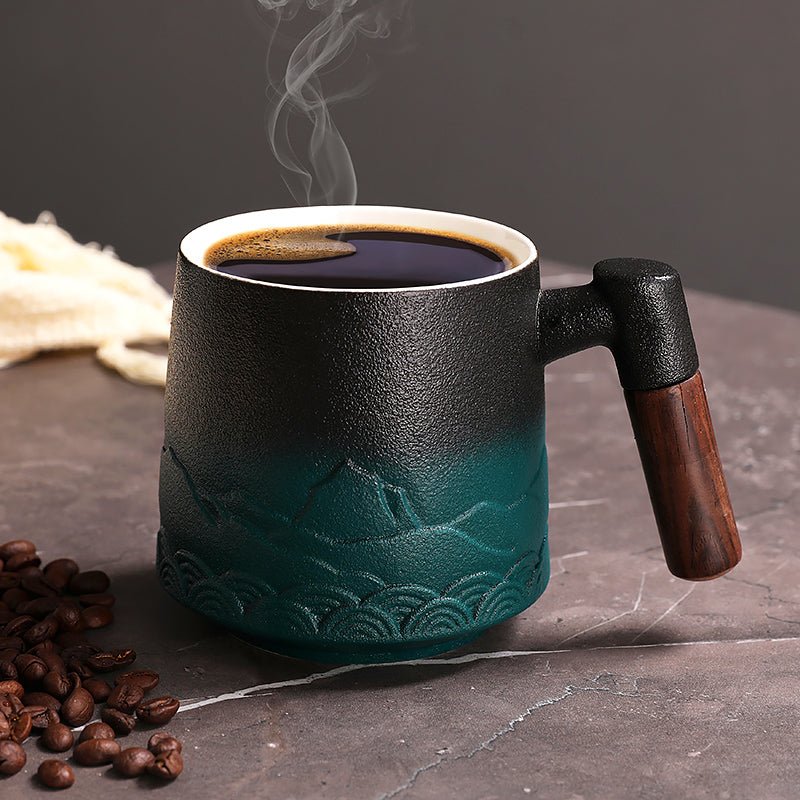
Rooster Coffee Mug Buying Guide: Size, Style, and Care
A rooster coffee mug should do more than look charming on the shelf. We cover the size, handle feel, finish, and care checks that matter before you buy.
En savoir plus
Laisser un commentaire
Ce site est protégé par hCaptcha, et la Politique de confidentialité et les Conditions de service de hCaptcha s’appliquent.