
Non Breakable Coffee Mugs: Best Options for Daily Use
Reading time: about 9 minutes
A mug that slips off an office desk, catches the sink edge, or gets knocked by a backpack does not need to shatter to become a bad purchase. In our store, we usually see shoppers looking for non breakable coffee mugs for three very different reasons: a busy kitchen, a desk that sees daily use, or a gift that should survive shipping and normal handling.
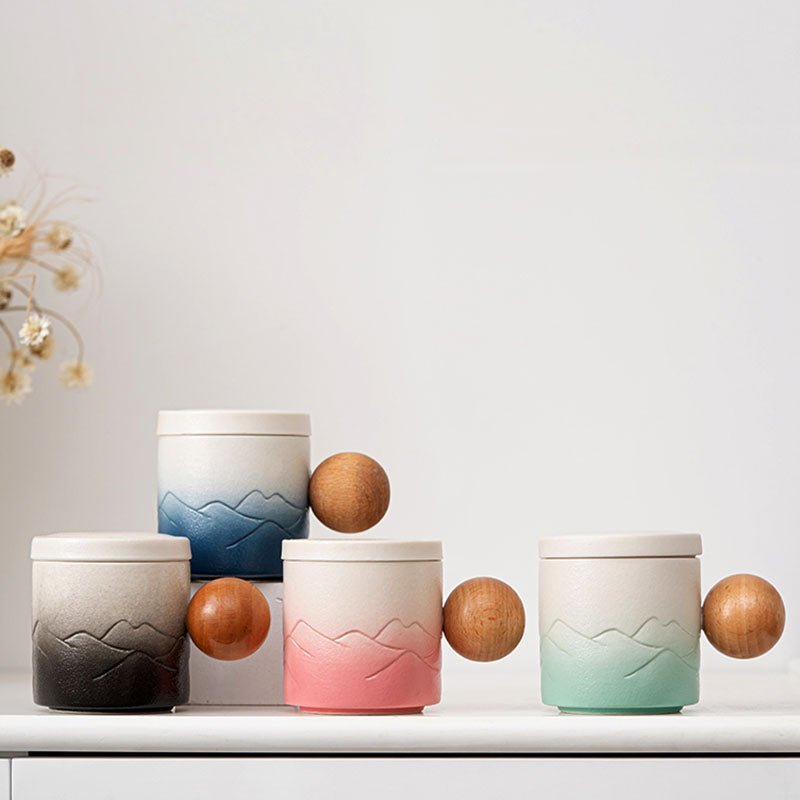
The phrase sounds simple, but the buying decision is not. No mug is truly indestructible, and the material, shape, and care routine matter more than the label. If you want to compare our current everyday options, start with the Retro Coffee Tea Cup, the Ball Handled Coffee Tea Mug, or the Pleated Coffee Tea Cup. If you want to browse everything in one place, use our all mugs collection.
What does "non breakable" actually mean for a coffee mug?
In practice, a non breakable mug is one that resists the kinds of damage that happen in real kitchens and workspaces. That usually means it is less likely to chip at the rim, crack at the handle joint, or shatter when it gets knocked against a sink, countertop, or hard floor.
That does not mean it can ignore physics. A hard fall onto tile can still damage even the toughest mug, and a sudden shift from very hot coffee to cold rinse water can create stress fractures in some materials. We see the same failure modes again and again: a chipped lip, a hairline crack near the handle, or a warped lid on a travel-style cup.
If your goal is a mug that feels normal in the hand but holds up better than a fragile ceramic piece, the winning answer is usually a combination of material, base stability, and simple design. Less decoration usually means fewer weak points.
Which materials hold up best?
The material matters more than the marketing language. If you are comparing options across our store or anywhere else, focus on what the mug is made to survive, not just how it looks on the shelf.
| Material | What it does well | Trade-off | Best for | Not ideal for |
|---|---|---|---|---|
| Stainless steel | Handles drops well, stays sturdy, and usually resists dents better than fragile cups | Can change the drinking feel and is not microwave-safe | Desk use, travel, rough handling, outdoor setups | People who want the classic ceramic mug feel or microwave reheating |
| Tritan or BPA-free plastic | Lightweight, easy to carry, and less likely to chip | Can scratch over time and may hold coffee scent if not cleaned well | Shared kitchens, office use, family homes | Anyone who dislikes plastic texture or wants a heavy, premium feel |
| Silicone-wrapped or insulated cups | Better grip and less clatter on hard surfaces | Usually more utilitarian than elegant, and some need hand washing | Busy desks, kids' use, low-noise environments | People who want a traditional mug silhouette |
| Melamine | Hard, light, and less likely to chip than standard ceramic | Not the right pick for every hot-drink setup and not for microwave use unless the maker clearly allows it | Casual kitchens and low-risk serving | Microwave reheating and anyone who wants a heavier feel |
| Ceramic with a protective sleeve or thick build | Familiar look and feel, easy to pair with other tableware | Still the most likely to chip or crack if dropped | Home use where style matters and drops are rare | Floors, tile counters, and high-traffic offices |
If coating safety is part of your decision, our Non Toxic Coffee Mugs: What to Check Before You Buy breaks down what to look for in glazes, finishes, and food-contact surfaces before you commit.
Our rule is simple: if you need the mug to survive repeated knocks, choose a material that is forgiving by design. If you mainly want a nicer everyday cup that still feels sturdy, a well-made hard-sided mug can be enough.
Which mug shape and handle are easiest to live with?
Shape affects how a mug feels every single day. A mug can be durable and still be annoying if the handle opening is too tight, the base is too narrow, or the rim feels awkward on your lip.
In our experience, these details matter more than people expect:
- A wider base is more stable on a crowded desk and less likely to wobble near a keyboard.
- A handle with enough finger clearance is easier for larger hands and less tiring when the mug is full.
- A smooth rim is better for daily sipping than a thick, rough edge that distracts every time you drink.
- A slightly rounded body is easier to wash and dry than a cup with deep grooves that trap residue.
That is why we point some shoppers to the Retro Coffee Tea Cup when they want a classic everyday silhouette, the Ball Handled Coffee Tea Mug when they want a different grip profile, and the Pleated Coffee Tea Cup when they want a more textured look that stands out on a shelf or counter.
If you are buying for a shared kitchen, a home office, or a gift, a mug that is easy to grab and easy to rinse usually wins over a fancier shape that is awkward in daily use.
How does size affect daily comfort and spill risk?
Capacity changes how a mug behaves on the table, how fast coffee cools, and how heavy it feels in the hand. A smaller mug can be easier to hold and less likely to slosh. A larger mug can be more convenient if you like a longer coffee break or add milk and still want room at the top.
If you are comparing sizes, our size guides are a useful next read: 10 oz Coffee Mugs: How to Choose the Right One for Daily Use, 12 Ounce Coffee Mugs: Fit, Shape, and Buying Tips, and 14 Ounce Coffee Mugs: Fit, Materials, and Buying Tips.
- Choose around 10 oz if you want a smaller everyday pour, less weight, and less chance of a sloshy overfill.
- Choose around 12 oz if you want a balanced middle ground for drip coffee, tea, or milk-heavy drinks.
- Choose around 14 oz if you want more room for longer sipping sessions, but expect a fuller mug to feel heavier and take up more cabinet space.
A larger mug is not automatically better. If it is too wide for your hand or too heavy when full, it becomes the mug that stays in the cabinet while the smaller one gets used every morning.
What should you check before buying one for daily use?
Before we put a mug into a collection or recommend it to a shopper, we look at the details that usually predict real-world satisfaction. This is the same checklist we would use for a home kitchen, an office desk, or a gift box.
- Handle strength: Look closely at where the handle joins the body. That junction is one of the first places to fail if a mug gets knocked.
- Base stability: A flat, steady base matters more than decorative curves if the mug will sit next to a laptop, recipe book, or crowded breakfast spread.
- Finish quality: A smooth rim and even surface are signs that the mug is easier to use and less likely to feel rough after repeated washing.
- Care instructions: If you want dishwasher use, make sure the product is marked for it. If you plan to microwave, avoid metal parts and verify that the material allows heating.
- Thermal shock tolerance: If you regularly rinse a mug after very hot coffee, avoid materials that are more vulnerable to sudden temperature changes.
- Storage behavior: If you stack mugs in a cabinet, choose a shape that nests cleanly and does not scrape the rim or glaze of the mug below it.
Not every durable mug is the right mug for every setup. If your main need is car use, commuting, or all-day heat retention, a travel mug with a lid is usually a better fit than a standard open cup.
That trade-off matters. A regular mug is better for desk use, kitchen use, and gift giving. A travel mug is better for movement and spill control. They solve different problems.
How should you care for a durable mug so it lasts?
Even sturdy mugs last longer when they are treated consistently. The care routine is usually simple, but the details matter if you want to avoid chips, staining, or surface wear.
- Let the mug cool before washing if it has been filled with very hot liquid.
- Use the top rack only if the manufacturer says the mug is dishwasher safe.
- Do not microwave any mug with metal parts or metallic decoration.
- Wash coffee residue soon after use so stains do not settle into texture lines or seams.
- Avoid stacking a mug on top of another if the rims contact directly and rub during storage.
If a mug starts to smell stale, stains faster than expected, or shows a fine crack near the handle, retire it. A mug that is technically still usable but visibly weakening is usually not worth the risk, especially in a busy home.
For shoppers who want a broader buying view, the right mug is usually the one that fits both the coffee habit and the cleaning habit. That is why we always look at the drinking experience and the care routine together.
Frequently asked questions
Are non breakable coffee mugs actually unbreakable?
No. They are more accurately described as more impact-resistant or less fragile than standard ceramic mugs. A hard drop onto tile or concrete can still damage them, especially if the rim or handle takes the hit first.
Can I microwave a non breakable coffee mug?
Sometimes, but not always. Stainless steel and any mug with metal decoration should stay out of the microwave, while plastic and melamine depend on the maker's instructions. Always check the product care notes before heating.
Which non breakable coffee mugs are best for an office desk?
We usually point desk buyers toward a mug with a stable base, a comfortable handle, and a material that does not clatter loudly when set down. If the desk is crowded, a smaller or mid-size mug is often better than a large one that feels top-heavy when full.
Do non breakable coffee mugs keep coffee hot longer?
Some do, but not all. Insulated stainless steel usually holds heat better than an open ceramic-style mug, while lightweight plastic or melamine focuses more on durability and convenience than heat retention. If keeping coffee hot is your main goal, choose with that priority first.
What causes a durable mug to fail anyway?
Most failures come from the same places: repeated edge chips, a weak handle joint, a sudden temperature change, or simple wear from rough stacking. A mug that looks tough can still fail if it is constantly rattled around in a sink or cabinet.
If you want to narrow the choice fast, compare three things first: the surface the mug will sit on, the way you clean it, and the size you actually drink most often. Then start with our all mugs collection and work outward from the shape that feels right in your hand.
Read more
v8 coffee mug buying guide: what to check before you choose
A practical look at what buyers usually mean by a v8 coffee mug, what to check before ordering, and which mug styles make the most sense for everyday use. We compare handle feel, capacity, care, an...
En savoir plus
Motivational Coffee Mugs for Daily Desk Use and Gift Giving
Motivational coffee mugs should do more than look uplifting on a shelf. We break down what actually matters for daily use, gifting, and choosing a mug that feels good in hand and holds up over time.
En savoir plus
Laisser un commentaire
Ce site est protégé par hCaptcha, et la Politique de confidentialité et les Conditions de service de hCaptcha s’appliquent.