
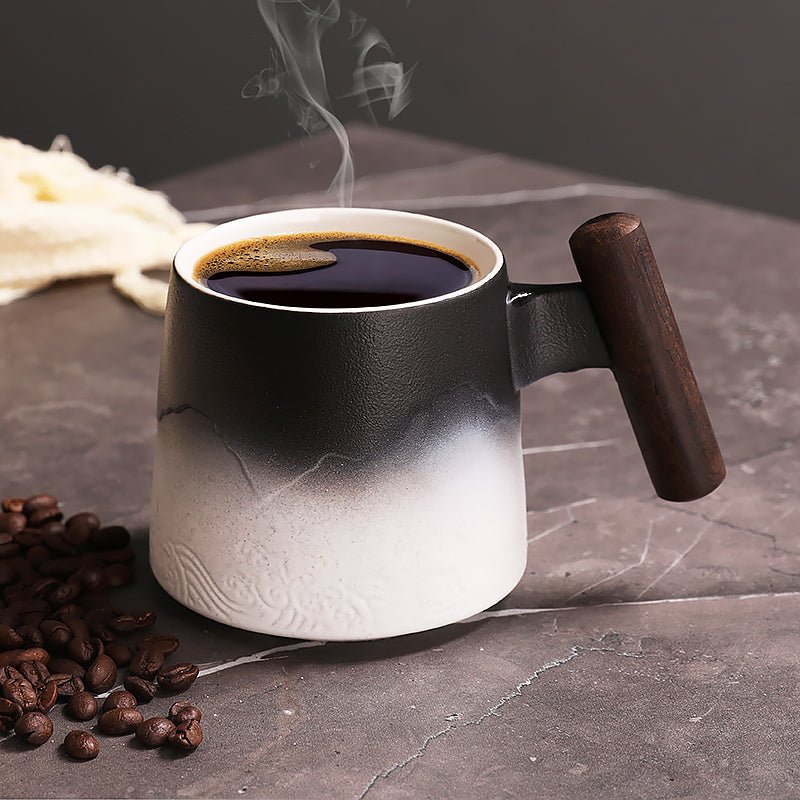
Mug to Keep Coffee Hot: What Actually Works for Daily Use
Reading time: about 8 minutes
A coffee mug that loses heat too fast usually fails in the same places: a thin wall, a wide open mouth, or a lid that never seats cleanly. On a desk, that means the first sip is hot and the third is already fading.
We handle mugs for the store with that exact problem in mind. If you want a mug to keep coffee hot, the useful question is not just how it looks on the shelf. It is how it behaves after ten minutes on a kitchen counter, under office lights, or next to a laptop while you answer email.
That is why we think about heat retention as a practical buying decision, not a style choice. The right mug depends on how long you sip, whether you reheat coffee, and whether you care more about a ceramic feel or the longest possible warmth. For a broader comparison, our Best mug to keep coffee hot: what to buy and what actually matters guide covers the main trade-offs, while Keep Warm Coffee Mug: What Actually Keeps Coffee Hot Longer goes deeper on the heat-loss side of the equation.
What actually keeps coffee hot longer?
Heat loss comes from three simple things: air exposure, surface area, and the material around the coffee. Less open surface means slower cooling. A lid helps. Double-wall construction helps more. A thick ceramic wall holds warmth better than a very thin cup, but ceramic still cools faster than a sealed insulated vessel.
Rinsing a mug with hot water before pouring coffee can buy you a little extra time, but it is not a cure for poor design. If the rim is too wide, the coffee will still give up heat quickly. If the wall is thin and the base is light, the mug may feel good in hand but lose warmth faster than you expect.
That is why two mugs can look nearly identical and perform very differently. A compact 10 oz mug with a narrow opening usually holds heat better than a big, open 16 oz cup. If you want a more detailed size discussion, our notes on the 10 oz Coffee Mug: Size, Fit, and What to Check Before You Buy and the 11 oz Coffee Mug: Size, Fit, and What to Check Before You Buy are useful starting points.
Which mug style fits your routine?
The best mug is the one that matches how you actually drink coffee. A mug for slow sipping at a desk is not the same as a mug for a short breakfast stop before you leave the house.
| Style | Heat retention | Best for | Trade-offs |
|---|---|---|---|
| Ceramic open mug | Moderate | Short coffee breaks, home use, everyday kitchen shelves | Feels familiar and comfortable, but the open top cools faster |
| Double-wall insulated mug | High | Slow sippers, desk use, long morning routines | Usually not microwave-safe and can feel less traditional in hand |
| Lidded glass mug | Moderate to high | People who want to see the drink and reduce surface exposure | Glass can still cool down faster than a good insulated vessel |
| Travel-style mug | High | Commutes, commingled errands, long gaps between sips | Better for portability than for the relaxed feel of a mug |
If you want something that still feels like a mug but keeps coffee warmer for longer, a lidded or double-wall option is usually the safer pick. If you care more about the drinking experience than absolute heat retention, a ceramic mug can be the better daily choice. That trade-off is why some shoppers should read Best Coffee Mugs to Keep Coffee Hot: What Actually Works before they buy.
What details should you check before buying?
Small details decide whether a mug is pleasant to use or annoying every morning. We watch for the same things customers notice after a week of use, not just the photo on the product page.
- Capacity: A 10 oz mug is often a better match for black coffee or smaller pours. An 11 oz mug gives a little more room for milk or cream without feeling oversized.
- Wall thickness: Thicker walls usually feel sturdier and hold heat a bit better. Very thin walls can look refined but cool fast and feel fragile in daily use.
- Rim shape: A thin, even rim is comfortable. A rough or uneven rim is a common defect mode we check for because it changes the drinking experience immediately.
- Handle clearance: You want enough space for two fingers without your knuckles touching the mug body. A handle that looks nice but pinches in real use is a bad buy.
- Lid fit: If the mug includes a lid, it should sit flat and not rock. A loose lid defeats the purpose of buying a mug to keep coffee hot.
- Care instructions: Dishwasher-safe mugs are easier to live with. If the mug has printed art, a specialty finish, or metal parts, hand washing may be the safer call.
- Base stability: A mug should sit flat and steady on a desk. A slightly rounded or top-heavy base is easy to notice once the mug is full.
We also pay attention to how a mug behaves after a few wash cycles. A good finish should not turn cloudy too quickly, and a lid should not warp or start rattling after regular cleaning. Those are the details that separate a mug you keep from one you replace.
What kind of mug is not the right fit?
Not every mug that claims to hold heat is the right answer for every buyer. Some options solve one problem and create another.
- Very wide mugs: They look generous, but the broad opening exposes more coffee to air and speeds up cooling.
- Thin glass mugs without a lid: They can be attractive, but they are not the best choice if heat retention is your main goal.
- Stainless double-wall mugs: They hold warmth well, but they are usually not microwave-safe, so they are a poor fit if you reheat coffee often.
- Oversized mugs for small pours: If the mug is much larger than your drink, the coffee feels cooler sooner because there is more exposed surface area.
- Heavy mugs with awkward handles: They can feel solid, but if they are tiring to hold, they stop being a practical everyday mug.
The honest answer is that a mug is not a travel tumbler. If you leave coffee untouched for an hour, an open mug will not solve that problem. At that point, a sealed travel vessel is the better category. A mug should improve the way you drink at home or at work, not pretend to replace a commuter cup.
How do we test a mug in our store?
In our store, we look at mugs the way customers use them: on a kitchen counter, at an office desk, and during gift unboxings where the first impression matters. We check whether the mug feels balanced when full, whether the handle sits comfortably in the hand, and whether the rim feels smooth enough for daily use.
We also look for the defects that show up after the first few uses. Hairline glaze cracks, a handle seam that catches a finger, a lid that starts to sit unevenly after washing, or a base that rocks on a flat table are all signs that a mug may not age well. A mug can look polished in photos and still be awkward on a real countertop.
That is why we tend to judge a mug by its whole behavior, not one feature. The best option for a slow coffee drinker is usually different from the best option for someone who microwaves half-finished coffee twice a morning. If you are comparing current options, our products page and all collection are the fastest place to start.
Frequently asked questions
What mug keeps coffee hot the longest?
A double-wall insulated mug usually keeps coffee hot the longest among mug-style options. A lidded mug comes next, especially if it has a smaller opening and a well-fitting lid. An open ceramic mug is usually better for feel and convenience than for maximum heat retention.
Is ceramic or stainless steel better for hot coffee?
Stainless steel with double-wall insulation usually wins on heat retention. Ceramic often wins on drinking feel, microwave use, and the familiar table-mug experience. If you reheat coffee in the microwave, ceramic is usually the more practical choice.
Does a lid really make a difference on a coffee mug?
Yes. A lid cuts down heat loss from the top of the mug, which is one of the main ways coffee cools. It will not turn an open mug into a sealed tumbler, but it can make a noticeable difference for desk use and slow sipping.
What size mug is best for coffee if I want it to stay hot?
Smaller sizes usually keep coffee hot longer because there is less surface area exposed to air. A 10 oz mug is often a good pick for straight coffee, while an 11 oz mug gives a little more room for milk or cream. Larger mugs are more comfortable for bigger pours, but they usually cool a bit faster.
Can I microwave a mug that keeps coffee hot?
Only if the mug is microwave-safe and has no metal parts, including metallic paint or metal lids. Ceramic mugs are often microwave-friendly, while stainless steel and many double-wall insulated mugs are not. Check the care notes before reheating.
If you want to compare the lineup with these points in mind, start with our all collection and narrow by size, lid fit, and material. That keeps the decision practical and makes it easier to pick the mug that actually stays hot long enough for your routine.
More from our blog
Read more
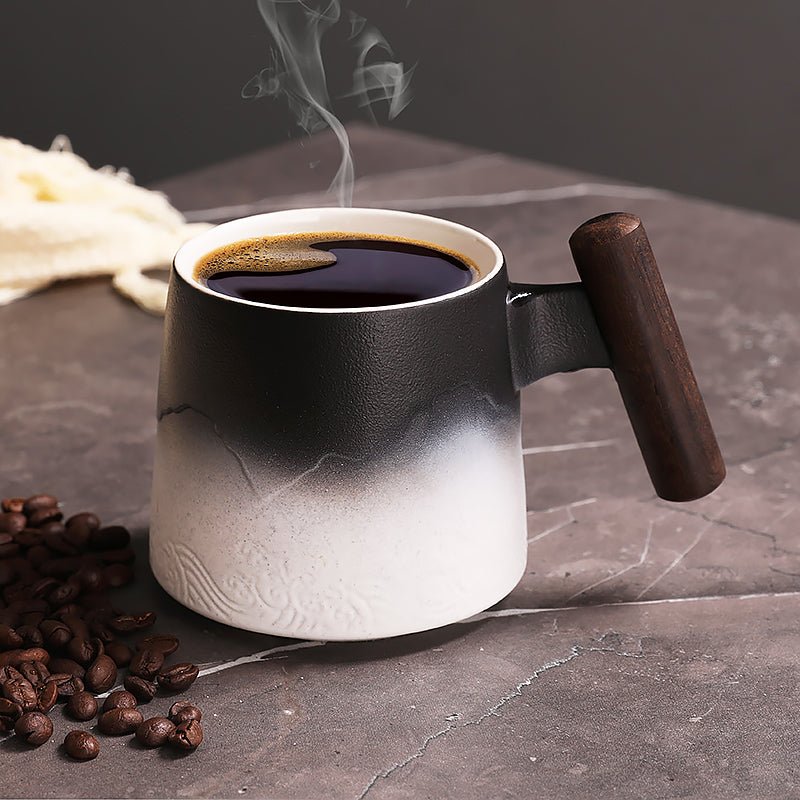
Coffee Mug Printing: What Buyers Should Check Before Ordering
Coffee mug printing is more than putting a logo on ceramic. We break down print methods, mug sizes, care, and the checks that matter before you buy.
En savoir plus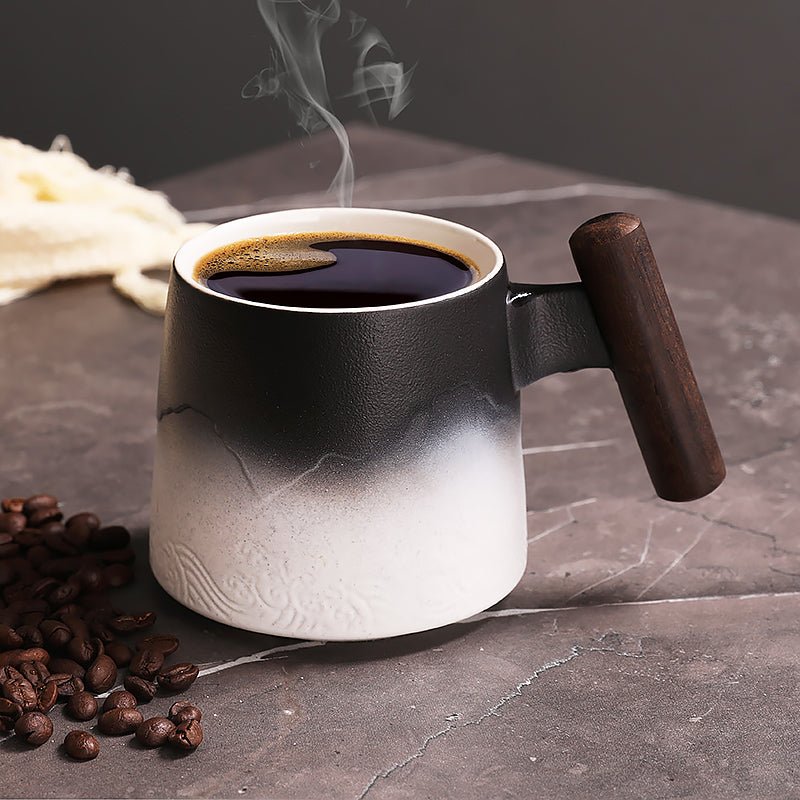
Yeti Rambler Coffee Mug: What Buyers Should Check Before Ordering
A practical look at the yeti rambler coffee mug, including size fit, lid style, cleaning, and the trade-offs that matter before you buy.
En savoir plus
Laisser un commentaire
Ce site est protégé par hCaptcha, et la Politique de confidentialité et les Conditions de service de hCaptcha s’appliquent.