
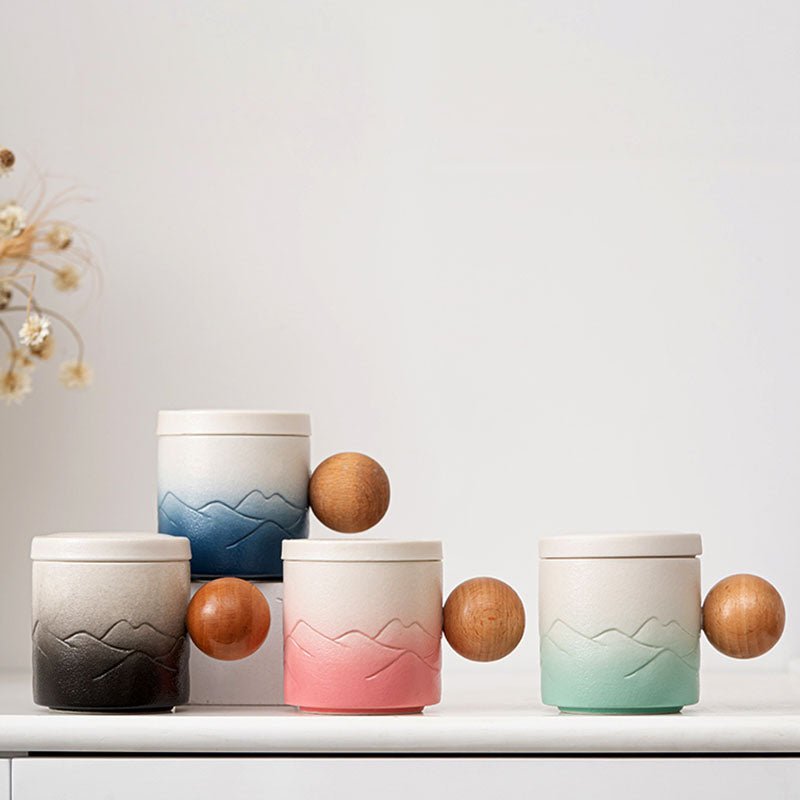
Massive Tea Cup Buying Guide for Daily Tea Drinkers
Reading time: about 8 minutes
A massive tea cup solves a very specific daily problem: the tea is gone before the conversation, the work block, or the book chapter is over. We see that most clearly from shoppers who want one cup that can handle a full pour, a splash of milk, and a little room left at the top without feeling cramped on the desk.
In our store, the people who choose a larger cup are usually trying to reduce refills, keep a tea bag or infuser from floating too high, or replace a small cup that feels delicate in the hand. If that sounds familiar, start by comparing the current options in our all mugs collection, then narrow the shape that fits how you actually drink tea.
Why does a massive tea cup make daily tea easier?
A larger cup is not just about holding more liquid. It changes the rhythm of a tea break. You get fewer trips back to the kettle, less chance of overfilling a small rim, and more room for add-ins like milk, honey, or ice if you like your tea cold.
That extra room also helps with real kitchen habits. A bag can steep without pressing against the rim, loose-leaf tea has more space to expand, and you are less likely to spill when you move from counter to couch or desk to meeting room. The trade-off is simple: the cup takes up more cabinet space and can feel bulky if you prefer a lighter, traditional teacup.
We usually see three use cases where a massive tea cup makes sense:
- Long desk sessions where you want one drink to last through a call or a task block.
- Morning routines that start with tea and do not stop for refills every ten minutes.
- Gift buying for someone who already uses oversized mugs for coffee, cocoa, or broth.
If you want a deeper comparison of size and daily use, we cover the same question from a slightly different angle in Big Tea Cup Buying Guide for Size, Comfort, and Daily Use.
What should you check before buying one?
We look at a few details every time we handle a new cup. The shape can look right in photos and still be awkward on a real countertop, especially if the base rocks, the handle is too tight, or the lip feels thin enough to grab heat too aggressively.
| Feature | Why it matters | What to avoid |
|---|---|---|
| Body material | Ceramic and stoneware usually feel stable and are easy to clean. | Very thin walls if you want a cup that feels solid in the hand. |
| Handle clearance | More space makes it easier to hold the cup with larger fingers or a full grip. | A narrow handle that pinches the knuckles. |
| Base stability | A flat, even foot ring helps the cup sit securely on a desk or tray. | A wobbly base that rocks on hard counters. |
| Rim thickness | A slightly thicker rim often feels more durable for daily use. | Sharp or overly thin lips that feel fragile. |
| Glaze finish | A smooth glaze is easier to wipe clean and usually looks better after repeated use. | Rough patches, pinholes, or uneven color where tea stains can build up. |
Material choice matters, too. Ceramic gives a familiar daily feel and a steady hand feel. Stoneware is usually heavier and more substantial. Porcelain can look refined, but if you want a cup that feels grounded and practical, many buyers still prefer ceramic. For more on that trade-off, we also recommend Tea Ceramic Cup Buying Guide: Size, Finish, and Daily Use.
What defects do we watch for?
In our experience, the most common problems with oversized cups are not dramatic. They are small things that become annoying fast: a handle that feels sharp at the joint, a glaze line that looks fine until light hits it, or a base that is slightly uneven and spins or rocks on the table. Those are the details that separate a cup you keep from one you only use once a week.
Which style fits your routine best?
The right massive tea cup depends on how you drink, not just how much you drink. We stock styles for different routines, and the best one for you is usually the one that matches your grip, your counter space, and the kind of tea you reach for most often.
Here is the quickest way to compare three options from our store:
| Product | What it suits | Why a shopper picks it |
|---|---|---|
| The Gradient Coffee Tea Mug | Desk use, casual gifting, everyday tea and coffee | A clean, modern look for buyers who want a cup that feels current without being fussy. |
| Retro Coffee Tea Cup | Home kitchens, morning tea, classic table settings | Best for shoppers who like a more familiar, old-school cup profile. |
| Ball Handled Coffee Tea Mug | People who care about grip and hand comfort | The handle shape gives it a distinct feel if standard mug handles usually feel cramped. |
If you are still unsure, our internal buying notes in Massive Mugs for Tea: Size, Shape, and Materials That Work explain the size and shape trade-offs in more detail. For most buyers, the decision comes down to one question: do you want the cup to disappear into your routine, or do you want it to be the thing that makes the routine easier?
What is a massive tea cup not good for?
A big cup is useful, but it is not the best answer for every tea drinker. If you want a formal tea service, a delicate porcelain presentation, or a cup that slips easily into a small cabinet, a massive tea cup can feel like too much object for the job.
It is also not the right pick if you are after a very hot drink that you sip slowly over a long period without losing temperature. A larger opening can let heat escape faster than a narrow cup, especially if you leave it uncovered at a desk. And if you often carry tea in a bag or commute with it, a large ceramic cup is the wrong format entirely.
That is the honest trade-off. A massive tea cup gives you comfort and capacity, but it asks for more storage space, a firmer grip, and a little more care when you move it around the kitchen.
How do you keep a large tea cup in good shape?
Large cups usually live a busy life. They go from sink to counter to dishwasher to desk, and that is where small flaws show up over time. The goal is not to baby the cup. The goal is to avoid the kinds of damage that make a good mug age badly.
- Rinse it soon after use if you drink dark tea often. That keeps tannin stains from setting into tiny surface marks.
- Do not move a hot ceramic cup straight onto a very cold surface if you can avoid it. Sudden temperature changes can stress some glazes.
- If the maker says dishwasher-safe, give the cup its own space so it does not knock against plates or other mugs during the cycle.
- Check the handle and base every so often for hairline cracks or chips, especially if the cup gets used on stone counters or in a crowded sink.
If you want a broader practical guide to finish and daily use, the details in Large Tea Cup Buying Guide for Daily Tea Drinkers are a good companion read. We wrote it for shoppers who want the buying process to be simple, not theoretical.
Frequently asked questions
How big should a massive tea cup be for daily use?
For most buyers, daily use means a cup that feels clearly larger than a standard teacup and still comfortable to lift with one hand. If you usually want one full pour with room for milk or ice, that is the right zone to shop in. The better question is not the exact number on paper, but whether the cup still feels balanced when it is filled.
Is a massive tea cup better in ceramic or stoneware?
Both work well, but they feel different. Ceramic usually feels cleaner and a little lighter in hand, while stoneware tends to feel heavier and more substantial. If you want a cup for everyday counter use and easy washing, ceramic is usually the safer default.
Will a massive tea cup keep tea hot longer?
Not automatically. A thicker cup can help hold heat, but a larger opening also lets heat escape more quickly than a narrow teacup. If heat retention matters most, look for a well-made cup with reasonably thick walls and avoid very thin rims.
Is a massive tea cup too heavy for one-handed use?
It can be if the body is thick or the handle is undersized. That is why handle clearance matters so much. We recommend checking how far your fingers sit from the cup body and whether the mug still feels easy to lift when full.
What tea types work best in a massive tea cup?
Loose-leaf black tea, herbal tea, milk tea, and even broth-like drinks are all good fits because they benefit from extra volume. A massive cup is less ideal for a tiny ceremonial serving or for tea drinkers who prefer several small pours throughout the day.
What should you compare before you check out?
Before you buy, compare these points side by side:
- How the handle feels in your hand, not just how it looks in the photo.
- Whether the cup base sits flat and stable on your desk or kitchen counter.
- Whether you want a modern look, a retro look, or a grip-first shape.
- How often you will wash it and whether the finish looks easy to keep clean.
- How much cabinet space you can realistically give it.
If grip is your main concern, start with the Ball Handled Coffee Tea Mug. If you want to browse the broader range first, go back to our all mugs collection and compare the shapes against your daily tea routine before you decide.
Read more
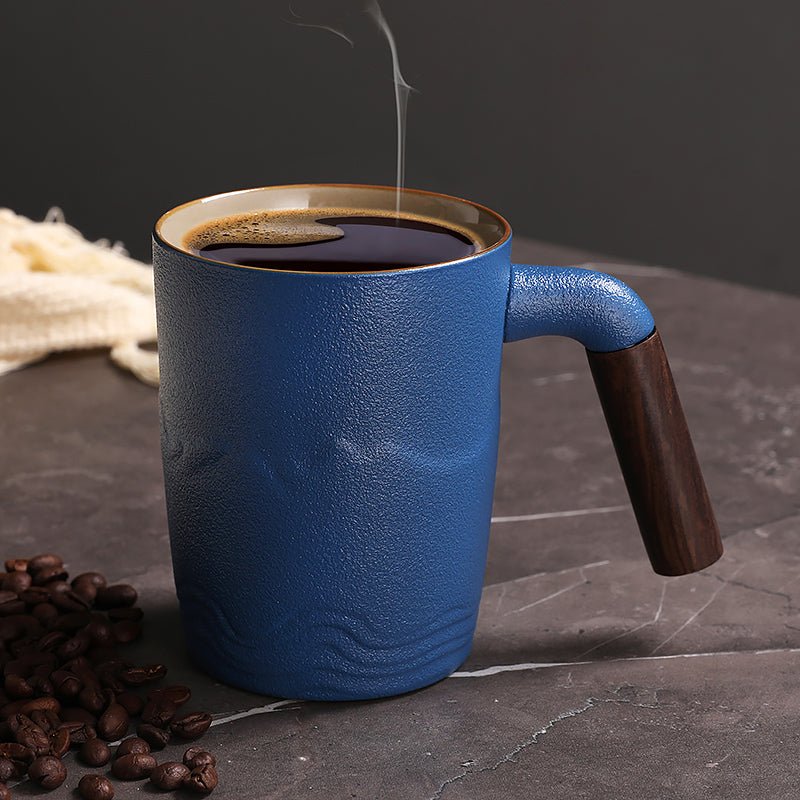
Garfield Coffee Mug: What to Check Before You Buy
A Garfield coffee mug should do more than look nostalgic on a shelf. We break down the details that matter in daily use, from size and handle comfort to finish, care, and which styles make better g...
En savoir plus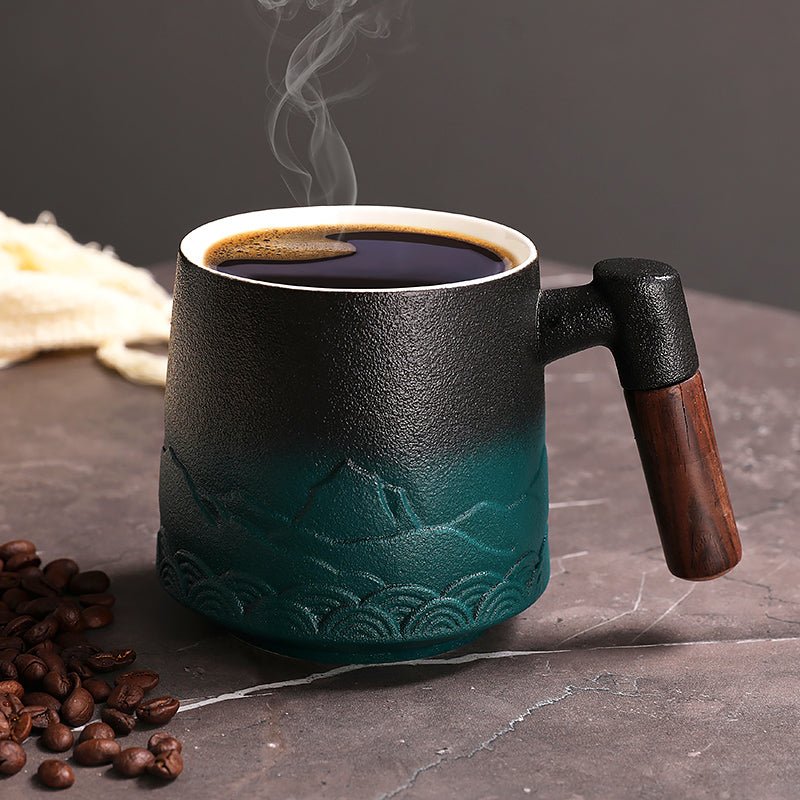
Coffee Mug Warmers: What Fits, What Fails, and What to Buy
Coffee mug warmers sound simple until a mug rocks on the plate, heats unevenly, or cools off the moment you step away. Here’s what actually matters when you’re comparing coffee mug warmers for desk...
En savoir plus
Laisser un commentaire
Ce site est protégé par hCaptcha, et la Politique de confidentialité et les Conditions de service de hCaptcha s’appliquent.