
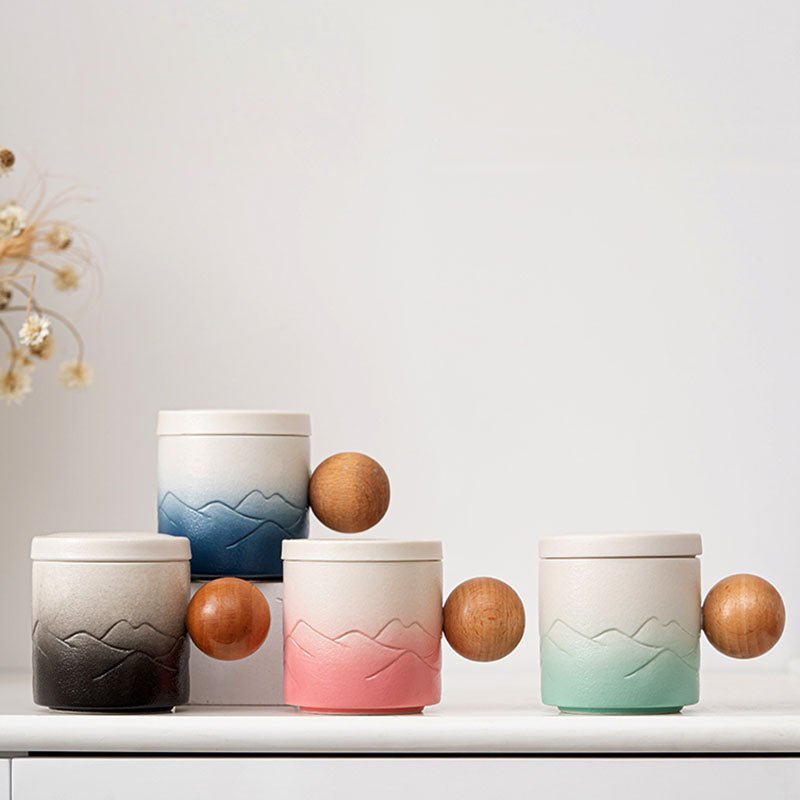
Loose Leaf Tea Mug Shape and Handle Guide: 3 Current Options
Reading time: about 10 minutes
A mug can look manageable in a product photo and still feel too wide, too small, or awkwardly shaped once it reaches a crowded desk. Our loose leaf tea mug shape and handle guide compares the details we can verify across three current CoffeifyMug options: listed capacity, named shape, visible opening, and handle form. We will also flag what the listings do not establish, including exact opening measurements, grip clearance, and the inclusion of any tea-brewing accessories.
These are drinkware products. They should not be assumed to include a loose leaf filter, infuser, strainer, lid, or other accessory unless that item is specifically listed on the individual product page. If you brew loose leaves directly, plan to use your own compatible brewing method.
Loose leaf tea mug shape and handle guide: what can we verify?
The clearest starting point is the product information that can be compared without guessing. The Ball Handled Coffee Tea Mug is listed at 250 ml with an 11.2 cm diameter. The Round Coffee Tea Mug is listed at 390 ml, while the Spittoon Coffee Tea Mug is listed at 400 ml.
| Current option | Listed capacity | Verified dimension | Shape or handle cue | Likely shortlist reason |
|---|---|---|---|---|
| Ball Handle | 250 ml | 11.2 cm listed diameter | Ball-style handle named in the listing | Smaller serving volume and a visually distinctive handle |
| Round | 390 ml | No dimension verified here | Rounded body named in the listing | A larger serving than the 250 ml option without choosing the largest listed size |
| Spittoon | 400 ml | No dimension verified here | Spittoon-inspired shape named in the listing | The largest listed capacity and a more unusual silhouette |
The 390 ml and 400 ml mugs are only 10 ml apart in listed capacity. That is a very small difference on paper, so shape and handle preference may matter more than volume when comparing those two. The 250 ml mug is the clearly different choice by capacity, although its listed 11.2 cm diameter means shoppers should not assume that lower volume automatically equals a narrow body or a tiny counter footprint.
How do 250 ml, 390 ml, and 400 ml change the daily fit?
Capacity affects more than the amount poured. It changes how often you refill, how much room you need for milk or other additions, and how much drink you commit to finishing before it cools. We see shoppers make better decisions when they compare the mug with their normal serving rather than automatically selecting the highest number.
- Choose 250 ml for a shorter serving: This can suit someone who prepares smaller batches, drinks tea in several fresh pours, or wants to limit the amount sitting beside a laptop. The trade-off is more frequent refilling.
- Choose 390 ml for a larger everyday pour: This provides 140 ml more listed capacity than the Ball Handle option. It can fit a shopper who regularly finds a 250 ml serving too short but does not have a strong reason to prioritize the largest number.
- Choose 400 ml for the largest listed option: This is the straightforward capacity choice for a long drink. It is only 10 ml above the Round mug, so select it primarily because you also prefer its visible shape.
For a closer volume-only breakdown, our 250 ml vs. 390 ml vs. 400 ml loose leaf tea mug capacity guide separates serving size from shape. That distinction matters here because two mugs with nearly identical capacity can occupy space differently or present a different opening and handle profile.
Which mug shape suits a desk, kitchen counter, or gift?
On an office desk, we pay attention to the full footprint rather than capacity alone. A mouse, notebook, charger, and mug often share the same narrow area. The Ball Handle mug has a verified 11.2 cm listed diameter, but that figure should not be treated as its complete side-to-side footprint because a projecting handle may add width. Check the current product images and dimensions before deciding it will fit a specific coaster or desk gap.
The Round 390 ml option makes sense for a shopper who wants a fuller serving and prefers a rounded visual profile. Its capacity sits much closer to the 400 ml mug than to the 250 ml mug. If the mug will live on an open kitchen shelf, compare the silhouette in the listing images with the other cups you already own; curved bodies can look balanced in a mixed drinkware set, but visual fit is personal.
The Spittoon 400 ml option is the more shape-led choice. Its named silhouette makes it relevant for someone who wants drinkware that does not resemble a standard straight-sided office mug. That also makes it a possible gift choice when visual distinction matters. The limitation is that an unconventional body is harder to assess from capacity alone, so the recipient's preference for unusual drinkware should be considered before purchase.
Shoppers building a mixed set or looking beyond these three forms can compare the wider unique coffee mug collection. Despite the collection name, individual tea and coffee mug listings remain drinkware unless additional components are expressly identified.
What does the visible opening tell you before ordering?
The opening is worth inspecting because it affects how the mug looks from above and whether a separate brewing accessory appears proportionate. Here, we compare the opening only as visible in the current product photography. We do not have verified opening measurements for all three options, and camera angle can make a rim appear wider or narrower than it is.
Use the listing images for a practical visual check:
- Look for an elevated product angle. A top-down or three-quarter view reveals more of the opening than a straight-on image.
- Compare the rim with the body. This helps you judge whether the opening appears visually prominent, tapered, or consistent with the mug's widest section.
- Do not use capacity as an opening measurement. A 400 ml body does not necessarily have a wider mouth than every smaller mug.
- Measure your own accessory. If you already own a basket infuser, check its rim-to-rim width and support tabs against any dimensions confirmed on the product page. Do not assume universal compatibility.
A visibly open top may be useful to shoppers who want easy visual access while pouring or cleaning, but photography cannot establish exact compatibility with an infuser. A purpose-built infuser mug may be a better choice if a fitted filter and lid are essential parts of your routine. These linked products should not be bought on the assumption that those pieces are supplied.
How should handle form affect your shortlist?
The Ball Handle option gives the clearest handle-specific cue: its ball-style handle is part of the product name and visible design. That makes it a style-forward choice for shoppers who prioritize a distinctive grip form. It is not possible to promise that this form will feel better for every hand. Finger size, grip method, mug weight when filled, and joint comfort all change the experience.
For the Round and Spittoon options, review the current listing photography for handle shape and clearance rather than inferring details from the body name. A few checks help:
- Finger clearance: Estimate how many fingers the visible handle opening appears to accommodate, but treat this as a visual estimate unless measurements are listed.
- Grip style: Decide whether you normally hook one finger through a handle, use several fingers, or support the mug body with your other hand.
- Projection: A handle that extends farther from the body can increase the mug's total shelf, cupboard, or desk width.
- Filled volume: A 390 ml or 400 ml mug can hold more liquid than a 250 ml mug. Shoppers sensitive to carrying weight may prefer a smaller pour even if they like the larger shape.
A novelty handle is not automatically an ergonomic handle. In our experience selling visually distinctive drinkware, the best expectation is to treat unusual handle geometry as a design choice first. Shoppers who need a large, measured handle opening for accessibility should choose a listing that provides those exact dimensions rather than relying on photographs.
Which current option matches a specific buying situation?
Each recommendation should connect the buyer's routine to a verified product difference:
- For smaller, freshly repeated servings: The 250 ml capacity provides a clear reason to choose the Ball Handled mug. Its named handle also gives it a distinctive visual identity. Check the listed 11.2 cm diameter against your coaster or storage space before ordering.
- For a larger serving with a rounded profile: The 390 ml Round mug fits shoppers who want substantially more capacity than 250 ml and prefer its visible body shape. Do not choose it over the 400 ml option based on a major volume difference; only 10 ml separates their listings.
- For the largest listed capacity and an unconventional silhouette: The 400 ml Spittoon mug is the direct next step. It is less suitable for someone who wants the appearance of a standard straight-sided mug.
- For a fitted loose leaf brewing system: None of these should be assumed to meet that need. Look for a product that explicitly lists the required filter, infuser, or lid.
If the mug will remain at a workstation, our loose leaf tea mug guide for desk use covers refill frequency, available surface space, and product fit in more detail.
What should you check at delivery and before routine care?
Gift unboxings and first use are the right times to inspect drinkware closely. Remove the packaging and check the rim, body, base, and handle connection under good light. Look for chips, visible cracks, sharp irregularities, or damage around the points where the handle joins the body. If anything appears damaged, do not use the mug for a hot drink; follow the store's current support process instead.
Wash the mug before first use according to the care information supplied with the product. Do not infer dishwasher or microwave suitability from the mug's shape, capacity, or product photography. If the listing or care label does not confirm a cleaning method, hand washing is the more cautious approach until instructions are verified. That is especially relevant for decorative surfaces, which may have care limits not visible in a photograph.
Loose leaves can remain around the lower interior after drinking, so empty them using your normal disposal method before washing rather than sending a large amount of leaf material down the drain. A wide-looking opening may make the interior easier to see, but we do not claim a cleaning advantage without verified internal measurements and hands-on care testing for each finish.
A five-point check before you choose
- Match the serving: Select 250 ml for a smaller pour, or compare 390 ml and 400 ml as near-equal larger capacities.
- Check the full footprint: Use verified dimensions where available and remember that a projecting handle can add width.
- Inspect the visible opening: Use elevated photos, but do not treat perspective as a measurement.
- Choose the handle deliberately: The ball handle is a visual feature, not a universal comfort guarantee.
- Plan your brewing setup: Buy these as drinkware only and supply your own compatible loose leaf brewing accessories.
Start with capacity, then use shape and handle preference to break the tie. The current unique mug collection gives you the clearest next view of available silhouettes and product-page details.
Frequently asked questions
Which option in this loose leaf tea mug shape and handle guide is smallest?
The Ball Handle mug has the smallest listed capacity at 250 ml. It also has a listed 11.2 cm diameter, so confirm that measurement against your coaster, cupboard, or desk rather than assuming the smallest capacity has the smallest overall footprint.
Is there a meaningful capacity difference between the Round and Spittoon mugs?
The Round mug is listed at 390 ml and the Spittoon mug at 400 ml, a difference of 10 ml. For most comparisons, their shape, visible opening, and handle presentation provide more useful separation than capacity alone.
Do these loose leaf tea mugs include an infuser or filter?
No brewing accessory should be assumed to be included. The linked products are drinkware only unless the individual listing explicitly identifies an infuser, filter, strainer, lid, or other component.
Can I tell if my basket infuser will fit from the product photos?
Photos can help you assess the visible opening, but they cannot confirm fit without measurements. Measure the infuser and compare it with verified mug-opening dimensions if listed; otherwise, choose drinkware or an infuser system with stated compatibility.
Is the ball handle more comfortable than a standard handle?
Comfort depends on hand size, grip style, filled weight, and personal preference. The ball form is a distinctive design feature, but it should not be treated as an ergonomic guarantee, particularly for shoppers who need measured finger clearance or an accessibility-focused handle.
More from our blog
Read more
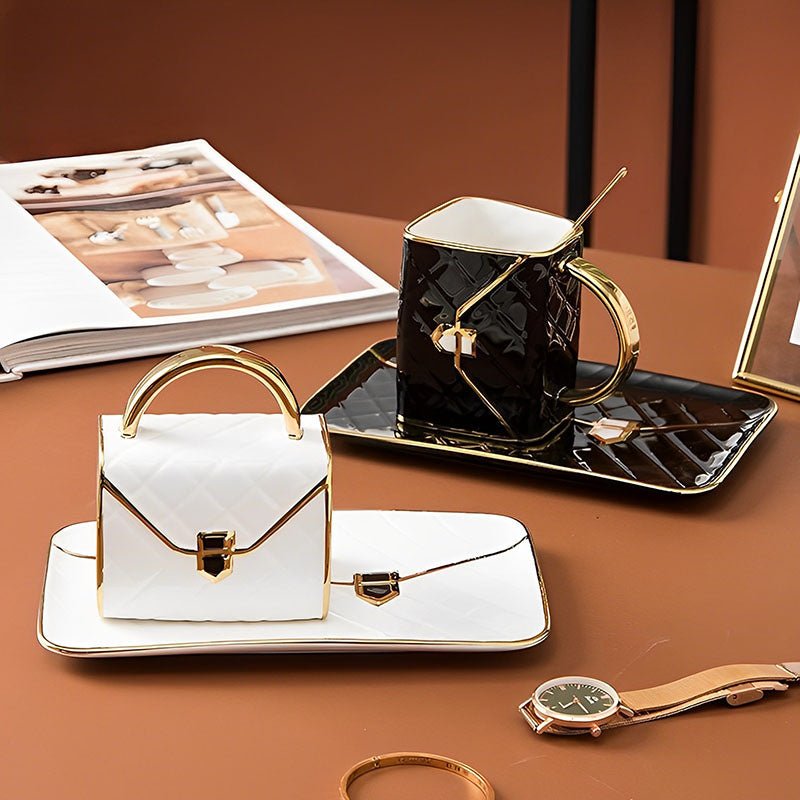
Unique Design Coffee Mugs Capacity Guide: 400, 440 or 480 ml?
Compare the current 400, 440, and 480 ml designs by serving size, refill pattern, desk use, gifting fit, and practical fill allowance. Includes direct matches for the Handbag, Rhombus, and Crane mugs.
En savoir plus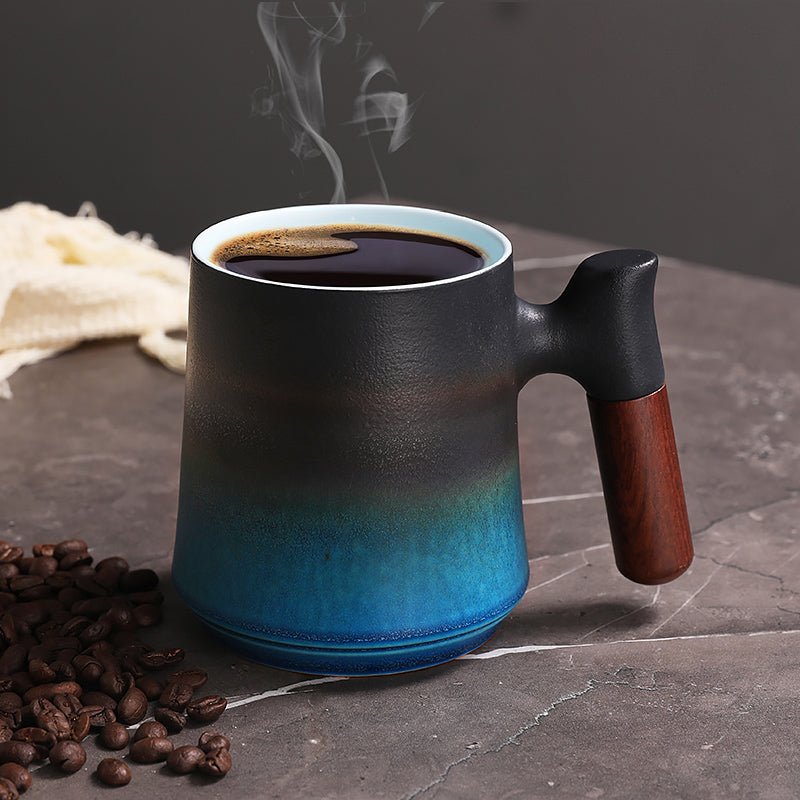
Hot Toddy Mug Shape and Handle Guide: Current Options
Compare CoffeifyMug's current 400 ml and 480 ml ceramic mugs by capacity, visible body shape, handle form, storage fit, and everyday use before choosing.
En savoir plus
Laisser un commentaire
Ce site est protégé par hCaptcha, et la Politique de confidentialité et les Conditions de service de hCaptcha s’appliquent.