
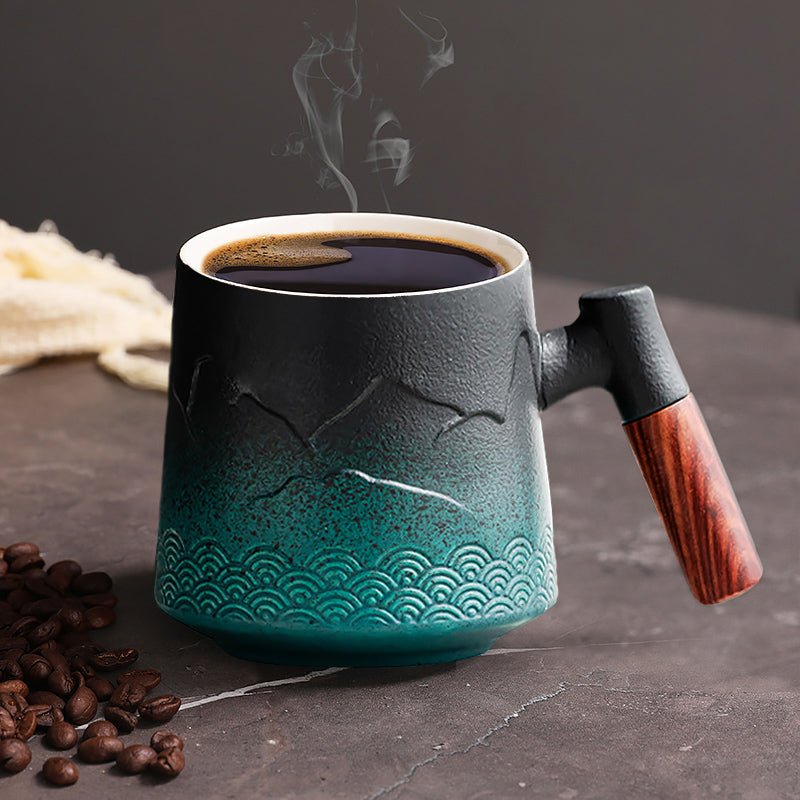
Insulated Coffee Mug with Handle and Lid: What Buyers Should Check
Reading time: about 10 minutes
A mug that keeps coffee warm, fits a hand comfortably, and doesn’t spill onto a keyboard gets used every day. That is the bar we use in our store when we look at an insulated coffee mug with handle and lid.
We see shoppers comparing this category for different reasons: a long morning commute, a desk setup that needs a stable mug, or a gift that should feel more useful than decorative. The tricky part is that not every insulated mug with a handle solves the same problem. Some are better for keeping drinks hot at a desk. Some are easier to wash. Some are made for travel, while others are really at home on a kitchen counter.
If you want the bigger category view first, our Insulated Coffee Mug Buying Guide covers the core checks we use before we list a mug in our store. This article narrows the focus to handles and lids, because that is where many buyers make the wrong trade-off.
What does an insulated coffee mug with handle and lid actually do well?
This style is for people who want temperature help and a more comfortable grip than a bare tumbler gives. The handle makes a difference on a crowded desk or when the mug is full and hot. The lid helps slow heat loss and reduces splashes if you move between the kitchen and your workspace.
In practice, this category works best for:
- Morning coffee that sits on a desk for a while
- Tea, hot cocoa, or other hot drinks that you sip over time
- Home use, office use, and short moves around the house
- Gift buyers who want something more practical than a decorative mug
It is not the best choice for every situation. If you need a mug that goes into a bag, survives a rough commute, or replaces a full travel tumbler, a more sealed travel design may be better. A handle can also take up more space in a cup holder, drawer, or dishwasher rack. That is the trade-off.
Which lid type should you choose for daily use?
The lid matters as much as the body. We see buyers focus on insulation and ignore the top, then get frustrated when the lid drips, pops open too easily, or is awkward to clean.
For an insulated coffee mug with handle and lid, the common lid styles usually fall into a few groups:
- Slide or sip lid — Good for desk use and quick sips, but usually not fully leakproof.
- Press-fit lid — Simple and easy to remove, though it may not feel as secure as a threaded lid.
- Threaded lid — Better for a tighter seal, but slower to open and close.
In our experience, people who keep a mug at a desk often prefer an easy-open sip lid. People who move around the house or office tend to want a tighter fit. If you plan to carry hot coffee in a tote bag, check the lid carefully and do not assume “lid included” means spill-safe.
For a broader look at mug tops and spill concerns, see our Coffee Mug with Lid: What Buyers Should Check Before They Order.
What materials feel best, and which ones are easier to live with?
Material affects weight, heat retention, durability, and the feel in the hand. When we handle mugs for our store, we pay attention to the wall feel, rim thickness, and how the handle is attached. Those details affect daily use more than product photos usually show.
The most common material choices in this category are:
| Material | What it feels like | Best for | Trade-off |
|---|---|---|---|
| Stainless steel | Solid, sturdy, usually best at holding heat | Long desk sessions, durable daily use | Can feel less like a classic coffee mug; some people notice a metallic drinking experience if the liner is not well made |
| Ceramic | Familiar coffee-mug feel, heavier, pleasant rim | Home use, gifting, people who want a traditional mug look | Usually less impact-resistant than steel and can chip if handled roughly |
| Double-wall insulated glass | Clean look, lighter visual feel, good for seeing the drink | Kitchen use, presentation, tea drinkers | More fragile and typically not the first choice for rough daily use |
If you are specifically comparing ceramic options, our Ceramic Coffee Mug with Lid: What to Check Before You Buy breaks down where ceramic makes sense and where it does not.
For buyers who want a mug that feels substantial and office-friendly, we usually point them toward stainless steel or well-made ceramic. If your priority is a cozy home coffee ritual, ceramic often wins. If your priority is durability and heat retention, steel usually has the edge.
How big should the mug be for coffee, tea, or cocoa?
Size changes the experience more than most people expect. A mug that is too small runs out quickly. A mug that is too large cools slowly at first but can become awkward to hold when full.
Common size checkpoints we use:
- 12 oz — Better for a short coffee, espresso-based drinks, or people who refill often
- 16 oz — A balanced everyday size for many drip coffee drinkers
- 20 oz — Better for bigger pours, iced-to-hot flexibility, or a long morning at a desk
Handle size matters too. A mug can have excellent insulation and still feel wrong if the handle is too narrow for two fingers or too small to grip comfortably with gloves or cold hands. We also pay attention to the base diameter, because a wider mug can be steadier on a desk but less friendly in a narrow cup holder.
If size is the main question, our 20 oz Coffee Mug: What to Check Before You Buy is helpful for shoppers who are choosing between a standard mug and something larger.
What details tell you a mug is built well?
Real quality shows up in the small parts. The handle should feel secure and not flex when the mug is full. The lid should seat cleanly without wobbling. The rim should be smooth enough for comfortable sipping. We also look closely at the seam, the finish, and how easy it is to wash around the lid channel.
Here are the details we check before we recommend this category:
- Handle attachment — A loose or thin handle can make a full mug feel awkward and unsafe.
- Lid fit — If the lid does not align cleanly, you may get heat loss or small drips.
- Interior finish — A smooth interior is easier to clean and less likely to hold coffee oils.
- Rim comfort — A sharp or uneven rim makes daily sipping annoying fast.
- Base stability — A mug should sit flat and steady on a desk, counter, or bedside table.
The common defect modes we watch for are simple: a lid that warps after washing, a handle that feels thin for the mug’s size, finish wear around the rim, and staining or smell retention if the interior is not easy to clean. These are the kinds of issues that become obvious after a few dishwasher cycles or a week of daily coffee, not just in a product photo.
How easy is it to clean, and does it fit real routines?
A good mug is only good if people actually wash it. That sounds obvious, but in real life, the harder a lid is to disassemble, the more likely it is to sit in the sink. We think about kitchen-counter reality, not just product specs.
Before you buy, check whether:
- The lid can be removed without wrestling it off
- There are grooves or gasket areas that will trap coffee residue
- The mug is dishwasher-safe, or if only certain parts are
- The finish can handle repeated washing without dulling too quickly
Our practical advice is simple: if you hate hand-washing small parts, choose a design with fewer crevices. If you like a tight seal, accept that a more secure lid often takes a little more cleaning. That is a fair trade, but only if you know it before you buy.
For shoppers who mainly want a mug with a lid and are comparing styles, our lid-focused buying guide is a useful companion read.
Who should skip this style and choose something else?
This is the part many product pages skip. An insulated coffee mug with handle and lid is not the best answer for everyone.
You should probably choose a different style if you:
- Need a fully sealed travel mug for a bag or car commute
- Want the lightest possible cup for backpacking or outdoor carry
- Prefer a classic open mug with no lid at all
- Need a mug that fits tightly in a standard car cup holder
For example, a handle is excellent at a desk, but it can get in the way in a car. A lid can reduce splashes, but it does not always make a mug truly leakproof. And if you want the visual warmth of a ceramic mug for home use, an insulated steel body may not feel as inviting, even if it performs well.
That is why we often recommend starting with use case, not appearance. A mug that looks perfect on a shelf can be frustrating at 7:30 a.m. if the handle is wrong or the lid is fiddly.
What should you compare before placing an order?
If you are deciding between a few options, we suggest comparing the same details every time. That makes it easier to separate a practical mug from a pretty one.
- Insulation style — Is it built for long heat retention, or just light temperature help?
- Lid type — Sip-friendly or more secure?
- Material — Stainless steel, ceramic, or glass?
- Size — 12 oz, 16 oz, 20 oz, or larger?
- Cleaning — Dishwasher-friendly or hand-wash only?
- Handle comfort — Does it feel right with a full mug?
- Use case — Desk, home counter, gift, or occasional travel?
If you want to compare all of our current options in one place, start with our collection of mugs and drinkware. That is usually the fastest way to narrow the field before you choose a specific style.
Frequently asked questions
Is an insulated coffee mug with handle and lid leakproof?
Not always. Many are splash-resistant or better at reducing spills than an open mug, but that does not mean they are safe to toss into a bag. If you need leakproof performance, check the lid design carefully and choose a true travel mug style instead.
Is stainless steel or ceramic better for an insulated mug with a handle?
Stainless steel is usually better for durability and heat retention. Ceramic feels more like a traditional coffee mug and is often nicer for home use, but it can chip and is usually less forgiving if dropped.
Can I put an insulated coffee mug with handle and lid in the dishwasher?
Some are dishwasher-safe, but not all parts are treated the same. We recommend checking whether the body and lid can both go in the dishwasher, and whether hand-washing the lid will help it last longer.
What size is best for everyday coffee?
For many people, 16 oz is the easiest everyday choice. If you drink smaller pours or espresso-based drinks, 12 oz can feel better. If you want one large mug to last through a long work session, 20 oz is worth considering.
Why does the handle matter so much on an insulated mug?
A handle changes how secure the mug feels when it is full and hot. It also keeps your hand farther from the warmed body, which makes a difference if you drink slowly or prefer a more traditional mug grip.
If you are still comparing options, use this quick check before you buy: lid type, material, size, cleaning method, and whether the handle suits the way you actually drink coffee. Then browse our current selection on the CoffeifyMug collection page and pick the mug that fits your desk, kitchen, or gift list best.
More from our blog
Read more
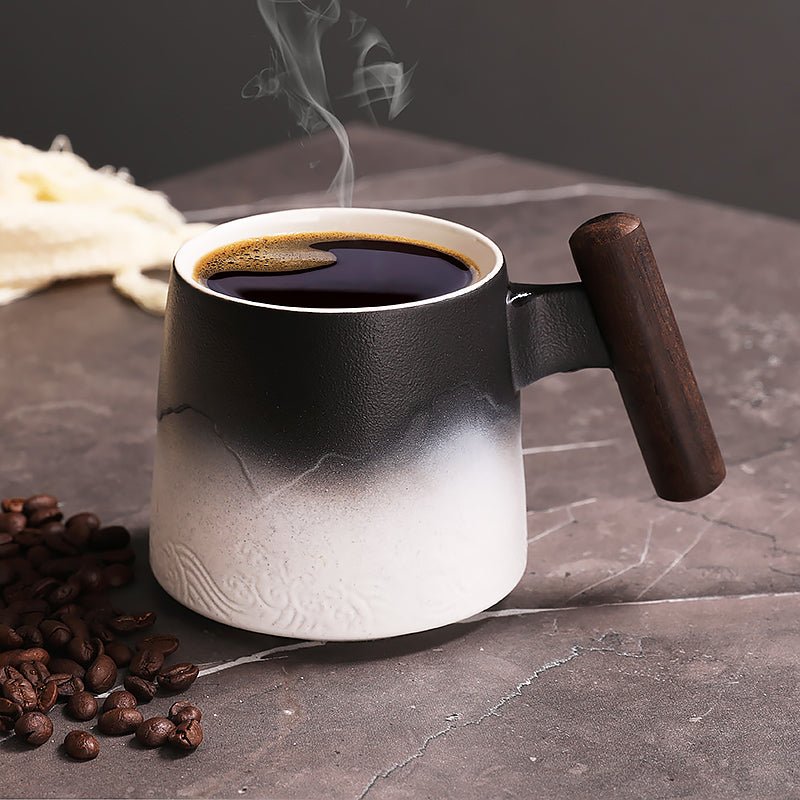
Coffee on the Go Mugs: What to Buy for Commutes and Desk Use
A practical buying guide for coffee on the go mugs, with real trade-offs on size, lid style, materials, cleaning, and fit. Built for shoppers comparing options before they buy.
En savoir plus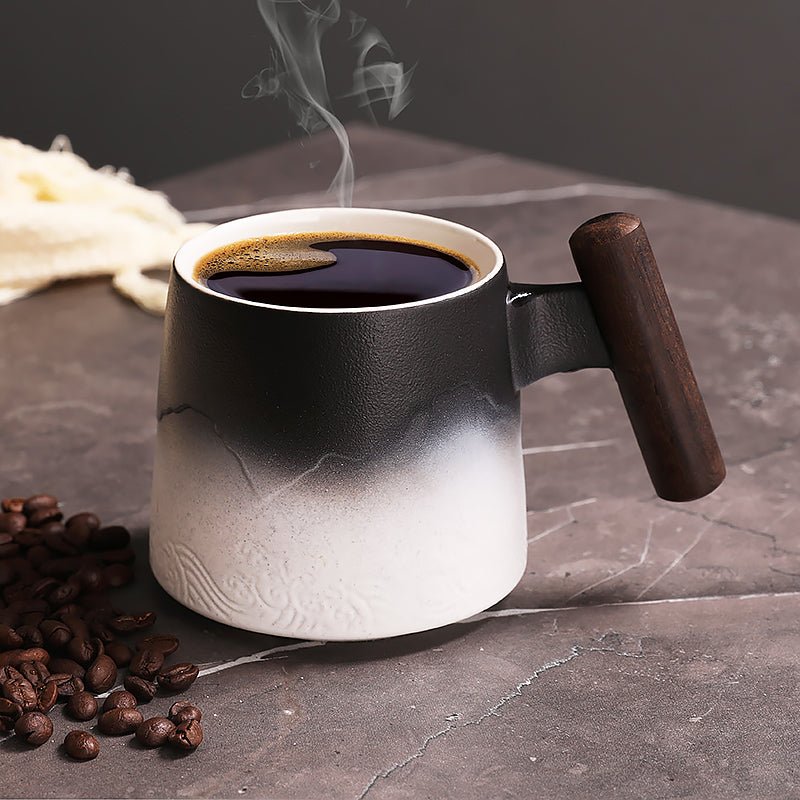
Coffee Mugs Near Me: How to Compare Size, Material, and Everyday Use
If you searched for coffee mugs near me, you probably want something you can buy without guesswork. This guide breaks down size, material, care, and everyday trade-offs so you can choose a mug that...
En savoir plus
Laisser un commentaire
Ce site est protégé par hCaptcha, et la Politique de confidentialité et les Conditions de service de hCaptcha s’appliquent.