
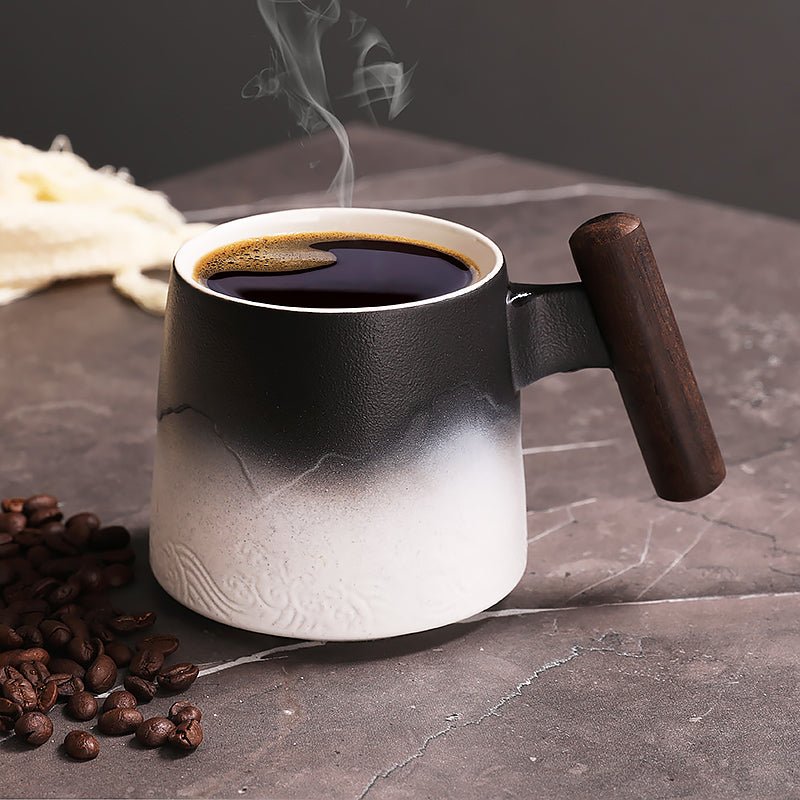
Coffee on the Go Mugs: What to Buy for Commutes and Desk Use
Reading time: about 12 minutes
A mug that leaks into a tote bag or slides around in a cup holder gets retired fast. We see that happen with coffee on the go mugs more often than shoppers expect, especially on mornings when one hand is on a phone, the other is on the car door, and the coffee has to survive the trip without drama.
Our store sees the same buying pattern again and again: people want something easy to carry, easy to drink from, and easy to clean after a real day, not just after the first unboxing. That means the best pick is not always the biggest mug or the one with the longest insulation claim. It is usually the one that matches how you actually move through the day. If you want to browse options as you read, our products page is the quickest place to start, and the full range in our collection helps you compare styles side by side.
What should coffee on the go mugs do well every day?
The daily test is simple: does the mug make your routine easier, or does it add one more thing to manage? A good mug should close securely, fit the places you actually set it down, and feel comfortable in the hand when it is full. In our experience, the lid and the base shape matter more than shoppers think at first glance.
We look at three concrete details first. The lid should seat evenly with no wobble at the edge. The body should fit common cup holders, because a mug that tips in the car becomes a problem by day two. The drinking opening should match the way you sip; a wide opening is easier to clean, while a narrower sip slot tends to splash less during a commute.
Common materials and what they mean in real use:
- Stainless steel: Best for durability and travel. It handles bumps better and usually holds heat longer when insulated.
- Ceramic-lined interiors: Better if you care about a cleaner coffee taste, but less forgiving if dropped or knocked against a sink.
- Plastic components: Lighter and sometimes cheaper to make, but the lid quality and seal matter a lot more because the whole mug can feel less substantial.
We also pay attention to what the mug is not great for. A tall travel mug with a tight lid is usually not the right match for slow, all-morning sipping at a desk if you want coffee to stay at a steadier temperature. A ceramic-style mug is not the best choice if it is going to live in a packed backpack or get tossed into the back seat. Different routines need different trade-offs.
Which size works best for commuting, office use, or errands?
Size changes how a mug feels from the first pour. A 12 oz mug is compact, easy to carry, and often enough for a shorter commute or a single cup before work starts. A 16 oz mug is the middle ground most shoppers end up considering because it covers the ride plus the first stretch at the desk. A 20 oz mug makes sense for longer drives, longer shifts, or anyone who does not want to stop for a refill.
The trade-off is real. Bigger mugs are heavier once filled, take more space in a bag, and can be awkward if your car’s cup holder is narrow. Smaller mugs are easier to carry, but they cool faster if you sip slowly or leave them open on a desk. We have seen customers choose a larger size and then stop using it because it simply felt too bulky for everyday carry.
| Size | Best for | Main trade-off |
|---|---|---|
| 12 oz | Short commutes, espresso drinks, lighter carry | Less capacity if you drink a lot before lunch |
| 16 oz | Daily commuting and office desks | Can feel bulkier in smaller bags |
| 20 oz | Long drives, long shifts, fewer refill breaks | Heavier and less compact when full |
If you are comparing capacity more closely, our size-focused guides on all CoffeifyMug products and the broader selection on our products page are useful next stops once you know whether compact, medium, or large is the better fit.
What lid style is safest for cars, backpacks, and trains?
The lid is the part that decides whether a travel mug stays in rotation. A lid that looks sleek but opens awkwardly will frustrate you on the school run or in traffic. A good lid should close confidently, release liquid in a controlled way, and resist splashing if the mug gets bumped.
For car use, we usually favor lids that are simple to open with one hand and cups that sit low enough not to wobble in a holder. For walking or train use, tighter spill resistance matters more than comfort because bags get jostled, doors close fast, and your grip changes constantly. A mug can be excellent on a desk and still fail in transit if the lid has too many moving parts.
What we check in a lid:
- The seal closes evenly all the way around, with no loose spots.
- The drinking port opens and closes smoothly without forcing the lid sideways.
- The silicone gasket is removable or at least easy to rinse clean.
- The lid does not feel flimsy when twisted or tightened.
- The mug can be used without both hands every time you take a sip.
The weak point we see most often is not the body of the mug. It is the lid mechanism, especially around the gasket and sip opening. Coffee residue can build up there quickly if the lid has deep channels or too many corners. That is why we prefer simpler lid designs for shoppers who drink coffee every day and wash quickly after use.
Which material is better: stainless steel, ceramic, or plastic?
This choice affects taste, durability, and cleanup more than most buyers expect. Stainless steel is usually the most practical for coffee on the go mugs because it is tough enough for commuting bags, car consoles, and kitchen counters that already have enough clutter. Ceramic feels closer to a home mug, which some shoppers love, but it is easier to chip or crack. Plastic is the lightest, though it often feels less refined and usually does not retain heat as well as a good insulated option.
We tell shoppers to match the material to the actual route, not the wish list. If the mug is leaving the house every morning and going into a car, stainless steel is the safer choice. If it will sit on a desk beside a keyboard and a notebook, ceramic can be pleasant. If it needs to be as light as possible, plastic may work, but only if the lid and seal are strong enough to hold up to daily use.
Real-world wear points we watch for:
- Painted exteriors can scuff if the mug rides in a bag with keys or chargers.
- Silicone gaskets can trap coffee oils if they are hard to remove.
- Thin walls can make the mug feel hot in the hand and may cool the drink faster.
- Lid threads or tabs can loosen over time if they are not well made.
There is also a trade-off in taste. A good stainless steel mug should not add a strong metallic note, but a poorly cleaned lid or cheap seal can affect the flavor more than the cup body itself. If taste sensitivity matters most, ceramic-lined options deserve a closer look, though they are not the best fit for rough commutes or packed bags.
How easy is it to clean a mug after coffee gets left in it?
Cleaning is where many travel mugs start to annoy people. A mug can look great on the counter and still be a pain if the lid has tiny channels, the mouth is narrow, or the gasket takes effort to remove. We have seen plenty of mugs abandoned after a few weeks because people did not want to deal with stubborn coffee oils in the lid.
Our practical rule is straightforward: the easier the lid comes apart, the more likely the mug is to stay in daily use. If you can rinse the seal, wash the sip opening, and scrub the interior without special brushes, that mug is easier to live with. Dishwasher-safe is helpful, but it does not solve every problem if the lid design traps residue.
Before you buy, check these care details:
- Can the lid and gasket be removed for cleaning?
- Are the body and lid both dishwasher-safe, or only one part?
- Is the inside smooth enough to rinse without a bottle brush?
- Does the lid have channels that hold coffee oil?
- Will you hand-wash it after every use, or do you need a low-maintenance option?
In our store, the mugs that get used longest are the ones with fewer hidden crevices. That matters even more for office desks and car commutes, where people tend to finish coffee later and may not rinse immediately. A mug that needs extra effort after every refill is more likely to be left on the shelf.
Which coffee on the go mugs work best for car holders and work bags?
Car use changes everything. A mug that feels balanced in the hand can still be a bad fit if it wobbles in a cup holder or requires two hands to open. For work bags, the issue is different: the mug must stay sealed while it is knocked around with a laptop charger, lunch box, and notebook.
For cars, base diameter matters as much as height. A narrow, tall mug may seem streamlined but can feel unstable in some cup holders. A wider base may be more secure on a desk yet too broad for smaller vehicles. For trains or buses, a slimmer profile and a lid that closes without splashing are usually more useful than maximum capacity.
We often see shoppers focus on insulation first. In real daily use, lid design and fit in the car usually decide whether the mug becomes part of the routine or gets left behind.
If your mug will spend time in both a car and an office, the best compromise is usually a medium-capacity stainless steel mug with a dependable lid and a body shape that is not overly wide. That combination is not the flashiest, but it is the one most likely to keep working after the first week.
What trade-offs should you expect before buying coffee on the go mugs?
No mug solves every problem. More insulation usually means more weight. A slimmer mug is easier to carry, but it often gives you less coffee and may not stay hot as long. A mug that is easy to clean may have a simpler lid, while a more advanced lid can be harder to maintain. A polished finish may look great on a kitchen counter, but it may show scuffs after a few weeks in a tote bag.
That is why we keep coming back to routine. If you sip coffee slowly at a desk, a ceramic-style mug may be enough. If you leave early, walk from the car to the office, and carry your mug in a bag, stainless steel with a secure lid is usually the better choice. If you want a gift, think about the recipient’s habits instead of guessing by style alone. A good-looking mug that is awkward to clean will get used less than a simpler one that fits the day.
Use this quick trade-off checklist:
- Heat retention vs. weight: Better insulation usually means a heavier mug.
- Capacity vs. portability: Larger mugs hold more, but they are harder to carry.
- Style vs. scuff resistance: Glossy finishes may show wear sooner.
- Complex lids vs. easy cleaning: More features often mean more cleanup.
Which coffee on the go mugs make the best gift?
Gift buying is tricky because you are choosing for someone else’s routine. A mug that works well for you may not suit a friend who drinks slowly, commutes by train, or keeps coffee at a desk all morning. For that reason, simple and practical usually wins.
We usually steer gift shoppers toward a 12 oz or 16 oz mug because those sizes are easier to use in more situations. They feel familiar on a desk, are less likely to be oversized in a bag, and are often a safer bet if you do not know the recipient’s exact routine. Neutral colors also tend to age better than highly trendy finishes.
Packaging and first impressions matter too. A mug with a solid lid, clean finish, and straightforward care instructions gives a better unboxing experience than one that looks stylish but feels flimsy in the hand. If you are buying from our store, the products page and full collection are both good places to compare gift-friendly options without overthinking the choice.
Frequently asked questions
Are coffee on the go mugs dishwasher safe?
Some are, but not every part always is. We always recommend checking the cup, lid, and silicone gasket separately, because lids often need more careful washing than the body. If the lid has a locking mechanism or several small parts, hand-washing that piece is usually the safer routine.
What size coffee on the go mug is best for a daily commute?
For most commuters, 16 oz is the most balanced size because it gives enough coffee without feeling oversized. If your drive is short or you prefer a smaller pour, 12 oz can be easier to carry and quicker to finish. For long drives or long work shifts, 20 oz may be the better fit.
Do stainless steel mugs change the taste of coffee?
A well-made stainless steel mug should not leave a strong taste if it is cleaned properly. The bigger issue is usually residue in the lid or gasket, not the steel itself. If taste purity is your top priority, a ceramic-lined option may suit you better, as long as you are comfortable with the lower impact resistance.
Can I use coffee on the go mugs for iced coffee too?
Yes, many of them work for both hot and iced drinks. The main thing to check is the lid opening and capacity. If you use ice often, a wider mouth and enough room for cubes will make the mug much easier to fill and clean.
What is the most common problem with travel mugs?
Leak-prone lids are the biggest frustration we hear about, followed by mugs that are hard to clean or do not fit in car cup holders. A mug can look fine on a shelf and still fail in everyday use if the lid is awkward or the body shape is off. That is why we focus on the details that show up after the first few days, not just the first photo.
If you are ready to choose, start with three questions: how much coffee you actually drink, where the mug will travel, and how much cleaning effort you are willing to do. Then compare the practical options in our full collection or go straight to our products page and use this checklist: lid seal, size, material, cleaning access, and fit for your bag or car.
More from our blog
Read more
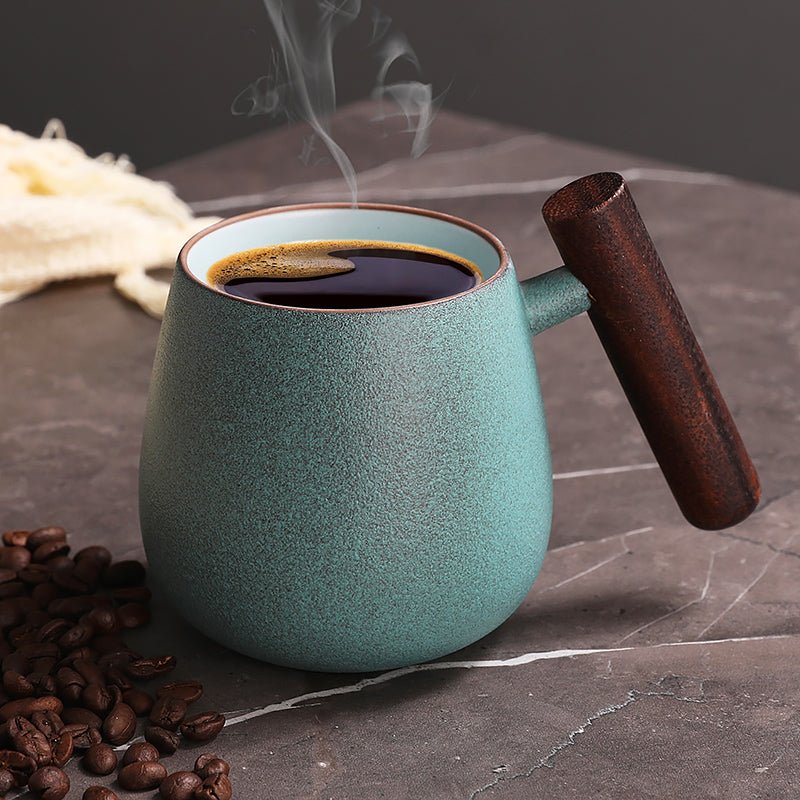
Coffee Mug Travel Guide: What to Check Before You Buy
A coffee mug travel pick fails fastest at the lid, the seal, or the size. We break down the features that matter in real commutes, office use, and gift buys so you can compare options with fewer su...
En savoir plus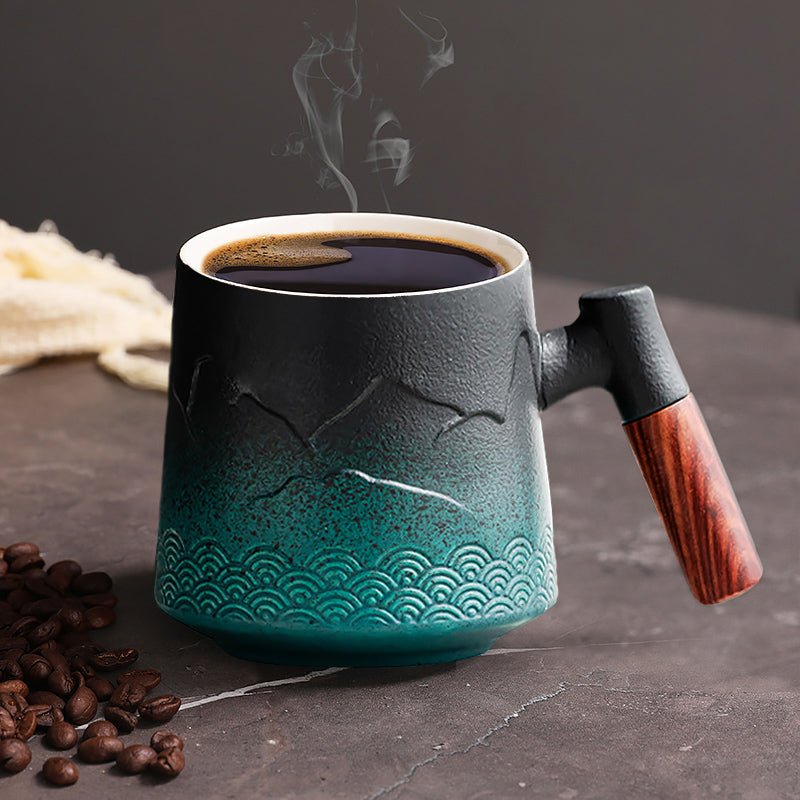
Insulated Coffee Mug with Handle and Lid: What Buyers Should Check
A practical guide to choosing an insulated coffee mug with handle and lid, with the details that matter on a kitchen counter, at an office desk, and in daily use. We cover lid styles, insulation, h...
En savoir plus
Laisser un commentaire
Ce site est protégé par hCaptcha, et la Politique de confidentialité et les Conditions de service de hCaptcha s’appliquent.