
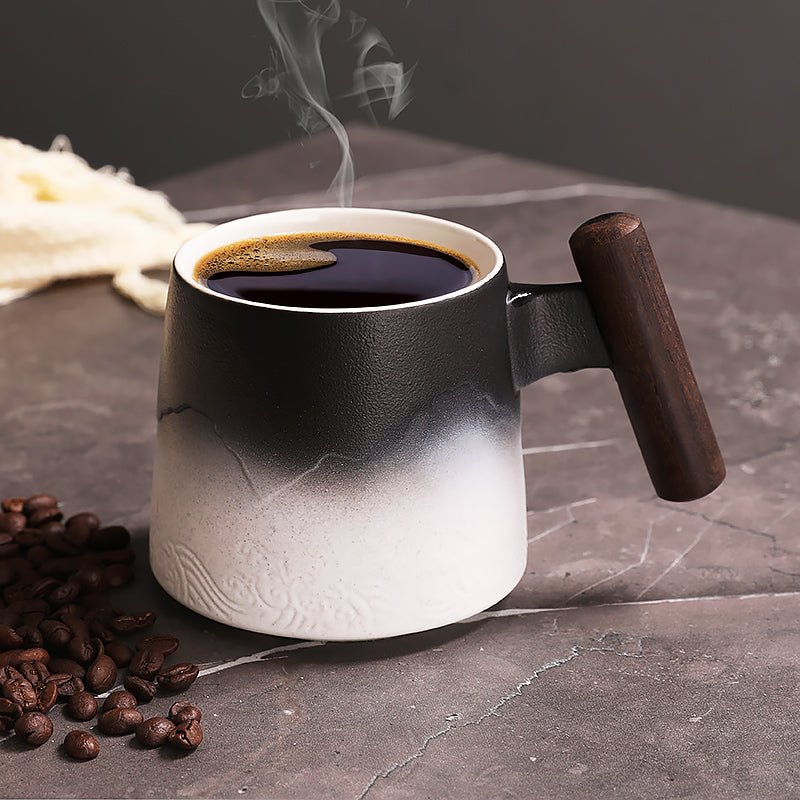
Gothic Coffee Mugs: What to Check Before You Buy
Reading time: about 9 minutes
A chipped rim, a handle that pinches two fingers, or a glossy black mug that shows every fingerprint can ruin the appeal fast. That is usually where gothic coffee mugs win or lose the sale: not on the style alone, but on how the mug feels in the hand, how the glaze holds up, and whether it fits the way someone actually drinks coffee.
In our store, we look at this category the same way a buyer does at the kitchen counter. Is it comfortable before work? Does it sit steady on a desk? Will it survive regular dishwasher cycles without losing its finish? Those are the details that matter more than the artwork on the side.
If you are comparing styles now, you can browse our current selection on our products page or start broader with the full collection.
What makes gothic coffee mugs different from ordinary mugs?
Gothic coffee mugs are usually defined by mood and finish rather than a single material. Dark glazes, matte surfaces, sculpted textures, antique-style lettering, skull motifs, lace-inspired patterns, roses, ravens, and cathedral shapes are all common. The best versions still work as everyday drinkware; the styling should be the first thing you notice, not the only thing the mug has going for it.
What buyers often miss is that the same gothic look can be executed in very different ways. A deeply embossed ceramic mug feels more substantial and dramatic, while a printed design on a smooth surface is usually lighter and easier to clean. Neither is automatically better. The right choice depends on whether the mug is meant for desk coffee, shelf display, or gifting.
We treat decorative mugs as functional objects first. A gothic mug should still have a comfortable handle, a stable base, and a rim that feels smooth when you drink from it. If the design looks impressive but the mug feels awkward after the first refill, it will probably end up on a shelf instead of in rotation.
Which size should you pick for daily coffee?
Size changes the whole experience. A gothic mug that looks perfect in photos can still be the wrong cup for your routine if it holds too much or too little. For buyers comparing capacity, our related guides on 12 oz coffee mugs and 16 oz coffee mugs are useful starting points. If you tend to drink larger pours, our guide to large capacity coffee mugs covers the trade-offs in more detail.
| Size | Best for | Trade-off |
|---|---|---|
| 8 oz | Small pours, espresso drinks, shorter desk sessions | Not ideal if you refill often or like lots of milk |
| 12 oz | Standard drip coffee and balanced everyday use | Can feel small for heavy coffee drinkers |
| 16 oz | Larger pours, iced coffee, longer work sessions | Heavier when full and can take up more cabinet space |
| 20 oz | Big morning coffee or tea drinkers who want fewer refills | Can be bulky for small hands or compact desks |
For most people buying gothic coffee mugs as daily drivers, 12 oz to 16 oz is the safest range. It keeps the mug practical without making it feel oversized. A 20 oz mug makes sense if the buyer wants one cup to last longer, but it is not the best choice for everyone. It can feel top-heavy, and some people find large handles less comfortable over time.
If you are shopping for a gift, a 12 oz or 16 oz mug is usually easier to place in someone’s routine. That range works for office desks, kitchen counters, and after-dinner tea without feeling like a specialized piece.
What materials and finishes should you check first?
Most gothic coffee mugs are ceramic or stoneware. Those are the materials we expect to see most often because they hold heat reasonably well, feel solid, and take dark glazing nicely. Stoneware usually has a denser, heavier feel and a more handcrafted look. Ceramic can be lighter and is often used for cleaner printed finishes.
Finish matters just as much as material. Matte black can look dramatic, but it may show wear differently than a glossy glaze. Glossy surfaces are usually easier to wipe clean, while matte surfaces can be more prone to visible scuffs from stacking or rough washing. If a mug has metallic trim, foil accents, or specialty decoration, it may need more careful care and may not be microwave safe.
These are the concrete checks we make before we list a mug:
- Is the rim smooth, or can you feel a rough spot when you drink?
- Does the handle leave enough space for two or three fingers without squeezing?
- Is the base even, so the mug sits flat instead of rocking?
- Is the glaze consistent, or are there pinholes, drips, or bare spots on the foot?
- Is the decoration printed cleanly, or does the design look blurred at the edges?
Those details sound small until you use the mug every day. A tiny glaze defect near the rim or a wobbly base becomes obvious fast. We would rather see a slightly simpler mug that is cleanly made than a dramatic one with obvious finish problems.
How do you tell a good gothic mug from one that only looks good in photos?
Photos can hide the things buyers feel first. A mug can look rich and heavy online, then arrive with a thin handle, a rough foot, or a design that scratches easily. The best gothic coffee mugs hold up in the unboxing and in the wash, not just on the product page.
Look for these practical signs of better build quality:
- A handle that is proportioned to the mug body, not just attached as decoration.
- A stable foot ring that keeps the mug level on a desk or counter.
- A glaze or print that covers the surface evenly without obvious patchiness.
- A rim that feels rounded and comfortable, especially if you sip directly from the mug.
- A finish that matches the intended use, such as dishwasher-friendly ceramic for daily use rather than delicate display ware.
There are also common defect modes worth watching for. On darker mugs, pinholes and glaze unevenness are easier to spot under bright light. On embossed mugs, the raised details can collect residue if the cup has deep texture. On printed mugs, edge wear can show up sooner if the artwork is too close to the lip or handle.
If the goal is a shelf piece, some of those trade-offs may be acceptable. If the goal is a workday mug that gets used hard, simplicity often wins. That is why we generally recommend buyers think about the mug as part of a routine, not just as a decorative object.
Which gothic mug style fits your routine or gift better?
The right style depends on where the mug will live. A heavy, ornate mug may be perfect for a home coffee corner, but it is less practical for a crowded office desk. A cleaner design with a subtle gothic motif may be better for someone who wants dark style without a lot of visual noise.
Use this quick filter:
- For desk coffee: choose a stable base, moderate capacity, and a handle that is easy to grip with one hand.
- For gift-giving: choose a versatile size, neutral care requirements, and a design that reads gothic without being overly specific.
- For display first: choose sculpted textures, embossed details, or dramatic finishes that photograph well on a shelf.
- For daily dishwasher use: choose a simpler ceramic or stoneware build with no fragile surface accents.
Gothic coffee mugs are not ideal for someone who needs a travel mug or a leak-resistant cup. They are also not the best choice if the drinker wants a very lightweight cup. In those cases, a plain insulated tumbler or a simpler everyday mug will serve better.
For shoppers who want more decorative or themed options, our article on adorable coffee mugs shows how style preferences change the buying decision. The same rule applies here: the design should match the person, not just the trend.
How should you care for gothic coffee mugs?
Care depends on the finish, but the safest approach is to check the surface before the first wash. Many ceramic and stoneware mugs are dishwasher safe, yet darker glazes, printed artwork, and metallic details can age differently under repeated cycles. If a mug has delicate decoration, hand washing is usually the safer long-term choice.
We tell customers to think about three practical habits:
- Wash the mug soon after use so coffee oils do not sit in textured areas.
- Dry it fully before stacking if the mug has embossed details or a matte finish.
- Avoid abrasive scrubbers on printed artwork or specialty glaze effects.
Microwave use is another place where buyers should not assume. Plain ceramic is often fine, but any metallic accent, foil trim, or unconventional decorative finish can make the mug unsuitable for microwave heating. If a buyer wants zero guesswork in a shared kitchen, a simpler mug is easier to live with.
For people who regularly heat and reheat coffee, comfort matters too. A mug with thicker walls tends to hold heat longer, but it can also make the exterior feel warmer in the hand. That is useful at home; less so if the mug will be moved around a lot.
Frequently asked questions
Are gothic coffee mugs dishwasher safe?
Some are, but not all. Plain ceramic and stoneware mugs are often dishwasher safe, while mugs with metallic accents, special decals, or delicate printed finishes may need hand washing to keep the design intact. Always check the care notes for the specific mug rather than assuming the whole style behaves the same way.
What size gothic coffee mug is best for everyday use?
For most buyers, 12 oz or 16 oz works best because those sizes fit standard drip coffee, tea, and hot chocolate without feeling oversized. If someone drinks larger pours or likes fewer refills, 20 oz can make sense, but it is bulkier and less compact on a desk.
Do gothic mugs make good gifts?
Yes, if you choose a style that matches the recipient’s routine. A medium-capacity ceramic mug with a comfortable handle is usually easier to gift than an oversized novelty piece. If you are unsure, a more subtle gothic design is safer than something extremely specific.
What should I avoid when buying a gothic mug?
Avoid mugs with rough rims, unstable bases, and handles that feel too small for the body. Also be cautious with dark matte finishes that show wear easily if the buyer plans to use the mug every day. Decorative style should never come at the expense of comfort.
Are gothic coffee mugs good for office use?
They can be, as long as the mug is practical and not too ornate. In an office, a stable base, moderate size, and easy-clean surface matter more than elaborate sculpting. If the desk is crowded or the microwave gets used often, a simpler version will usually be easier to manage.
If you are ready to compare actual styles, start with our full collection and narrow down by size, finish, and daily use. The fastest way to choose well is to match the mug to the routine first, then pick the darkest, most distinctive design that still feels comfortable in hand.
More from our blog
Read more
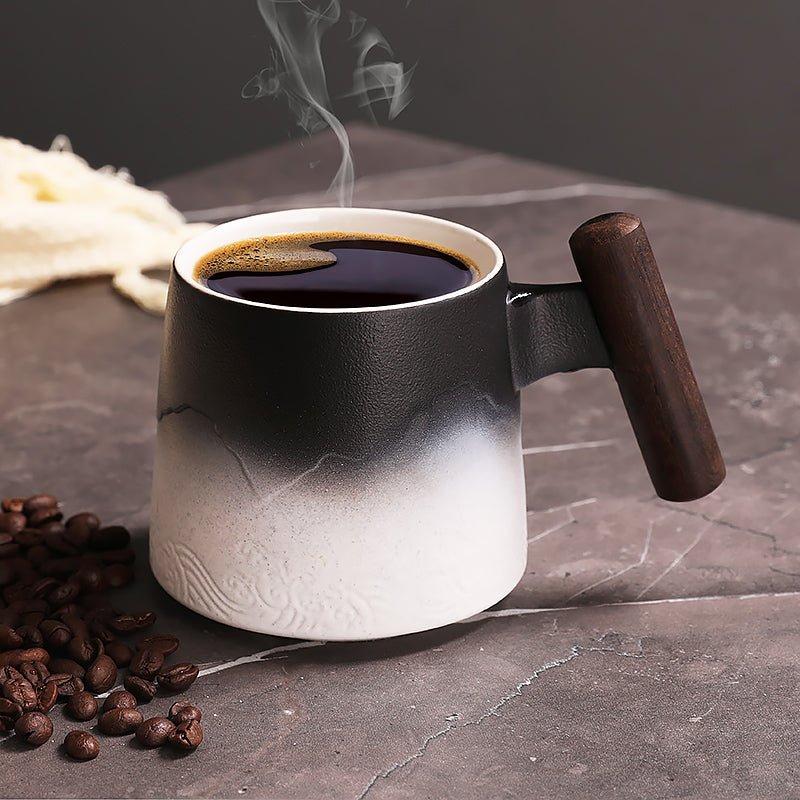
Dog Coffee Mugs: What to Check Before You Buy
We break down what makes dog coffee mugs worth buying, from size and handle comfort to print durability and care. Use this guide to choose a mug that looks good on a shelf and still works in a real...
En savoir plus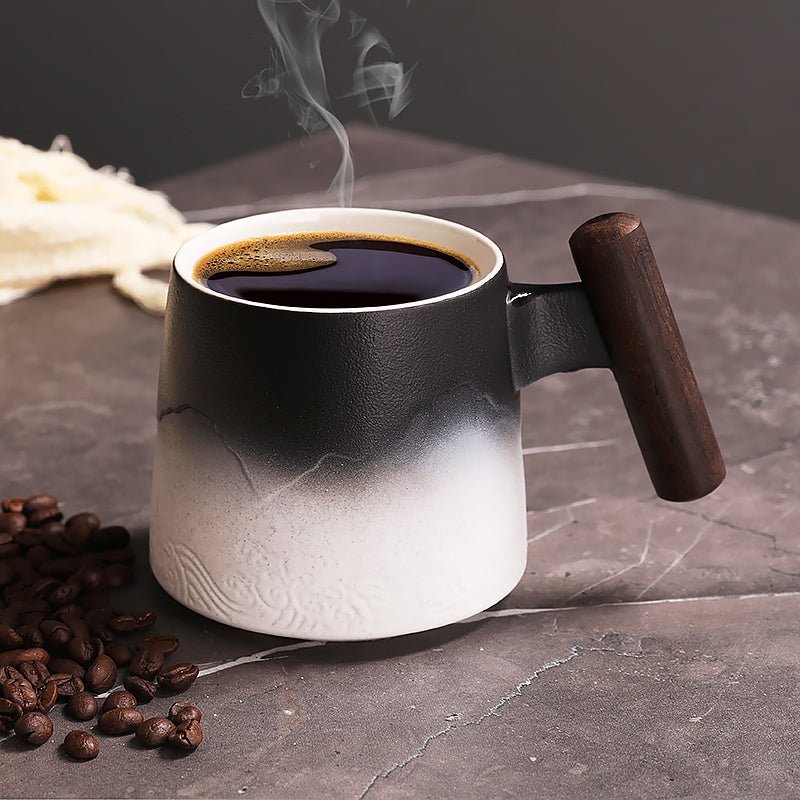
Diner Style Coffee Mugs: What to Check Before You Buy
Diner style coffee mugs are a strong fit if you want a stable, classic mug with real everyday presence. We break down size, material, care, and trade-offs so you can choose the right one for home, ...
En savoir plus
Laisser un commentaire
Ce site est protégé par hCaptcha, et la Politique de confidentialité et les Conditions de service de hCaptcha s’appliquent.