
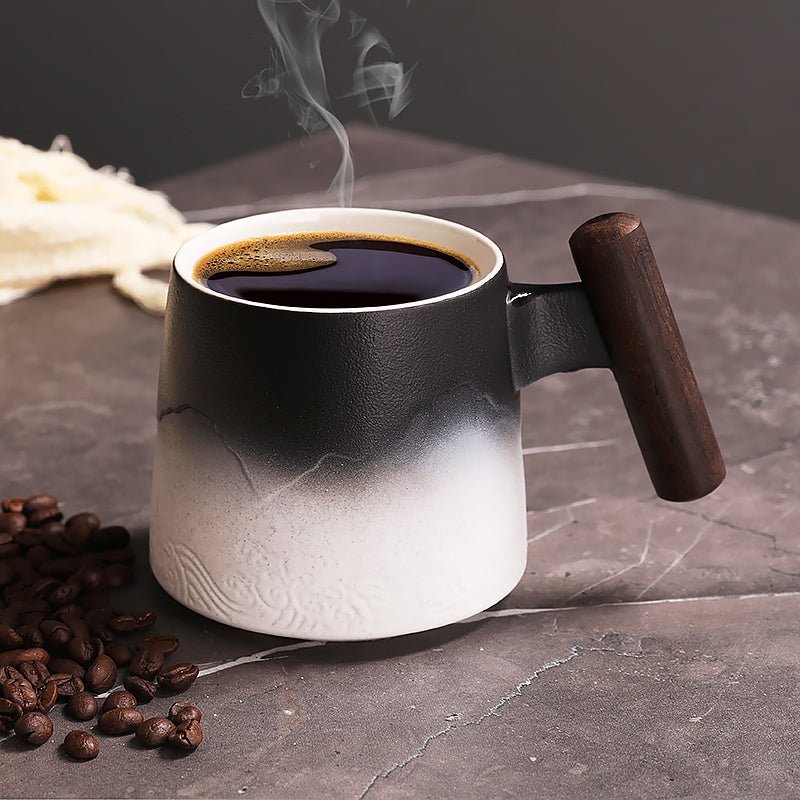
Diner Style Coffee Mugs: What to Check Before You Buy
Reading time: about 10 minutes
We usually see the same problem: the mug that looks good on a shelf feels awkward at the sink, too light in the hand, or too narrow at the rim for a proper sip. Diner style coffee mugs solve that specific frustration. They have the sturdy shape people remember from counter-service coffee, with enough weight to feel steady on a desk or breakfast table.
That said, diner style coffee mugs are not the right pick for every buyer. They are a better fit if you want a classic look, a stable base, and a mug that survives everyday handling without feeling delicate. If you want to compare this style against other options first, our guides on Coffee Mugs: How to Choose the Right Size, Material, and Style and Diner Coffee Mugs: What Buyers Should Check Before Ordering are the right place to start.
What actually makes a diner mug feel like a diner mug?
The classic diner mug is easy to recognize once you handle one. The body usually sits straighter than a tapered modern mug, the base feels broad enough to resist tipping, and the handle is large enough for a comfortable two-finger grip. That shape is not accidental. It is built for repeated use on a counter, at a breakfast table, or in a busy office kitchen where mugs get picked up, set down, and washed often.
In our experience, the best diner style coffee mugs share a few practical traits:
- A wide, stable base so the mug does not feel top-heavy when full.
- Thicker walls that give the cup more heft and help it feel durable in daily use.
- A comfortable handle opening that does not pinch the fingers against the body of the mug.
- A simple silhouette that stacks better and looks right in both home kitchens and casual food service settings.
- A smooth glazed interior that is easier to rinse and does not catch coffee oils as quickly.
There is a trade-off. Diner style coffee mugs are not the best choice if you want a feather-light cup, a very narrow cabinet footprint, or something designed to live in a car cup holder. They are also not the best fit for espresso drinkers who want a tiny, refined cup. The point is steadiness, not portability.
| Style | Best for | Trade-off |
|---|---|---|
| Diner style mug | Daily coffee, office use, classic counter-service look | Bulkier than slim modern mugs |
| Tapered ceramic mug | Lighter feel, more contemporary tableware | Can feel less stable in the hand |
| Travel mug | Commuting and on-the-go coffee | Less satisfying for sit-down drinking |
What size should you buy for daily coffee?
Size matters more than most shoppers expect. A mug can look right online and still be wrong once it meets your coffee routine. If you drink a standard drip pour every morning, a 10 to 12 oz mug is usually the safest starting point. If you add a good amount of milk, make lattes, or want a little extra room to avoid spillover, 16 oz may be the better fit. For long desk sessions or large milk drinks, 20 oz can make sense, but it will feel more substantial in the hand and take up more cabinet space.
If you want a more detailed capacity comparison, our size guides for 12 oz Coffee Mugs: What to Check Before You Buy, 16 oz Coffee Mugs: What to Check Before You Buy, and 20 oz Coffee Mugs: What Buyers Should Check Before Ordering cover the practical differences in more detail.
- 8 to 10 oz: Best if you prefer a stronger pour, black coffee, or a mug that keeps the classic diner feel.
- 12 oz: The most versatile everyday size for drip coffee and tea.
- 16 oz: Better for milk drinks, reheated coffee, or anyone who does not want to refill often.
- 20 oz: Good for a desk mug, but it is easy to overbuy if you do not actually drink that much at once.
One thing we see often is shoppers choosing a larger mug because they assume bigger is better. It is not always. A very large mug can make a normal pour look half-full, and some buyers dislike that visual. It can also be heavier than expected once filled, which matters if you have a long commute from kitchen to desk or if you drink coffee while standing.
Which material and finish hold up best?
Most diner style coffee mugs fall into the ceramic family, but the body and finish still matter. In a store setting, we look at more than the picture. We look for a consistent glaze, a flat base, and a handle that is fully formed without rough seams or sharp edges. Those small details decide whether a mug feels like a daily tool or a shelf piece.
Here is the practical version of the material question:
- Stoneware: Usually heavier and more substantial in the hand. It suits the diner look well, but it can chip if it gets knocked against a sink or stacked carelessly.
- Porcelain: Often smoother and a little lighter. It can feel cleaner and more refined, which works if you want a diner-inspired mug with a more polished finish.
- Earthenware: Often more rustic and sometimes more porous if the glaze is not complete. It can work, but it deserves more attention to finish and care.
The common defects we watch for are predictable: a wobble on a flat counter, a rough foot ring, pinholes in the glaze, or a handle joint that looks stressed before the mug has even been used. Those are not cosmetic nitpicks. They are the places where long-term annoyance usually starts.
Care also matters. If a mug is going into frequent dishwasher cycles, the glaze needs to hold up without looking dull too quickly or developing fine lines over time. We do not assume every mug is dishwasher safe just because it looks sturdy. Buyers should always check the care note and use the finish that matches their routine.
If you are choosing for a specific person, our guide on Coffee Mugs for Men: How to Choose the Right Size, Material, and Style can help you match weight, style, and size to a real user instead of just a look.
What should you check before ordering online?
Online photos can make every mug look identical. They are not. Before you buy diner style coffee mugs, check the details that affect how the mug feels after the box is opened and the first wash is done. If you are browsing our store, start with our products page or browse the full collection to compare shapes and finishes side by side.
We look for these details when we evaluate a mug:
- Handle clearance: Make sure two fingers fit comfortably without pressing against the mug body.
- Base stability: The mug should sit flat and not rock when set on a counter.
- Rim comfort: A rolled or smooth rim usually feels better than a sharp edge on a daily mug.
- Glaze coverage: The interior should be even and easy to clean, with no rough spots where coffee residue can hang on.
- Weight in the hand: A mug can feel solid without being clumsy. Too much weight gets old fast if you refill often.
- Stackability: If cabinet space is tight, check whether the mug nests or stacks cleanly.
We also recommend reading the product care notes before you buy. That matters more than people think. A diner mug that looks perfect in a photo may still be a poor fit if you need microwave use, repeated dishwasher cycles, or a mug that can move between a home kitchen and an office breakroom without special handling. In bulk settings, the look matters, but consistency matters more. If you are buying for a cafe or a team kitchen, our Wholesale Coffee Mugs: How to Choose the Right Style for Bulk Orders guide explains what changes once you move from one mug to many.
Where do diner style coffee mugs work best, and where do they miss?
Diner style coffee mugs are strongest when the buyer wants function first and a timeless look second. They do not try to be delicate. That is the point. Still, they fit some settings better than others.
- Home kitchens: A strong fit if you want a mug that feels familiar and easy to live with every day.
- Office desks: Good for people who keep a mug parked near the keyboard and want a stable feel between meetings.
- Restaurants and cafes: Classic and recognizable, but bulk buyers need consistent size, glaze, and handle shape across the whole order.
- Gifting: A safe choice for someone who likes practical, unfussy drinkware. Less ideal for a person who prefers lightweight or minimalist cups.
There are also clear places where this style is not the best answer. It is not the mug for commuting. It is not the mug for someone who wants ultra-light tableware. And if the person drinks mostly espresso, macchiatos, or very small pours, the diner shape can feel oversized and a little wasteful.
That is why the buyer intent matters. If you are shopping for a gift and want the style to match the person, not just the room, a mug guide like our main coffee mug sizing guide is more useful than a generic style search.
How do diner style mugs compare with other mug styles?
When people compare mug styles, they usually focus on looks first. We think the better order is feel, then size, then look. A diner mug can be the right answer if the first thing you care about is a mug that sits well in the hand and does not tip easily. A modern thin-walled mug may look sharper on a shelf, but it can feel less substantial during daily use. A travel mug is useful for the car, but it changes the whole coffee experience.
Here is the short version of the trade-off:
- Choose diner style coffee mugs if you want a dependable everyday mug with a classic look and a steady feel.
- Choose a lighter ceramic mug if you care more about a refined feel than a heavy, counter-service silhouette.
- Choose a larger mug style if you regularly make milk drinks or want one cup to last through a long work block.
- Choose a travel mug if the coffee needs to move with you. Diner style mugs are not built for portability.
For buyers comparing styles across the store, the goal is not to find the universally best mug. It is to match the right mug to the way it will actually be used. That is where size, weight, and finish matter more than the photo.
Frequently asked questions
Are diner style coffee mugs good for everyday use?
Yes, if you want a sturdy mug that feels stable on a table or desk. They are especially practical for drip coffee, tea, and office use because the shape is easy to grip and easy to recognize. They are less ideal if you want something ultra-light or highly portable.
What size diner style coffee mug is best for drip coffee?
For most people, 10 to 12 oz is the best starting point. That size usually gives enough room for a normal pour without feeling oversized. If you like a lot of milk or cream, move up to 16 oz.
Are diner style mugs dishwasher safe?
Some are, but you should always check the care note for the specific mug. The glaze, print, and body all affect how well a mug handles repeated washing. A mug that looks heavy-duty is not automatically dishwasher safe.
Do diner mugs keep coffee hotter than thin mugs?
Often they feel better insulated because the walls are thicker, but the result depends on the exact material and how full the mug is. A thicker mug can also stay comfortable to hold longer. If heat retention is your top priority, compare the mug body and lid options rather than relying on the style alone.
What should I check before buying diner style coffee mugs in bulk?
Check size consistency, handle shape, glaze quality, and how well the mugs stack or store. Bulk buyers also need to think about breakage risk and whether the mugs will hold up in a dishwasher-heavy environment. Our wholesale guide can help if you are comparing options for a cafe, office, or event order.
Before you buy, compare the mug's weight, handle clearance, finish, and size against the coffee you actually drink. Then browse our products or the full collection if you want to compare styles side by side.
Read more
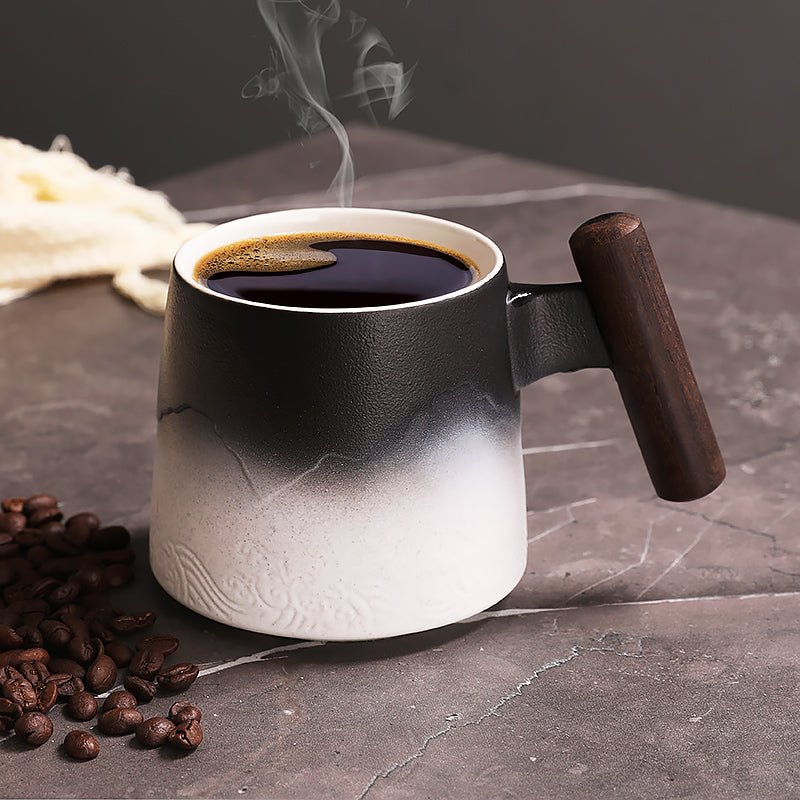
Gothic Coffee Mugs: What to Check Before You Buy
A practical guide to gothic coffee mugs, including size, material, glaze, handle comfort, and care. Use it to compare styles before you pick one for daily coffee or gifting.
En savoir plus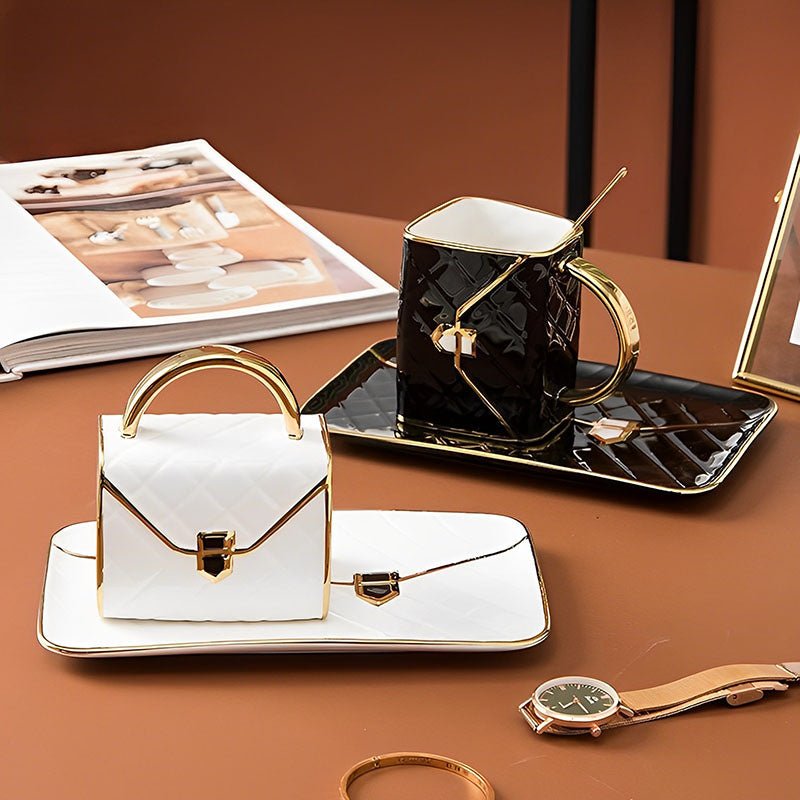
Peanuts Coffee Mug Buying Guide: Size, Material, and Gift Fit
A peanuts coffee mug should feel good in the hand, fit the coffee you actually drink, and hold up after repeated washing. This guide covers size, materials, care, and when a novelty mug is the wron...
En savoir plus
Laisser un commentaire
Ce site est protégé par hCaptcha, et la Politique de confidentialité et les Conditions de service de hCaptcha s’appliquent.