
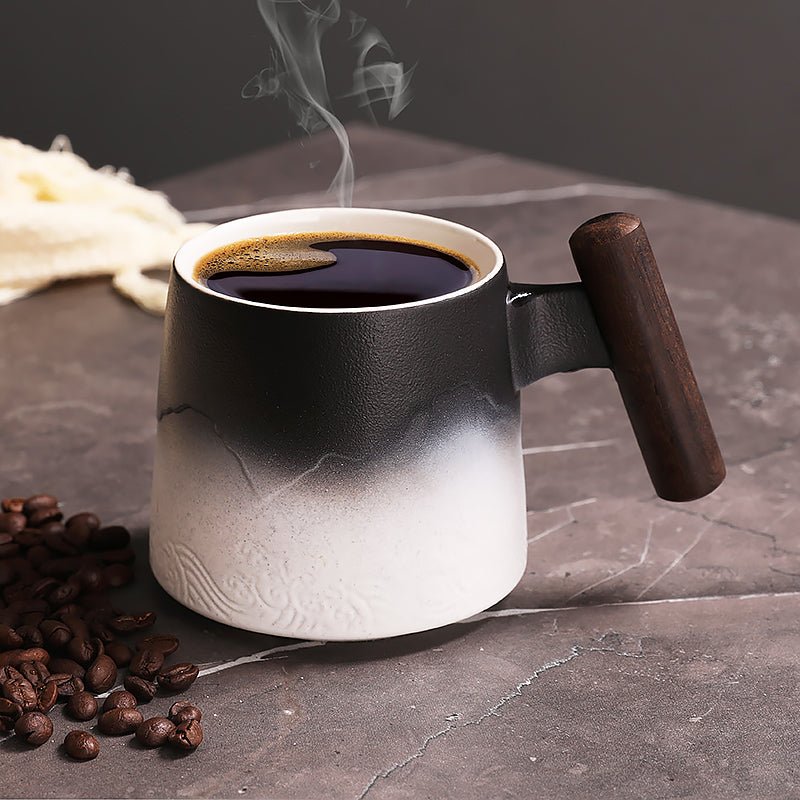
Diner Mug Coffee: What to Check Before You Buy
Reading time: about 9 minutes
A diner mug coffee setup usually starts with one thing: a heavy ceramic mug that feels steady in the hand and does not tip easily on a crowded counter. That sounds simple, but once people start comparing options, the details matter fast. The handle shape, the rim thickness, and the real fill capacity can change how the mug feels every morning.
We sell and handle a lot of everyday mugs in our store, and diner-style mugs come up for one reason again and again: people want a mug that feels reliable, not delicate. If you are comparing styles, it helps to look through our full mug collection first, then narrow down by size and shape. For shoppers who want a broader buying path, our product pages at products are the fastest place to compare what is currently available.
What makes a diner mug coffee mug different from a regular mug?
A diner mug is usually defined less by decoration and more by structure. It tends to have thicker walls, a rounded cylindrical body, and a sturdy handle that is meant to be used many times a day without feeling fragile. In a real kitchen, that means it holds heat reasonably well, sits securely on a table, and survives the kind of repeated dishwasher cycles most home mugs face.
There are a few practical traits we look for:
- Thicker ceramic walls: Better for stability and heat retention, though usually heavier in the hand.
- Wide base: Helps prevent wobble on a desk or breakfast tray.
- Comfortable handle clearance: You should be able to fit at least two fingers without forcing them.
- Simple glaze: Easier to clean than highly textured finishes, especially for daily coffee use.
Diner mugs are not the best choice if you want a lightweight cup for commuting or a very thin-walled mug that cools quickly. They are built for table use, not for carrying around the house for hours. If you are comparing everyday shapes, our guides on 8 oz Coffee Mug: What to Check Before You Buy and 10 oz Coffee Mug: Size, Fit, and What to Check Before You Buy are useful references because the right size is usually the first decision people get wrong.
Which size works best for diner mug coffee?
Size is where most buyers either get exactly what they want or end up with a mug that feels awkward. A diner mug can be roomy without being oversized, but the listed capacity does not always match the usable pour line. That matters if you add milk, leave room for foam, or prefer a top-off without spilling.
For a practical comparison, this is how we think about it in store:
| Typical use | What to check | Why it matters |
|---|---|---|
| Black drip coffee | Usable fill line, not just listed capacity | You want enough room for a full pour without reaching the rim |
| Coffee with milk or creamer | Wider opening and a little extra headspace | Prevents spills when adding ingredients |
| Office desk use | Base width and handle clearance | Stability matters more than novelty shape |
| Gift buying | Comfortable middle-size option | Most people prefer something that feels familiar on first use |
If you are unsure where to land, our size guides can help you compare realistic capacity rather than just the number on the listing. The 16 Ounce Coffee Mug Buyer’s Guide: Size, Material, and Fit and 24 oz Coffee Mug: What to Check Before You Buy are especially useful if you tend to drink a larger morning pour or want room for milk. For many buyers, the sweet spot is not the biggest mug available. It is the one that fits the amount they actually drink without getting cold halfway through.
What materials hold up best for daily diner mug coffee?
For everyday use, ceramic is still the most practical choice for diner mug coffee. Within ceramic, the difference is usually in weight, wall thickness, glaze quality, and how consistent the firing is. We pay attention to those details because they affect the mug long after the listing photos are forgotten.
Here is what matters most in daily use:
- Ceramic or stoneware: Usually the best balance of heat retention, weight, and durability for home use.
- Porcelain: Often a little lighter and smoother, but sometimes less substantial in the hand.
- Glaze finish: A smooth, even glaze is easier to clean and less likely to show staining from coffee oils.
- Rim shape: A rolled or rounded rim tends to feel better for repeated sipping than a sharp edge.
There are trade-offs. Heavier mugs feel stable, but they can be tiring if you carry them from room to room all day. Lighter mugs are easier to handle, but they may not give the same solid, grounded feel people expect from a diner style. If you like a more design-led mug rather than a classic utilitarian one, our Anthropologie Coffee Mug: Style, Size, and Everyday Use Guide is a useful contrast because style-first mugs often solve a different problem than diner mugs do.
In our experience, the most common defect modes are not dramatic. They are small but noticeable: a handle that feels slightly narrow, a base that is not perfectly flat, a glaze edge that feels rough on the lip, or a mug that looks sturdy but is awkward once you actually grip it with hot coffee inside. Those are the things we look for before we recommend a mug for daily use.
What should you check before buying one for home or office?
The best diner mug coffee purchase is the one that fits your routine, not just your shelf. We always tell shoppers to picture the actual use case: kitchen counter, office desk, bedside table, or gift box. The right mug for a home brewer can be the wrong mug for a shared office kitchen.
- Check the handle first. If your fingers feel cramped on an empty mug, it will feel worse when the mug is hot.
- Look at the base. A stable, level base matters on smooth counters and desks.
- Confirm care instructions. Dishwasher-safe and microwave-safe are practical for most buyers, but always verify the listing.
- Inspect the finish. Even glazing and a smooth rim are worth more than decorative details you will not use.
- Think about storage. A heavier mug takes more shelf space and is less friendly if you stack everything tightly.
If you are buying for a gift, a classic diner mug is easy to understand and usually easy to use. The downside is that it is not very personal unless the recipient likes plain, dependable kitchenware. If you want something more distinctive, a different shape or finish may be a better fit. That is why we keep our collection page easy to compare from the start instead of forcing every shopper into the same style.
Our rule is simple: if a mug looks good but feels awkward with hot coffee in it, it is the wrong mug. Daily use exposes weak handles, thin walls, and unstable bases quickly.
How do diner mug coffee mugs compare with other mug sizes?
Most people do not buy a diner mug in isolation. They compare it with an 8 oz mug, a 10 oz mug, a 16 oz mug, or something larger for oversized pours. That comparison is worth doing, because the wrong size can make an otherwise good mug feel disappointing.
Here is the short version:
- 8 oz and 10 oz: Better for smaller servings, shorter coffee breaks, or people who want less cooling time.
- 16 oz: A practical middle ground for people who want a fuller cup without going oversized.
- 20 oz and 24 oz: Better for long mornings, milk-heavy drinks, or users who want one large pour.
If you are deciding between those sizes, our related guides on 16oz Coffee Mug Buyer’s Guide: Size, Material, and Fit, 20 oz Coffee Mug: What to Check Before You Buy, and 24 Ounce Coffee Mug Buyer’s Guide: Size, Fit, and What to Check give a clearer picture of where each capacity makes sense. We find that shoppers often start by asking for a style, but they end up happier when they choose based on how much coffee they actually drink.
What are the limitations of a diner mug?
A diner mug is not the answer to every coffee habit. That needs to be said plainly. If you want a mug for travel, a diner style is the wrong category. If you want something ultra-light, it may also be the wrong category. And if your cabinet space is tight, the heavy base and wider profile may feel inconvenient.
The main limitations are straightforward:
- Not ideal for transport: It is meant for the table, not the road.
- Can feel heavy: Some buyers prefer a lighter cup for repeated lifting.
- May take longer to cool: That is good for heat retention, but not ideal if you like to drink fast.
- Less suited to compact spaces: Bulky handles and wider bases can be awkward in small cabinets or narrow shelves.
That does not make diner mugs worse. It just makes them specific. If the goal is a sturdy mug for home coffee, they are often a strong choice. If the goal is portability, sleek styling, or very small storage footprint, another style will likely serve you better.
Frequently asked questions
Is a diner mug good for everyday coffee?
Yes, if you want a stable, comfortable mug for home or office use. Diner mugs work well for drip coffee, black coffee, and simple milk additions. They are less useful if you need something lightweight or portable.
What size diner mug should I buy for coffee with milk?
A mid-size option usually works best because milk takes up room fast. Look for a mug with enough headspace that you can pour without hitting the rim. If you add a lot of milk or foam, compare against our 16 oz and 20 oz size guides.
Are diner mugs dishwasher safe?
Many are, but not all. Check the product listing and care notes before buying. A smooth glazed ceramic mug usually handles routine dishwasher use well, but special finishes and decals can change that.
What is the best material for a diner-style coffee mug?
Ceramic or stoneware is usually the best choice for daily use. It gives a good balance of weight, heat retention, and easy cleanup. Porcelain can be a good fit too if you want something a little lighter and smoother.
Should I choose a diner mug over a larger mug?
Choose the diner mug if you want a classic shape, good stability, and a familiar feel in the hand. Choose a larger mug if you routinely drink long pours or want extra room for milk. The right choice depends on how you actually drink coffee, not just the look of the mug.
If you are ready to compare options, start with the practical basics: size, handle comfort, base stability, and care instructions. Then browse our full collection and check the product details against your daily coffee routine before you buy.
More from our blog
Read more
Mara Coffee Mugs: What Buyers Should Check Before Ordering
A practical buying guide for mara coffee mugs, covering size, material, care, and everyday trade-offs. Use it to compare options before you choose a mug that fits your desk, dishwasher, and drinkin...
En savoir plus
Western Coffee Mugs: What to Look For Before You Buy
Western coffee mugs should do more than sit on a shelf. We compare the details that matter in daily use: material, size, handle comfort, cleanup, and which styles are better for gifting or display.
En savoir plus
Laisser un commentaire
Ce site est protégé par hCaptcha, et la Politique de confidentialité et les Conditions de service de hCaptcha s’appliquent.