
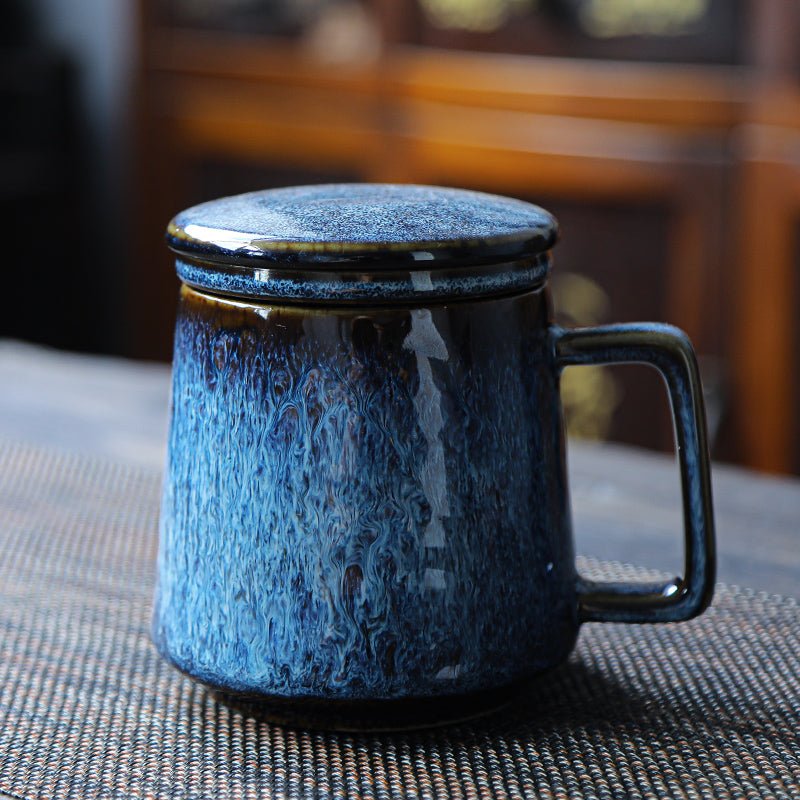
Coffee Mug Set of 8: What to Check Before You Buy
Reading time: about 9 minutes
A coffee mug set of 8 makes sense when the kitchen never quite stays in sync with the dishwasher. One mug is at the office, one is in the sink, two are already on the table, and the rest are waiting for the next round of coffee. That is the real use case we see most often in our store: enough matching mugs for daily rotation, guests, and the occasional backup when a handle chips or a favorite cup disappears into someone else's desk.
The catch is that eight mugs can be either a smart purchase or a storage headache. The difference usually comes down to fit, finish, and how the set will live in your space. We look at these sets the same way shoppers do in a real kitchen: on a counter, in a cabinet, and after a few dishwasher cycles.
Why does a coffee mug set of 8 make sense for daily use?
Eight mugs are useful because they cover normal life without forcing you to match and wash every single cup immediately. For families, that means everyone can grab a mug without grabbing the same one twice in a day. For offices or shared break rooms, it keeps the shelf looking orderly and reduces the odds of someone using a water glass because the mugs ran out.
We usually see three strong reasons people choose this size set:
- There are enough mugs for weekday coffee and a few guests without mixing styles.
- There is a cushion for breakage, which matters if you have kids, a busy household, or a crowded dishwasher rack.
- The set looks intentional on open shelving, where mismatched mugs can make a kitchen feel messy fast.
The trade-off is just as real. If your cabinet space is already tight, eight mugs can become dead weight. A smaller set is often better if you live alone, drink coffee from the same cup every day, or do not want to give up shelf height to extra pieces you rarely touch.
What should you inspect before buying a coffee mug set of 8?
We handle enough mug sets to know the flaws that show up first. The ones that disappoint are usually not dramatic. They are the small things: a handle that feels cramped, a base that rocks on the counter, a glaze that looks fine from across the room but feels rough at the rim.
| What to check | What good looks like | Why it matters |
|---|---|---|
| Capacity | Enough room for your normal pour without filling to the edge | A mug that is too small spills easily; a mug that is too large cools the drink faster |
| Handle comfort | A smooth grip with enough room for two or three fingers, depending on hand size | Small handles become annoying fast if you carry coffee between kitchen and desk |
| Base and balance | The mug sits flat and does not wobble on the counter | A crooked base is a warning sign for weaker manufacturing and frustrating daily use |
| Glaze and rim | Even finish inside and out, with no rough spots, pinholes, or sharp rim edges | These are the places where wear, staining, and discomfort show up first |
| Weight | Solid enough to feel durable, but not so heavy that it feels tiring at breakfast | Weight changes comfort, drying time, and whether the set feels practical or bulky |
That is the kind of detail shoppers miss when they only look at the photo. A nice-looking mug can still be annoying in use if the handle pinches, the rim feels thick in a bad way, or the glaze shows wear after a few dishwasher runs. We treat those as real buying signals, not minor nitpicks.
If you want the size side of the decision first, our guides on 8 Ounce Coffee Mugs: How to Choose the Right Small Mug and 8 oz Coffee Mug: What to Check Before You Buy go deeper on capacity and everyday fit. For the broader set choice, Coffee Mug Set Buying Guide for Everyday Use, Gifts, and Kitchens is the right next read.
Which mug style fits your kitchen or office best?
Shape and finish change how a set feels more than most shoppers expect. A clean modern mug looks different on open shelving than a retro cup with a softer profile, even if both do the same job at breakfast. In our experience, buyers usually decide by feel first and by color second.
If you want to compare a few styles before committing to a full coffee mug set of 8, these are useful reference points in our catalog:
- The Gradient Coffee Tea Mug works well for shoppers who want a cleaner, modern look that still feels easy to live with.
- Retro Coffee Tea Cup suits a warmer, more nostalgic shelf style and can make a gift set feel more considered.
- Ball Handled Coffee Tea Mug is the one we point to when grip matters most, especially for larger hands or a busy office setting.
If you want to see everything in one place, start with our all mug collection. That is usually the fastest way to compare shape, handle type, and finish side by side without bouncing between tabs.
For shoppers deciding between a few different set directions, the article Ceramic Coffee Mug Set Buying Guide for Everyday Use helps if you are comparing everyday ceramic feel against other common options. If your cabinet already feels full, that article is also useful for deciding whether a set of eight is actually the right size.
How does a set of 8 compare with a set of 6 or 4?
This is the question that usually decides the purchase. A coffee mug set of 8 is the safer pick if you host, share a kitchen, or simply do not want to wash a mug after every single use. A set of 6 is easier to store. A set of 4 is leaner still, and for some homes that is exactly the right amount.
| Set size | Best for | Main trade-off |
|---|---|---|
| 8 mugs | Families, guests, office kitchens, and backup rotation | Takes the most cabinet space |
| 6 mugs | Smaller households that still want spares | Less flexible for visitors or busy wash cycles |
| 4 mugs | Minimal storage, single-person homes, or very small kitchens | Not much cushion if one breaks or is already in use |
Our honest view is simple: a set of eight is not the best choice if you only brew one cup at a time and prefer handwashing the same mug over and over. It is also not ideal for narrow shelves or shallow cabinets where handles hit the door before the mugs are even fully stored. In those spaces, a smaller set usually wins.
For buyers who are still unsure about sizing, the post Coffee Mug Set 6: What to Check Before You Buy is useful as a comparison point. It gives you a cleaner sense of what you gain and lose when you move up to eight.
How should you think about cleanup, dishwasher use, and daily wear?
The best mug set is the one that still looks fine after repeat use. We pay attention to the same details customers do after a few weeks on the counter: whether the glaze stains, whether the handle spots dry clean, and whether the rim still feels smooth after the dishwasher has done its work.
Here are the practical checks we recommend before buying any coffee mug set of 8:
- Check whether the surface finish looks even inside the mug, not just on the outside photo.
- Look for a handle that leaves enough room for your fingers without pinching.
- Make sure the base sits flat so the mug does not wobble on a stone counter or wooden table.
- Confirm that the design does not rely on delicate decoration you would need to handwash every time.
- If you plan to reheat coffee, avoid anything with metallic accents and choose a shape that gives heat room to circulate evenly.
There is a real trade-off here. A heavier mug can feel more substantial and stable, but it also takes longer to dry and can feel cumbersome in a work-from-home setup. A lighter mug is easier to lift and stack, but it may feel less durable in a busy household. Neither is automatically better. The right choice depends on how your kitchen actually works.
We also pay attention to common defect modes because they matter later, not just on day one. Tiny glaze pinholes can collect staining. A slightly crooked foot ring can make a mug look cheap even if the color is nice. A handle attached too close to the body can make a mug awkward to wash and awkward to drink from. Those are the kinds of details that separate a decent set from one you keep reaching past.
Frequently asked questions
How many ounces should each mug in a coffee mug set of 8 be?
That depends on how you drink coffee. If you want a mug that stays manageable in the hand and does not cool too quickly, a smaller everyday size is usually easier to live with than an oversized cup. If you make large lattes, tea, or cocoa, choose a bigger profile so you are not filling the mug to the brim.
Is a coffee mug set of 8 too many for a small kitchen?
It can be. A set of eight works best when you have enough cabinet height, enough shelf depth, or a dish rack that can handle the rotation. If storage is tight, a smaller set may be the better buy because it will stay accessible instead of becoming clutter.
Are ceramic mugs a good choice for everyday use?
Yes, ceramic is a strong everyday option because it is familiar, easy to clean, and common in both home kitchens and gift sets. The main trade-off is weight and durability feel: some ceramic mugs are light and refined, while others are thicker and more robust. The best choice depends on whether you want a smoother desk mug or something sturdier for family use.
What flaws should I avoid in a mug set?
Watch for wobbling bases, rough rim edges, thin or cramped handles, and glaze that looks uneven up close. Those issues usually show up quickly in real use, especially after a few dishwasher cycles and a week of stacking and unstacking.
Can I mix and match mugs if one breaks later?
Yes, but it works best when you keep one visual rule in place, such as a shared color family, finish, or handle shape. That way the set still looks intentional on the shelf instead of pieced together. It is a practical approach if you expect normal wear over time.
If you are ready to compare actual options, start with the all mug collection, then narrow by handle feel, cabinet space, and how much cleanup you are willing to do. That is the fastest way to choose a coffee mug set of 8 that will still make sense after the first week in your kitchen.
Read more
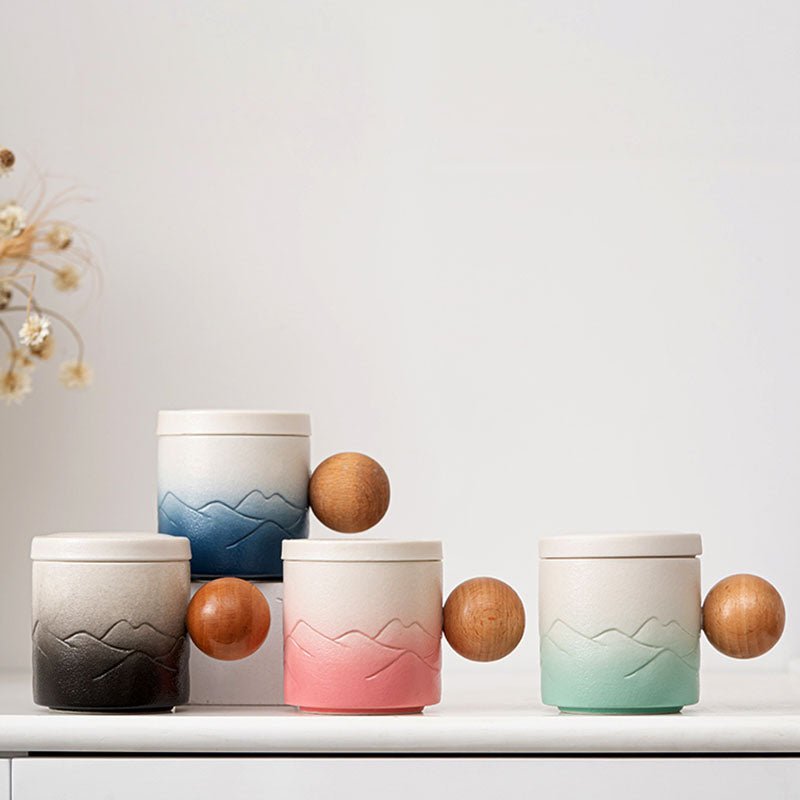
Anthro Coffee Mugs for Daily Use and Gifts
Compare anthro coffee mugs by handle feel, desk fit, and care needs before you buy. We break down which styles work for daily coffee, gifting, and display.
En savoir plus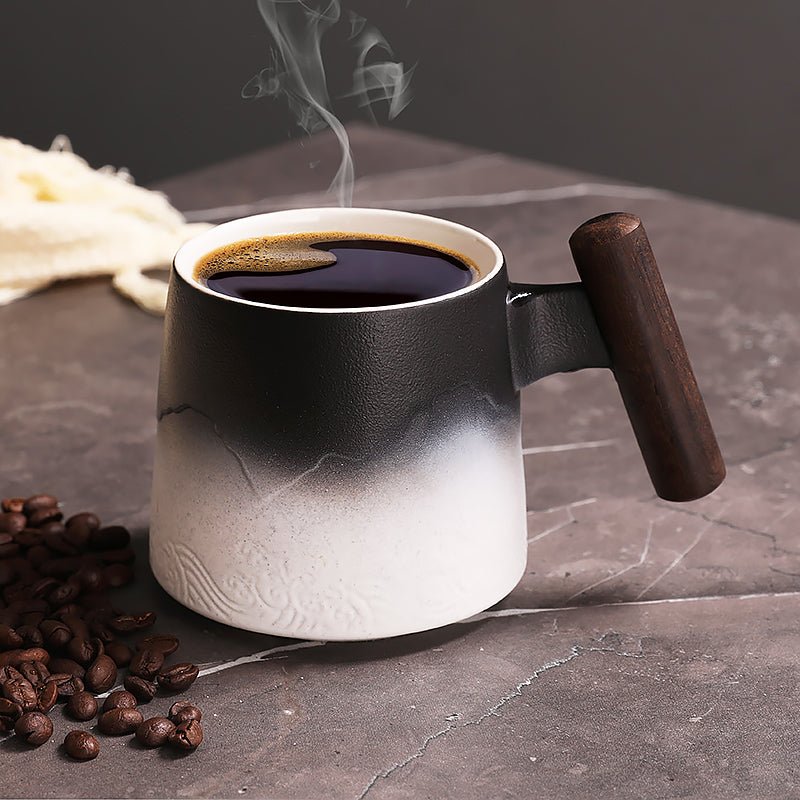
Dallas Cowboys Coffee Mugs: How to Choose the Right One
A practical guide to Dallas Cowboys coffee mugs with fit, care, and gift-buying trade-offs explained clearly. Use it to pick a mug that looks good on the desk and still holds up to daily use.
En savoir plus
Laisser un commentaire
Ce site est protégé par hCaptcha, et la Politique de confidentialité et les Conditions de service de hCaptcha s’appliquent.