
Coffee Mug Humor: How to Pick a Funny Mug People Actually Use
Reading time: about 10 minutes
A funny mug gets a laugh for ten seconds. Then it sits on a desk, survives a coffee spill, and goes through a dishwasher or two. That is where coffee mug humor either earns its keep or turns into clutter.
In our store, we look at joke mugs the same way we look at any everyday cup: the humor matters, but the handle, rim, weight, and print quality decide whether the mug gets used. A good line on a bad mug is still a bad purchase. The best ones land the joke and still feel right during a Monday morning refill, a quick office break, or a gift unboxing at the kitchen table.
If you are starting from scratch, browse our full mug collection and then narrow by size and style. That is usually the fastest way to separate a clever design from a mug that only looks good in a photo.
What makes coffee mug humor work on a real desk or kitchen counter?
The mugs that sell well in this category usually have one thing in common: the joke is easy to read at arm's length. If someone has to tilt the cup, squint through steam, or flip the mug around to understand the line, the humor is doing too much work. On a busy desk, the message needs to land fast.
We also pay attention to the setting. A mug that reads well in a home kitchen may feel too loud for a shared office. A dry one-liner can be perfect for a coworker, while a more personal joke works better for a sibling, partner, or close friend. That is the practical side of coffee mug humor: the best joke is the one that matches the person and the room.
There is another detail shoppers notice after a week or two of use: the mug has to be comfortable. A handle that feels cramped, a cup that is too heavy when full, or a shape that bumps into a coffee machine tray can make the joke less enjoyable. The novelty should be in the design, not in the way the mug fights back every morning.
Which funny mug style fits the person you're buying for?
Not every joke style fits every buyer. Some mugs are blunt and office-ready. Some lean into sarcasm. Others use pet jokes, role-based jokes, or coffee-snob humor. The right choice depends on how well you know the person and how often they will see the mug in public.
| Style | Best for | Watch out for |
|---|---|---|
| Dry one-liner | Coworkers, managers, shared office desks | Can feel flat if the line is too inside-baseball |
| Personal joke | Family, partners, close friends | Only works if the recipient actually gets the reference |
| Coffee snob humor | Home brewers, espresso fans, remote workers | May age quickly if the joke is too trend-based |
| Pet or hobby joke | Gifts with a clear personality match | Easy to overdo if the design gets crowded |
For gift buyers, that table matters more than most product photos do. A mug with a perfect punchline can still miss if the tone is wrong. A workplace gift should usually stay light and broadly readable. A birthday mug for someone who loves their own sense of humor can be more specific. If you are shopping for a bigger drinker, compare our 16 Ounce Coffee Mug Buyer’s Guide: Size, Material, and Fit with our 20 oz Coffee Mug: What to Check Before You Buy before you decide on a joke style.
That size decision affects the humor more than people expect. A compact mug feels neat and desk-friendly. A larger mug can make a bigger visual statement, but it also changes the proportion of the print and the way the cup handles in the hand.
What size should a joke mug be?
Size is where a lot of funny mugs go wrong. The joke may be great, but the cup is either too small for the drinker or too large to feel comfortable every morning. In practical terms, the right size depends on what they actually pour into the mug.
A 10 oz mug tends to suit smaller coffee servings, tea drinkers, or people who prefer a shorter cup that does not overfill the desk. A 16 oz mug is often the safest middle ground for drip coffee and general office use. A 20 oz mug makes sense for long work sessions or people who do not want to keep refilling, but it can feel bulky when full and may not fit every mug shelf or machine setup. If you want to compare the fit before buying, our 10 oz Coffee Mug: Size, Fit, and What to Check Before You Buy and 16 Ounce Coffee Mug Buyer’s Guide: Size, Material, and Fit are the quickest place to start.
We see the same trade-off again and again: smaller mugs usually feel neater and can make the design read more cleanly, while larger mugs give you more drink volume but can make the joke look stretched if the graphic is not laid out well. If the mug is being bought as a daily driver rather than a display piece, practical size usually wins over novelty size.
Which materials and print details should you check?
For coffee mug humor, material and print quality matter as much as the line itself. Ceramic and stoneware are the most common choices because they feel substantial in the hand and usually give a good surface for printed text. Porcelain can feel a little lighter and cleaner visually. Each option has trade-offs. Ceramic and stoneware can chip if they are banged against a sink or stacked carelessly. Lighter materials may feel elegant, but some buyers prefer a heavier mug for a more solid daily-use feel.
Print placement matters too. A centered front print is easy to see in product photos, but a wraparound design can work better if the mug will be seen from multiple angles on a desk or shared counter. High-contrast text is easier to read once the mug is in real life, where lighting is less perfect than in a studio shot. Fine script can look stylish, but it is a poor choice if the joke needs to be read from across the room.
Here is the checklist we use when judging a humorous mug listing:
- Handle comfort: enough room for fingers without scraping the cup body.
- Rim finish: smooth and even, with no rough spots where the lip meets the glaze.
- Print clarity: clean edges, readable text, and no fuzzy artwork at the corners.
- Dishwasher guidance: clear care instructions on the listing, not an assumption.
- Microwave compatibility: especially important if the mug has metallic accents or special finishes.
Those details sound small, but they are the things customers notice after the first week. A mug with a sharp-looking joke can still feel cheap if the glaze is uneven, the handle is too small, or the print starts fading after a few cycles. If a listing does not clearly explain care instructions, treat that as a signal to pause and look closer.
What should you avoid before buying a humorous mug?
Funny mugs are not the right answer for every buyer. That is the part of the category that gets ignored in most product roundups, and it is the part that saves people from returns or awkward gifts. A good mug is useful. A bad mug is just a punchline with shipping.
Here is what we would avoid:
- Inside jokes for people who may not know the reference. A joke that needs explanation is weak as a gift.
- Oversized mugs for small cabinets or compact coffee machines. The mug can be funny and still fail the fit test.
- Travel expectations from an open mug. If the person needs a lid and leak resistance, a standard mug is the wrong product.
- Overly offensive humor for shared spaces. Office desks, family kitchens, and guest cabinets all have different limits.
- Busy designs where the joke gets lost in extra graphics. If the line is the point, let it breathe.
That last point is one of the most common mistakes. A mug can have a clever idea and still be hard to read if the artwork is crowded. Coffee mug humor works best when the visual design supports the line instead of competing with it.
There are also situations where a different style is simply better. If the person wants a no-fuss everyday cup, a clean mug with no joke may be the smarter buy. If they commute with coffee, a travel mug is a better category altogether. If they want a statement piece for a shelf, then the joke can be bolder. The key is matching the product to the actual use case, not just the occasion.
Where should you start if you want to compare options fast?
Start with the mug's job. Gift, desk use, home kitchen, or occasional display all point to slightly different choices. Then compare size, handle shape, and how readable the joke looks from a normal sitting distance. That order saves time and reduces the chance of buying something that looks clever but feels wrong in hand.
If you want to scan current styles first, our products page is the quickest place to review what is available now. If you prefer the broadest view, use the full collection and then narrow it down by the humor style and size that make sense for the person you are buying for.
For shoppers comparing bigger mugs, it also helps to read the size-focused guides alongside the joke style. Our 24 Ounce Coffee Mug Buyer’s Guide: Size, Fit, and What to Check is useful if the recipient likes large pours, while the 10 oz and 16 oz guides are better if you want a more everyday fit. That is usually how buyers avoid the common mistake of choosing a punchline first and a usable cup second.
At the end of the day, the best coffee mug humor is the kind that still feels right after the surprise wears off. The mug should make someone smile on day one and still be the cup they reach for on day twenty.
Frequently asked questions
Are funny coffee mugs good gifts for coworkers?
Yes, if the humor stays light and broadly readable. Office gifts work best when the joke is friendly, not too personal, and not dependent on a private reference. A 10 oz or 16 oz mug is usually easier to gift than a very large novelty size.
What size coffee mug is best for coffee mug humor?
For most buyers, 16 oz is the safest middle ground because it suits daily coffee without feeling oversized. Ten ounces works better for smaller servings or compact desks, while 20 oz fits people who want fewer refills. The right size depends on how the mug will actually be used.
Do printed joke mugs fade in the dishwasher?
They can if the print quality is weak or the care instructions are vague. Look for a listing that clearly explains dishwasher and microwave use, and treat hand-washing as the safer option when you want the design to last. Metallic accents should be checked carefully before microwaving.
What makes a coffee mug funny without being offensive?
Clean timing, clear wording, and a joke that matches the setting. The best mugs usually rely on everyday work, coffee, or personality humor instead of insults or shock value. That keeps the mug useful in more places, including shared kitchens and office desks.
Should I choose ceramic or stoneware for a humorous mug?
Both are solid choices for everyday use. Ceramic often feels a little cleaner and lighter visually, while stoneware can feel sturdier in the hand. If the recipient wants a mug with more weight and a classic feel, stoneware is worth considering; if they prefer a smoother look, ceramic is a safe pick.
If you want the easiest next step, compare size first, then humor style, then care details. Start with our full mug collection, or jump straight into the product listings at our products page and narrow from there.
More from our blog
Read more
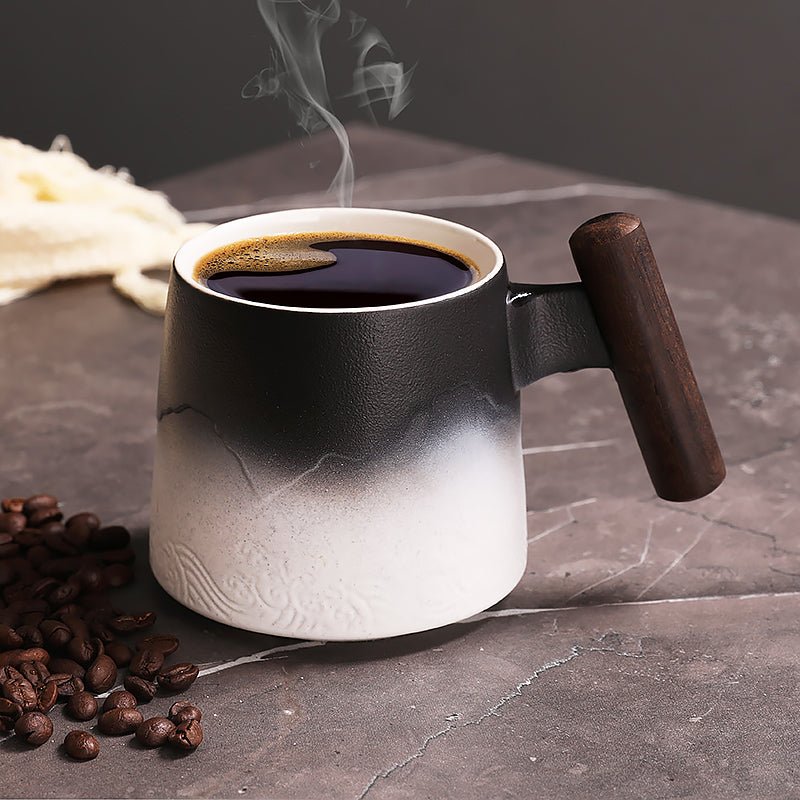
Interesting Coffee Mugs: How to Pick One That Fits Your Routine
Interesting coffee mugs are worth buying only if they still pour well, fit your hand, and survive daily washing. This guide breaks down materials, sizes, and the small details that separate a fun s...
En savoir plus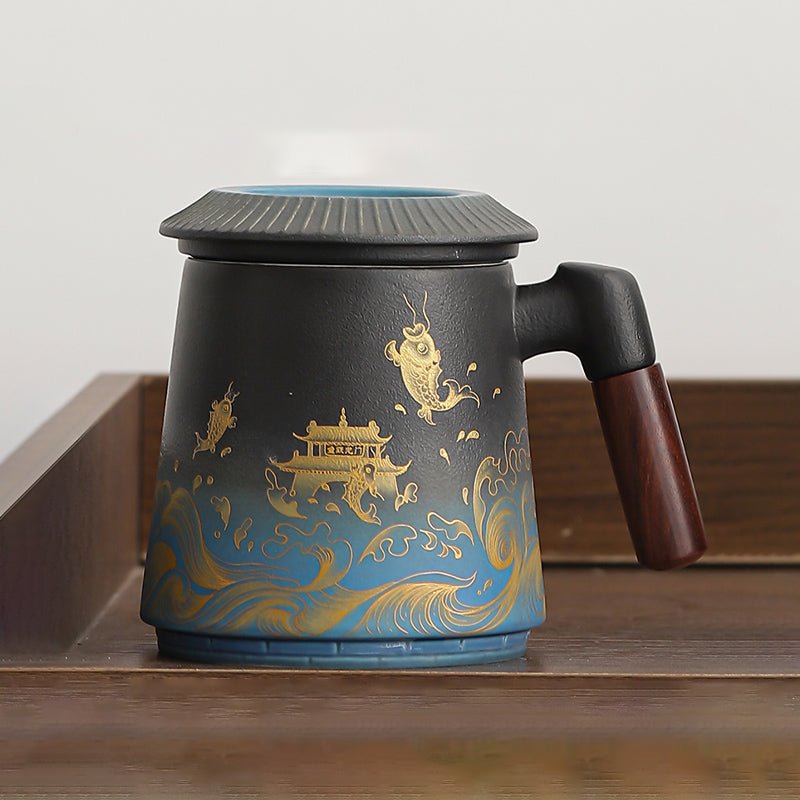
Japanese Coffee Mug: Size, Material, and What to Check Before You Buy
A practical guide to choosing a Japanese coffee mug for daily coffee, gifting, and small-space use. We break down size, material, care, and the details we check before we recommend one.
En savoir plus
Laisser un commentaire
Ce site est protégé par hCaptcha, et la Politique de confidentialité et les Conditions de service de hCaptcha s’appliquent.