
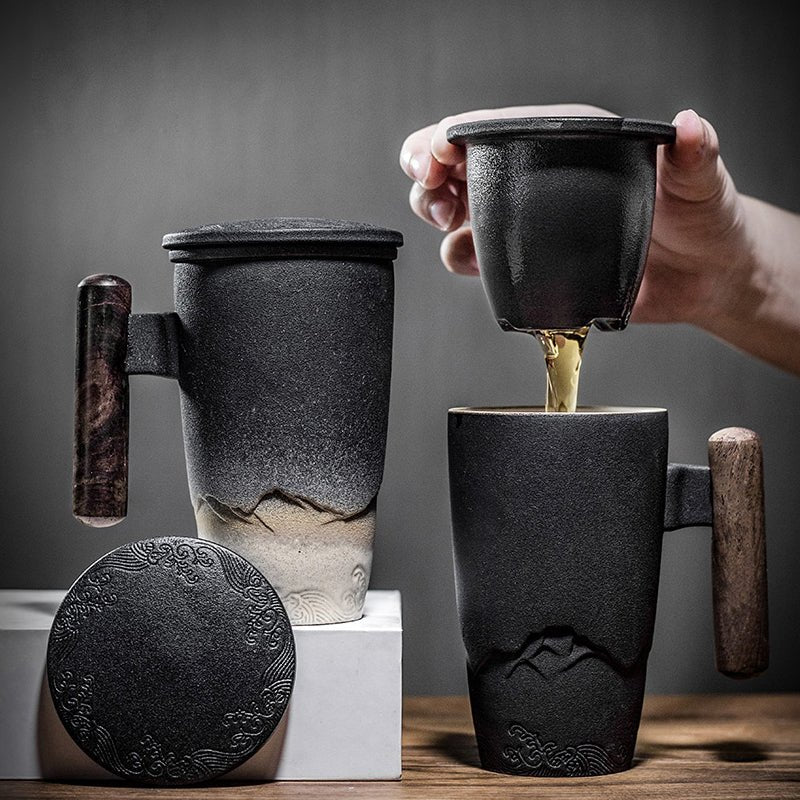
Breakfast Coffee Cup Capacity Guide: 170, 200, or 350 ml
Reading time: about 10 minutes
A 170 ml cup can be satisfying at the start of breakfast and empty before the toast is finished. A 350 ml mug may cover the whole meal, but it also occupies more visual and serving space at the table. This breakfast coffee cup capacity guide compares the three sizes currently listed in our store - 170 ml, 200 ml, and 350 ml - so you can match the vessel to your usual pour instead of buying from photographs alone.
We sell these formats for different routines, not as interchangeable versions of the same cup. The useful question is not simply which one holds the most. It is whether you prefer a compact serving, a deliberate refill, or one longer pour that stays beside you through breakfast. This comparison is based on current listed capacities and practical placement at a home breakfast table. It is not hospitality testing, and it does not assume that food, coffee, spoons, saucers, or other tableware are included with a product.
Breakfast coffee cup capacity guide: 170, 200, and 350 ml
The clearest starting point is the listed volume. Milliliters are more useful here than visual estimates because a tall silhouette can look larger than it is, while a broad cup can look deceptively compact. The approximate US fluid-ounce conversions below are included only as a familiar reference; use the milliliter specification as the primary comparison.
| Current option | Listed capacity | Approximate US fl oz | Best routine match | Main trade-off |
|---|---|---|---|---|
| Retro Coffee & Tea Cup | 170 ml | About 5.7 fl oz | Small breakfast pour with planned refills | Least suitable for someone who wants one large serving |
| Pleated Coffee & Tea Cup | 200 ml | About 6.8 fl oz | Moderate serving without moving into mug volume | May still require a refill during a long breakfast |
| Landscape Tall Coffee & Tea Mug | 350 ml | About 11.8 fl oz | One longer coffee or tea serving | More vessel than a short, concentrated drink needs |
These figures describe listed capacity, not a recommended fill line. Filling any cup to the rim leaves little room for carrying it from the kitchen counter to the table. Milk, foam, or another addition also needs headroom, so the beverage portion will be less than the full listed volume when those extras are part of your routine.
If none of the three serving patterns is an obvious match, browse our unique coffee mugs collection and compare the current product-page specifications rather than choosing solely by decoration.
Which size fits a one-pour breakfast or a refill routine?
Refill preference is the practical dividing line. Some shoppers like a smaller first cup and a fresh second pour. Others would rather fill once, sit down, and leave the coffee pot on the counter. In our experience, this habit matters more than the difference between two decorative finishes.
170 ml for a compact first serving
The Retro cup fits a breakfast routine built around a smaller volume. It makes sense when you intentionally pour less at a time, drink tea in modest servings, or expect to return for a refill. A smaller portion can also be useful if you dislike letting a large drink sit while you prepare food or move around the kitchen.
It is not the practical choice for a buyer who regularly prepares a long coffee and wants the entire serving in one vessel. Even if the cup looks right in a table setting, repeated trips back to the pot can become irritating when your normal drink is well above 170 ml.
200 ml for a little more room without a full mug
The Pleated cup adds 30 ml over the Retro option. That is a modest increase, not a jump into large-mug territory. It suits shoppers who find 170 ml slightly restrictive but still want a cup-scale breakfast serving rather than a tall 350 ml format.
This is the middle option for a reason: it reduces refill pressure without eliminating it for longer drinks. If you frequently add milk, do not assume all 200 ml can be coffee. Leave carrying room at the top and account for the added ingredient before deciding that the capacity covers your recipe.
350 ml for one longer serving
The Landscape Tall mug is the direct fit for someone who wants fewer interruptions. Its listed 350 ml capacity is 150 ml more than the Pleated cup and 180 ml more than the Retro cup. That difference is large enough to change the routine, giving a longer coffee or tea more space in a single vessel.
More capacity is not automatically better. A 350 ml mug can feel excessive for a short drink, and pouring a small amount into a tall vessel may not create the compact presentation some buyers want at breakfast. Shoppers specifically seeking a roughly 12 oz format can also consult our 12 oz coffee mug capacity guide for a closer look at that serving range.
How does cup footprint affect a breakfast table?
Capacity and footprint are related, but they are not the same measurement. Capacity tells you how much the vessel holds. It does not tell you the exact base diameter, maximum width, handle projection, or clearance required beside a plate. We do not invent those dimensions when they are not part of the verified comparison, so check the current product images and specifications if your shelf, tray, or coffee station has tight physical limits.
For table planning, use the formats as a practical visual guide:
- Retro 170 ml: Best aligned with a compact place setting and a smaller serving. Choose it when keeping the cup visually secondary to the rest of breakfast matters more than maximizing volume.
- Pleated 200 ml: A middle serving that remains closer to the compact-cup routine. Its extra 30 ml addresses capacity more than it transforms the way you use the table.
- Landscape Tall 350 ml: A taller mug format intended for substantially more liquid. Allow more clear vertical space in shelving and consider handle clearance when arranging several settings.
On a crowded breakfast table, handle direction matters. Turn handles outward and avoid placing them where they collide with a plate edge, serving board, or another cup. On the kitchen counter, leave enough room to lift the vessel without catching the handle on a nearby container. These simple placement checks are more reliable than assuming a higher-capacity mug will fit because its base looks narrow in a photograph.
How do milk, tea, and long coffee change the capacity decision?
Your finished drink volume should drive the decision. Start with the amount of brewed coffee or tea, add the space used by milk or other additions, and then allow headroom. Do not select a cup whose listed capacity exactly equals your ingredient total unless you are comfortable carrying a nearly full vessel.
- Estimate the amount you normally brew for one serving.
- Add the approximate volume of milk or other liquid additions.
- Allow unfilled space below the rim for carrying and drinking.
- Compare that total with 170 ml, 200 ml, and 350 ml.
- Decide whether a refill is part of the experience or an inconvenience.
A short black coffee can fit the logic of either the 170 ml Retro or 200 ml Pleated cup, depending on the serving and desired headroom. A milk-added drink may push the same coffee portion toward 200 ml. A long coffee that approaches 300 ml belongs more naturally in the 350 ml Landscape Tall mug because the smaller cups would split it across refills.
Tea follows the same volume logic, although some tea drinkers deliberately prefer a smaller cup and repeated fresh pours. For a more drink-specific comparison around compact servings, our cappuccino coffee mug capacity guide examines 170 ml and 200 ml alongside another current size. The key is to compare the finished serving, not just the brewed base.
Which current cup fits each breakfast routine?
Product recommendations are only useful when they connect a real routine to a clear trade-off. Here is how we would narrow the current options for shoppers in our store.
- You make a small drink and like a fresh refill: The 170 ml Retro cup is the closest fit because its lower capacity supports separate pours. Start with the Retro Coffee & Tea Cup and confirm the current listing details before checkout.
- You want a moderate serving but dislike oversized mugs: The 200 ml Pleated cup provides 30 ml more than the Retro while staying well below 350 ml. Review the Pleated Coffee & Tea Cup if your usual drink falls between a short pour and a long mug.
- You want to fill once and remain at the table: The 350 ml Landscape Tall mug offers the most capacity of these three and reduces the need to refill a longer drink. Go to the Landscape Tall Coffee & Tea Mug for the relevant current specifications.
- You are uncertain because style matters as much as volume: Compare the three product pages first, then return to the current unique mug collection to see how these formats sit among other designs.
The 170 ml and 200 ml choices are not good substitutes for a buyer who routinely wants roughly 350 ml without a refill. The 350 ml mug is not the best fit for someone specifically seeking a compact cup presentation. That limitation is useful: eliminating the wrong serving pattern is faster than trying to declare one universal winner.
What should you verify before ordering a breakfast cup?
Capacity is only one product specification. Material, exact dimensions, weight, finish, microwave guidance, and dishwasher guidance should be taken from the current product listing or care information rather than inferred from a cup's name or appearance. We do not treat a capacity comparison as proof of any care or appliance compatibility claim.
Before placing an order, use this short check:
- Confirm that the listed milliliter capacity covers your beverage plus additions and headroom.
- Review current product photographs for rim shape, handle position, overall height, and decorative finish.
- Check the listing for current material and care instructions. Do not assume dishwasher or microwave suitability unless it is stated there.
- Verify package contents. Styled breakfast photography may provide context, but it should not be read as a promise that drinks, food, spoons, plates, or other tableware are included.
- After delivery, inspect the rim for chips, the handle attachment for visible cracks, and the base for unexpected rocking before regular use.
- Follow the listed washing guidance before first use and avoid sudden temperature changes unless the product instructions explicitly allow them.
That inspection is especially relevant for gift orders because a visual defect is easier to address before the cup is used or presented. Capacity can be confirmed from the order details, but physical condition needs a direct check during unboxing.
Frequently asked questions
Is 170 ml enough for a breakfast coffee?
It is enough for a deliberately small serving, particularly if you like returning for a fresh refill. It is not enough for a typical long drink approaching 300 ml, and you should also leave space below the rim rather than treating all 170 ml as comfortable drinking volume.
Is there a noticeable difference between a 170 ml and 200 ml cup?
The listed difference is 30 ml, or about 1 US fluid ounce. That can provide useful room for a modest addition of milk or extra headroom, but both options still belong to a compact serving routine compared with the 350 ml mug.
How should I use this breakfast coffee cup capacity guide if I add milk?
Add the coffee and milk volumes together, then allow extra space for carrying. If your finished drink comes close to a cup's full listed capacity, move to the next size or plan a smaller pour rather than filling to the rim.
Which breakfast cup is best if I do not want a refill?
Among the three compared here, the 350 ml Landscape Tall mug is the strongest fit for a longer one-pour routine. The 170 ml Retro and 200 ml Pleated cups are better for smaller servings or drinkers who accept a refill.
Does a 350 ml capacity tell me the mug's exact dimensions?
No. Capacity does not establish height, base diameter, maximum width, or handle projection. Check the current Landscape Tall product page for available size information and use the photographs to assess shelf and table clearance.
Use this final capacity check before checkout
Write down your normal finished drink volume and make one decision about refills. Choose 170 ml for a compact serving with likely refills, 200 ml for a modest increase without moving to a large mug, or 350 ml for a longer one-pour breakfast. Then verify material, care guidance, dimensions, and package contents on the current listing.
If your answer is still between sizes, compare the product silhouettes and specifications in our unique coffee mugs collection. Capacity should narrow the choice first; the design can decide it second.
More from our blog
Read more
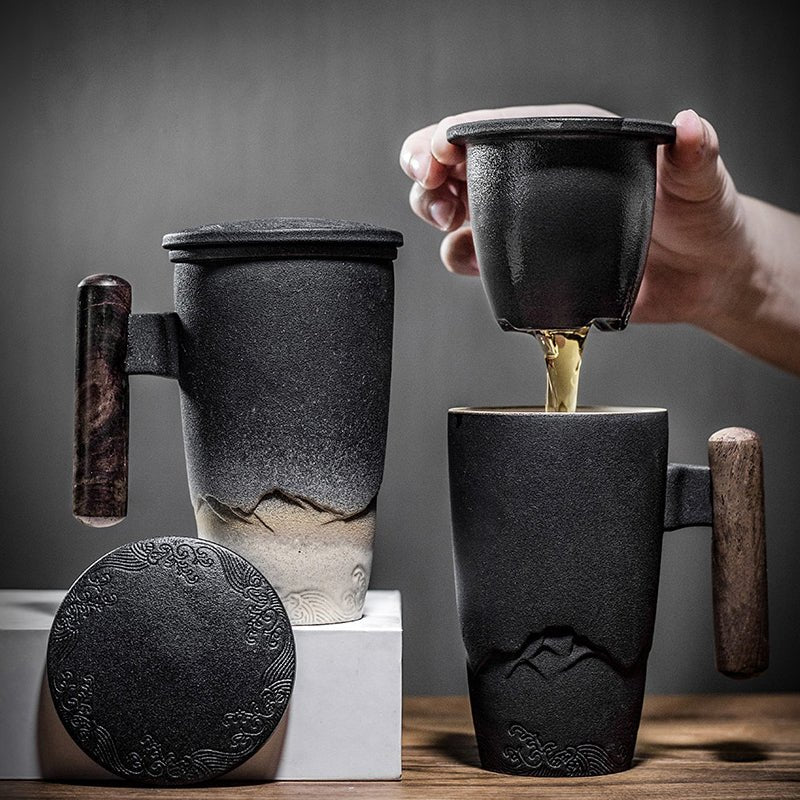
High Quality Ceramic Coffee Mugs Capacity Guide: 400-480 ml
Compare the current 400, 440, and 480 ml ceramic mug options by refill frequency, headspace, desk use, tea routines, and gifting fit. See which listed CoffeifyMug design best matches the way the re...
En savoir plus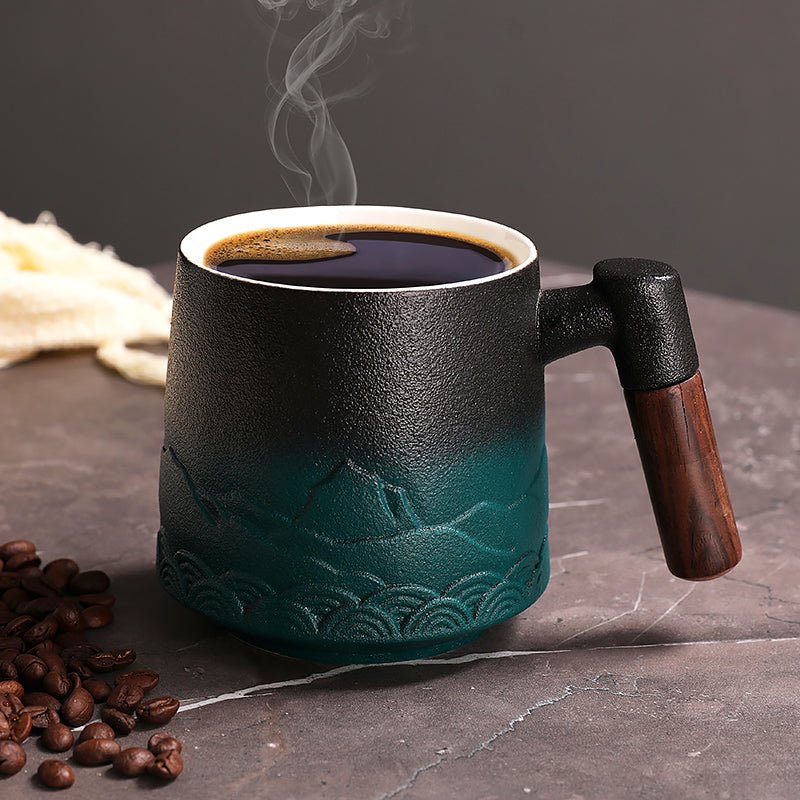
Rustic Ceramic Coffee Mugs Capacity Guide: 400, 440, 480 ml
Compare the current 400, 440, and 480 ml rustic ceramic mugs by practical fill room, refill habits, milk space, handle style, and daily routine before choosing.
En savoir plus
Laisser un commentaire
Ce site est protégé par hCaptcha, et la Politique de confidentialité et les Conditions de service de hCaptcha s’appliquent.