
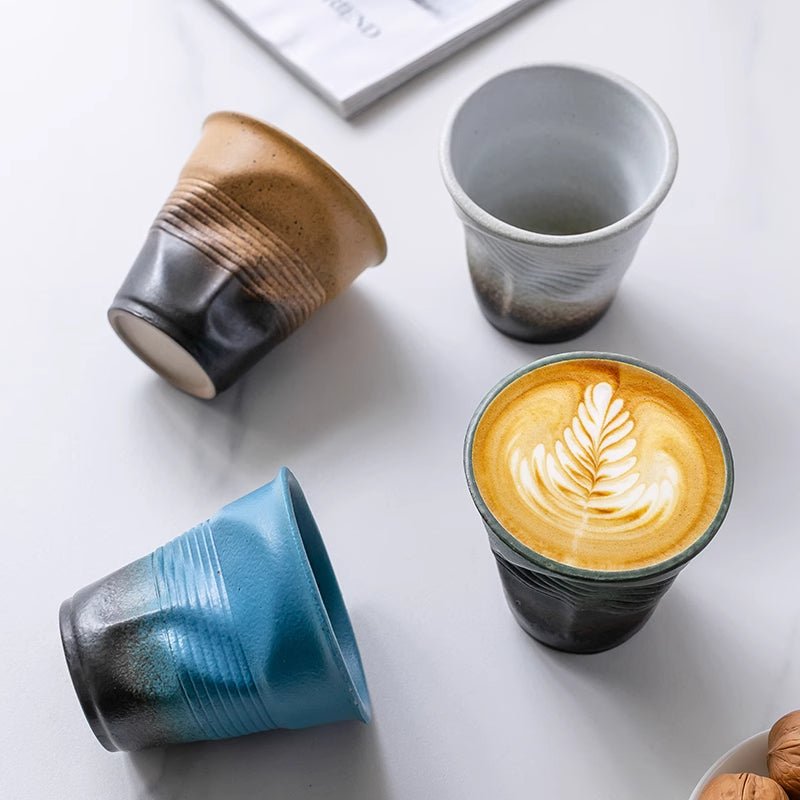
Big Tea Cup Buying Guide: What Size and Shape Work Best
Reading time: about 8 minutes
A big tea cup sounds simple until you set it on a crowded desk and realize the handle brushes your fingers, or the bowl is so wide that the tea cools before the last few sips. We see that a lot in our store: shoppers want more tea in one pour, but they do not want a mug that feels clumsy, flimsy, or awkward to wash every day.
The right cup solves a real problem. It gives you enough capacity for a full brew, sits comfortably in the hand, and survives the routine stuff: microwave reheats, sink rinses, dishwasher cycles, and the occasional knock against a countertop. If you are comparing options, start with the size that fits your tea habit, then work outward from there.
How big should a big tea cup be?
There is no single standard size, which is why people end up disappointed after ordering online. A cup can look generous in photos and still feel too small once you pour in tea, milk, or a little room for steam. For most buyers, a big tea cup falls somewhere between 12 oz and 18 oz, but the right choice depends on how you actually drink tea.
| Capacity | Best for | Trade-off |
|---|---|---|
| 12 oz | People who want a larger-than-standard cup without extra bulk | Less room for a full pour and add-ins |
| 14 oz to 16 oz | Most daily tea drinkers | Can still feel heavy if the walls are thick |
| 18 oz and above | Long tea sessions, desk use, or a cup that doubles for broth or oatmeal | Tea can cool faster if the opening is very wide |
Capacity is only part of the story. A 14 oz cup with thick ceramic walls may feel heavier than a thin 16 oz cup. A tall shape also takes up less saucer or desk space than a wide, bowl-like shape. If you are buying for everyday use, look at the usable fill line, not just the number in the product title.
Which material feels best for daily tea?
Material affects heat retention, weight, and the kind of experience you get with each sip. It also affects what can go wrong after a few months of real use. We keep that in mind because the right material for a gift is not always the right material for a daily office mug.
- Ceramic is the safest all-around choice for tea. It is familiar, easy to clean, and usually comfortable to hold. The downside is that glaze chips can show up if the mug gets knocked against a sink or metal rack.
- Stoneware tends to feel denser and hold heat well. That makes it a strong pick for slower tea drinkers, but it can be heavier in the hand and on a shelf.
- Porcelain is usually lighter and looks refined on a table. It is a good match for a more delicate tea service, though some buyers find it less forgiving if they want a rugged everyday mug.
- Glass lets you see the color of the tea, which some people love. It is not the best choice if you are rough on dishes or do a lot of temperature changes from hot rinse to cold water.
If you want a deeper breakdown of surface finish and everyday durability, our Tea Ceramic Cup Buying Guide: Size, Finish, and Daily Use and Tea Mug Buying Guide: How to Choose the Right Cup for Daily Tea cover the comparison points we use when we evaluate a mug for real kitchen use.
What shape keeps a large mug comfortable in the hand?
Shape matters more than most shoppers expect. A big tea cup can still be comfortable if the handle, rim, and base are designed well. The best ones feel stable on a desk and balanced when full, not top-heavy or awkward to lift with one hand.
We pay attention to a few details that generic listings often skip:
- Handle clearance: your fingers should fit without scraping the cup body. A tight handle can make the mug feel hotter and harder to carry.
- Rim thickness: a very thick rim can feel sturdy, but it may change the sipping feel. A thin rim can feel nicer to drink from, though it may not be as forgiving if the cup gets banged around.
- Base stability: a flat, even base matters on a kitchen counter, office desk, or tray. If the mug rocks, you notice it every day.
- Wall profile: a straight-sided cup usually looks modern and can maximize capacity. A tapered cup often feels easier to hold and may warm the hand less at the top.
Common defects are easy to miss in product photos. We look for uneven glaze at the foot, rough spots where the handle meets the body, and a base that does not sit flush. Those are the little things that turn a good-looking mug into a frustrating one after a week of use.
What should you check before you buy a big tea cup online?
Online photos can hide the practical details that matter most. Before you buy, check the product page for the points below. If a listing is vague on any of them, that is usually a sign to keep comparing.
- Capacity in ounces or milliliters: do not rely on the word “large” alone.
- Dimensions: height and diameter tell you more about cupboard fit and hand feel than the photo does.
- Care instructions: confirm whether it is dishwasher safe, microwave safe, or hand-wash only. If the manufacturer does not state it clearly, assume nothing.
- Finish: glossy glazes show stains differently than matte finishes, and matte surfaces can reveal cutlery marks more easily.
- Weight: a heavier mug can feel premium, but it is not ideal if you sip tea while reading or working at a laptop.
- Intended use: a mug built for cocoa or broth may not feel right for a refined tea setup.
For people who want one mug that can move between breakfast tea, a work break, and a relaxed evening refill, we usually recommend keeping the shape simple and the handle comfortable. That is the practical route. Fancy is fine, but daily use exposes weak design quickly.
Is a big tea cup a good choice for work, gifts, or home use?
It can be, but the use case should drive the choice. A big tea cup is not the best answer for every drinker. If someone prefers smaller, more frequent pours, a large cup may cool too slowly at first and then too fast before the last sip. If they enjoy long sessions at a desk or kitchen table, though, the extra capacity is a real advantage.
In our experience, these are the most common scenarios:
- Office desk: pick a stable mug with a comfortable handle and a shape that does not crowd the keyboard area.
- Home kitchen: a slightly heavier ceramic or stoneware cup works well because storage and cleanup are easy.
- Gift: choose a neutral design and solid packaging. A beautiful mug that arrives chipped is a bad first impression.
- Travel between rooms: a less bulky cup is easier to carry from kitchen to sofa, especially when full.
If you want a sturdier everyday option, take a look at The Rock Coffee Tea Mug. If you are comparing more than one style, browse our full collection and compare the handle, capacity, and finish side by side.
How do we compare big tea cups in our store?
We do not judge a cup by the catalog shot alone. In our store, we look at how a mug behaves in the situations people actually care about: sitting on a wet counter, moving from microwave to table, or surviving a dishwasher cycle without the glaze looking tired. That practical lens matters because a big tea cup is bought for routine use, not for a single pretty photo.
When we help shoppers choose, we usually point them toward two useful comparisons. If you want a broad overview of size and material choices, read Big Tea Cup Buying Guide: Size, Material, and Daily Use. If you are narrowing it down and want a more focused checklist, Large Tea Cup Buying Guide: What to Check Before You Buy is the better fit.
The trade-off is simple: bigger cups give you more tea and fewer refills, but they also demand better balance, a more comfortable handle, and a material that does not feel too heavy after the first few uses. A cup that looks impressive on a shelf is not automatically the right daily mug.
Frequently asked questions
What size is considered a big tea cup?
For most shoppers, anything around 12 oz and up starts to feel like a big tea cup, with 14 oz to 16 oz being the most practical everyday range. If you want a cup for long sessions or a larger pour, 18 oz can work, but only if the shape still feels balanced in the hand.
Is ceramic or stoneware better for a big tea cup?
Ceramic is usually the easier all-around choice because it is familiar, widely available, and comfortable for daily use. Stoneware holds heat well and often feels sturdier, but it is typically heavier, which matters if you drink tea slowly or carry the mug around the house.
Can I use a big tea cup for coffee too?
Yes, if the shape and capacity suit your routine. A larger mug works well for drip coffee, milk-based drinks, or anything you sip over time, but it is not ideal if you prefer a smaller, hotter serving that you finish quickly.
What should I avoid in a big tea cup?
We would avoid a mug with a cramped handle, a rocking base, or a finish that is not clearly labeled for daily care. Also avoid choosing only by volume; a wide, shallow cup can cool too fast, while an overly heavy cup can become annoying after a week of use.
Do big tea cups need special care?
Usually no, but check the care label before you buy. If the mug is hand-wash only, has a delicate decal, or uses a finish that may show utensil marks, treat it more gently than a plain everyday ceramic mug.
If you want the fastest next step, compare cup size, handle comfort, and care instructions first, then open our collection and choose the mug that fits the way you actually drink tea.
Read more
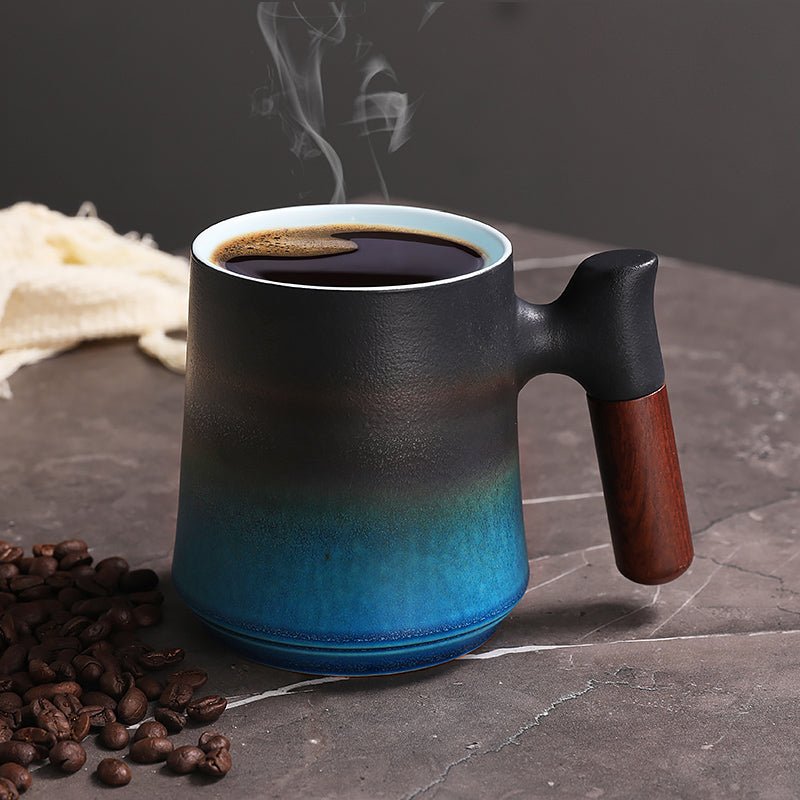
Cracker Barrel Coffee Mugs: What Buyers Should Check Before Ordering
A practical buying guide to cracker barrel coffee mugs that focuses on size, handle comfort, material, and daily use. We also show what to check before you choose a mug for home, office, or gifting.
En savoir plus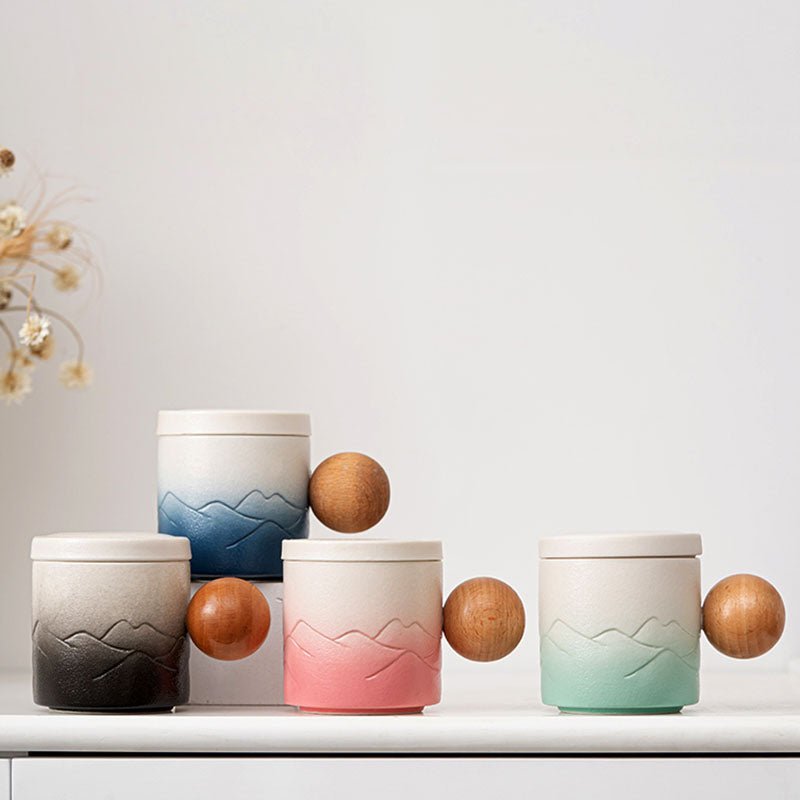
Best Mugs for Coffee: How to Choose the Right Mug for Daily Use
A practical guide to choosing the best mugs for coffee based on shape, size, material, and everyday comfort. We cover the trade-offs that matter on real kitchen counters and office desks.
En savoir plus
Laisser un commentaire
Ce site est protégé par hCaptcha, et la Politique de confidentialité et les Conditions de service de hCaptcha s’appliquent.