
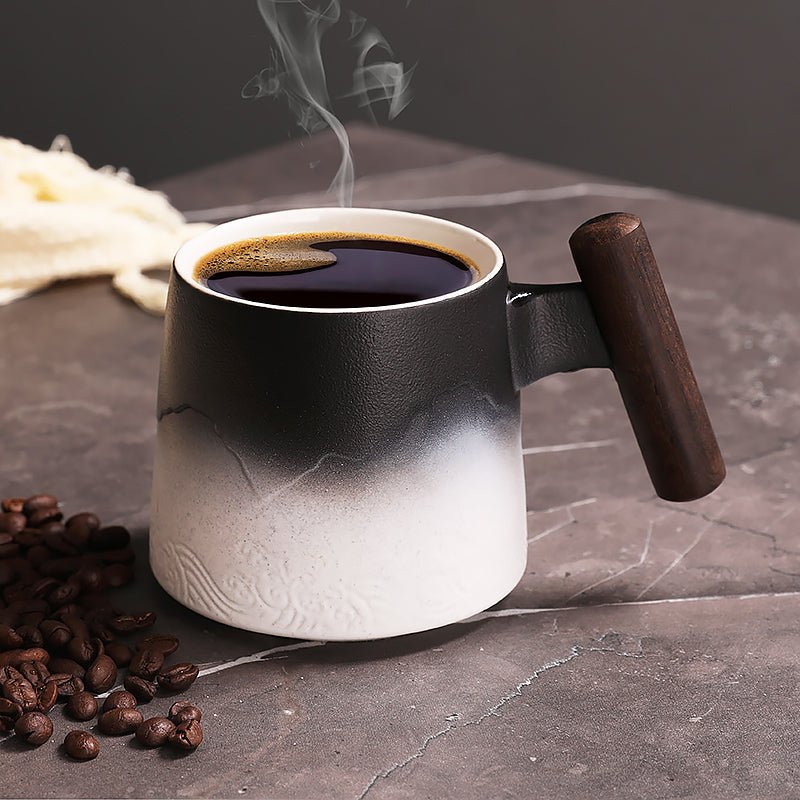
Awesome Coffee Mugs: How to Choose a Mug You’ll Actually Use
Reading time: about 10 minutes
We see the same thing at our store all the time: someone picks up a mug because it looks great, then realizes the handle is too tight, the cup is heavier than expected, or the size is wrong for their morning pour. That is usually the difference between a mug that sits in the cabinet and one that becomes the one you reach for every day.
Short routes if you want a mug you will actually keep using
If you already know the goal is daily comfort and real repeat use, these direct routes get you out of inspiration mode and into a practical first order. article_awesome_use_20260604
- Pick a Mug Fast is the shortest route if you want a fast yes-or-no decision without reopening more product lists.
- Round Mug cart is the safest broad-appeal first order for everyday coffee, tea, gifting, and general home use.
- 2-Mug Starter Set helps if you want a practical compare between the Round and Landscape Tall routes in one shipment.
- Museum Shop Mug Sample Set fits better when this visit is really a buyer, editor, or reviewer workflow.
If you want the measurement side first, Best coffee mug guide, and 24 oz guide can help you compare nearby sizes before using a cart route.
If you are comparing awesome coffee mugs, the smart move is to look past the print or finish and check the details that affect daily use. Our team handles this category all the time, so we focus on the things shoppers notice after the first week: comfort in hand, capacity, heat retention, and how the mug holds up after repeated dishwasher cycles. For a broader look at our range, start with our products page or browse the full collection.
What makes a coffee mug actually good for everyday use?
A mug earns its place by being easy to grab, easy to clean, and the right size for the way you drink coffee. In our experience, the best everyday mugs feel balanced on the counter and in the hand. They do not tip easily, the handle leaves room for two or three fingers, and the rim feels smooth instead of sharp.
Three concrete things we check before recommending a mug:
- Material: ceramic is the most common choice for home use because it is sturdy, familiar, and usually dishwasher safe. Stoneware tends to feel a little thicker and heavier. Porcelain can feel lighter and more refined, but it may not have the same sturdy feel some buyers want for office use.
- Capacity: smaller mugs around 12 oz suit standard coffee servings, while 16 oz and 20 oz options work better for larger pours, lattes, or people who do not want to refill often. If you want a deeper size comparison, our guides on 12 oz Coffee Mugs: What to Check Before You Buy and 16 oz Coffee Mugs: What to Check Before You Buy break down the trade-offs clearly.
- Finish and care: a glaze that feels smooth usually cleans more easily. A mug marked as dishwasher and microwave safe is more convenient for daily routines, but hand wash is still the safer choice for mugs with metallic accents, raised decoration, or delicate printed art.
That last point matters. A mug can look beautiful and still be annoying if the design chips early, the glaze shows utensil marks, or the handle gets uncomfortable with a full pour. Pretty alone does not make a mug awesome.
Which mug size should you buy for your routine?
Size changes everything. A mug that feels perfect at a café table can feel awkward on a commute-friendly desk, and a larger mug that is ideal for tea can overwhelm a standard drip coffee fill. We recommend matching capacity to how you actually drink, not to how the mug looks in a photo.
| Size | Best for | Watch-outs |
|---|---|---|
| 12 oz | Standard coffee, smaller servings, neat cabinets | May feel too small for latte drinkers or anyone who likes room for milk |
| 16 oz | Large morning coffee, flavored drinks, casual office use | Can be heavier when full and take more cabinet space |
| 20 oz | Big pours, tea, long desk sessions, fewer refills | Not ideal if you prefer a lighter mug or drink espresso-based beverages in smaller amounts |
If you are buying for a desk, a 16 oz mug is often the practical middle ground. If your cabinet space is tight, 12 oz mugs stack or line up more easily. For shoppers comparing bigger options, our article on 20 Ounce Coffee Mugs: What Buyers Should Check Before Ordering is a useful checkpoint, and our buyer’s guide to large capacity coffee mugs explains what changes once you move above the standard size range.
There is a trade-off worth saying plainly: larger mugs are convenient, but they are not always better. If you like your coffee hot from start to finish, a very large mug can cool off before you finish it. If you want something light and easy to hold, a heavy oversized mug can feel cumbersome by mid-morning.
What materials hold up best on a kitchen counter or office desk?
Most shoppers choose ceramic because it covers the everyday sweet spot. It feels comfortable, looks clean, and usually works well for routine washing. But the material should match the setting.
Ceramic
Ceramic mugs are the default for a reason. They handle hot drinks well, fit most cup holders poorly but most hands comfortably, and are easy to style for gifting. The trade-off is that ceramic can chip if knocked into a sink or stacked carelessly. If you are buying for a shared office kitchen, this is the area where mugs often show wear first.
Stoneware
Stoneware is generally thicker and denser, which gives it a solid feel. That can be a plus if you want something grounded and sturdy. The downside is added weight. If you tend to carry your mug from kitchen to desk to couch, that extra heft is noticeable.
Porcelain
Porcelain usually feels lighter and more refined. It is a good choice when presentation matters, such as a gift unboxing or a more polished breakfast setup. The limitation is that some buyers find it less forgiving in everyday handling, especially if they prefer a chunky handle or a very substantial feel.
We also tell shoppers to check for common defect modes before they buy: uneven glazing near the base, small handle seams that feel rough, and prints that sit too close to the rim where hands and lips contact the mug more often. Those small details are what separate a nice-looking mug from one you want to use every morning.
What should you check before buying a mug as a gift?
Gifting is where people often overfocus on the design and underfocus on the details. A funny slogan or seasonal graphic can be a hit, but the mug still needs to feel useful when the wrapping paper is gone.
For gift buyers, we look at four questions:
- Will the recipient actually use this size? A heavy coffee drinker probably wants more capacity than someone who drinks a small cup with breakfast.
- Does the style fit their space? Office desks, open shelving, and kitchen counters all show mugs differently. A bold design can be fun, but not every recipient wants their mug to be the loudest thing on the desk.
- Will it survive normal washing? If you are gifting a mug meant for daily use, dishwasher-safe care is a real convenience.
- Is the handle comfortable? This is easy to overlook online, but it matters every time the mug is lifted.
For readers comparing style-led options, our article on Anthropologie Coffee Mugs: How to Compare Style, Size, and Everyday Use is helpful if you like the decorative side of the category. If you want a broader buying checklist for gifts, offices, and everyday kitchens, see Best Coffee Mugs for Daily Use, Gifts, and Office Desks.
One limitation to keep in mind: highly decorative mugs are not always the best choice for someone who microwaves coffee often, uses an espresso machine, or wants a mug that stacks tightly with the rest of the kitchenware.
How do you tell if a mug is comfortable before you buy online?
Online photos can hide the important stuff. A mug may look sleek, but if the handle is narrow or the body flares too much near the top, it can feel awkward once it is full. We recommend looking at the description for measurements and evaluating a few practical points.
- Handle opening: enough room for your fingers without pinching.
- Wall thickness: thicker walls often feel sturdier, while thinner walls may feel lighter and more refined.
- Rim shape: a smooth rim makes a noticeable difference in drinking comfort.
- Base stability: a flat, even base sits better on desks and counters.
- Weight when full: a mug that feels fine empty may feel much heavier once coffee, milk, or tea is added.
In our experience, the mugs people reorder are the ones that solve small annoyances. They fit in the dishwasher rack without a fight. They do not get top-heavy. They feel normal on a weekday morning. That sounds simple, but it is exactly what buyers come back for.
What should you expect from care and durability?
Good mugs should handle normal use without becoming delicate. Still, the finish and decoration determine how long they keep looking fresh. A solid ceramic mug with a good glaze can handle repeated dishwasher cycles well, but we still suggest reading the care notes closely. Printed artwork, metallic accents, or textured surfaces often need more careful handling than plain glazed mugs.
Here is the routine we recommend for keeping mugs in better shape:
- Let the mug cool before washing if it has just held very hot liquid. Rapid temperature swings can be hard on some finishes.
- Use a non-abrasive sponge for printed or decorative surfaces.
- Avoid stacking mugs too tightly if the rim or glaze is delicate.
- Check the base occasionally for rough spots that can scratch shelves or counters.
Not every mug is a heavy-duty workhorse. If you want something purely for display, the care demands may be less of a concern. If you want a daily driver for work, morning coffee, and dishwasher use, choose simpler construction and a finish that can take regular wear.
Which style is best for your setup: home, office, or gifting?
The best mug changes with the setting. A kitchen counter setup is different from an office desk, and a gift should feel more versatile than a mug you buy just for yourself.
- Home: Choose the size you use most often, usually 12 oz or 16 oz, and prioritize comfortable handling and easy cleaning.
- Office: Pick a mug with a stable base and enough capacity to reduce refills. If it lives near a keyboard, a clean shape and moderate width are easier to manage.
- Gift: Style matters more here, but only up to the point where the mug still feels useful. A gift that looks good and works every morning is the better buy.
If you are comparing styles and want a seasonal angle, our Autumn Coffee Mugs: How to Choose the Right Cup for Cozy Season post is a practical place to start for colder months and giftable designs.
Frequently asked questions
What size coffee mug is best for everyday use?
For most people, 12 oz or 16 oz covers everyday use well. Choose 12 oz if you prefer standard servings and lighter handling, or 16 oz if you want more room for milk, tea, or a larger coffee pour.
Are ceramic coffee mugs dishwasher safe?
Many ceramic mugs are dishwasher safe, but not all finishes are equal. Plain glazed mugs usually hold up better than mugs with metallic accents, raised decals, or delicate printed artwork. Always check the care notes before assuming it is safe.
Do larger mugs keep coffee hotter longer?
Not necessarily. A larger mug can hold more liquid, but it also gives the drink more surface area to cool. If you sip slowly, a very large mug may lose heat before you finish it.
What makes a coffee mug comfortable to hold?
A comfortable mug usually has a handle with enough space for your fingers, a balanced weight, and a body shape that does not feel top-heavy when full. Smooth rims and a stable base also make a difference in daily use.
Are decorative mugs a good choice for daily use?
Sometimes, but not always. Decorative mugs are great if you want something giftable or visually appealing, yet they can be less durable if they have fragile prints, metallic details, or awkward shapes. For heavy daily use, simpler construction is often the safer choice.
If you are ready to narrow it down, compare your must-haves first: size, handle comfort, care instructions, and whether the mug is for home, office, or gifting. Then browse our full collection and pick the mug that fits the routine you actually have, not the one that only looks good in the photo.
Read more
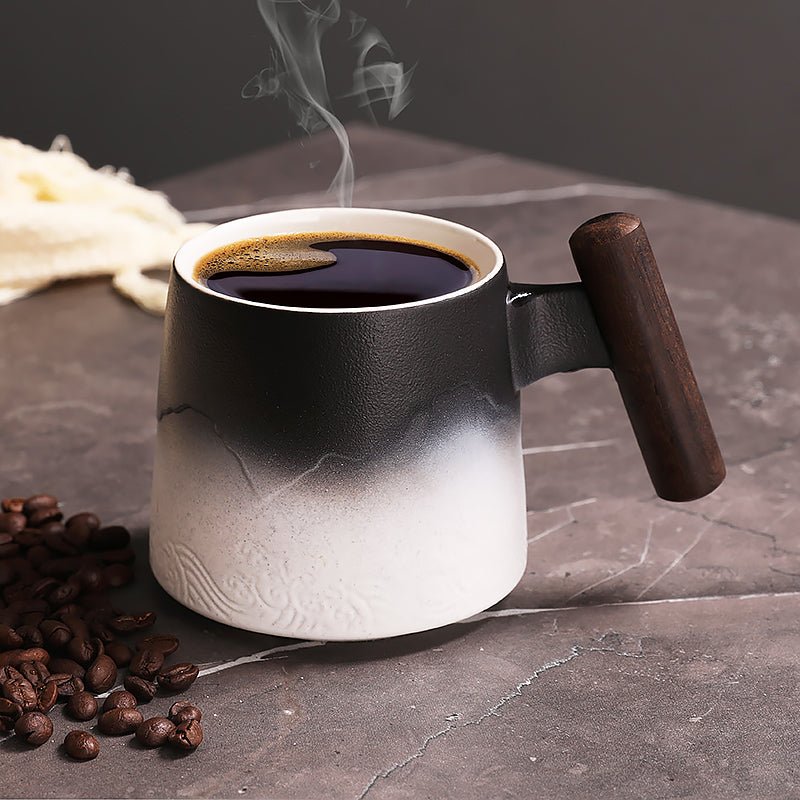
Coffee Mug Hanger Buying Guide: What Actually Fits and Holds Well
A coffee mug hanger can free up counter space, but the wrong one wobbles, scratches shelves, or fails with heavier mugs. Here’s what we check for in real kitchens and offices before we recommend one.
En savoir plus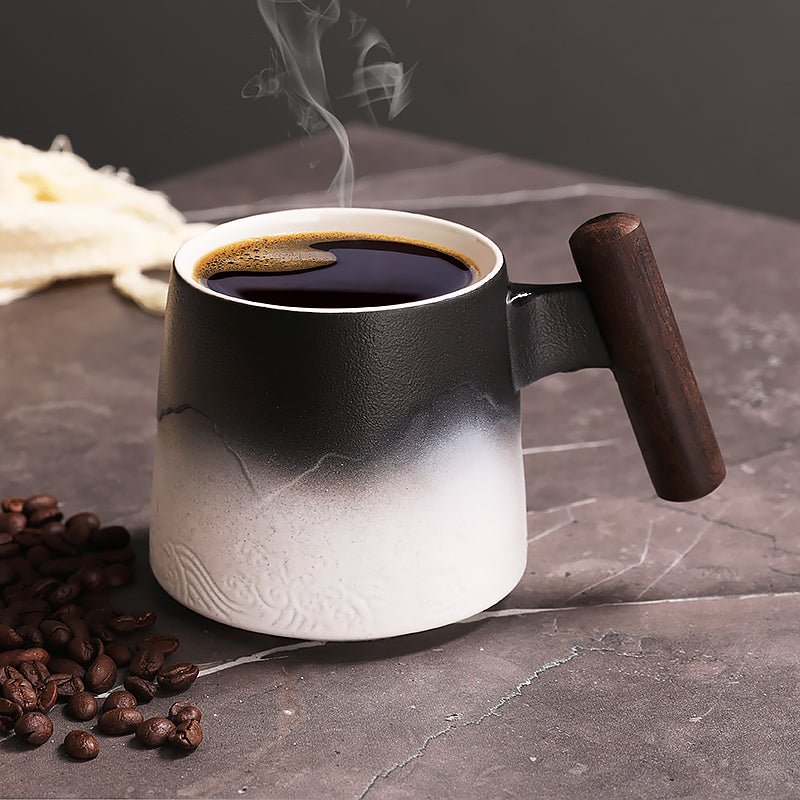
Tea/Coffee Mugs Buyer’s Guide: How to Compare Size, Material, and Use
A practical guide to tea/coffee mugs that compares the details shoppers actually notice at home: size, shape, handle comfort, material, and cleanup. Use it to narrow the right mug for your kitchen,...
En savoir plus
Laisser un commentaire
Ce site est protégé par hCaptcha, et la Politique de confidentialité et les Conditions de service de hCaptcha s’appliquent.