
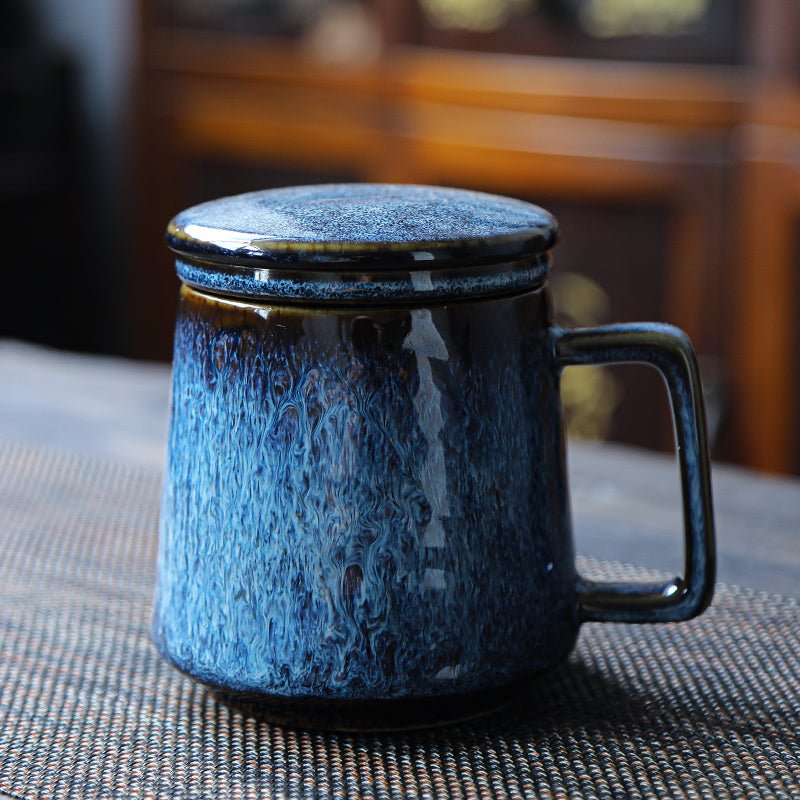
24 Ounce Coffee Mug: What to Check Before You Buy
Reading time: about 9 minutes
A 24 ounce mug sounds simple until you set one beside the sink, lift it with one hand, and realize how much space that extra volume really takes. In our store, we see two kinds of buyers: people who want fewer refills during a long morning, and people who want a gift mug that feels substantial instead of undersized.
If you are comparing a 24 ounce coffee mug, the real question is not just how much it holds. It is how it fits your cabinet, your hand, your coffee routine, and the way you actually use a mug on a kitchen counter or office desk.
How much coffee does a 24 ounce mug really hold?
Twenty-four ounces is roughly two standard 12 ounce servings. That makes it useful for a big drip coffee, a large tea pour, or a mug-and-a-half style drink with milk or creamer. It also means there is more room for foam or toppings without having to stop short of the rim.
The trade-off is simple: more capacity usually means more weight once filled. Twenty-four ounces of liquid alone is close to 1.5 pounds before you even count the mug itself. On a busy morning, that matters. A mug this size is less about dainty sipping and more about staying put on a desk, tray, or kitchen table.
Size also changes how the drink behaves. A wider mouth cools faster than a narrow one, while a tall shape can feel more awkward under low cabinets. That is why we always tell buyers to think about both capacity and shape, not just the number on the label.
Who is a 24 ounce mug actually good for?
A 24 ounce mug makes sense if you like one large serving instead of multiple refills. It is also a good fit for tea drinkers who brew a full pot and want one vessel to finish it, or for home-office users who do not want to get up every ten minutes for a top-off.
- Best for long mornings with drip coffee, tea, or milk-heavy drinks.
- Useful for people who work at a desk and want fewer trips to the kitchen.
- Helpful when you want a single mug for soup, cider, or a large hot chocolate.
- Often better as a gift when you want something more generous than a standard 12 ounce cup.
It is not the best choice for espresso-only drinkers, people with very small hands, or anyone who stores mugs in a tight cabinet with low clearance. If you mostly drink a standard cup of coffee, our 12 Ounce Coffee Mug Buying Guide: Size, Fit, and Best Uses is the better comparison point. If you are stuck between daily comfort and extra capacity, our 16 Ounce Coffee Mug Buyer’s Guide: Size, Material, and Fit is the more practical middle ground.
What should you check before buying a 24 ounce mug?
We look at the same few details every time we handle a large mug in our store. These are the things that matter after the first week, not just in the product photo.
- Handle clearance: Check whether your fingers fit cleanly through the handle. A 24 ounce mug feels much better when the handle leaves room for two or three fingers without forcing your grip.
- Footprint and cabinet height: Measure the mug’s height and width against your shelf space. A mug that looks fine online can still hit an upper cabinet or crowd a drying rack.
- Weight when full: Large capacity adds real heft. If you drink while standing or walking around the house, that extra weight becomes obvious fast.
- Rim shape: A thinner rim usually feels better for sipping, while a thicker rim can feel sturdier but slightly less refined. Wide openings also cool drinks faster.
- Finish and care: Confirm whether the mug is dishwasher safe, microwave safe, or hand-wash only. For printed or decorated mugs, gentle care helps the finish last longer.
- Flat base and balance: Set the mug on a hard surface and look for wobble. A bad foot ring or uneven base is one of the fastest ways to turn a nice mug into an annoying one.
Those checks sound basic, but they catch the issues customers notice most: a handle that feels cramped, a mug that barely fits under the cabinet, or a base that rocks on the counter. A large mug should feel stable, not top-heavy.
Which CoffeifyMug styles make sense for this size?
If you want to see current options, start with the full collection. For a more specific look, these are the three product pages we would point shoppers to first:
| Style | Best for | Trade-off to consider |
|---|---|---|
| Mountain Tall Coffee Tea Mug | Buyers who want a bold everyday mug with a taller, more substantial feel | A taller profile can take more cabinet space and may feel less compact in small kitchens |
| Christmas Coffee Tea Mug | Seasonal gifting, holiday desks, and a mug that feels more personal than plain | Seasonal styling is not for someone who wants a neutral mug they can use year-round |
| Green Waves Coffee Tea Mug | Shoppers who want a calmer visual style and something that stands out without being loud | Patterned or decorative finishes are not the best choice if you want a strict matching set |
In our experience, the right choice is usually the one that matches where the mug will live. A desk mug should feel comfortable to hold for long stretches. A gift mug should look good the second it comes out of the box. A kitchen mug should be easy to stack, wash, and reach without shuffling the whole shelf.
How does a 24 ounce mug compare with 12 and 16 ounce sizes?
A 24 ounce mug is not automatically better than a smaller one. It just serves a different routine. If you are comparing sizes, think in terms of daily behavior, not abstract capacity.
Our 24 Ounce Coffee Mug Buyer’s Guide: Size, Fit, and What to Check goes deeper on the fit questions shoppers ask most. If you are still deciding whether you need that much volume at all, the 16 Ounce Coffee Mug Buyer’s Guide: Size, Material, and Fit is useful because 16 ounces is often the point where comfort and capacity start to balance out. For smaller, more familiar daily pours, the 12 Ounce Coffee Mug Buying Guide: Size, Fit, and Best Uses shows why a standard mug still makes sense for many buyers.
- 12 oz: Best for a standard coffee pour and easier storage.
- 16 oz: Best as a middle size for people who want more room without a heavy mug.
- 24 oz: Best when you want fewer refills, more milk or creamer space, or a mug that doubles as a bowl-like serveware option.
If you tend to finish coffee quickly, the extra room may not help you much. If you like a big pour that lasts through work sessions, reading, or a slow breakfast, the larger size starts to earn its place.
What are the trade-offs of going this large?
A 24 ounce mug is useful, but it is not for everyone. The most common downside is simple handling. Once full, it gets heavy enough that one-handed carrying can feel awkward if you are moving around the house or reaching over a cluttered desk.
Another trade-off is heat retention versus surface area. Bigger mugs can hold more drink, but if the mouth is wide, the drink may lose heat faster than you expect. That is especially noticeable if you sip slowly while answering email or sitting through a long morning meeting.
There is also the storage question. Large mugs can crowd a dishwasher rack, brush cabinet doors, or take the most valuable shelf space in a small kitchen. If your setup is tight, a 16 ounce mug may be the smarter buy.
One more practical point: a large mug is not the same thing as an insulated travel mug. If you need spill resistance for a commute, a lidded travel cup is the better category entirely. A 24 ounce ceramic mug is for sitting, not for driving.
Frequently asked questions
Is a 24 ounce coffee mug too big for daily use?
Not if you actually drink that much coffee or tea in one sitting. It becomes too big when the size forces awkward handling, takes over cabinet space, or leaves you drinking a half-full mug that cools before you finish it. If your normal pour is closer to 12 or 16 ounces, a smaller mug will usually feel better day to day.
Will a 24 ounce mug fit under my kitchen cabinets?
Sometimes, but not always. Tall mugs can clear some cabinets easily and miss others by a small margin, so measuring the mug height against your shelf clearance is the safest move. If your storage is tight, check the dimensions before you buy instead of assuming the size will work.
Is a 24 ounce mug good for lattes or tea?
Yes, especially if you like room for milk, foam, or a full tea pour. It is also useful for large hot chocolate, cider, or even soup. Just remember that the bigger opening may cool the drink faster than a narrower cup.
Can I put a 24 ounce mug in the dishwasher or microwave?
That depends on the specific mug. Check the product page for care guidance and follow it closely, especially on printed or decorated designs. If a mug is not clearly marked as microwave or dishwasher safe, treat it more gently until you confirm the care instructions.
What is the main difference between a 16 ounce and 24 ounce mug?
The difference is not only size. A 16 ounce mug usually feels easier to hold, store, and wash, while a 24 ounce mug gives you more room for larger pours and fewer refills. The right choice depends on whether you value comfort or capacity more.
What should you compare before you add one to cart?
Before you check out, compare the mug against the way you actually use it. A big mug can be a better buy than a small one, but only when the size fits the routine.
- Measure your cabinet height and shelf width.
- Decide whether you want one large serving or a more manageable daily cup.
- Check the handle shape and whether it feels comfortable for your grip.
- Confirm care instructions for washing and reheating.
- Choose a style that matches the room where you will use it most.
If you want the fastest path from comparison to purchase, start with the full collection and narrow it by size, look, and how you plan to use the mug on an ordinary morning.
For buyers who want a simple shortlist: pick a 24 ounce mug if you want fewer refills, more room for milk or tea, and a mug that feels substantial on the table. Pick a smaller size if storage, weight, or heat retention matters more than capacity.
Read more
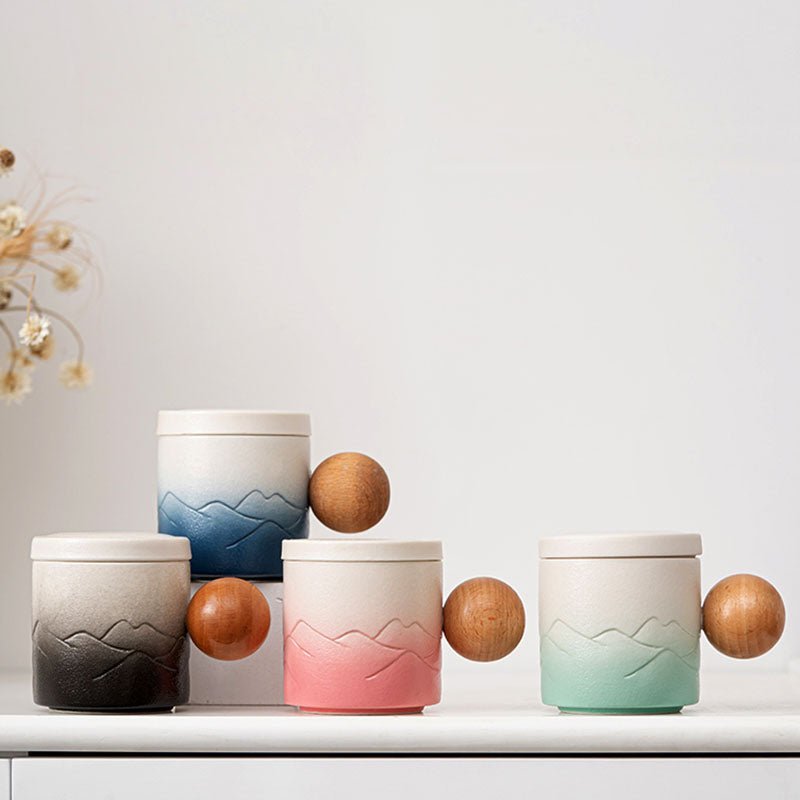
Halloween Coffee Mug Buying Guide for Size, Style, and Gifts
We compare Halloween coffee mug styles the way shoppers actually use them: on the counter, at the office, and in a gift box. See which shapes are practical, which are mostly decorative, and which o...
En savoir plus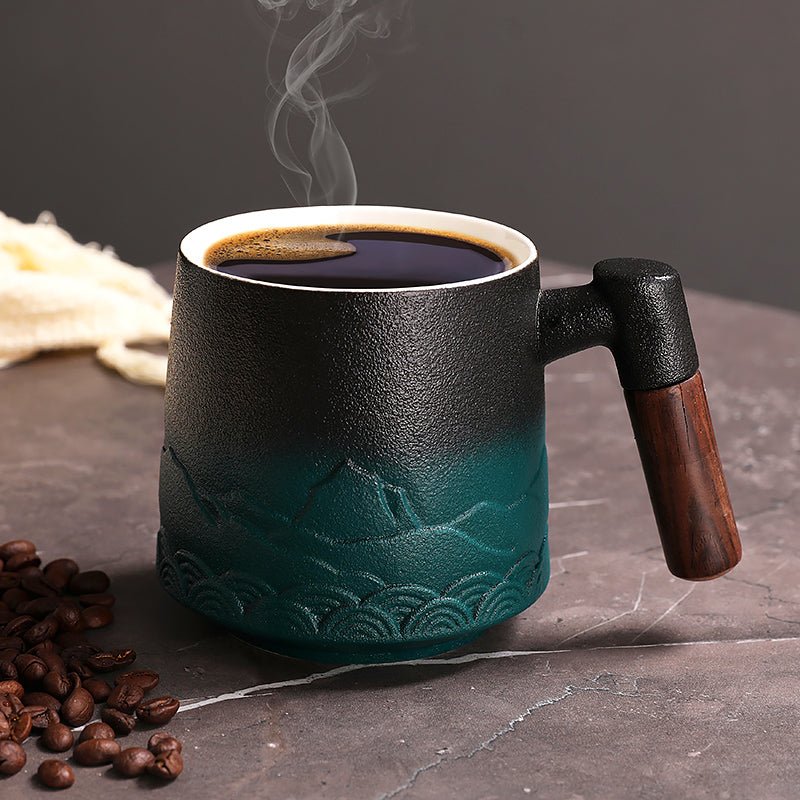
Metal Coffee Mug: What to Check Before You Buy
A practical guide to choosing a metal coffee mug for daily use, with real trade-offs on heat, handles, care, and which styles fit office or home routines.
En savoir plus
Laisser un commentaire
Ce site est protégé par hCaptcha, et la Politique de confidentialité et les Conditions de service de hCaptcha s’appliquent.