
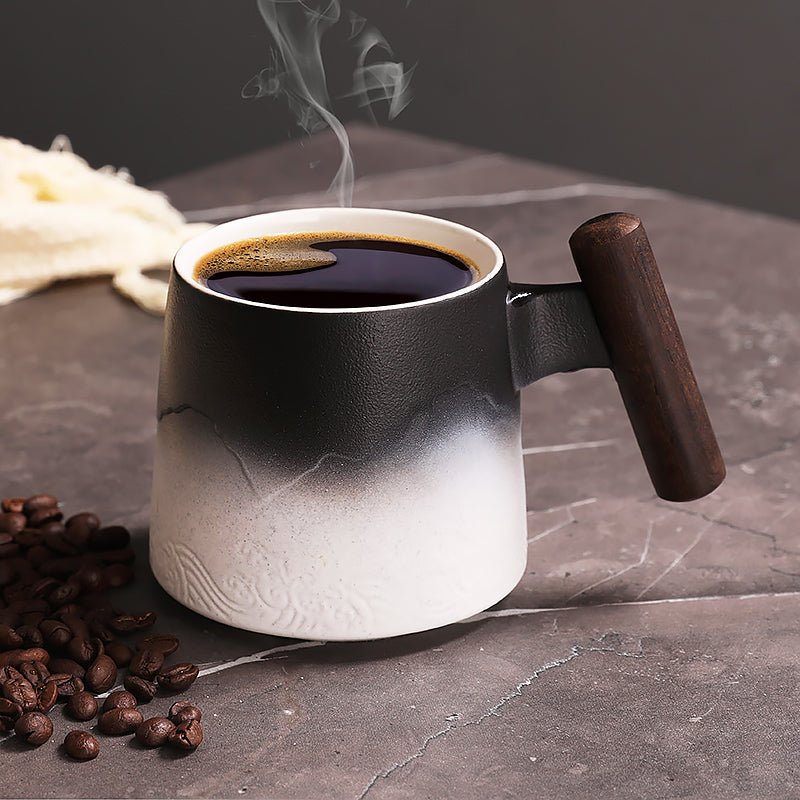
10 oz Coffee Mug: Size, Fit, and What to Check Before You Buy
Reading time: about 11 minutes
A mug that looks perfect in photos can feel wrong the first morning you use it. Too wide, and your coffee cools fast. Too tall, and it crowds the dish rack or doesn’t sit comfortably under your brewer.
A 10 oz coffee mug usually hits a practical middle ground: enough room for a proper pour, but not so much that it becomes a heavy, oversized hand warmer. In our store, we see shoppers choose this size for office desks, smaller kitchen cabinets, and gift sets where they want something usable every day instead of a novelty mug that only looks good on a shelf.
If you’re comparing sizes, our broader guides on the common coffee mug sizes and the 12 oz coffee mug can help you decide whether 10 oz is your real sweet spot or just close to it.
What does a 10 oz coffee mug actually hold?
A 10 oz mug holds about 295 ml on paper, but real-world capacity depends on the shape. Some mugs are measured to the brim, while others leave headspace so you can carry the mug without sloshing coffee over the edge.
That headspace matters more than people expect. A mug with a narrow opening and straight walls can feel more generous than a short, rounded mug with the same listed volume. We always suggest looking at the usable fill line, not just the printed capacity.
For most buyers, a 10 oz coffee mug is best for:
- A standard drip coffee serving with room for milk or cream
- A single cappuccino or a smaller latte
- Tea, cocoa, or other hot drinks that do not need a large vessel
- Desk use, where a lighter mug is easier to handle between tasks
It is not the best pick if you regularly pour large mugs from an automatic brewer or want enough space for a very milky drink. If that sounds familiar, our 16 oz coffee mug guide may fit your routine better, and the same goes for the larger 20 oz coffee mug and 24 oz coffee mug options if you pour big.
Who is a 10 oz coffee mug best for?
We see this size work well for a few very specific buying situations. The details matter because a mug that feels right in a kitchen can feel awkward in an office, and a gift mug has a different standard than a daily driver.
Good fit for:
- Single-cup coffee drinkers who do not want a large mug taking over the counter
- Office users who want something easy to rinse, carry, and fit under a desk coffee machine
- Gift buyers looking for a practical mug that will not feel oversized or overly niche
- Smaller households where cabinet space and dishwasher space are both tight
There is a trade-off, though. If you like to build drinks with lots of foam, milk, or add-ins, 10 oz can feel cramped. The extra ingredients eat into the drink space fast. That is why some people who start shopping for a 10 oz coffee mug end up happier with a 12 oz or 16 oz option after they think through their actual routine.
In our experience, the best mug size is the one you can use without thinking about it. If you have to tilt carefully every time you walk from the brewer to the desk, the mug is too full or too small for the way you drink.
What material should you choose for a 10 oz coffee mug?
Material changes the feel of the mug more than many shoppers expect. A 10 oz mug in ceramic does not behave the same as one in porcelain or stainless steel, even if the capacity is identical.
| Material | What it feels like | Best for | Trade-off |
|---|---|---|---|
| Ceramic | Heavier, sturdy, familiar in the hand | Everyday kitchen use, gifting, home coffee setups | Can chip if knocked against a sink or countertop |
| Porcelain | Typically lighter and more refined | People who want a cleaner look and thinner rim | May feel less rugged than thicker ceramic |
| Stainless steel | Durable and practical | Travel, workbench use, outdoor spaces | Not the classic mug feel, and it can change the drinking experience |
For a home coffee mug, ceramic is still the most common choice because it feels stable in the hand and usually handles daily use well. A smooth glazed interior is easier to rinse, and it tends to resist odor buildup better than more porous finishes. That said, a glaze can show fine crazing over time, and lighter-colored finishes may show coffee staining if they are not cleaned regularly.
If you prefer a thinner drinking edge and a lighter lift, porcelain can be a nice step up. If the mug will live near a busy sink, on a breakroom counter, or in a place where things get bumped around, a thicker ceramic body may be the safer pick.
What size details should you check before ordering?
Capacity is only one part of the story. We handle a lot of mug comparisons in our store, and the shoppers who are happiest after delivery usually checked the physical dimensions, not just the ounce count.
Look for these details before buying:
- Rim diameter — A wider opening cools faster but makes sipping easier and can be better for foam-based drinks.
- Handle opening — If you have larger hands, a small handle can be the difference between comfortable and annoying.
- Overall height — This affects whether the mug fits under a brewer, in a cabinet, or in a dishwasher rack without tipping.
- Wall thickness — Thicker walls usually feel sturdier and retain heat well, but they can make the mug heavier.
- Base width — A wider base often feels more stable on an office desk or crowded counter.
For a 10 oz coffee mug, these details often matter more than the exact ounce number. Two mugs with the same capacity can feel completely different in the hand. One may be compact and cozy; another may be tall and narrow, better for drip coffee but less comfortable for espresso-based drinks topped with milk.
If you are comparing a smaller profile, our 8 oz coffee mug guide is useful for understanding where compact mugs start to feel too small. If your routine leans larger, the 16 ounce coffee mug buyer’s guide shows what changes once you move up a size.
How does a 10 oz coffee mug fit into daily use?
In daily use, this mug size works best when the drink is supposed to be simple. Coffee, tea, or hot chocolate. No juggling. No oversized vessel that looks half-full after the first pour.
We also see it work well in a few everyday situations:
- Morning kitchen use — It is easier to grab one-handed while opening the fridge or checking the kettle.
- Desk use — A 10 oz coffee mug usually leaves more room for a mouse, notebook, or laptop beside it.
- Gift unboxing — The size feels useful rather than decorative, which helps it stay in rotation.
- Dishwasher cycles — Smaller mugs can be easier to fit in a crowded load, though the handle shape still matters.
That said, a 10 oz mug is not ideal for every drinker. If you refill often, you may get annoyed by the smaller capacity. If you pour with lots of milk, whipped toppings, or mix-ins, the space disappears quickly. Buyers who want a true all-purpose mug often end up in the 12 oz to 16 oz range.
What care and durability issues should you watch for?
A mug can look perfect out of the box and still disappoint after a few weeks if the finish, handle, or glaze is not practical. This is the part many buyers skip, and it is where real-life use starts to reveal the difference between a decent mug and one that stays nice.
Here are the most common issues we watch for:
- Handle cracks or weak joins — Especially on thinner mugs where the handle is attached at a narrow point.
- Glaze pinholes or rough spots — Small defects that may not affect use right away, but they can make the mug feel cheaper in hand.
- Staining around the lip — Usually a sign that the glaze or finish needs more regular cleaning.
- Chipping at the rim — Common if the mug is stacked tightly with other dishes or knocked in the sink.
For care, we recommend checking whether the mug is dishwasher safe and microwave safe before you buy, then following the care instructions that come with the product. A ceramic mug with a glossy glaze usually handles regular washing well, but sudden temperature changes can still stress the material. For example, moving a very cold mug straight into a hot microwave is not a great habit.
If a mug is intended for office use, we suggest checking the base as well. A smooth, unfinished base can scratch desks, while a polished base tends to be gentler on hard surfaces. Small detail, big difference.
How do you compare a 10 oz mug with 12 oz, 16 oz, 20 oz, or 24 oz?
The best way to compare sizes is to think about what happens after the first pour. Do you stop at one drink, or do you top off with milk, foam, or a second serving? That answer usually decides the right size faster than any product photo.
| Size | Best use | Main advantage | Main limitation |
|---|---|---|---|
| 8 oz | Smaller servings, espresso drinks, compact storage | Very easy to handle | Can feel too small for standard coffee |
| 10 oz | Balanced everyday use | Good middle ground for many drinkers | May feel tight for milk-heavy drinks |
| 12 oz | Standard coffee with more room | More flexible without becoming bulky | Less compact than 10 oz |
| 16 oz | Large coffee servings | Room for add-ins and refills | Can feel oversized for some users |
| 20 oz and 24 oz | Big pours, long sessions, heavy drinkers | Maximum capacity | Bulky, heavier, and not ideal for small hands or tight spaces |
If you are still unsure, our size guides for the 20 oz and 24 oz mugs are useful as a reality check. Once people compare the footprint and handling, they often realize they do not need that much capacity every day.
Where should you start if you want to buy a 10 oz coffee mug?
Start with the use case, then check the build. A mug that matches your routine will stay in rotation. A pretty mug that does not fit your brewer, hand, or dishwasher rack usually ends up in the back of the cabinet.
Use this quick checklist before you buy:
- Confirm the listed capacity and look for the actual dimensions.
- Check material: ceramic, porcelain, or another finish that fits the setting.
- Look at handle size and overall balance in the hand.
- Review care notes for dishwasher and microwave use.
- Think about your drink habits: plain coffee, milk drinks, tea, or cocoa.
- Decide whether you want a compact daily mug or a larger backup size.
For shoppers who want to browse our current mug options, the easiest next step is to visit our products page or compare the full range in the all collections section. That gives you a direct way to compare shape, handle style, and finish before choosing the mug that matches your kitchen counter or office desk.
Frequently asked questions
Is a 10 oz coffee mug enough for a regular cup of coffee?
Yes, for many people it is enough for a standard cup, especially if you drink coffee black or with a small amount of milk. If you like larger pours or fill the mug with foam and add-ins, 10 oz can feel tight. In that case, a 12 oz or 16 oz mug may fit your routine better.
Will a 10 oz coffee mug fit under most coffee makers?
Often yes, but not always. Fit depends on the mug height, the brewer clearance, and the shape of the handle. We always recommend checking the mug’s actual dimensions, not just the capacity.
Is ceramic or porcelain better for a 10 oz coffee mug?
Ceramic is usually the more durable-feeling everyday choice, while porcelain tends to feel lighter and a little more refined. If the mug will be used often in a busy kitchen or office, ceramic is a practical option. If you want a thinner drinking rim and a cleaner look, porcelain may suit you better.
Can I put a 10 oz coffee mug in the dishwasher and microwave?
Many can be used in both, but it depends on the product and finish. Always check the care instructions for the specific mug before use. Even when a mug is microwave safe, avoiding sudden temperature changes helps reduce stress on the material.
What is the main downside of choosing a 10 oz coffee mug?
The biggest downside is limited room for larger drinks. If you regularly add milk, foam, or extra coffee, the mug may feel too small. It is a good size for balance and portability, but not the best choice for oversized servings.
If you want a mug that feels practical on the first use and still makes sense after a month of daily coffee, start by comparing the 10 oz options against the 8 oz and 12 oz size range, then browse our current selection on the all collections page to find the shape and finish that actually fits your routine.
Related from our store
Read more
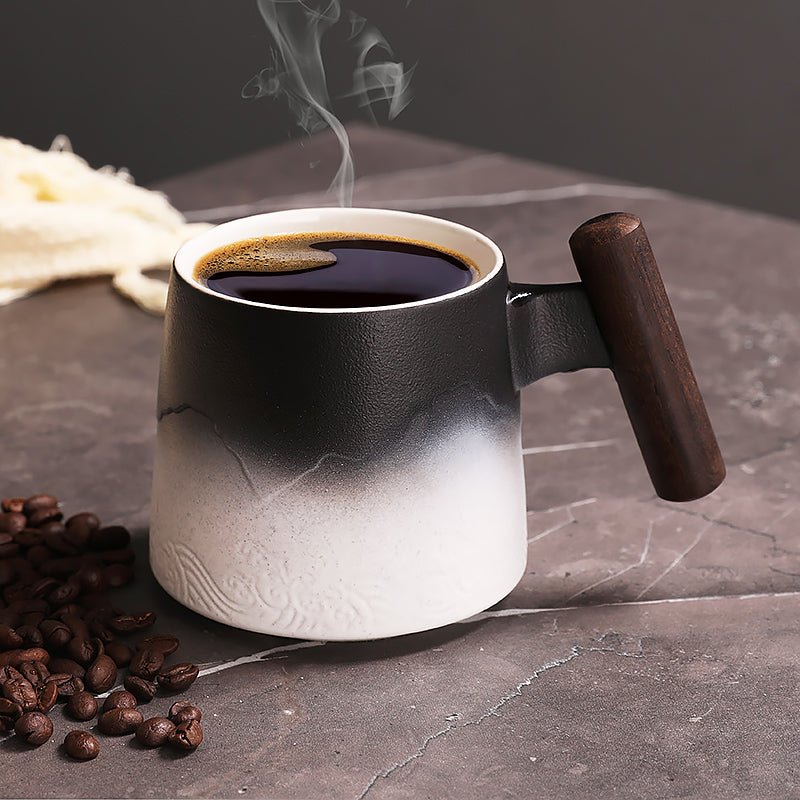
Wide Coffee Mugs: How to Choose the Right Shape, Size, and Material
Wide coffee mugs suit people who want room for latte art, easier stirring, and a stable desk mug, but they are not the best choice for maximum heat retention or cup holders. Here is how we judge sh...
En savoir plus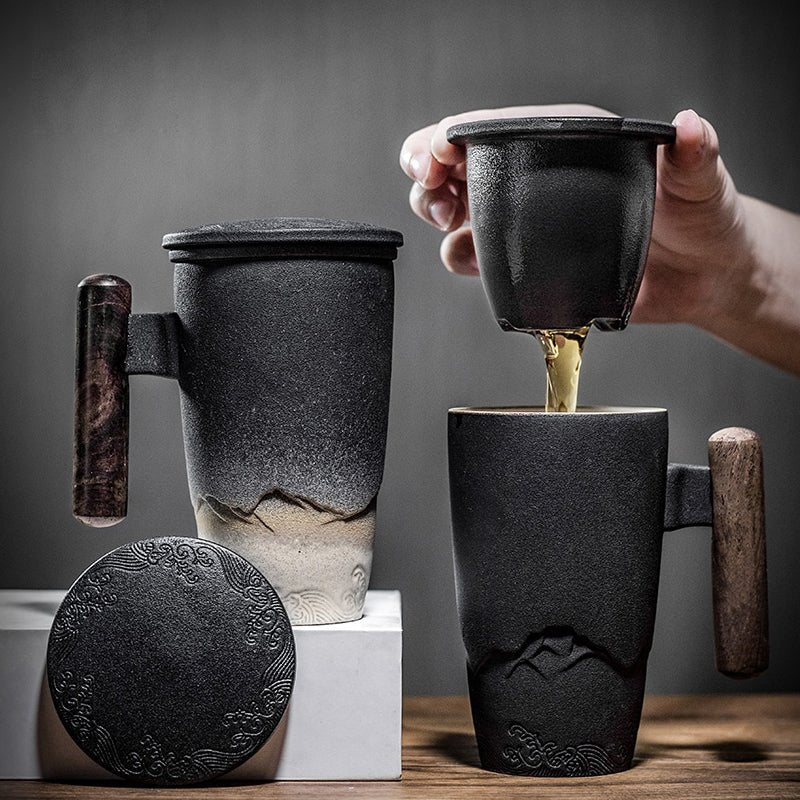
Clip Art Coffee Mug: How to Choose Size, Print, and Material
A clip art coffee mug looks simple online, but the details decide whether it becomes a daily mug or a drawer extra. This guide covers size, material, print durability, and the checks we use before ...
En savoir plus
Laisser un commentaire
Ce site est protégé par hCaptcha, et la Politique de confidentialité et les Conditions de service de hCaptcha s’appliquent.