
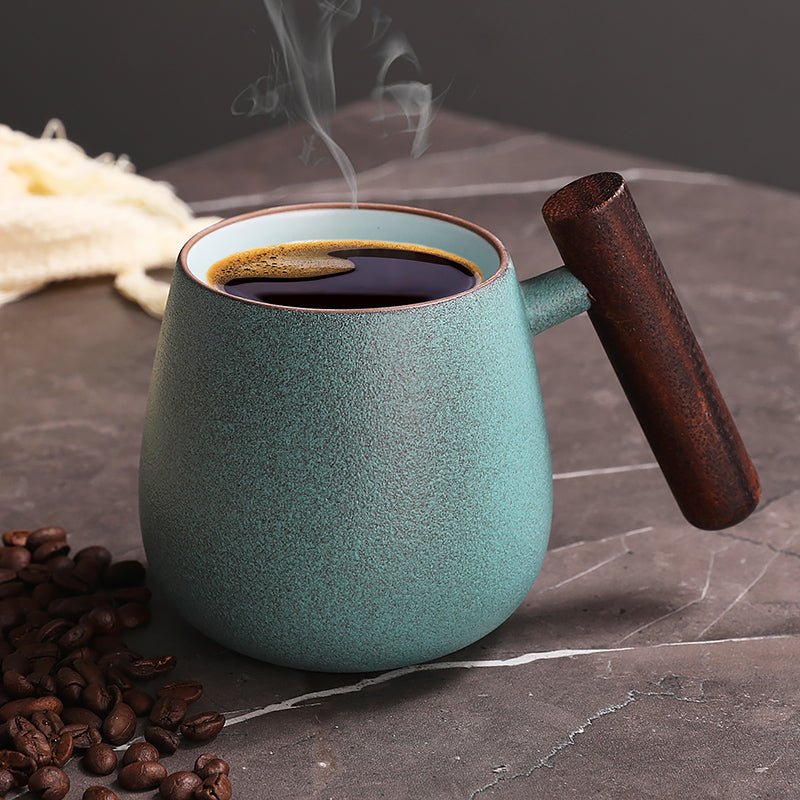
Travel Coffee Mug Insulated: What Buyers Should Check Before Ordering
Reading time: about 10 minutes
A travel coffee mug insulated looks simple on the shelf. In real use, the difference shows up at the car console, on a desk between meetings, and in the dishwasher after a busy week. The best mug keeps coffee hot long enough to finish it, seals well enough to survive a commute, and still feels easy to clean when the day is over.
We handle this category every day in our store, and the same issues come up again and again: a lid that drips from the spout, a gasket that traps coffee oils, a body that is too wide for the cup holder, or insulation that works fine until the first weak seal shows up. If you are comparing options, start with the details that affect daily use, not the glossy product photos. For a broader shopping view, our collection page is the easiest place to compare what is available.
What makes a travel coffee mug insulated worth buying?
The short answer is performance you can feel right away. A good insulated travel mug slows heat loss, reduces spills, and gives you a lid that opens and closes without fighting you. A poor one may still look sturdy, but it usually fails in one of three places: the seal, the lid mechanism, or the fit in daily spaces like cup holders and bag pockets.
In our experience, buyers usually want one of three outcomes: coffee that stays hot through a commute, a mug that does not leak in a tote bag, or a durable cup that can move from kitchen counter to office desk without fuss. A travel coffee mug insulated should support all three, but rarely does every model excel equally. That trade-off matters.
Here is the basic structure we look for:
- Double-wall construction to slow temperature loss without making the outside hot to hold.
- A tight lid seal with a gasket that sits flat and is easy to remove for cleaning.
- A body shape that fits a car cup holder, which usually matters more than the listed capacity.
- A drinking opening that controls flow so you do not have to tip the mug too far just to get a sip.
Which materials hold up best for daily use?
For most shoppers, stainless steel is the practical default. It is durable, resists dents better than many coated materials, and handles temperature changes without the fragile feel of glass. In this category, the outer shell is often stainless steel, while the inner wall is either stainless steel or a similar metal construction designed for vacuum insulation.
Plastic has a role too, but mostly in the lid. A lid made from BPA-free plastic can be fine if the fit is solid and the moving parts are not flimsy. The problem is not plastic by itself; it is usually the tolerance. If the slider is loose or the gasket is thin, coffee drips show up quickly.
We also see ceramic-lined options in some products. They can help reduce lingering coffee flavor, but they are not the best choice if your main goal is toughness in a work bag or on a packed commute. Ceramic lining can improve taste neutrality, yet it can add another layer of fragility if the mug is dropped.
| Material or part | What it does well | Common drawback |
|---|---|---|
| Stainless steel body | Durable, travel-friendly, good for everyday handling | Can feel plain and may show dents over time |
| Plastic lid | Light, easy to mold into locking and sliding parts | Can warp or loosen if fit quality is weak |
| Silicone gasket | Improves sealing and reduces drips | Needs removal and cleaning so it does not trap residue |
| Ceramic lining | Helps preserve flavor and reduce metallic notes | Usually less rugged than all-metal interiors |
What lid design works best for commuting?
The lid matters as much as the insulation. A travel coffee mug insulated can have excellent heat retention and still be annoying if the lid leaks or splashes when you brake hard. We usually compare four lid styles: sliding sip lids, flip-top lids, screw-top lids, and fully sealed lids with a small drinking port.
For a car commute, a low-profile lid that seals firmly is usually the best balance. A wide-open lid may feel pleasant at home, but it exposes more surface area and loses heat faster. For walking commutes or tossing the mug in a bag, a screw-top or tightly locking lid is usually safer than a simple press-fit cap.
Look for these details before buying:
- One-handed operation if you drink while driving or carrying a bag.
- A removable gasket so you can clean coffee oils from the seal.
- Few crevices around the slider or hinge, because those are the spots that collect residue.
- A lid that sits flush without a wobble when tightened.
If you want a deeper breakdown of what actually separates a good lid from a frustrating one, our Insulated Coffee Travel Mug: What Buyers Should Check Before They Choose article goes further into the details.
What size should you buy for coffee, office use, or the car?
Capacity sounds simple, but it changes the whole experience. A smaller mug is easier to carry and usually fits better in cup holders. A larger mug reduces refills, which helps on long mornings, but it can become bulky and awkward in a laptop bag.
In practice, many shoppers choose between compact everyday sizes and larger commute sizes. If you usually drink one cup on the drive to work, a smaller profile may be enough. If you sip slowly through a long morning, a larger mug is more practical. Just remember that a mug that is too wide can be harder to hold, and one that is too tall can be unstable in a moving car.
We think about capacity in terms of use case:
- Desk use: choose a size that stays comfortable in hand and does not crowd your keyboard or notebook.
- Car commute: prioritize cup-holder fit and a lid that does not pop open under movement.
- Office refill habit: a mid-size mug can be easier to wash and refill than a large, heavy one.
- Gift buying: choose a shape that feels universal, because not everyone likes a tall, narrow mug.
If you want a quick comparison of which features shoppers skip and later regret, our Best Insulated Coffee Mug Travel: What to Buy and What to Skip post is a useful companion read.
How should you clean an insulated travel mug without ruining it?
Cleaning is where a lot of otherwise good mugs fall apart in real life. Coffee oils build up fast, especially around the lid track, under the drinking flap, and inside the silicone gasket. If those parts are hard to access, the mug can start tasting stale long before the insulation fails.
Our rule is simple: if the lid has moving parts, treat it like a small appliance, not just a cup. Open the lid fully, remove the gasket if possible, and wash all contact points separately. Hand washing is often the safest choice for the lid, even when the body itself can handle a dishwasher. If a product says dishwasher-safe, that does not always mean every part should go through the same cycle.
Three cleaning details matter more than most buyers expect:
- Wide openings make it easier to reach the bottom with a brush.
- Removable seals reduce trapped odor and residue.
- Simple lid geometry usually means less time spent scrubbing tiny channels.
If you want a more detailed buying framework focused on practical upkeep, see our Insulated Travel Coffee Mug Buying Guide: What Actually Matters.
What problems show up after a few weeks of use?
The first week can be misleading. A mug may feel perfect at unboxing, then show its real weaknesses after repeated use. The most common failure modes are not dramatic; they are annoying. A lid starts to seep at the hinge. A gasket loosens. The paint chips after rubbing against keys. The mug no longer feels as secure in a cup holder once the base finish wears.
We also see heat performance complaints that are really usage problems. Leaving the lid open between sips, overfilling the mug, or using it with a loose cap can make a good mug seem mediocre. That is why we advise buyers to think about habit, not just specs. If you sip slowly over an hour, a lid design with a tighter seal matters more than a bigger capacity.
For shoppers comparing thermal performance versus handling comfort, our Best Thermal Insulated Coffee Mug: What to Buy Before You Order article is helpful context.
What is this mug not good for?
A travel coffee mug insulated is not the best choice for every drink or every routine. If you need a container that stays completely leakproof in a backpack, a fully sealed bottle or thermos-style container may suit you better. If you want to drink hot coffee like you would from a home cup, with no lid at all, a travel mug is simply the wrong format.
It is also not ideal for drinks you want to access constantly with no lid cleanup, such as very sweet beverages that dry around the edges or milk-heavy drinks that should be washed soon after use. A good mug can handle them, but only if you are willing to clean it promptly.
And if your priority is a handle for desk comfort, some handled models make more sense than a smooth-sided commuter mug. We cover that use case separately in our Best Insulated Coffee Mug with Handle: What Buyers Should Check guide.
How do you compare models before you buy?
If you only have a few minutes, use a simple checklist. We use the same logic in our store because it cuts through the noise fast.
- Check the lid first. If it looks hard to clean, it probably will be.
- Look at the body shape. A great mug that does not fit your cup holder is not a great mug for commuting.
- Confirm the material. Stainless steel is usually the most forgiving for daily use.
- Inspect the seal design. A thin gasket or loose slider is a warning sign.
- Decide where you will wash it. If you prefer the dishwasher, verify which parts are actually safe.
- Match the size to your routine, not your idea of the perfect coffee day.
That same practical approach is why we recommend reading Best Coffee Travel Mug: What Shoppers Should Check Before Buying alongside this guide if you are still narrowing the field.
If you are ready to compare actual options, start with our products page and look for the details above before choosing a model.
Frequently asked questions
How long should a travel coffee mug insulated keep coffee hot?
That depends on the mug, the lid seal, how often you open it, and whether the mug starts preheated. A well-made insulated mug should hold heat much better than a plain cup, but opening the lid repeatedly will always shorten the useful hot time. We recommend judging the mug by how it performs during your actual commute and office routine, not just by the label.
Can I put an insulated travel mug in the dishwasher?
Sometimes, but not always for every part. Many stainless steel bodies can handle dishwasher cleaning, while lids with gaskets, sliders, or spring pieces are often better washed by hand. If you want the mug to last, separate the lid from the body and check the care instructions for both pieces.
Why does my travel mug start leaking after a while?
The most common causes are a misaligned gasket, coffee residue in the lid channel, or a worn seal. A lid that felt tight on day one can loosen if the gasket gets stretched, twisted, or clogged. Cleaning the seal thoroughly and checking that it sits flat usually fixes minor leaks before they become a bigger problem.
Is stainless steel better than ceramic for a travel mug?
For commuting and daily handling, stainless steel is usually the tougher choice. Ceramic can feel cleaner in flavor, but it is generally less forgiving if the mug is dropped or rattled in a bag. If durability is your main concern, stainless steel is usually the safer pick.
What size travel coffee mug is best for commuting?
For most commuters, the best size is the one that fits the car cup holder, feels stable in your hand, and holds enough coffee for the trip without becoming bulky. A medium size is often the most practical starting point. If you drink slowly through the morning, go a little larger; if you value portability more, keep it compact.
If you are comparing options right now, use this order: lid, fit, material, then capacity. That sequence saves time and prevents most bad buys. From there, browse the collection page and choose the mug that matches your commute, your cleaning habits, and your cup holder before you worry about color or finish.
More from our blog
Read more
Sasquatch Coffee Mug Buying Guide: Size, Material, and Fit
A sasquatch coffee mug should do more than carry a novelty print. This guide shows what to check for size, handle comfort, material, and care before you buy.
Leer más
Military Coffee Mugs: Buyer’s Guide to Style, Size, and Durability
Military coffee mugs are usually bought for the look, the sentiment, or both—but the best pick still comes down to size, material, and how it will hold up at the desk or in the dishwasher. This gui...
Leer más
Dejar un comentario
Este sitio está protegido por hCaptcha y se aplican la Política de privacidad de hCaptcha y los Términos del servicio.