
The Cracked Mug Coffee House: What Buyers Should Know
Reading time: about 9 minutes
A mug with a cracked look can be charming on a shelf and a little risky in daily use. We see that tension all the time: shoppers like the handmade, worn-in character, then ask the practical question right away — will it actually hold up on a desk, in the dishwasher, and around hot coffee every morning?
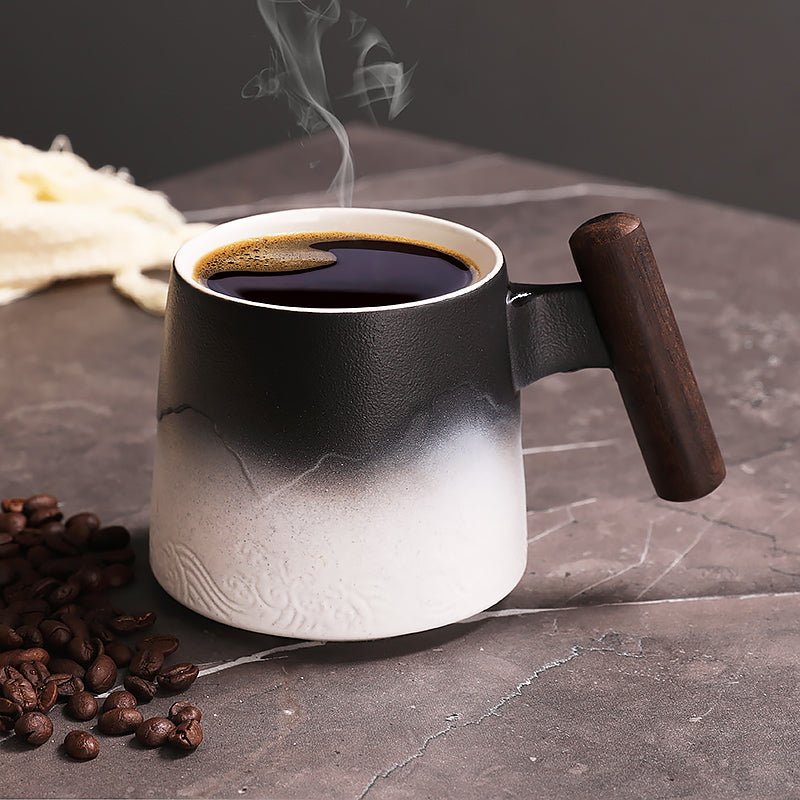
That’s the real conversation around the cracked mug coffee house style. It is less about a single product and more about a look: ceramic mugs with crackle glaze, visible texture, or a deliberately distressed finish that gives a café feel. In our store, we treat it like any other mug purchase. Looks matter. So do rim comfort, handle fit, wall thickness, and how the glaze behaves after repeated washing.
If you’re comparing options, our broader collection of mugs is the best place to start. And if size is part of the decision, our guides on a 10 oz Coffee Mug: Size, Fit, and What to Check Before You Buy and a 16 Ounce Coffee Mug Buyer’s Guide: Size, Material, and Fit can help you rule out mugs that look right but feel wrong in the hand.
What does “the cracked mug coffee house” style actually mean?
Shoppers use this phrase in two different ways, and that matters. Sometimes they mean a mug with a crackle glaze, where the finish has fine, web-like lines in the surface. Other times they mean a coffee house aesthetic: earthy ceramic, imperfect edges, vintage café styling, and a mug that feels like it belongs on a wooden counter next to a pastry plate.
We handle these mugs as style-driven drinkware, but we also inspect them like everyday kitchen items. A good cracked-style mug should still have a smooth lip, a handle that clears two fingers comfortably, and a stable base that doesn’t rock on the table. The decorative finish should not interfere with the drinking edge or make cleaning a chore.
Our advice: buy the look, but check the feel. A mug can be beautiful and still be annoying to sip from if the rim is too thick or the handle is too small.
Is a cracked-glaze mug good for everyday coffee?
Sometimes, yes. Sometimes, no. That depends on how the finish is made and how you use your mugs. A crackle-style glaze can be perfectly normal for daily use if it is designed for food and drink, but it is not the same thing as an actual structural crack. A real crack in ceramic is a problem. A decorative crackle pattern is a finish choice.
In everyday use, we look for three things:
- Comfort at the lip — A rough or uneven rim gets old fast with hot coffee.
- Handle clearance — If your fingers scrape the mug body, the mug will feel smaller than its capacity suggests.
- Finish durability — A decorative glaze should survive repeated sink washing without looking tired after a few cycles.
For office desks and home kitchens, a cracked-style mug works best when the finish is part of the outside surface only and the interior is easy to rinse clean. If the mug has a very textured surface, it may show coffee stains more quickly, especially around the inside shoulder and near the rim.
If you are weighing larger options for long mornings or iced coffee, our guides on a 20 oz Coffee Mug: What to Check Before You Buy and a 24 oz Coffee Mug: What to Check Before You Buy are useful because bigger mugs change the balance, weight, and handle feel quite a bit.
What should you check before buying one?
The style can be appealing on a screen and disappointing in person if the details are off. We recommend checking the same practical points we use when we inspect mugs for our own catalog.
- Material — Most cracked-style coffee house mugs are ceramic or stoneware. Ceramic tends to feel a little lighter; stoneware often feels denser and more substantial in the hand.
- Capacity — A mug that looks medium might be closer to 8 oz than 12 oz. For people who pour coffee from a drip machine or like room for milk, that difference matters.
- Rim finish — Run your eye along the lip. A smooth, even rim is easier to drink from than one that feels chunky or irregular.
- Handle size — Measure whether two fingers fit comfortably. If not, the mug may be fine for display but awkward for real use.
- Base stability — A flat, secure base matters on kitchen counters, office desks, and tray tables.
- Care instructions — Check whether it is dishwasher-safe, microwave-safe, or hand-wash only. A decorative crackle finish sometimes needs gentler care than a plain glossy mug.
Those checks sound basic, but they catch most regrets. We see buyers fall in love with a look and then realize the mug is too small for their usual pour, or too narrow to clean comfortably after a cappuccino. If that sounds familiar, our 24 Ounce Coffee Mug Buyer’s Guide: Size, Fit, and What to Check is useful for larger daily mugs, while the 8 oz Coffee Mug: What to Check Before You Buy is a better fit for espresso, small servings, or minimalist setups.
How does it compare with plain ceramic mugs?
The honest answer: a cracked coffee house mug usually gives you more visual personality, but it can ask for a little more care. Plain ceramic mugs are often easier to match, easier to replace, and sometimes easier to keep looking fresh after repeated dishwasher cycles. Cracked-style mugs win when you want the mug itself to feel like part of the kitchen decor.
| Feature | Cracked coffee house style | Plain ceramic mug |
|---|---|---|
| Look | Textured, handmade, café-inspired | Simple, clean, versatile |
| Daily maintenance | May need a closer look at care instructions | Usually straightforward |
| Stain visibility | Can show tea or coffee marks more easily if the finish is textured | Often easier to spot clean |
| Gift appeal | Strong if the recipient likes rustic or artisan style | Safer for broad tastes |
| Best use case | Kitchen display, cozy home coffee ritual, café-style serving | Everyday workhorse mug |
There’s a trade-off here that shoppers appreciate once they’ve handled both styles: decorative mugs look better on the counter, while plain mugs are usually less fussy. If you want something closer to a modern café vibe without the distressed finish, our Anthropologie Coffee Mug: Style, Size, and Everyday Use Guide is a helpful comparison point because it covers a similar design-first buying mindset.
What are the common problems with cracked-style mugs?
We prefer to be direct here. Not every flaw is a defect, but some issues show up often enough that shoppers should know what to watch for.
- Surface crazing confusion — Decorative crackle patterns can be mistaken for damage. If the lines are on the glaze and the surface is otherwise smooth, that may be intentional. If you can feel a true split, that is different.
- Staining in texture — Deep texture around the outside can collect oils or grime if it is handled a lot with wet hands.
- Heavy weight — Some stoneware mugs feel sturdy, but they can become tiring if you carry them across a long office commute or use them one-handed at a standing desk.
- Handle pinch points — Decorative shapes can reduce finger clearance even when the mug capacity looks generous.
- Finish wear — Highly decorative glazes can look less crisp after many dishwasher cycles, especially if the mug lives in a busy family kitchen.
That is why we do not recommend this style as the best choice for someone who wants a zero-maintenance work mug. For that job, a plainer, smoother ceramic mug is often the safer pick.
Who is this mug style best for, and who should skip it?
This style shines for people who treat coffee as part of the atmosphere, not just the caffeine. It looks good on a breakfast tray, beside a French press, or on a shelf with other earthy kitchen pieces. It also works well as a gift because it feels more considered than a generic white mug.
We would recommend it for:
- Home coffee drinkers who like a café look on the counter
- Gift buyers choosing for someone with rustic or handmade style preferences
- Shoppers who care about the mug’s visual texture as much as the drink inside it
We would not recommend it as the first choice for:
- People who want the easiest possible cleanup
- Shoppers who prefer lightweight mugs
- Someone who drops mugs often or needs a very forgiving everyday cup
- Anyone who wants a minimal, uniform set for office use
For those use cases, a straightforward mug from our products page may make more sense than a decorative cracked finish.
How do you care for a crackle or distressed mug?
The care routine is usually simple, but we still suggest checking the individual product notes before you buy. A common approach for ceramic and stoneware mugs is warm water, mild dish soap, and a soft sponge. If the mug is dishwasher-safe, place it where it will not bang into heavier items. If it is hand-wash only, avoid abrasive scrubbers that can dull the finish.
Our practical care checklist looks like this:
- Rinse the mug soon after use, especially after coffee with sugar or milk.
- Wash with a soft sponge rather than a rough pad.
- Dry fully before stacking to reduce moisture trapped in textured surfaces.
- Inspect the rim and handle occasionally for chips, especially if the mug gets moved a lot between sink, microwave, and desk.
If you like the look of a handmade finish but want fewer care concerns, a smoother glaze is usually easier to live with. That is the trade-off. More character often means a little more attention.
Frequently asked questions
Is the cracked mug coffee house style safe for hot coffee?
If the mug is made for drinkware and the finish is decorative rather than damaged, it should be fine for hot coffee. The key is that the drinking rim must be smooth and the mug should be sold for food use. A true crack in the ceramic is a different issue and should not be treated as normal wear.
Will a crackle glaze make a mug harder to clean?
Sometimes it can, especially if the outside finish is deeply textured or the interior has visible surface variation. A smooth interior is easiest to maintain. If you prefer quick cleanup, a plain glazed mug is usually the lower-maintenance choice.
Is this style good for a gift?
Yes, especially for someone who likes rustic, artisan, or café-inspired kitchenware. It feels more personal than a basic mug. Just be sure the size fits how they actually drink coffee, because a gift that looks nice but holds too little tends to get passed over.
What size should I choose for everyday use?
That depends on how much coffee you usually pour and whether you add milk. Many people are happiest with a mid-size mug, but small espresso drinkers may prefer 8 oz and larger coffee drinkers often want 16 oz or more. If size is still undecided, the 16 oz and 20 oz guides above are a good place to compare.
Is this the right style if I want a work mug for my desk?
It can be, but only if you like the look enough to keep using it every day and you do not mind a little extra care. For a desk mug, balance and handle comfort matter more than style alone. If you want the lowest-fuss option, a simpler ceramic mug is usually easier.
If you want to compare this style against the practical options we stock, start with our full mug collection, then check the size guide that best matches how much coffee you actually pour. That is the fastest way to avoid buying a mug that only looks right online.
More from our blog
Read more
Metal Coffee Mug Buyer’s Guide: What to Check Before You Buy
A practical guide to choosing a metal coffee mug that fits your routine, from desk coffee to camping and commutes. We cover material differences, heat retention, care, and the trade-offs that matte...
Leer más
Wall Mounted Coffee Mug Rack: How to Choose the Right Fit
A practical guide to choosing a wall mounted coffee mug rack that fits your mugs, your wall, and your daily routine. We break down materials, mounting needs, capacity, and the trade-offs that matte...
Leer más
Dejar un comentario
Este sitio está protegido por hCaptcha y se aplican la Política de privacidad de hCaptcha y los Términos del servicio.