
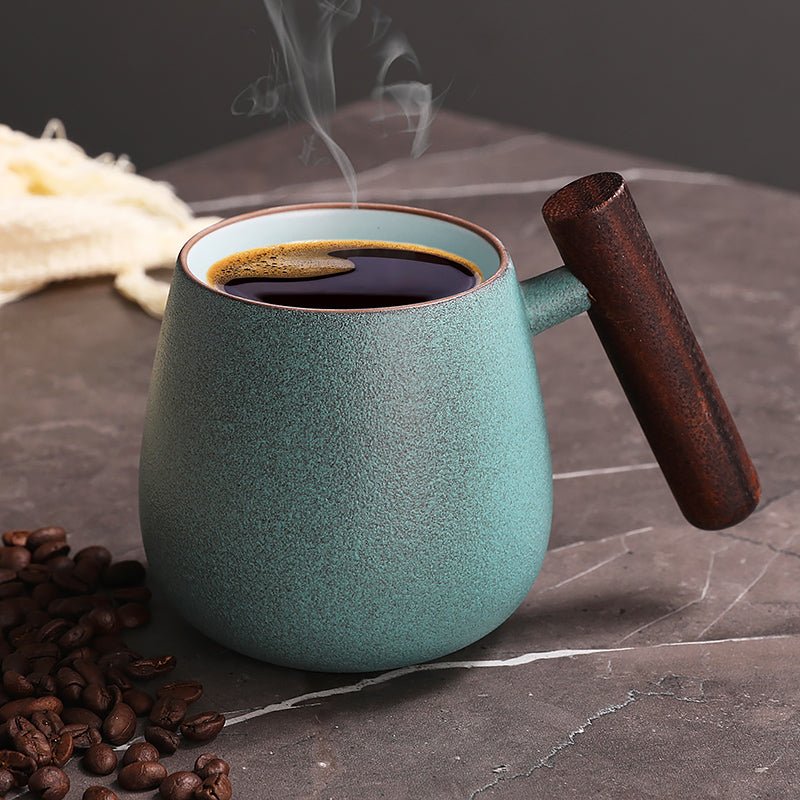
Standard Coffee Mug Dimensions: What Buyers Should Check Before Buying
Reading time: about 8 minutes
A mug can look right online and still feel wrong in your hand. Too tall and it clips the cabinet shelf. Too wide and it crowds the drip tray under a machine. Too small and the coffee cools before the second sip. That is why we look at more than the printed ounces when we talk about standard coffee mug dimensions.
In our store, we check the practical details shoppers run into at the sink, on the office desk, and in the dishwasher. The goal is simple: a mug that fits the routine, not just the photo.
What are standard coffee mug dimensions?
There is no single universal size, but most everyday mugs sit in a familiar range. A standard coffee mug is often around 8 to 12 ounces in capacity, with a height near 3.5 to 4.5 inches and a rim diameter roughly 3 to 4 inches. Some are shorter and wider. Others are tall and narrow. Both can be standard, but they behave differently in use.
The word standard usually means the mug is sized for daily coffee or tea, not a tiny espresso cup or a large travel tumbler. That makes it suitable for a normal pour from a coffee maker, a pod machine, or a kettle. It is not the right choice if you want a full milk-heavy latte in one vessel or if you need insulated spill protection for commuting.
If you want a quick comparison against sizes and fill levels, our guide on How Many Ounces Is a Standard Coffee Mug? Buyer Guide breaks down capacity in a practical way.
Which measurements matter besides ounces?
Ounces are only part of the story. The feel of a mug depends on how the body, base, and handle are built. We pay attention to four measurements every time we evaluate a mug:
- Height: matters for cabinet clearance, shelf storage, and whether the mug fits under a single-serve machine.
- Rim diameter: affects sipping comfort and how much surface area is exposed, which can change heat loss.
- Base width: tells you how stable the mug will feel on a desk or tray.
- Handle opening: determines whether two fingers fit comfortably, especially if you prefer a fuller grip.
Material also matters. Ceramic and stoneware mugs usually feel heavier and hold heat well, while porcelain tends to be lighter and a little more refined in hand. A thicker wall can feel sturdy, but it may also take longer to warm up. A thinner wall feels elegant, yet it is less forgiving if the mug is knocked against a sink or a crowded office counter.
For shoppers who care about fit as much as capacity, our article on Coffee Mug Dimensions: How to Choose the Right Size is a useful companion piece.
How do standard mug dimensions affect daily use?
Dimensions change the experience in small but noticeable ways. A wider mug cools faster because more surface area is exposed. A taller mug can keep a drink warmer for longer, but it may feel top-heavy if the base is too narrow. A thick handle is comfortable for people who wrap three fingers through it, but it can feel bulky if you prefer a lighter grip.
In real use, these details show up fast. A mug that is slightly too tall may hit an overhead cabinet lip. One with a broad base may be harder to seat on a narrow warming tray. A mug with a glossy glaze can show more visible tea or coffee marks over time if it is not rinsed promptly after use. None of these are dealbreakers, but they affect how satisfied a buyer feels after the first week.
That is why we like to think in terms of the whole setup: coffee maker, cupboard height, dishwasher rack spacing, and how the handle sits when the mug is full. A good mug should feel stable on a kitchen counter and easy to grab with one hand when you are moving around in the morning.
Which mug shapes are best for home, office, or gifting?
Shape changes the job the mug does. If the mug is meant for a desk, a slightly narrower body can be easier to place beside a laptop and mouse. If it is for home use, a wider bowl-like mug can feel comfortable for slower sipping. If it is a gift, visual personality matters more than a generic shape, but the basics still have to work.
Three examples from our store show that balance well:
- Mountain Sea Coffee Tea Mug suits someone who wants a more grounded, everyday feel with a shape that still reads as giftable.
- Spittoon Coffee Tea Mug is a better fit if you want a more distinctive silhouette and do not mind a mug that makes a visual statement on the shelf.
- Planet Coffee Tea Mug works well for buyers who want something playful but still usable for regular coffee or tea.
If you are browsing options instead of choosing one size only, our full collection is the fastest place to compare shapes side by side.
One trade-off to keep in mind: highly decorative mugs are not always the best choice for someone who wants the simplest, most compact daily cup. A more sculptural handle or a wider body can be beautiful, but it may take more cabinet space and feel less convenient in a rush.
What should you check before buying a mug online?
We recommend checking the actual product measurements before you buy, not just the label text. If the listing does not show dimensions, that is a signal to slow down and look for more detail. From experience, these are the checks that prevent most disappointments:
- Measure the shelf or cabinet where the mug will live.
- Check whether the mug fits under your coffee maker or kettle spout.
- Look at the handle opening if you prefer a two-finger or three-finger grip.
- Confirm whether the mug is dishwasher-safe and what the care instructions say.
- Compare the shape to how you actually drink coffee: quick office sips, slow weekend pours, or tea refills.
Care matters too. Ceramic mugs with strong glaze finishes usually handle normal dishwasher cycles well, but repeated high-heat washing can still reveal wear on printed or detailed surfaces over time. If a mug has a delicate decorative finish, hand washing may preserve the look longer. That is a real trade-off, and we think buyers should know it before they click add to cart.
If you want a more detailed comparison of fit and capacity, the article Coffee Mug Dimensions: Sizes, Fit, and What to Check Before Buying covers the sizing logic in more depth.
| Measurement | Why it matters | What to check |
|---|---|---|
| Height | Cabinet and machine clearance | Will it fit where you store and brew? |
| Rim diameter | Sipping comfort and heat loss | Does it feel open or more concentrated? |
| Base width | Stability on desk or counter | Does it feel secure when full? |
| Handle opening | Grip comfort | Can your fingers fit without pinching? |
Which standard coffee mug dimensions are not a good fit?
Standard mug dimensions are not ideal for every use case. If you drink straight espresso, a standard mug is too large. If you commute with coffee in the car, a regular ceramic mug is not spill-safe enough. If you need a mug for a cramped espresso machine or a shallow warming tray, a taller body can become annoying fast.
They are also not the best pick for buyers who want one mug to cover every scenario. A standard mug is a good everyday vessel, but it will not replace a travel tumbler, a cappuccino cup, or a large handled soup mug. We tell shoppers that directly because the best return is a mug that fits the job it will actually do.
For people who want a broad buying reference point before narrowing down, our post on Standard Coffee Mug Size: How to Choose the Right Everyday Mug is a sensible next read.
Frequently asked questions
What size is a standard coffee mug in ounces?
Most standard coffee mugs are in the 8 to 12 ounce range, though the exact capacity can vary by brand and shape. A mug can look medium-sized and still hold more or less than you expect, so the product listing should always be checked.
How tall is a standard coffee mug?
Many standard mugs are about 3.5 to 4.5 inches tall. That range covers a lot of everyday ceramic mugs, but the handle and rim shape can make the mug feel taller or shorter in hand than the measurement suggests.
What mug diameter fits most coffee makers?
There is no one diameter that fits every brewer, but a narrower mug is usually easier to place under a single-serve machine or drip brew path. If your machine has a low spout or limited clearance, check both height and rim width before buying.
Are thicker mugs better for hot drinks?
Thicker walls usually feel sturdier and can help the mug stay comfortable to hold after a hot pour. They are not automatically better for every buyer, though, because they can add weight and take up more cabinet space.
How do I know if a mug handle is comfortable?
Look at the opening and the thickness of the handle rather than the mug photo alone. If you prefer a relaxed grip, make sure the handle has enough room for your fingers without forcing your knuckles into the mug body.
If you are choosing your next mug, start with the measurements first, then compare shapes, then decide whether you want something simple or more distinctive. If you want to browse by style after that, our full collection is the easiest place to compare everyday options side by side.
Read more
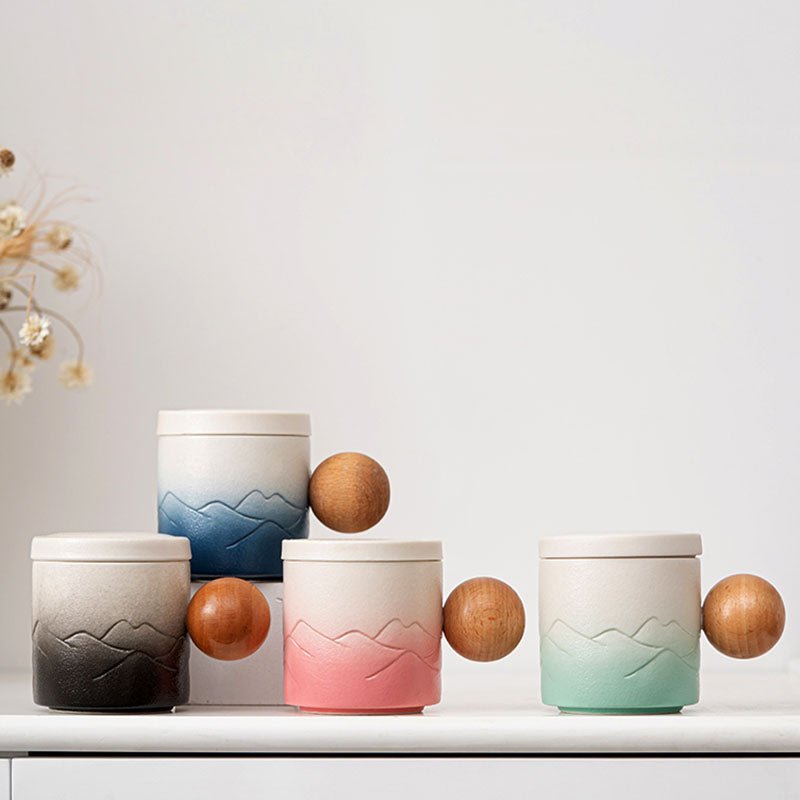
Corgi Coffee Mug Buying Guide for Gifts, Desk Use, and Daily Coffee
A practical guide to choosing a corgi coffee mug for everyday use, gifts, and desk setups. We cover size, comfort, care, and the trade-offs that matter before you buy.
Leer más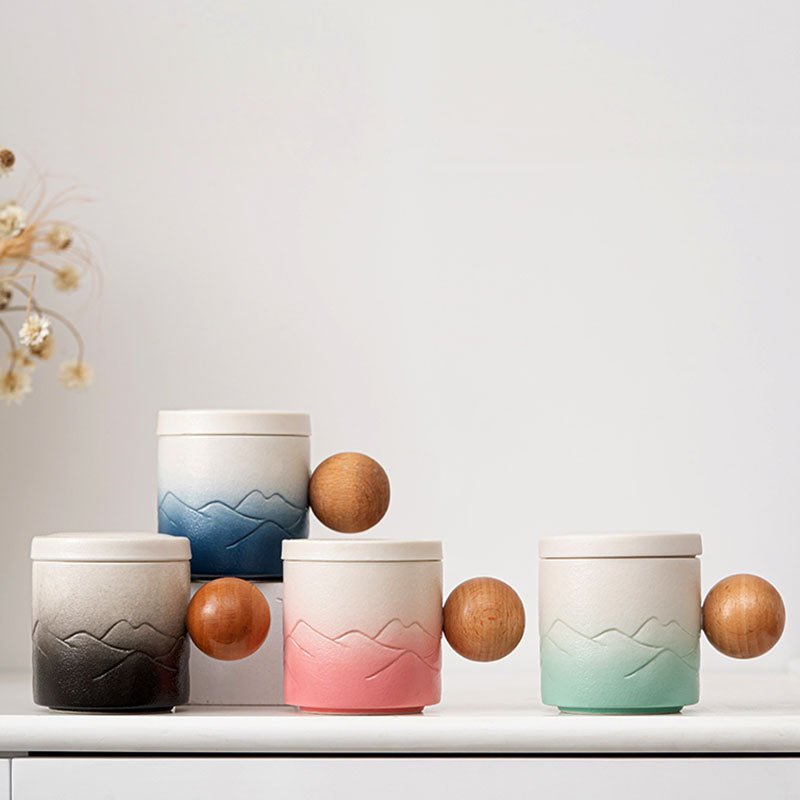
Chicago Bears Coffee Mug Guide: Best Shapes for Daily Use
A Chicago Bears coffee mug should feel right on a real desk or kitchen counter, not just look good in a product photo. We compare the styles we sell, what each one is good for, and what to check be...
Leer más
Dejar un comentario
Este sitio está protegido por hCaptcha y se aplican la Política de privacidad de hCaptcha y los Términos del servicio.