
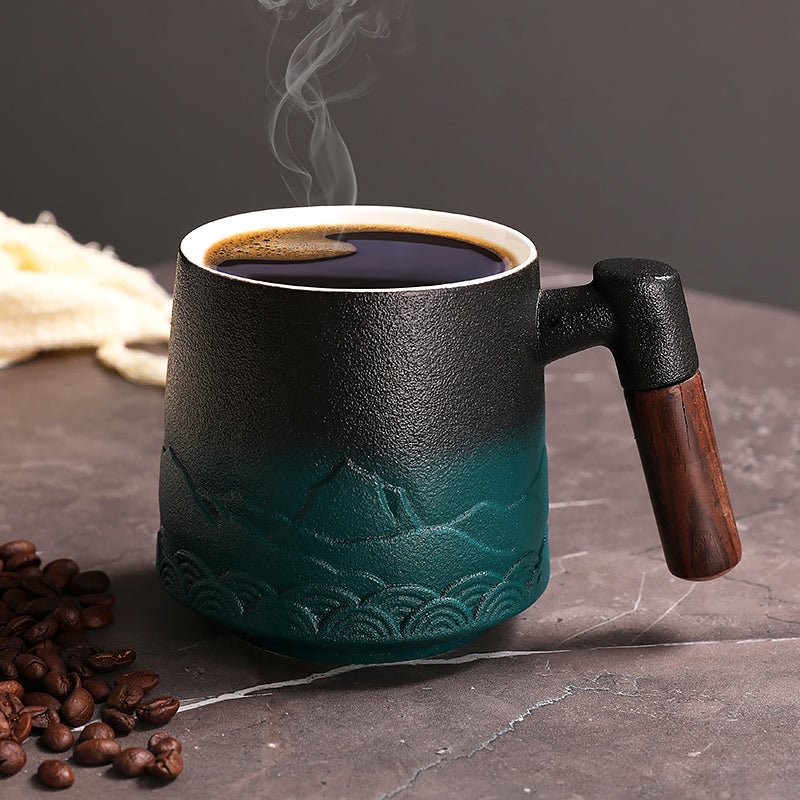
Pottery Coffee Mug Buying Guide: What to Check Before You Buy
Reading time: about 8 minutes
A pottery coffee mug lives on the counter, not in a cup holder. That sounds obvious, but it is exactly why buyers end up happy or annoyed after the first week of use. The right mug feels balanced in the hand, keeps coffee warm long enough to finish it, and survives the dishwasher without making you baby it.
In our store, we see the same pattern again and again: shoppers like the handmade look, then get disappointed when the mug is too heavy, the handle is cramped, or the glaze looks different from the photo in a way they did not expect. The fix is to buy with a few real checks in mind, not just by style alone.
What makes a pottery coffee mug different from a regular mug?
A pottery coffee mug usually has a thicker body, a more tactile glaze, and a heavier feel than a thin mass-market cup. That changes the drinking experience. It can help coffee stay pleasant longer, but it also means the mug may feel warmer on the outside and take a little longer to cool after pouring.
That trade-off is useful for a lot of buyers. It is less useful if you want a lightweight desk mug, a commuter mug, or something that slides easily into a car cup holder. Pottery is a better fit for kitchen counters, home offices, and slow morning coffee than for grab-and-go travel.
- Heat retention: thicker walls generally hold warmth better than thin cups, but they are not insulated.
- Hand feel: stoneware and ceramic tend to feel more substantial, which many people read as quality.
- Surface variation: glaze changes, color pooling, and small texture shifts are normal in pottery and are part of the appeal.
If you want a broader sizing comparison before choosing a shape, our 10 oz Coffee Mug: Size, Fit, and What to Check Before You Buy guide is a useful starting point. For buyers who drink a slightly larger pour every day, the 12 Ounce Coffee Mug Buying Guide for Daily Use and Better Fit covers the next size up without guesswork.
Which size and shape fit your daily coffee?
Size matters more than many shoppers expect. A mug that looks generous online can feel small once milk, foam, or a real morning pour goes in. On the other side, an oversized mug can make a normal drip coffee feel lost at the bottom.
We usually think about pottery coffee mug buying in terms of use case, not just capacity. Standard drip coffee, smaller cappuccinos, and tea all behave differently in the cup. Handle clearance matters too. A handle that looks fine in photos can feel tight if you have larger fingers or like to hold the mug with two fingers instead of three.
| Buyer need | What to look for | Why it matters |
|---|---|---|
| Daily black coffee | Moderate capacity, stable base, comfortable handle | Good balance without overcommitting to a huge pour |
| Milk drinks and tea | A slightly wider opening and enough room for foam or steeping | Prevents spillover and gives the drink room to breathe |
| Office desk use | Solid foot ring and a handle that clears a keyboard or notebook | Reduces tipping and keeps the mug easy to lift |
| Gift buying | Distinctive shape and a finish that feels handcrafted | Makes the mug feel considered rather than generic |
If you are comparing by size first, our blog posts about 11 oz Coffee Mug: Size, Fit, and What to Check Before You Buy and 11 oz Coffee Mug: What Buyers Should Check Before They Buy cover the middle ground well. Those articles are especially helpful if you want a mug that does not feel too small, but you also do not want a large bowl-like cup.
What should you inspect in the glaze, rim, and handle?
These are the details that separate a mug you enjoy from one that ends up in the back of the cabinet. A pottery coffee mug can look beautiful and still be annoying to use if the rim feels rough, the handle is narrow, or the base sits unevenly on the table.
Here is what we inspect when we evaluate mugs for real daily use:
- Rim finish: run your eye around the lip. A smooth rim feels better every morning. Tiny chips or roughness are worth avoiding.
- Handle clearance: make sure your fingers fit cleanly through the handle without scraping the mug body.
- Base stability: the mug should sit flat. A wobble is a nuisance on a desk and a problem near a laptop.
- Glaze behavior: some variation is normal in pottery, but excessive pinholes, bare spots, or sharp glaze edges are not ideal.
- Foot ring and underside: an unglazed base can be normal, but it should feel smooth enough not to scratch a table.
There is one more trade-off to keep in mind. Handmade-looking pottery often has small visual differences from mug to mug. Many shoppers like that. If you want perfect symmetry and identical color every time, a factory-made porcelain mug may suit you better.
Pottery is best when you want a mug with character. It is not the best choice if your main goal is ultralight weight, travel convenience, or a flawless machine-made finish.
For shoppers comparing stoneware specifically, our Peet's Brown Southwestern Stoneware Mug: Buyer Checkpoints article breaks down the same kinds of real-world checks we use before we recommend a mug to customers.
Which CoffeifyMug styles make sense for different buyers?
If you want to narrow the field quickly, start with the mug shape and the way it feels in a room, not just the pattern on the outside. A pottery coffee mug should match the way you actually drink coffee. That is the part people remember after the first week.
These are three of the styles we point shoppers toward most often:
- The Flow Coffee Tea Mug if you want a softer, more fluid look that feels easy to live with every day.
- Mountain Sea Coffee Tea Mug if you want something with a more natural, landscape-inspired feel on the counter.
- Spittoon Coffee Tea Mug if you prefer a more grounded, rustic profile that reads as sturdy rather than delicate.
If you want to see the broader range before choosing, browse our full collection. That is usually the fastest way to compare shape, finish, and style side by side without bouncing between separate product pages.
For buyers shopping a similar visual direction, the piece Peets Coffee Mug Stoneware Pottery Cup Brown Aztec Southwestern Design is also worth a look. It is a good reference point if you are drawn to earthy finishes and want to understand what kind of look feels bold versus busy.
How do you judge value without guessing from photos?
Photos can tell you a lot, but not enough. A glossy image does not tell you how the mug feels when it is full, whether the handle clears your hand, or whether the glaze is intentionally textured or just unevenly finished. That is why we recommend judging a pottery coffee mug by a few practical questions.
- Does the mug look stable enough to sit safely on a crowded desk or kitchen counter?
- Is the handle large enough for your grip, not just attractive in the photo?
- Would the opening suit the drinks you actually make, such as drip coffee, tea, or a milk-heavy pour?
- Do you prefer a smooth glaze, a more rustic finish, or visible handmade variation?
- Are you comfortable with pottery showing small differences from piece to piece?
Those questions are the difference between a mug that gets used every day and one that only comes out when someone visits. A pottery coffee mug should earn its space in the cabinet. If it cannot do that, the design does not matter much.
What makes a pottery coffee mug a good gift or a bad one?
Pottery mugs make strong gifts because they feel personal without being fragile in spirit. They work well for housewarmings, office thank-yous, and the kind of gift where you want something more thoughtful than a generic cup from a grocery aisle. The handmade look helps here.
They are not ideal for someone who wants a matching set of identical mugs, or for someone who is rough on dishes and expects every cup to look exactly the same after months of dishwasher cycles. If the person you are buying for is picky about uniformity, a cleaner porcelain mug might be the safer choice.
Our best advice for gift buying is simple:
- Pick the style that fits their kitchen or office, not just your taste.
- Check whether they drink small, medium, or large pours most often.
- Choose a mug that looks comfortable to hold, not only decorative on a shelf.
- Make sure the finish feels easy to care for in a real home routine.
Frequently asked questions
Are pottery coffee mugs dishwasher safe?
Often yes, but you should always check the specific listing. Some glazes, decorative finishes, or special accents can need gentler care. If a mug has metallic detailing or an especially delicate finish, hand washing is usually the safer choice.
Do pottery coffee mugs keep coffee hot longer?
Usually they do better than thin cups because the walls are thicker and hold heat more steadily. They are not insulated travel mugs, though, so they will not keep coffee hot for hours. They are best for normal kitchen or desk use.
What size pottery coffee mug is best for everyday use?
For most drip coffee drinkers, a mid-size mug is the easiest fit. If you drink smaller pours or tea, a more compact mug may feel better in the hand. If you prefer milk drinks or larger servings, compare sizing carefully before buying so the mug does not feel cramped.
What are the most common flaws to check on a pottery mug?
We look for uneven rims, wobbly bases, rough glaze spots, and handles that feel too narrow for a normal grip. Small glaze variation is part of pottery. Structural issues, sharp edges, or obvious instability are not.
Is a pottery coffee mug a good choice for travel or commuting?
No. Pottery mugs are better for home, office, and kitchen use. If you need something for a car cup holder, a sealed travel tumbler is the better tool for the job.
If you want the shortest path to a good purchase, compare the shape, the handle, and the finish first, then choose the style that matches your daily drink size. Start with our full collection, then open the product page that fits your routine best.
Read more
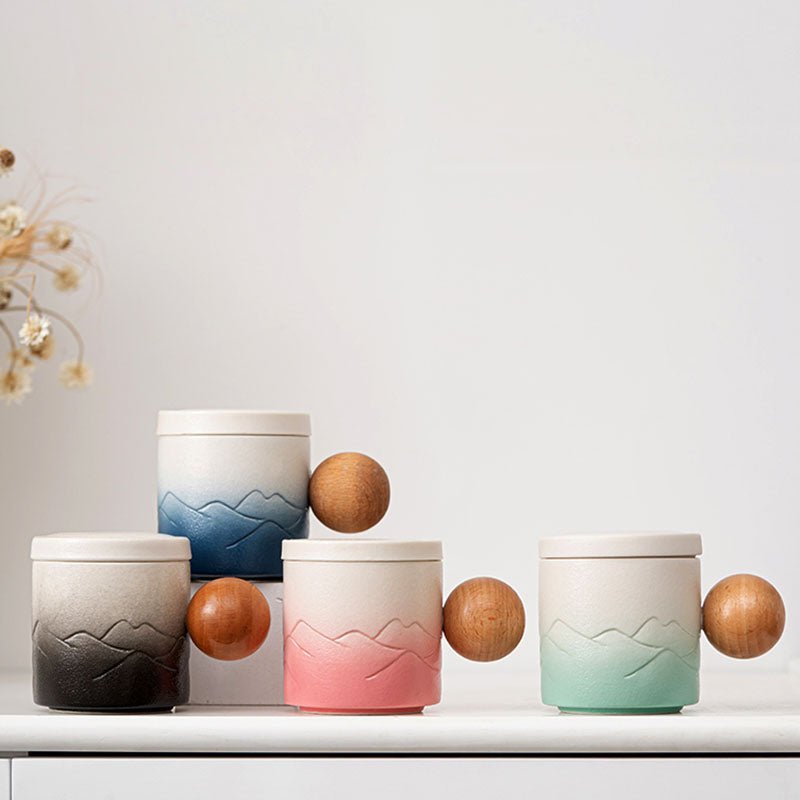
Mug for Tea: How to Choose the Right Size, Shape, and Daily Fit
A mug for tea should feel balanced, sip cleanly, and suit the way you actually drink. We compare everyday tea mug shapes, practical trade-offs, and the details worth checking before you buy.
Leer más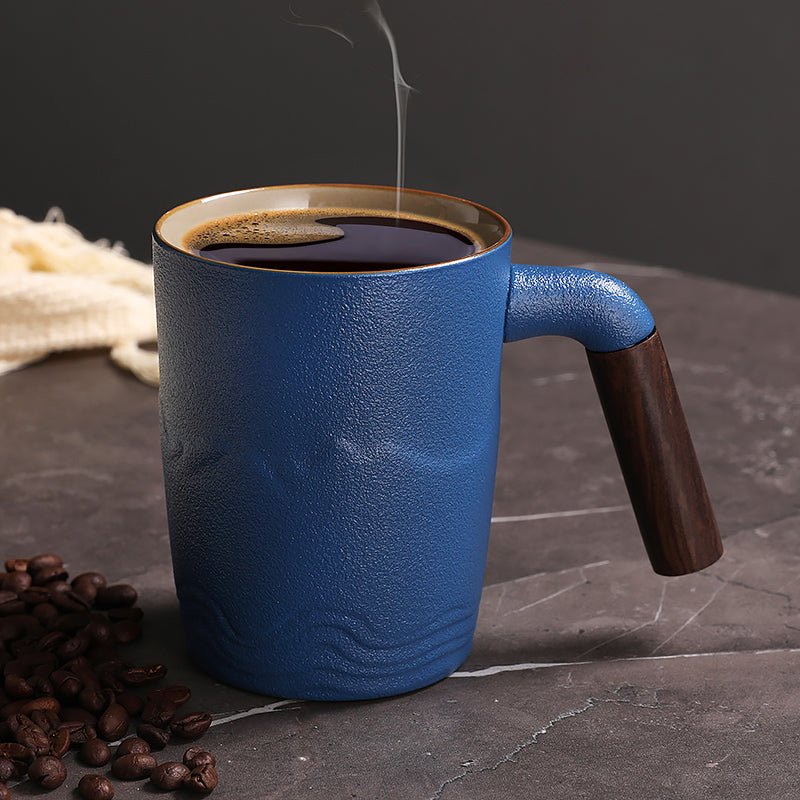
Mikasa Coffee Mugs: What to Check Before You Buy
A practical guide to choosing Mikasa coffee mugs by size, shape, handle comfort, and care. We break down the trade-offs that matter on a kitchen counter, at a desk, and in the dishwasher.
Leer más
Dejar un comentario
Este sitio está protegido por hCaptcha y se aplican la Política de privacidad de hCaptcha y los Términos del servicio.