
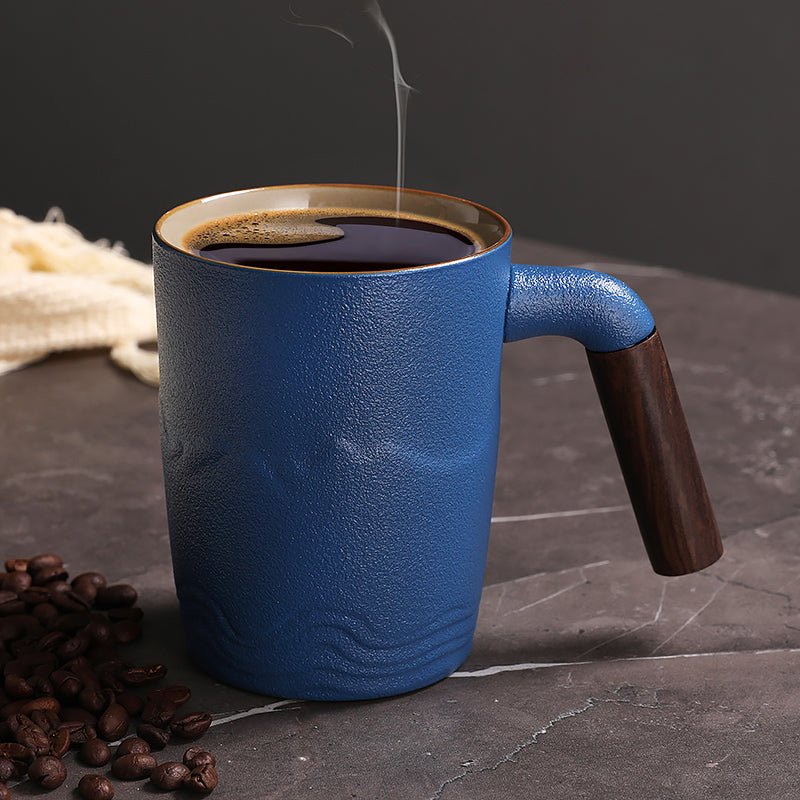
Mikasa Coffee Mugs: What to Check Before You Buy
Reading time: about 9 minutes
A mug that looks good on a shelf can still fail at 7:30 a.m. The handle feels cramped, the base wobbles on the desk, or the rim gets hot after a quick microwave spin. That is why shoppers comparing Mikasa coffee mugs usually need a practical checklist, not just a style opinion.
In our store, we see the same pattern again and again: the mugs that stay in rotation are the ones with a comfortable handle, a stable footprint, and a glaze that still looks clean after repeated dishwasher cycles. The ones that get pushed to the back are usually too heavy when full, too narrow for a proper grip, or too delicate for an everyday sink routine.
What should you check first on Mikasa coffee mugs?
Start with the details that affect daily use, not just the pattern or color. A mug can be attractive and still feel awkward in the hand. We always look at capacity, handle clearance, rim thickness, base width, and care instructions before we decide if a mug belongs in a real kitchen.
| Check | Why it matters | What to look for |
|---|---|---|
| Capacity | Controls how much room you have for coffee, milk, or tea | A size that matches your actual pour, not a guess based on looks |
| Handle clearance | Affects comfort when the mug is full | Room for two fingers without your knuckles scraping the cup wall |
| Rim thickness | Changes how the mug feels when you drink | A smooth rim that does not feel sharp or overly thick |
| Foot ring and base | Determines stability on desks and counters | A flat, even base that does not rock on hard surfaces |
| Glaze and finish | Affects durability and cleanup | A finish that resists staining and does not show every water mark |
| Care label | Tells you how the mug will fit your routine | Clear guidance for dishwasher and microwave use |
If you are still deciding on capacity, our guide to 12 oz Coffee Mugs: How to Choose the Right Mug for Daily Use covers the size questions that come up most often at checkout. That is usually the right place to start if you want a mug for everyday drip coffee rather than a large weekend cup.
One detail buyers often miss is the handle shape. A mug can have the right capacity and still feel bad if the handle is too tight, too thin, or set too close to the body of the cup. On a crowded office desk, that becomes obvious fast. On a kitchen counter, it shows up when you are carrying a full mug with one hand and opening the fridge with the other.
Which mug shape works best for daily use?
Shape changes more than style. It changes balance, heat retention, cabinet storage, and how much room the mug takes up near a coffee machine. If you like a cleaner geometric look, the Rhombus Coffee Tea Mug leans modern and structured. If you want something more playful for gifting, the Handbag Coffee Tea Mug is a conversation piece, but it is not the right choice if you care about stacking or minimal cabinet space. For a taller profile with a more elegant line, the White Golden Waves Tall Coffee Tea Mug gives you height without a huge footprint.
That trade-off matters. Novelty mugs are fun, but they are not always the best option for tight shelves, narrow mug trees, or dishwashers loaded to the brim. Taller mugs can feel refined, but they may sit awkwardly under low cabinets or coffee machine spouts. A wide mug is easier to stir, but it can cool faster and take up more cabinet room.
- Choose a taller mug if you like lattes, tea, or drinks with milk and foam.
- Choose a wider mug if you want easy stirring and a more open drinking surface.
- Choose a novelty mug if the goal is gifting or display, not pure utility.
- Choose a simpler silhouette if you want the mug to live in daily rotation without special handling.
If you want to compare more shapes in one place, browse our all coffee mugs collection. That is usually the fastest way to see which silhouette feels right before you get attached to a single style.
Are Mikasa coffee mugs safe for microwave and dishwasher use?
Do not assume every mug is equally easy to care for. Ceramic mugs often handle everyday heat well, but the finish and decoration matter. Plain glazed mugs are usually simpler to live with than mugs that have metallic accents, raised decoration, or delicate printed details.
Our practical rule is simple: check the care notes before you buy, then treat the mug like something you expect to use often. A mug that is labeled for dishwasher use still lasts longer if you avoid banging it against other dishes in the rack. A microwave-safe mug still performs better if you do not move it straight from the refrigerator to high heat.
- Rinse tea and coffee residue before it dries into the glaze.
- Load mugs so the rim is protected from hard contact with other ceramics.
- Use moderate microwave time instead of pushing the mug through repeated overheating cycles.
- Dry the foot ring fully if your water leaves visible mineral spots.
The common failure modes we see in everyday mugs are predictable: hairline glaze cracks near stress points, a chipped rim from sink contact, a wobble from an uneven foot ring, or a handle that loosens in feel because it was awkward from the start. None of that is unique to Mikasa coffee mugs. It is the reality of buying a mug that will live in a kitchen, office, or breakroom.
If your use case is strictly commuting, none of these are ideal. You need a travel lid and insulation for that. If your use case is a desk mug for refills through the morning, a sturdy ceramic cup is a better fit than a fancy novelty shape that is hard to wash by hand.
What size should you choose for drip coffee, milk drinks, or tea?
Size decides whether a mug feels generous or clumsy. For many shoppers, the sweet spot is somewhere between a compact everyday cup and a larger mug that can handle milk, foam, or a second pour. That is why size guides matter more than they first appear.
Our own buying conversations usually break down like this: people who drink a straightforward black coffee often prefer a smaller to mid-size mug, while people who add milk or use instant coffee with extra room lean larger. If you want a deeper read on sizing and materials, our article on Mikasa Coffee Mugs: Size, Material, and Buying Guide lays out the core categories without overcomplicating the decision.
For daily use, these are the practical size buckets we recommend thinking about:
- Compact size: good for smaller pours, espresso-based drinks, or tea when you do not want a lot of leftover heat loss.
- Mid-size: often the easiest choice for standard drip coffee and general use across the day.
- Large size: useful for longer mornings, milk-heavy drinks, or people who hate refilling.
If you are focused on a smaller cup, the 12 oz range is worth a close look. Our guide to 12 oz Coffee Mugs: How to Choose the Right Mug for Daily Use is the right companion read if you want a mug that feels balanced in the hand and fits under many standard coffee setups.
There is a trade-off here. A larger mug sounds more flexible, but it can be annoying if it barely fits under your machine, crowds a mug shelf, or feels too heavy once filled. Smaller mugs can look elegant, but they are not ideal if you pour a long drink and want room for milk, cream, or a spoon without sloshing.
Which style fits your kitchen, office, or gift list?
The best mug for a home kitchen is not always the best mug for an office desk or a gift box. In our experience, practical buyers usually choose differently depending on where the mug will live most of the time.
- Kitchen: prioritize stable base, easy cleaning, and a finish that does not show every splash mark.
- Office: prioritize handle comfort, spill control, and a shape that is easy to set down one-handed.
- Gift: prioritize visual impact, packaging appeal, and a shape that feels special on first use.
- Tea drinker: prioritize a comfortable lip, enough room for a tea bag or infuser, and a body that does not feel too narrow.
That is where style becomes useful instead of decorative. A taller mug feels cleaner at a work desk. A geometric mug feels more design-led in a modern kitchen. A novelty mug is memorable as a gift, but not the best choice if the recipient wants a simple daily cup that disappears into the routine.
If you care more about use than shelf appeal, buy the mug that feels easiest to wash, hold, and store. The best-looking mug is not always the one that gets used every morning.
If you want to keep comparing options after reading this, the product pages above are a better next stop than chasing shape alone. Start with the mug that matches your routine, then work backward from size and care.
Frequently asked questions
Are Mikasa coffee mugs good for everyday use?
They can be, as long as the mug has the right size, handle comfort, and care instructions for your routine. For daily use, the practical test is simple: it should feel stable on a counter, comfortable when full, and easy to clean after repeated coffee or tea stains.
What size Mikasa coffee mug is best for a standard cup of coffee?
For most people, a mid-size mug is the easiest place to start. If you drink plain drip coffee, a smaller mug can feel more balanced; if you add milk or like a longer pour, a larger mug gives you more room without spilling over.
Do decorative mugs chip more easily?
Not always, but decorative shapes can be less forgiving if they have thin rims, unusual handles, or narrow bases. Any ceramic mug can chip if it gets knocked against a sink, another cup, or a crowded dishwasher rack.
Should I choose a mug with a wider opening or a taller shape?
Choose a wider mug if you stir often or want a more open drinking surface. Choose a taller mug if you want a smaller footprint on the table and a more vertical look, but make sure it still fits your coffee machine and cabinet clearance.
What is the biggest mistake buyers make with coffee mugs?
They buy for the print or silhouette first and check the practical details later. The handle, base, and care label matter more than most people expect, especially if the mug will live in a dishwasher-heavy kitchen or sit on a busy office desk.
The fastest next step is to compare the shape and size you actually use most, then open our all coffee mugs collection and shortlist the mugs that fit that routine. If you are still undecided, keep the checklist in this article open and compare handle comfort, base stability, and care instructions before you buy.
More from our blog
Read more
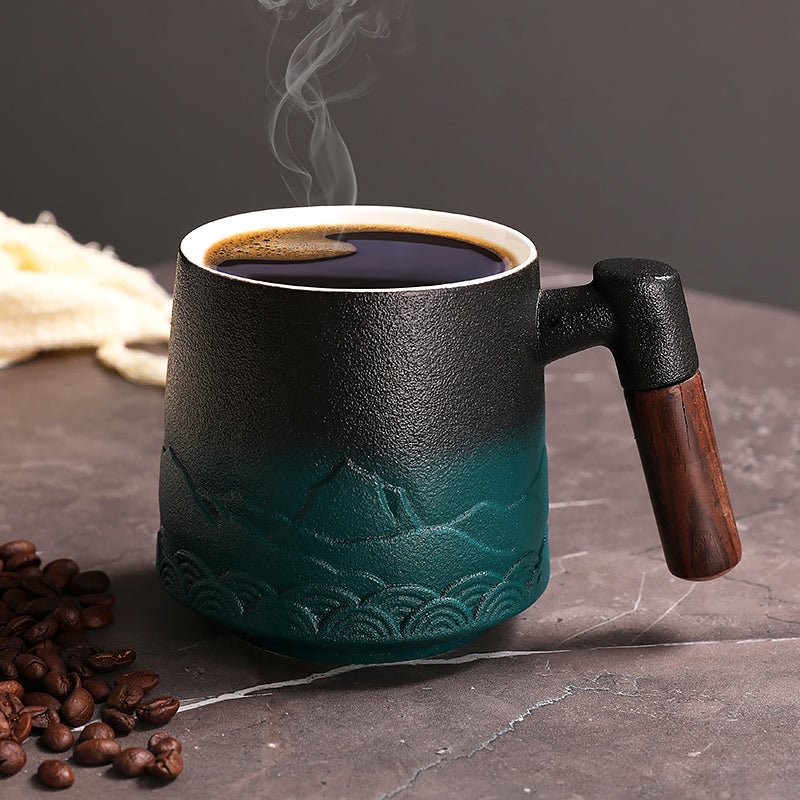
Pottery Coffee Mug Buying Guide: What to Check Before You Buy
A pottery coffee mug should feel right in the hand, hold heat without turning awkward, and survive real kitchen use. We break down the checks that matter before you buy.
Leer más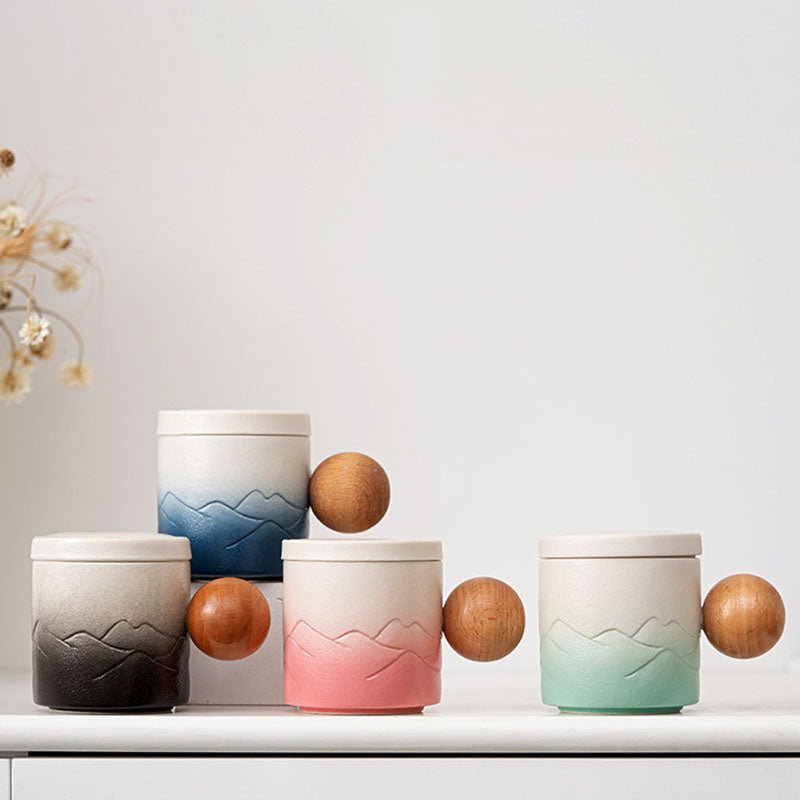
16 oz Ceramic Coffee Mug Buying Guide for Daily Use
A 16 oz ceramic coffee mug works well for daily coffee, tea, and cocoa, but the right one depends on handle comfort, rim finish, and how you actually use it. We break down the details that matter b...
Leer más
Dejar un comentario
Este sitio está protegido por hCaptcha y se aplican la Política de privacidad de hCaptcha y los Términos del servicio.