
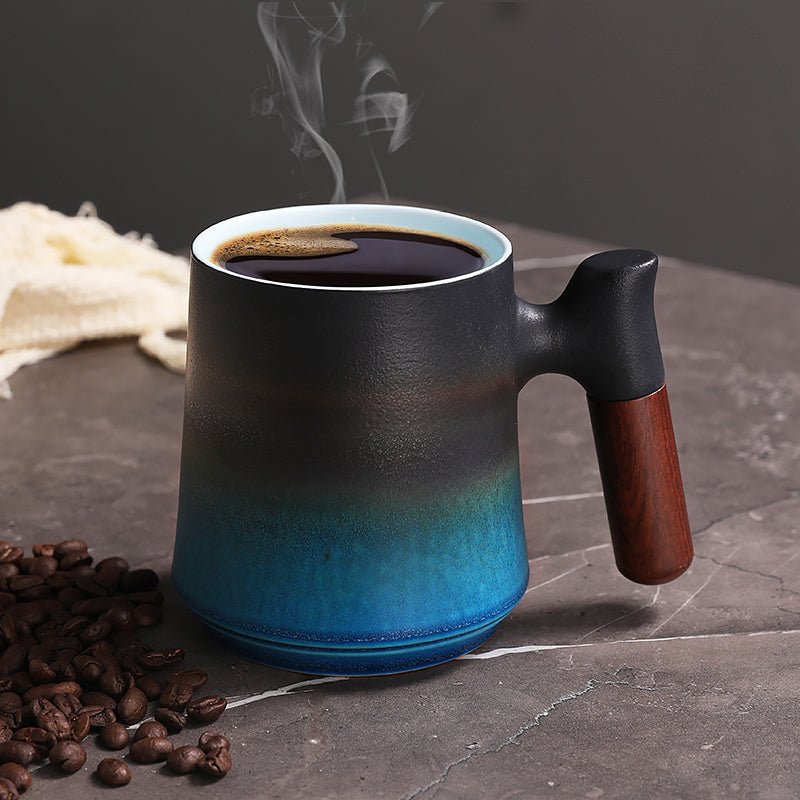
Mug for Tea: How to Choose the Right Size, Shape, and Material
Reading time: about 10 minutes
A tea mug looks simple until you pour a full mug of hot black tea, carry it to your desk, and realize the handle gets warm, the rim feels too thick, or the shape cools the drink faster than you expected. We see that happen a lot with shoppers who thought any mug would do the job.
At CoffeifyMug, we handle this category every day, and the difference between a good mug for tea and a frustrating one usually comes down to a few practical details: capacity, lip comfort, handle clearance, material, and how the mug behaves after repeated dishwasher cycles. If you want to browse our current range first, start with our product selection, then compare styles in the full collection.
This guide is for shoppers who want a real buying decision, not vague advice. We’ll cover what size works for different tea habits, what materials hold up best, and where each style has trade-offs.
What makes a mug for tea better than a regular mug?
A mug for tea is usually judged by comfort more than by looks. Tea drinkers spend more time holding the cup close to the face, sipping slowly, and reheating less often than coffee drinkers, so the rim, handle, and balance matter a lot.
In our experience, the most usable tea mugs share a few traits:
- A comfortable handle with enough finger clearance for adult hands, even when the mug is full.
- A stable base so the mug feels secure on a kitchen counter or crowded office desk.
- A rim that feels smooth and not overly thick, especially for hot tea you sip often.
- A size that matches the drink instead of forcing you into oversized portions you did not want.
That last point matters. A 12-ounce mug can be great for a standard tea bag and a splash of milk. A much larger mug may suit someone who makes multiple infusions or likes long work sessions with tea nearby. But a giant mug is not ideal if you want tea that stays hot and concentrated.
If you want a broader comparison before narrowing down, our article on Best Tea Mug: What to Buy for Daily Tea, Desk Use, and Gifts is a useful place to compare everyday use cases.
Which size should you buy for daily tea?
Size changes how tea tastes, how long it stays warm, and how easy it is to carry. The right size is less about a trend and more about how you drink.
Here is the practical breakdown we use when helping shoppers choose:
| Size range | Best for | What to watch for |
|---|---|---|
| 8 to 10 oz | Smaller pours, stronger tea, quick drinkers | May feel too small for bagged tea plus milk or honey |
| 11 to 14 oz | Most daily tea drinkers, desk use, balanced portions | Usually the safest all-around choice |
| 15 oz and up | Larger servings, long work sessions, loose-leaf infusions | Can cool down faster if the tea volume is not matched to the mug |
A lot of shoppers assume a bigger mug is automatically better. It is not. A large cup can be great for herbal tea or long afternoons, but if you prefer hot black tea in a smaller serving, oversized capacity often means your drink gets lukewarm before you finish it. If that is your situation, our Big Tea Mug Buying Guide for Size, Comfort, and Daily Use goes deeper on the trade-offs.
For desk use, we usually point people toward a middle ground: enough room for tea and additions, but not so much empty space that the drink loses heat too quickly. For gift buying, a mid-size mug is also easier because it works for more people.
Which material is best for a mug for tea?
Material affects weight, heat retention, and how the mug feels after repeated use. We stock and compare mugs as practical objects first, and each material has strengths and limits.
- Ceramic is the most common choice for tea. It feels substantial, generally keeps heat reasonably well, and works for everyday kitchen use. The trade-off is that cheaper ceramic can chip if it gets knocked against a sink or stacked carelessly.
- Porcelain often feels lighter and more refined. It can be a strong option for formal tea service, but thinner walls may cool faster and feel less forgiving in a busy office kitchen.
- Stoneware tends to feel sturdy and weighty. Many shoppers like it for home use because it feels durable in the hand. The trade-off is extra weight, which matters if the mug is large.
- Glass lets you see herbal blends, fruit pieces, and layered tea. It is not the best choice if you want maximum heat retention, and it can feel fragile for everyday desk life.
For most buyers, ceramic is the easiest default. It balances comfort, durability, and price expectations without being fussy. If you drink tea at a desk, avoid mugs that feel too thin at the rim; they may look elegant but can feel less pleasant when filled with very hot tea.
Our own handling tests in the store usually reveal the same practical issue: the mug that photographs best is not always the mug people keep reaching for after a week of dishwasher runs.
What shape works best if you sip tea slowly?
Shape changes how tea behaves after you pour it. A wide mug gives you more surface area, which can mean faster cooling. A taller, narrower mug usually holds heat a bit better and feels better for longer sipping sessions.
If you are comparing shapes, think about the way you actually drink:
- Short, focused tea break: choose a smaller or more tapered mug so the drink stays warmer and more concentrated.
- Long desk session: choose a balanced mug with a secure handle and a moderate opening so you can sip over time without awkward grip fatigue.
- Loose-leaf tea at home: choose a mug with enough room for the infusion to open up, especially if you brew directly in the cup.
We also see a comfort detail many buyers miss: rim thickness. A very thick rim can feel sturdy, but it can also make delicate teas feel less pleasant. A very thin rim can feel refined but may not be the best match if the mug gets used hard every day. The best mug for tea usually sits in the middle.
If you are specifically shopping for a larger shape, you may also like our guide to Large Tea Mug Buying Guide for Size, Shape, and Material. For even bigger options, compare it with Biggest Tea Mug: How to Choose the Right Oversized Mug.
What should you check before buying a mug for tea online?
Online photos can make every mug look pleasant. The details underneath matter more. Before you buy, we recommend checking the following:
- Capacity: Verify the ounce or milliliter size, not just the photos.
- Handle opening: Make sure your fingers will fit comfortably, especially if you tend to wrap your hand around the handle.
- Wall thickness: Thicker walls can feel sturdy and help with heat, but they add weight.
- Dishwasher and microwave compatibility: If you plan to use it daily, this matters more than decorative styling.
- Finish quality: Check for a smooth glaze, even color, and a rim that looks consistent all the way around.
We also tell shoppers to think about common defect modes. Tea mugs that are used hard often show problems in the same places: chipped rims, hairline cracks near the handle join, glaze wear at the lip, and staining on light-colored interiors if they are not washed promptly. None of those issues are rare in the category. They are simply what happens when a mug is handled every day in a real kitchen.
We prefer mugs that feel good after the third refill, not just on first impression.
If you need a general starting point for browsing styles across sizes and finishes, our full collection is the easiest place to compare options before narrowing down.
Is a mug for tea a good gift?
Yes, but only if you choose carefully. Tea mugs are one of the easiest gifts to use every day, but only when the recipient’s habits fit the mug you pick.
A good gift mug usually has these qualities:
- Neutral size: not too tiny, not comically oversized.
- Easy care: dishwasher-safe if possible, because gifts should not create extra work.
- Flexible style: a color or shape that fits into a home kitchen, office, or dorm room.
What is not ideal for gifting? An unusually huge mug, a very delicate thin-walled cup, or a shape that only works for one specific brewing style. Those are personal purchases, not broad gifts.
If you are shopping for a present, the article Mug and Tea: How to Choose the Right Cup for Everyday Use is a helpful companion because it focuses on the everyday habits that determine whether a mug gets used or shelved.
How do you care for a tea mug so it lasts?
Good care is boring, but it is the difference between a mug that looks fresh for months and one that starts showing wear too early. We always recommend following the maker’s care guidance first, but the general habits below help most tea mugs hold up better.
- Rinse after strong tea: Black tea and herbal blends can leave staining if they sit too long.
- Wash promptly: A quick dishwasher run or hand wash is usually better than leaving residue overnight.
- Avoid hard stacking: If the mug has a delicate rim or painted detail, stacked storage can cause chips.
- Check the handle join: If you spot a crack near the handle or a glaze line that looks unusual, stop using the mug until you know it is safe.
For households that use the same mug repeatedly throughout the day, dishwasher durability matters more than most people expect. The finish, print, and glaze should still look good after regular cycles. A mug for tea should not require babying just to survive daily use.
What kind of buyer should skip a standard mug and choose something else?
A standard tea mug is not the best answer for every tea drinker. If you fall into one of these groups, a different style may work better:
- Loose-leaf tea purists: you may prefer a teacup with saucer, a brewing mug with infuser, or a larger vessel designed for steeping.
- Very slow sippers: an insulated travel mug may keep the tea warmer longer than a ceramic mug.
- People with limited cabinet space: a bulky oversized mug can become annoying fast.
- Formal tea service buyers: porcelain cups and matching sets may fit the setting better than a casual everyday mug.
That trade-off is worth saying out loud. A mug for tea is not always the prettiest option, the warmest option, or the most traditional option. It is the practical option for everyday life. For most shoppers, that is exactly the point.
Frequently asked questions
What size mug for tea is best for daily use?
For most people, an 11 to 14 oz mug is the safest daily pick. It gives you enough room for tea, milk, or honey without feeling oversized. If you drink smaller, stronger cups, you may prefer something closer to 8 to 10 oz.
Is ceramic or porcelain better for a mug for tea?
Ceramic is usually the better everyday choice because it feels sturdy and comfortable in the hand. Porcelain can look more refined and feel lighter, but it may be a little less forgiving for heavy daily use. If the mug will live in a busy kitchen, ceramic is often the easier bet.
Can I put a tea mug in the dishwasher every day?
Many tea mugs are made for dishwasher use, but you should always check the care instructions for the specific piece. Daily dishwashing is common, and it is one of the best ways to keep tea residue from building up. If the mug has metallic accents or delicate decoration, hand washing may be safer.
Why does my tea cool so fast in some mugs?
Wide mugs, thin walls, and large empty headspace can all make tea cool faster. A narrower shape and a well-sized mug usually help keep the drink warmer for longer. If you like slow sipping, avoid oversized mugs unless you really plan to fill them.
What is the best mug for tea at a desk?
The best desk mug is usually mid-sized, stable, and easy to grip. It should fit beside a laptop without taking over the whole workspace, and it should have a handle that does not crowd your fingers. We usually steer desk buyers toward a practical ceramic mug rather than a huge novelty cup.
If you want to compare options now, start with our current product range, then open the full collection and check size, material, and handle comfort side by side. If you are still deciding, keep a short checklist: capacity, handle fit, care instructions, and whether the mug actually matches how you drink tea every day.
Related from our store
Read more
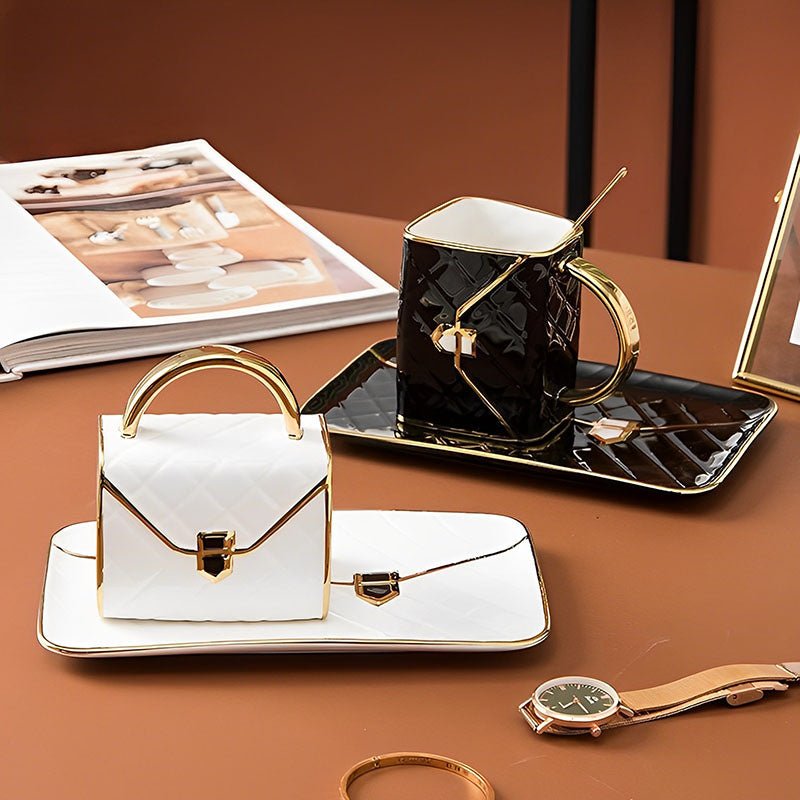
Fancy Cups: What to Buy for Daily Use, Gifting, and Display
Fancy cups should do more than sit pretty on a shelf. We break down the materials, sizes, finishes, and care details that matter before you buy.
Leer más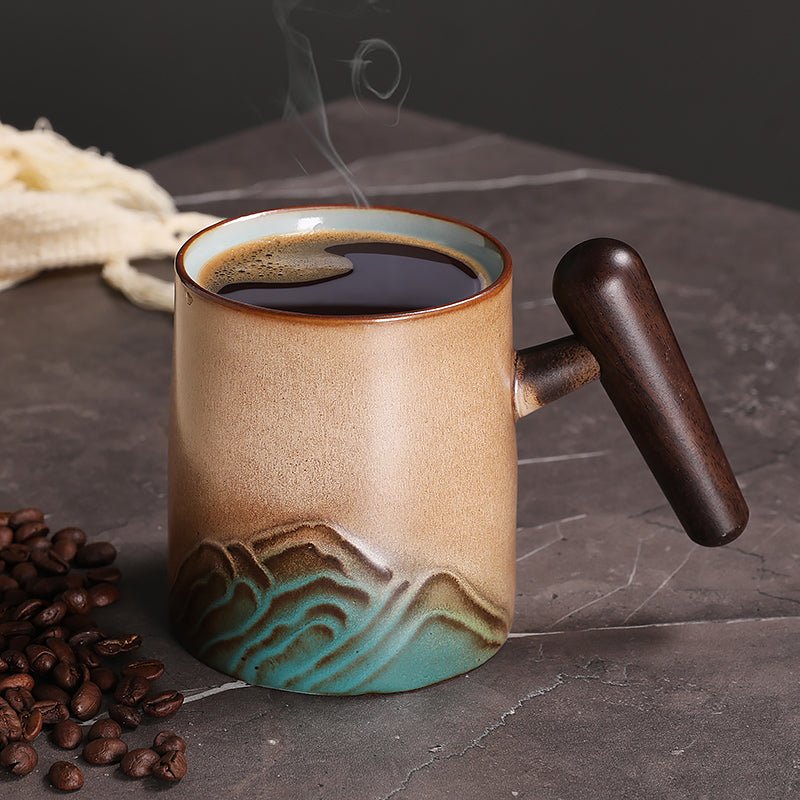
Large Ceramic Mugs: What to Check Before You Buy
A practical buyer’s guide to large ceramic mugs, covering size, weight, glaze, handle comfort, and everyday use so you can choose the right mug for home, office, or gifting.
Leer más
Dejar un comentario
Este sitio está protegido por hCaptcha y se aplican la Política de privacidad de hCaptcha y los Términos del servicio.