
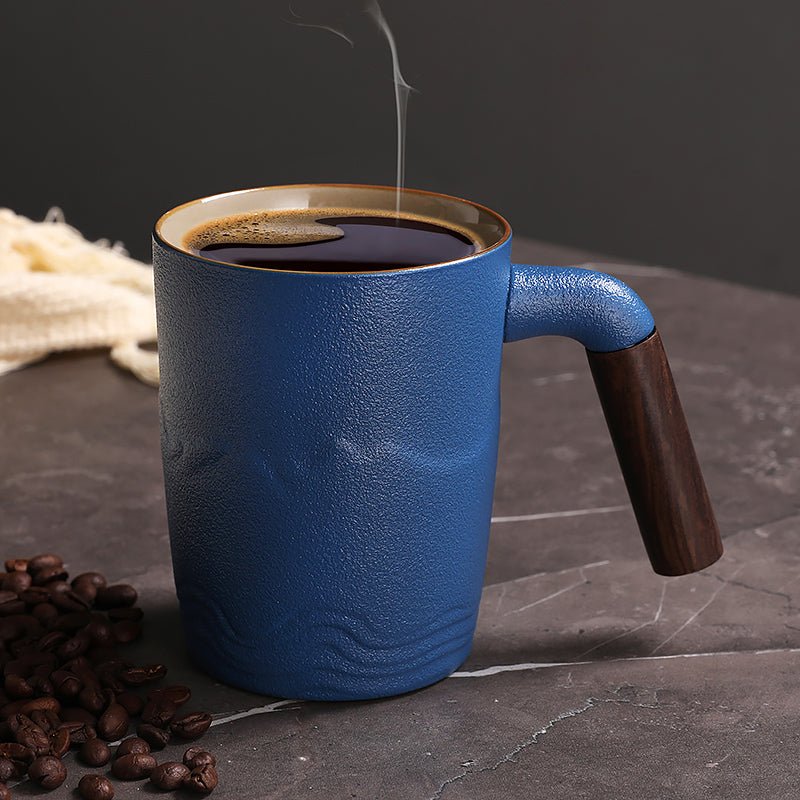
Hydro Flask Coffee Mug: What to Check Before You Buy
Reading time: about 9 minutes
What makes a hydro flask coffee mug worth buying?
A coffee mug that sweats on a desk, slips in your hand, or feels too hot to hold gets used once and then pushed to the back of the cabinet. A hydro flask coffee mug solves a different problem: it gives you a sturdy stainless steel cup that keeps coffee warmer than an open ceramic mug and stands up better to daily use around a kitchen counter, office desk, or gift box.
In our store, we see buyers choose this category for three very specific reasons. They want a mug that can take a knock without cracking, they want a lid that helps prevent spills during short moves between rooms, and they want a drink vessel that does not feel disposable after a few wash cycles. The trade-off is just as real. You gain durability and insulation, but you lose some of the easy sipping feel of a plain ceramic mug and you usually give up microwave use.
If your main goal is a mug for slow desk coffee, our Best Coffee Mug: What Actually Matters for Daily Use guide is a useful comparison point. If you want a mug that travels more often than it sits still, start with our Best Travel Coffee Mug: What to Check Before You Buy article instead.
Which size fits the way you actually drink coffee?
Size is where most buyers make the wrong call. A mug that looks right online can feel awkward in hand, hold too little for a long pour, or become too bulky for a bag or cup holder. For many shoppers, the sweet spot depends on how quickly they finish coffee and whether they add milk, foam, or extra water for an Americano.
| Drink habit | Size to consider | Why it works |
|---|---|---|
| Short black coffee or espresso-based drinks | 12 oz class | Small enough to feel compact, with less heat loss from unused space |
| Standard drip coffee with room for cream | 16 oz class | Fits the most common everyday pour without feeling oversized |
| Long office sessions, iced coffee, or extra-large pours | 20 oz class | Better if you leave the cup on your desk for a while or want more volume |
If you are comparing larger options, our 20 oz Coffee Mug: What to Check Before You Buy article covers the practical side of moving up a size. A bigger mug is not automatically better. It can feel clumsy in smaller hands, take longer to finish, and sometimes make the drink cool slower at the start because there is more air above the coffee.
We usually tell buyers to choose the smallest size that still covers their full pour. That keeps the mug comfortable, reduces wasted space, and makes the drinking experience more consistent from the first sip to the last.
What should you check on the lid, body, and finish?
This is the part that separates a mug you enjoy from one that annoys you. A Hydro Flask-style insulated mug is not just about the logo. The lid, seal, finish, and base shape all affect how it behaves in real use.
- Lid fit: A good lid should seat cleanly without wobble. If the lid is misaligned or hard to press into place, it often means cleaning will be annoying later too.
- Seal and gasket: A removable silicone gasket is easier to wash and less likely to hold coffee odor. If the gasket cannot be removed, buildup is harder to manage.
- Body material: Double-wall stainless steel is the usual category choice because it resists dents better than ceramic and does not shatter on hard floors.
- Exterior finish: Powder-coated finishes tend to feel secure in the hand and hide small scuffs better than glossy surfaces, but no finish is scratch-proof.
- Base shape: Check whether the mug narrows enough for a car cup holder if you plan to move it around the house or commute with it.
There are a few common failure points we watch for in this category. Lids can start to leak if the gasket is not seated properly after washing. Insulation can feel weaker if the mug is dented hard enough to compromise the vacuum layer. And if the lid is not rinsed well, stale coffee smell builds fast, especially in humid kitchens or office break rooms.
If you need a mug that can sit loose in a tote bag, a handled coffee mug with a splash lid is usually the wrong category. A true travel mug or bottle-style container is the safer choice.
Is a hydro flask coffee mug better for a desk, car, or commute?
The best use case depends on how much movement the mug sees. For a desk, this style works well because it feels sturdy, stays comfortable to hold, and usually does a better job than ceramic at keeping coffee warm through a long meeting or a slow morning. For the car, fit matters more than insulation. A great mug that does not fit the cup holder gets left at home.
For a short commute or a walk from the parking lot to the office, an insulated mug is practical if the lid is secure and the opening is easy to sip from. But if you need something that lives in a backpack, gets tossed into a work bag, or rides through a crowded train, you want a more sealed design. That is why we point commuters toward our Best Travel Coffee Mug: What to Check Before You Buy guide before they buy a desk-style mug for daily carry.
For home use, especially on a kitchen counter or at a home office, this category makes sense because it bridges the gap between a ceramic mug and a bottle. It feels more substantial than a diner mug, but it is still easy to grab, set down, and wash after breakfast.
What trade-offs should you expect before ordering?
We prefer to be direct here. A hydro flask coffee mug is not the best answer for every buyer. It solves some problems very well, and it creates a few new ones if your routine does not match the design.
- Not ideal for microwave use: Stainless steel should not go in the microwave. If reheating coffee is part of your daily habit, ceramic is more convenient.
- Not the best for fully bagged carry: Many coffee mugs are splash-resistant rather than completely leakproof. If the mug will lie on its side, choose a true travel vessel.
- Not the softest drinking experience: Some people prefer the rim feel of ceramic. Metal mugs can feel different on the lips, especially at first.
- Not immune to maintenance: The lid and gasket need more attention than a plain mug. If you skip cleaning the seal, coffee residue shows up fast.
Those limits do not make the category bad. They just make it specific. If you want a mug for quick sips at a desk, in the kitchen, or between meetings, it can be a strong fit. If you want something to heat in the microwave, use as a soup bowl, or toss into a backpack without thinking, pick a different style.
For buyers comparing options side by side, our store’s current lineup is a good place to start: browse the full collection or check the latest products we carry before narrowing down size and lid style.
How do you keep it clean and avoid common problems?
Care is straightforward, but consistency matters. We see most mug complaints come from skipped lid cleaning, not from the steel body itself. A quick rinse is not enough if coffee, milk, or flavored syrup has dried around the seal.
- Wash the lid and gasket after heavy use, especially if the mug held milk drinks or sweetened coffee.
- Remove any silicone seal if the design allows it, then let it dry fully before reassembly.
- Avoid abrasive scrubbers on coated exteriors if you want the finish to stay clean-looking.
- Do not store coffee in the mug for long periods. Old coffee smell is easier to prevent than remove.
- If the mug takes a hard hit, inspect the lid and body before assuming the insulation is unchanged.
A clean lid matters more than buyers expect. A mug body can look perfect while the sip surface still tastes stale from residue under the gasket. That is why we always advise checking the cleaning instructions before buying, not after the first bad coffee smell shows up.
Frequently asked questions
Is a hydro flask coffee mug leakproof?
Not always. Many insulated coffee mugs are splash-resistant rather than fully leakproof, which means they are fine for desk use and short moves, but not ideal if they will turn sideways in a bag. If leakproof carry is your priority, look for a travel mug designed specifically for sealed transport.
Can you put a hydro flask coffee mug in the dishwasher?
Check the current care label for the exact model. Some insulated mugs and lids are dishwasher safe, but the lid, gasket, and coating still need regular inspection and cleaning to prevent odor and buildup. When in doubt, separate the parts and wash them carefully so the seal stays in good condition.
What size hydro flask coffee mug should I buy for daily coffee?
Most daily drinkers do best with a size that matches the amount they actually pour, not the largest option available. A 12 oz class mug suits smaller black coffees, 16 oz works well for standard drip with milk, and 20 oz is better for long desk sessions or bigger servings.
Does a stainless steel coffee mug change the taste?
Some people notice a different mouthfeel the first few uses, especially if they are used to ceramic. A clean stainless steel mug should not leave a metallic taste, but a dirty lid or old coffee residue can make the drink taste flat or stale. Proper washing matters more than the material alone.
Is a hydro flask coffee mug good for iced coffee?
Yes, especially if you want a sturdy mug that does not sweat all over a table. Just make sure the size fits your ice and milk ratio, because a mug that is too small can get crowded quickly. If you want more volume for iced drinks, a larger mug is usually the safer pick.
If you are narrowing down options, use this simple checklist before you buy: choose the smallest size that fits your pour, confirm the lid style matches your daily use, check whether the base fits your car cup holder, and decide whether you need desk convenience or true travel carry. Then compare the current options in our collection or start with our products page to see what fits your routine best.
More from our blog
Read more
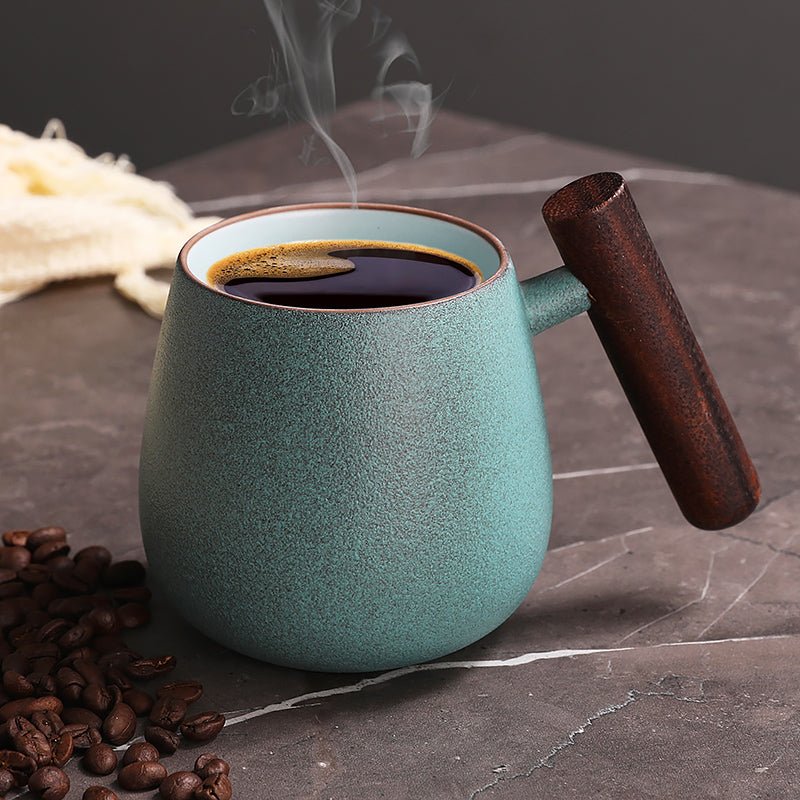
20 oz Coffee Mug: What to Check Before You Buy
A 20 oz coffee mug fits the way many people actually drink coffee: a larger first pour, room for milk, and less refilling at a desk. We break down what matters before you buy, including materials, ...
Leer más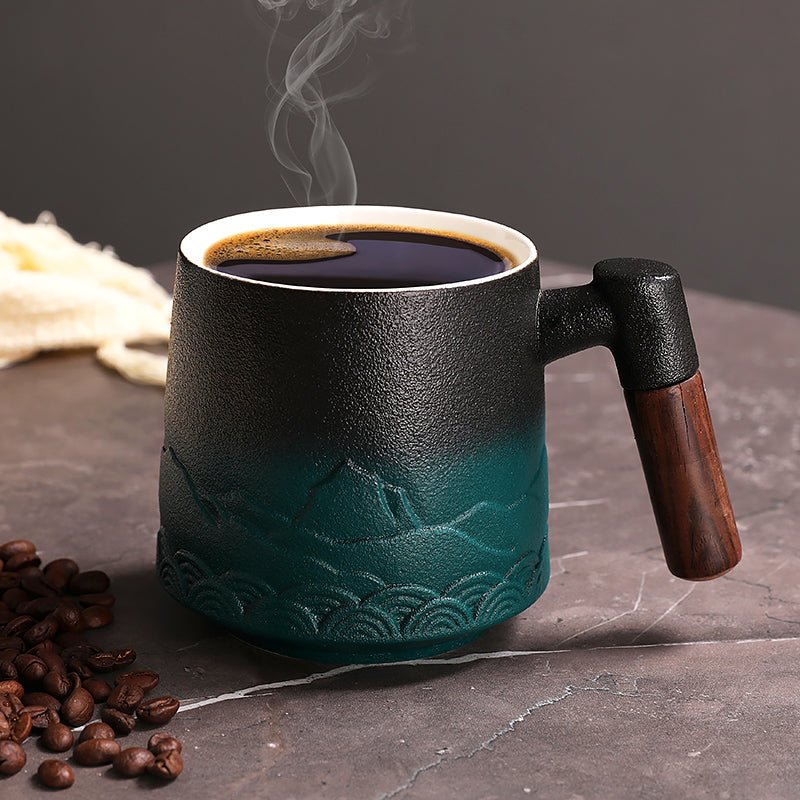
Coffee Mugs Set: What to Look for Before You Buy a Matching Set
A practical guide to buying a coffee mugs set. Learn about materials, sizes, durability, and design trade-offs. Includes a checklist to help you choose the right set for daily use, gifts, or the of...
Leer más
Dejar un comentario
Este sitio está protegido por hCaptcha y se aplican la Política de privacidad de hCaptcha y los Términos del servicio.