
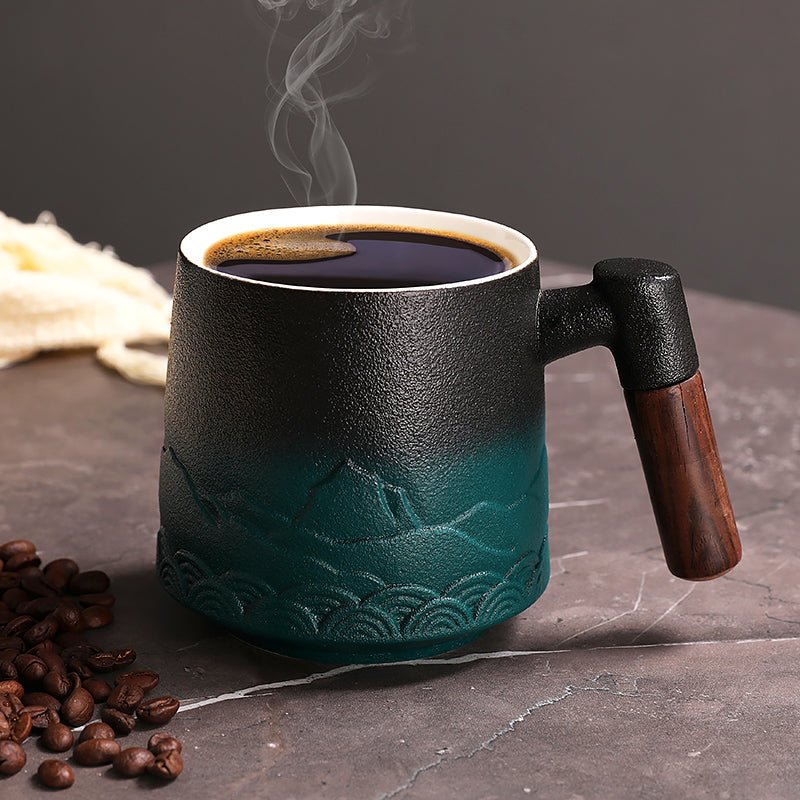
Coffee Mugs Set: What to Look for Before You Buy a Matching Set
Reading time: about 7 minutes
When a customer walks into our store and says they want a coffee mugs set, the first thing we ask is: “How many mugs do you actually need, and where are they going?” That question often stops them cold. Most people assume a set is a set — same color, same size, same shape. But after handling returns and hearing real feedback, we’ve learned that a good set is about more than matching aesthetics.
We’ve sold hundreds of sets over the past year. Some come back because the mugs are too small. Others because the glaze chips in the dishwasher. A few because the handles are uncomfortable for larger hands. This guide is built on those conversations. It’s not a list of perfect products. It’s a checklist of what to check before you click “add to cart.”
What Size Coffee Mugs Set Should You Buy?
Size is the most common regret we hear. A standard set often comes with 8 oz or 10 oz mugs. That’s fine for espresso, a small latte, or tea. But if you’re the type who fills a mug to the brim with drip coffee and drinks it slowly, 8 oz will feel like a thimble.
In our experience, a 12 oz to 14 oz mug is the sweet spot for daily coffee drinkers. It holds a standard coffee shop small-to-medium without overflowing. If you’re buying for a household where everyone drinks different amounts, consider a set with varied sizes — or buy two sets of different capacities.
We also see people buy a 6-piece set and realize three of the mugs never get used because they’re too small for the primary drinker. That’s wasted money. Before you buy, ask: who will use these? If it’s mostly one person, a 2- or 4-piece set in the right size beats a 6-piece set that sits in the cabinet.
For a deeper look at larger options, read our buyer's guide to large capacity coffee mugs.
Which Materials Are Best for a Coffee Mugs Set?
Most sets are made from ceramic, stoneware, porcelain, or earthenware. Each has trade-offs.
- Ceramic (stoneware or porcelain) is the most common. It’s durable, dishwasher-safe, and holds heat well. Porcelain is denser and less porous, so it resists staining better than earthenware.
- Earthenware is softer and chips more easily. It’s often cheaper, but we don’t recommend it for daily use. One drop on a tile floor and you’re likely down a mug.
- Double-wall glass sets look modern but break more easily. They also don’t hold heat as long as ceramic. Great for iced coffee or serving, not great for a slow morning sip.
- Enameled metal sets are lightweight and good for camping, but they can dent and the coating can wear off over time.
Our best-selling sets are stoneware or porcelain. They survive the dishwasher, don’t stain after a year of use, and feel substantial in the hand. For a more detailed breakdown, check out our guide on ceramic coffee mugs: what to look for before you buy.
Should You Buy a Matching Set or Mix-and-Match?
Matching sets look tidy. They’re great for gifting, for a uniform kitchen aesthetic, or for an office break room where you don’t want mugs to disappear. But they have a hidden downside: if one mug breaks, the set is incomplete. Replacement singles are often hard to find years later.
Mix-and-match sets solve that. You can buy individual mugs in complementary colors or patterns from the same collection. If one breaks, you replace just that one. It’s also easier to please different tastes — one person might want a bold color, another a neutral.
That said, if you’re buying for a wedding gift or a holiday host, a matching set is almost always expected. The visual uniformity matters more than flexibility. For Christmas gifting, we see many people choose a festive matching set; our Christmas coffee mugs guide covers how to pick one that will actually be used year-round.
How Many Mugs in a Set Do You Actually Need?
Sets come in 2, 4, 6, 8, and 12 pieces. Here’s what we see in practice:
- 2-piece set — Good for couples or a single person who wants a backup. Also works as a gift for a coffee lover who already has mugs.
- 4-piece set — The sweet spot for most households. Enough for a family of four or for having one guest over. Easy to store.
- 6-piece set — Works for larger families or people who entertain regularly. But six mugs take up cabinet space. Measure your shelf height first.
- 8- or 12-piece sets — Mostly for offices, break rooms, or frequent hosting. Unless you regularly serve 8+ people, you’ll have half the set unused.
One tip: if you’re replacing an old set, buy one more than you think you need. Breakage happens. Having a spare saves the headache of hunting for a match later.
What About Dishwasher and Microwave Safety?
Not every mug set is dishwasher safe. We’ve tested sets where the glaze dulled after 20 cycles. Others had metallic accents that sparked in the microwave. Always check the care instructions before buying.
- Dishwasher-safe — Most stoneware and porcelain sets are fine. Avoid hand-painted or decal-heavy designs on the outside; they can fade over time.
- Microwave-safe — Plain ceramic and glass are usually safe. Avoid any mug with metallic trim, foil accents, or metallic glaze. That includes some “gold rim” sets that look elegant but can’t go in the microwave.
- Oven-safe — Rare in standard sets. If you want mugs for baking (like individual soufflés), look for specifically labeled oven-safe stoneware.
In our store, we recommend checking for a clear “microwave and dishwasher safe” stamp on the bottom. If it’s not there, assume it’s not safe.
How to Care for a Coffee Mugs Set So It Lasts
Even the best mug set will wear out faster if you treat it poorly. Here’s what we tell customers:
- Avoid thermal shock. Don’t pour boiling water into a cold mug straight from the fridge. Let it sit for a minute first.
- Use a non-abrasive sponge. Scouring pads can scratch the glaze, especially on darker colors.
- Stack carefully. If you stack mugs, place a paper towel or felt pad between them to prevent scratching.
- Replace any mug that develops a crack. Cracks can harbor bacteria and may break suddenly when filled with hot liquid.
We’ve seen stoneware sets last 5+ years with normal use. Earthenware often shows wear within a year.
Frequently asked questions
How many mugs should I get in a coffee mugs set?
A 4-piece set works for most households. If you host often or have a large family, a 6-piece set is better. For a couple or single person, a 2-piece set is usually enough.
Are all ceramic mugs dishwasher safe?
No. Some ceramic mugs, especially those with hand-painted designs or metallic accents, are not dishwasher safe. Always check the manufacturer’s label. Stoneware and porcelain are generally safe, but earthenware may be more fragile.
What size mug is best for coffee?
12 oz to 14 oz is the most versatile for daily coffee. 8 oz works for espresso or small servings. Larger mugs (16 oz and up) are better for travelers or those who like a big cup.
Can I mix and match mugs from different sets?
Yes, and it often works well. Mixing colors or patterns from the same collection creates a curated look. It also makes it easier to replace a broken mug without buying a whole new set.
What should I look for in a gift mug set?
Look for a set that matches the recipient’s style — neutral colors for a minimalist, bold patterns for someone playful. Make sure the mugs are a size they’ll actually use. A 4-piece set of quality stoneware is a safe bet for most people.
Your Next Step: Compare Before You Buy
Before you choose a coffee mugs set, run through this quick checklist:
- How many people will use them daily?
- What size do they prefer (8 oz, 12 oz, 14 oz)?
- Is dishwasher and microwave safety important?
- Do you want a matching set or mix-and-match?
- What’s your budget per mug?
Once you have those answers, you’re ready to look at options. Browse our full collection of coffee mugs sets to see what fits your needs. If you’re still unsure, our coffee mug set buying guide goes deeper into specific scenarios.
More from our blog
Read more
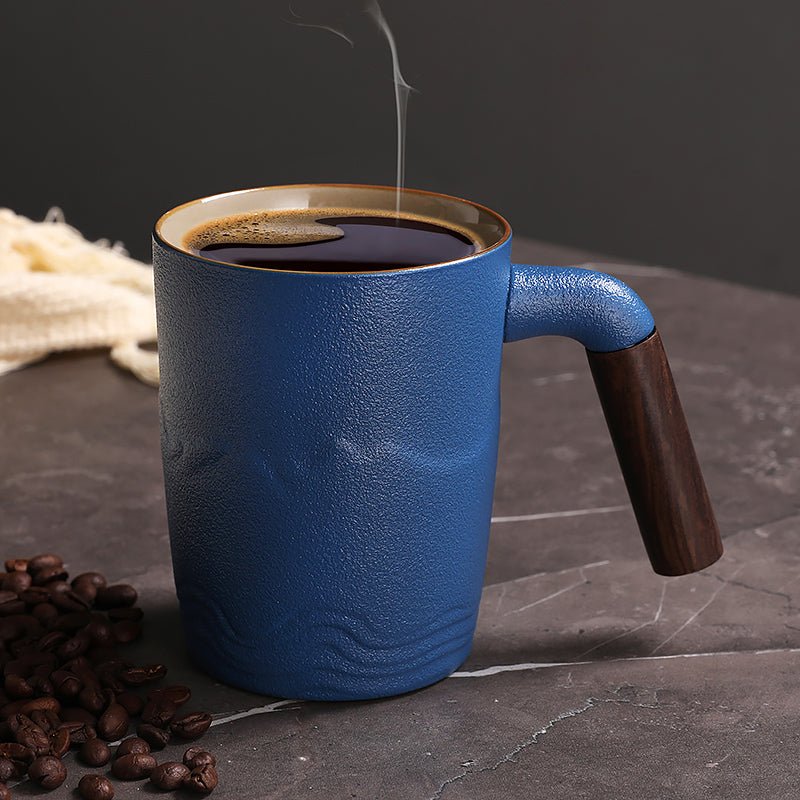
Hydro Flask Coffee Mug: What to Check Before You Buy
A practical buyer’s guide to choosing a Hydro Flask coffee mug with the right size, lid, and care routine. We cover the trade-offs that matter for desk use, commuting, and gift buying.
Leer más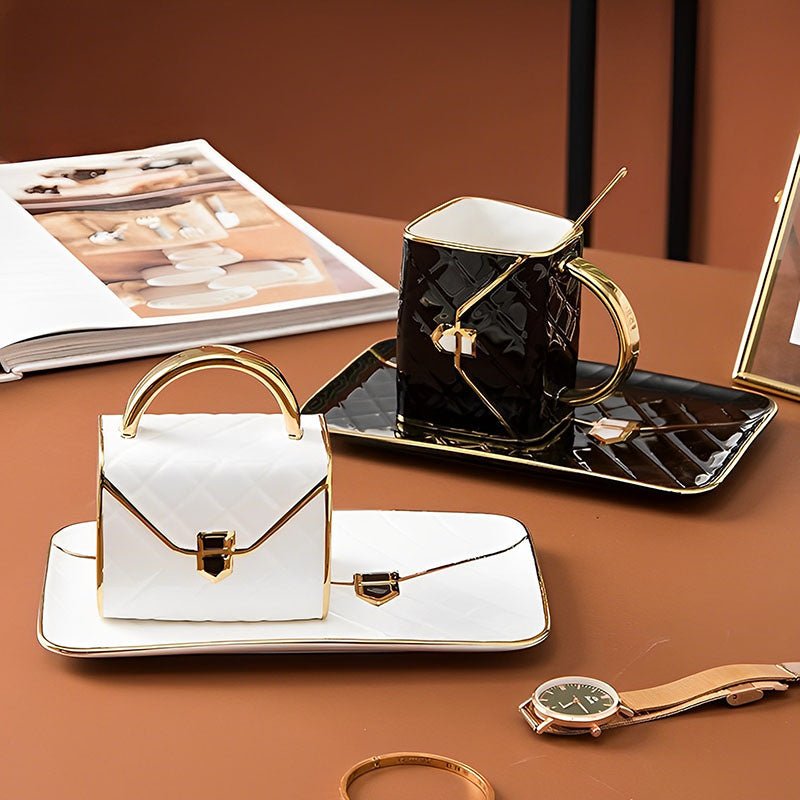
Personalized Coffee Mug Buying Guide for Better Gifts and Daily Use
We break down what actually matters in a personalized coffee mug: size, print quality, and care. Use it to choose a mug that looks good on a desk, in a gift box, and after repeated washing.
Leer más
Dejar un comentario
Este sitio está protegido por hCaptcha y se aplican la Política de privacidad de hCaptcha y los Términos del servicio.