
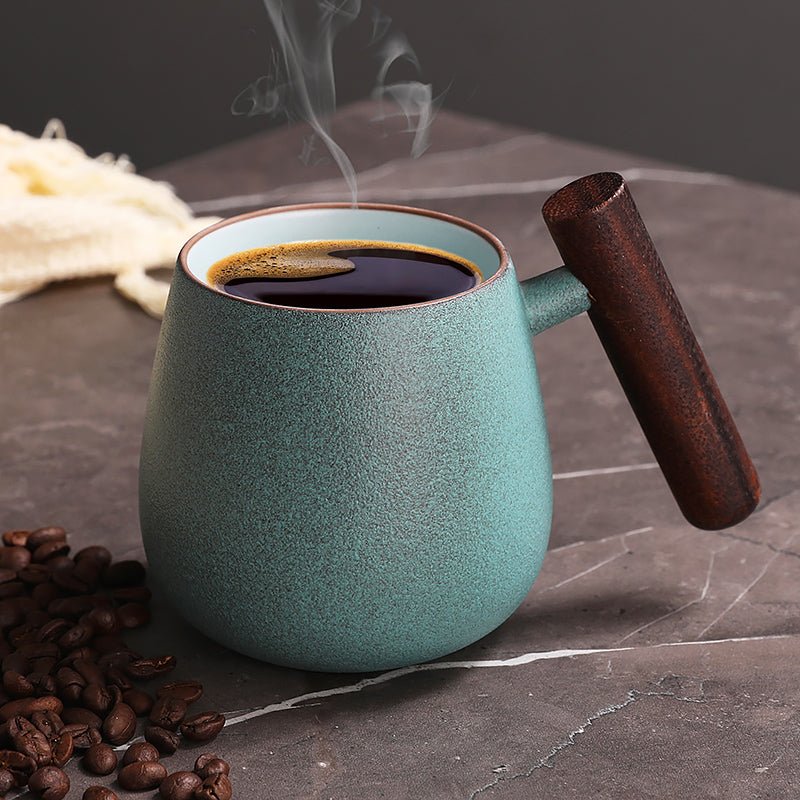
How Many Ounces in a Standard Coffee Mug? Buyer’s Guide
Reading time: about 10 minutes
A mug that looks “normal” on the shelf can pour very differently once you fill it. We see this all the time in our store: one customer wants enough room for a splash of milk, another wants a compact desk mug that fits under a single-serve machine, and a third is tired of a cup that looks full at six ounces even though it is supposed to be “standard.”
How many ounces in a standard coffee mug? Most standard coffee mugs hold 8 to 12 ounces, with 11 to 12 ounces being a very common everyday size. That said, the number printed on a product page is not always the amount you can comfortably drink to the rim. The usable fill line is often a little lower, especially on mugs with thick walls, curved interiors, or oversized handles.
We handle a lot of ceramic mugs, and the same “12 oz” label can feel very different from one shape to another. A straight-sided mug with a simple cylindrical body will usually give you more true drinking volume than a wide, tapered mug with a heavy base. That is why measuring by shape matters, not just the number on the box.
What does “standard coffee mug” actually mean?
There is no single industry-wide mug standard that every brand follows the same way. In practical terms, shoppers usually mean an everyday ceramic mug used for drip coffee, tea, hot chocolate, or a small pour from a travel carafe. At CoffeifyMug, we treat “standard” as the size most people would use on a kitchen counter, office desk, or breakfast table without thinking about specialty brewing equipment.
Common coffee mug sizes you will see are:
- 8 oz — compact, closer to a teacup feel, good for small servings
- 10 oz — a balanced everyday size for black coffee or tea
- 11 to 12 oz — the most common “standard” range for regular mugs
- 14 oz and up — larger mugs for big pours, lattes, or people who want extra room
For a deeper breakdown across mug types, our related guides How Many Ounces Is a Coffee Mug? Real Sizes and Buyer Tips and How Many Ounces in a Coffee Mug? Sizes, Fits, and Buying Tips go further into the size ranges shoppers compare.
Why does an 11 oz mug feel different from a 12 oz mug?
Because the shape changes the experience. One extra ounce does not sound like much on paper, but it can change how the mug sits in your hand, how close the liquid gets to the rim, and whether you can add milk without spilling.
Here is what usually changes between similar sizes:
- Rim clearance: A deeper cup gives you more room for pouring, while a wider one can look fuller sooner.
- Handle balance: Larger mugs often need a bigger handle, which can affect grip and comfort.
- Base weight: Heavier ceramic mugs feel sturdier but can take longer to warm up with hot liquid.
- Cabinet fit: A taller mug can be harder to stack or store under shelves, especially in small kitchens.
In our experience, buyers often notice the shape before the exact ounce count. A 12 oz mug with a broad mouth can feel less “full” than a compact 10 oz mug with a narrow opening. If you like a small amount of milk or cream, that extra headroom matters.
How much coffee fits in a standard mug in real life?
Most people do not fill a mug all the way to the brim. Real drinking volume is usually a bit lower than the stated capacity because you need space for movement, steam, and safe carrying. That matters if you are pouring from a drip machine, French press, or kettle.
As a rough practical guide:
| Mug size label | Typical usable pour | Best for |
|---|---|---|
| 8 oz | About 6.5 to 7.5 oz | Smaller coffee servings, tea, espresso drinks with milk |
| 10 oz | About 8.5 to 9.5 oz | Daily black coffee, tea, compact office use |
| 11 to 12 oz | About 9.5 to 11 oz | Standard drip coffee, room for milk, general use |
| 14 oz and up | Varies widely | Big pours, long desk sessions, lattes |
This is also why some shoppers think their “12 oz” mug is small. If the mug has thick ceramic walls or a wide lip, the interior volume may not feel as generous as expected. A mug can be technically correct and still not be the right cup for your routine.
Which mug size works best for drip coffee, espresso drinks, and tea?
The right mug size depends on what you actually drink, not just the label.
- Drip coffee: 10 to 12 oz is the sweet spot for most daily cups.
- Americano: 8 to 10 oz keeps the drink concentrated without feeling tiny.
- Latte with milk: 12 oz or larger usually feels better because you need mixing room.
- Tea: 8 to 12 oz works well, depending on how long you want it to stay warm.
- Hot chocolate: 10 to 12 oz gives enough room for marshmallows or foam.
If you prefer a mug for office use, a 10 oz cup can be easier to finish before your coffee gets cold. On the other hand, if you refill less often and like a fuller pour, a 12 oz mug is the safer buy.
We also see a lot of gift shoppers who choose by look first and capacity second. That is fine, but it helps to know the trade-off: decorative mugs can have thicker walls, unusual silhouettes, or a narrower interior than plain cylindrical mugs. If you want to see styles that still work as everyday drinkware, browse our Spittoon Coffee Tea Mug or compare it with the Planet Coffee Tea Mug and Rhombus Coffee Tea Mug.
What details should you check before buying a coffee mug online?
Capacity alone does not tell the whole story. We recommend checking a few practical details before you click buy, especially if the mug will live on a desk, in a small kitchen, or in a shared office dishwasher.
- Capacity in ounces — confirm the listed size, and look for whether it is total capacity or usable fill volume.
- Material — most everyday mugs are ceramic, which feels solid and holds heat well, but can chip if knocked against a sink or metal rack.
- Shape and mouth width — a wider opening cools faster; a narrower opening usually holds heat longer.
- Handle size — check that two fingers fit comfortably if you drink from hot mugs often.
- Care instructions — some mugs are dishwasher safe, but hand washing is still gentler on printed details and glossy finishes.
- Interior glaze — a smooth glaze helps with cleanup, while a rough or matte finish can show coffee residue sooner.
One thing we tell customers all the time: a mug can look great and still be a poor fit for daily use if the handle is too small or the base is too wide for your coffee maker. That is the kind of mismatch you only notice after the first week at the counter.
What are the trade-offs of smaller versus larger mugs?
Every mug size gives you something and takes something away.
Smaller mugs are easier to hold, warm up quickly, and fit under more brewers. They are also better if you drink coffee slowly and want less waste. The downside is simple: they leave less room for milk, foam, or a second pour.
Larger mugs give you breathing room. They work well for big mugs of coffee, lattes, and tea with add-ins. But they can feel bulky, take longer to cool, and be awkward in tight spaces like compact dish racks or narrow cup holders. A large ceramic mug is also more likely to feel heavy when full.
If you are deciding between styles, our full collection is the easiest place to compare sizes, shapes, and finishes side by side. That is often better than guessing from one product photo alone.
We usually tell shoppers to think about where the mug will live: next to the coffee machine, on a desk, in a dish rack, or in a gift box. That single detail often settles the size question faster than any spec sheet.
How do you measure a mug if the listing is unclear?
If a product page leaves you guessing, the safest approach is to measure the mug’s actual dimensions and compare them to the listed capacity. A tape measure and a quick look at the interior shape go a long way.
Use this quick check:
- Measure the height from base to rim.
- Measure the top diameter across the opening.
- Check the inside depth if the rim is thick or flared.
- Look at the handle clearance if you have larger hands or prefer a two-finger grip.
- Compare the mug to something you already own and like.
A mug with a shorter height and wider opening can still hold the same ounce count as a taller mug. That is where shoppers sometimes get tripped up. Volume is about interior space, not just how tall the cup looks on the shelf.
Which of our mugs make sense if you want a standard everyday size?
If you want a practical mug for daily coffee, start with pieces that look balanced in the hand and still leave room for a normal pour. In our experience, shoppers often prefer a mid-size ceramic mug with a comfortable handle and a shape that does not overfill too quickly.
The Spittoon Coffee Tea Mug is a good example of a mug category that suits coffee and tea without pushing into oversized territory. The Planet Coffee Tea Mug and Rhombus Coffee Tea Mug are also useful comparison points if you care about shape first and want a mug that still works for routine desk or kitchen use.
That said, a standard mug is not always the best choice. If you regularly make large lattes, oversized café drinks, or milk-heavy recipes, a bigger mug may fit your routine better. If you drink very small servings, a standard 12 oz cup may feel too open and cool too quickly.
Frequently asked questions
Is 12 oz considered a standard coffee mug?
Yes, 12 oz is one of the most common sizes people mean by “standard coffee mug.” It gives enough room for a normal coffee pour plus a little milk or cream. Some shoppers still prefer 10 oz if they want a more compact feel.
How many ounces does a coffee mug really hold when filled safely?
Usually a bit less than the stated capacity. A 12 oz mug often feels best when filled to around 10 to 11 oz so you have room to carry it without sloshing. The exact usable amount depends on the mug shape and rim design.
Is an 8 oz mug too small for coffee?
Not if you like a smaller serving or drink espresso-based drinks with milk. An 8 oz mug is compact and practical, but it will feel undersized for people who want a full drip coffee pour. It is better for smaller portions than for big refills.
What mug size is best for a single cup coffee maker?
Most single-serve coffee setups work well with 8 to 12 oz mugs, but clearance matters as much as capacity. A mug can technically hold the right amount and still be too tall for the machine. Check the brewer height before you buy.
Are ceramic mugs better than other materials for everyday coffee?
Ceramic is the most common everyday choice because it feels sturdy, holds heat well, and is easy to rinse clean. It can chip if dropped or knocked hard against a sink, so it is not ideal if you need something nearly break-resistant. For desk and kitchen use, though, ceramic is usually the most practical option.
If you are still deciding, compare your current mug to the sizes in our How Many Ounces Is a Standard Coffee Mug? A Buyer’s Guide article, then check the mug shapes in our collection. The fastest way to choose is to match the mug to your actual pour, your sink space, and the brewer or desk it will live next to every day.
Read more
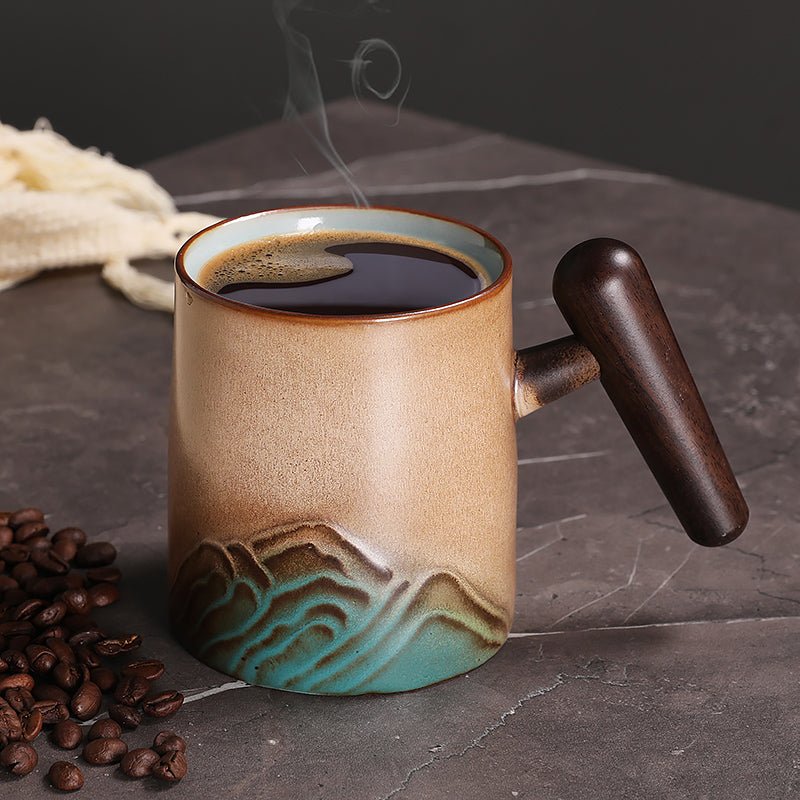
10 oz Coffee Mugs: What Fits, How They Compare, and What to Buy
10 oz coffee mugs are a better fit for smaller pours, tea, and tidy desks than oversized daily mugs. We break down what fits, what to check, and which styles make sense to buy now.
Leer más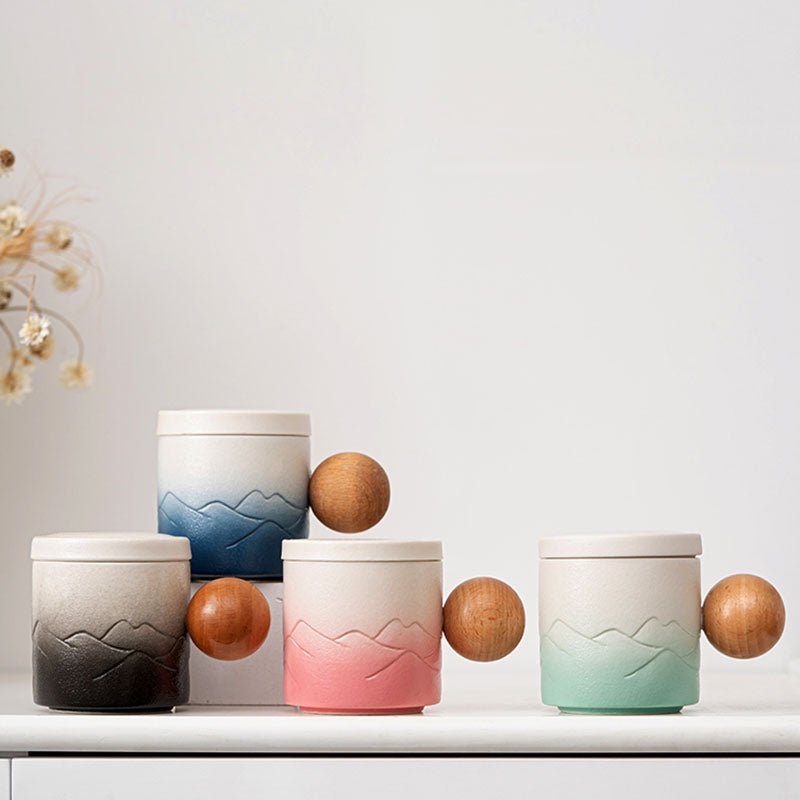
Inspirational Coffee Mugs for Gifts, Desks, and Daily Use
Find inspirational coffee mugs that look thoughtful on a desk and still hold up to daily use. Compare shapes, sizes, care, and which styles fit different buyers.
Leer más
Dejar un comentario
Este sitio está protegido por hCaptcha y se aplican la Política de privacidad de hCaptcha y los Términos del servicio.