
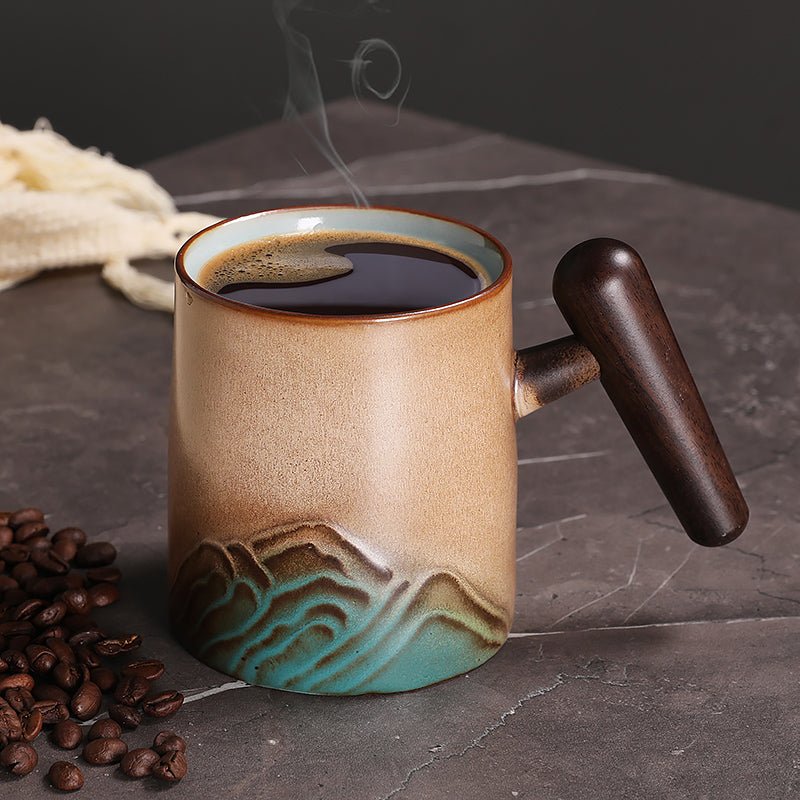
Coffee Mugs Extra Large: What to Check Before You Buy
Reading time: about 9 minutes
A mug that feels fine in the store can feel awkward at 7 a.m. if the handle pinches your fingers, the rim is too wide, or the cup is so tall it bumps the cabinet shelf. That is the real difference with coffee mugs extra large: size alone is not enough.
We handle this category for shoppers who want a mug that can carry a longer pour without constant refills, sit comfortably on a desk, and still survive daily washing. If you are comparing options, start with our full collection and then use the details below to narrow the field. For a deeper look at shape and construction, our guides on Extra Large Coffee Mugs: What to Look for Before You Buy and Extra Large Ceramic Coffee Mugs: What Buyers Should Check cover the same category from different angles.
What size is actually useful for coffee mugs extra large?
Most shoppers use the term for mugs that move beyond a standard 8 to 12 ounce cup and into larger capacities that better suit long pours, milk-heavy drinks, or tea drinkers who do not want constant refills. In practice, the useful range depends on how you drink. A mug that is 14 to 16 ounces can feel large without becoming awkward, while 18 ounces and up starts to matter more for volume than everyday balance.
We see a predictable mistake: buyers focus on capacity and ignore wall thickness, diameter, and handle clearance. A thick-walled mug can hold heat longer, but it also takes up more cabinet space and often feels heavier before it is even filled. A wide mug is easier to stir and add foam, but it can cool faster than a taller, narrower shape.
If you drink black coffee and finish it quickly, a very large mug may be more than you need. If you work at a desk and sip over an hour, the extra capacity can be the whole point. That is why our team treats size as a use-case decision, not just a number on a spec sheet.
Which material is best for daily use?
Material affects weight, heat retention, chip resistance, and how the mug feels in your hand. For most buyers comparing coffee mugs extra large, ceramic is the default starting point, but it is not the only practical choice. Stoneware usually feels sturdier and more substantial. Porcelain tends to be lighter and more refined. Glass gives you visibility, but it is usually the least forgiving in a busy kitchen.
| Material | What it does well | Where it falls short |
|---|---|---|
| Ceramic | Balanced weight, familiar feel, easy daily use | Can chip if knocked against a sink or counter |
| Stoneware | Heavier hand-feel, good heat retention, sturdy presence | Can feel bulky in very large sizes |
| Porcelain | Cleaner look, lighter weight, good for gifting | Can be less forgiving if handled roughly |
| Glass | Lets you see drinks clearly, useful for layered beverages | Shows temperature changes fast and needs careful handling |
For routine kitchen use, we usually steer shoppers toward ceramic or stoneware because those materials handle repeated dishwasher cycles, cabinet stacking, and everyday desk use more predictably than fragile decorative pieces. If your priority is a mug that feels solid and stays put, stoneware is worth a closer look. If you want something a little lighter in the hand, ceramic is often easier to live with.
For buyers comparing large ceramic options specifically, our article on Large Ceramic Coffee Mugs: What Buyers Should Check First is a useful companion read.
What details separate a good mug from a frustrating one?
The problem with oversized mugs is that poor design shows up fast. A handle that looks fine in photos may not fit two fingers comfortably. A rim that is too thick can change the drinking experience. A base that is too narrow can make a full mug feel top-heavy.
Here are the details we check in our store before recommending a mug for daily use:
- Handle clearance: You want enough room for a comfortable grip, especially if you drink while carrying the mug between kitchen and desk.
- Rim shape: A smoother, slightly rounded rim usually feels better than a blunt edge when you sip hot coffee.
- Base width: A wider base helps reduce wobble on a crowded desk or a slightly uneven counter.
- Wall thickness: Thicker walls often hold heat longer, but they also add weight.
- Glaze finish: A consistent glaze matters because rough spots, pinholes, or uneven edges usually show up after a few washes.
These are not cosmetic nitpicks. In real use, they change whether a mug becomes your daily go-to or a cabinet occupant you only reach for on weekends.
One common defect mode with oversized mugs is a handle that is attached too close to the body, which leaves too little room for larger hands. Another is a broad, shallow shape that looks generous but sloshes easily when filled near the top. Chips at the base are also common if the mug is set down hard on stone counters or slid in and out of a packed dishwasher rack.
How do coffee mugs extra large perform in real routines?
We sell for real scenarios, not showroom conditions. A mug has to work on a kitchen counter before sunrise, under a desk lamp during a long meeting, and in a sink full of other dishes at the end of the day. That is where extra large mugs either earn their place or get pushed aside.
Here is how they tend to perform in everyday routines:
- Morning coffee at home: A larger mug means fewer refills, which is useful if you drink slowly or add milk and still want enough coffee left to finish warm.
- Office desk use: Extra capacity works well for long work blocks, but a very wide mug can take up too much space beside a laptop and mouse.
- Gift purchases: Large mugs are popular gifts because they feel substantial, but the best gift mug still needs a comfortable handle and a shape that fits standard cup storage.
- Dishwasher use: Bigger mugs can trap water in the base or around the handle if they sit at an odd angle, so drying space matters more than shoppers expect.
Not every buyer needs a very large mug. If you drink espresso, prefer a compact cup, or have limited cabinet height, an extra large mug may be the wrong fit. It can also be a poor choice for people who like to finish coffee quickly and want it to stay hotter in a smaller vessel.
For shoppers who are still deciding between large and extra large formats, A buyer's guide to large capacity coffee mugs and Big Mugs Coffee: How to Choose the Right Large Mug for Daily Use are useful side-by-side comparisons.
Which style should you choose for your kitchen or desk?
The best style depends on how you store, carry, and wash the mug. A tall, narrow mug is often easier to fit into a cabinet, while a squat, wide mug can feel more stable and easier to stir. A minimalist glazed mug usually reads better in a modern kitchen. A more textured, handmade look can feel better as a gift or as a desk mug that you use every day.
Our experience is that shoppers usually fall into one of three groups:
- Daily drinkers: They should prioritize comfort, balance, and dishwasher-friendly construction.
- Desk users: They should look for a stable base and a handle that stays comfortable after repeated lifting.
- Gift buyers: They usually want a mug with enough presence to feel special, but not so large that it becomes hard to store.
If you want a category overview before choosing a specific shape, the guides Extra Big Coffee Mugs: How to Choose the Right One for Daily Use and Extra Large Coffee Cup Buying Guide for Daily Drinkers are helpful for narrowing the decision.
Big mugs are useful only when the proportions feel right in the hand and on the shelf. Size without balance is just bulk.
How should you care for a large mug so it lasts?
Caring for coffee mugs extra large is mostly about avoiding unnecessary stress. Even durable ceramic mugs last longer if you do not slam them into a sink divider, stack them under heavy dinnerware, or shock them from very hot water to a cold counter.
Basic care that helps most mugs hold up:
- Wash and dry the mug after use so residue does not sit in the rim or handle join.
- Place it on a rack with enough space that the handle is not pressed against another item.
- Avoid dropping metal spoons into the cup from height, since that can chip the glaze inside.
- Check the base and handle regularly for small chips if you use the mug every day.
Some oversized mugs are labeled dishwasher safe, but even then, placement matters. A mug with a broad handle or tall body can shift during the cycle if the rack is crowded. If you prefer low-maintenance care, keep an eye on finish quality and shape before buying. The easiest mug to clean is often the one with the fewest awkward seams and the most practical proportions.
Frequently asked questions
What size is considered coffee mugs extra large?
Shoppers usually mean mugs larger than a standard 8 to 12 ounce cup, often starting around 14 ounces and moving up from there. The useful size depends on how much you drink at once and how long you want the coffee to stay warm. A very large mug is not automatically better if you prefer smaller pours.
Are extra large coffee mugs good for daily use?
Yes, if the mug balances well in the hand and fits your storage space. For desk use or slow sipping at home, extra large mugs can be more convenient than standard cups. They are less ideal if you want a lighter mug or if cabinet height is tight.
Is ceramic or stoneware better for a large mug?
Ceramic is usually a good all-around choice because it balances weight and practicality. Stoneware tends to feel heavier and sturdier, which some buyers prefer for a large mug that stays on the table. If you want a lighter feel, ceramic often wins.
What should I check before buying an oversized coffee mug?
Check the handle size, base width, wall thickness, and rim shape, not just the capacity number. Those details determine comfort, stability, and how the mug feels during a normal day of use. A mug that looks great can still be awkward if the proportions are off.
Do extra large mugs work well for gifts?
They can, especially if the recipient likes long coffee sessions or tea, but only if the mug is easy to hold and store. A very bulky mug may feel impressive at first and then become inconvenient. For gifting, balance presentation with practical size.
Where should you start if you want to buy one?
Start with the mug you will actually use, not the one that looks largest in photos. Compare material, handle comfort, base stability, and how the size fits your cabinet and dishwasher. Then narrow to styles that match your routine, whether that is a kitchen-first mug, a desk mug, or a gift that feels substantial without being awkward.
If you are ready to compare options, browse our products and use the points above as your checklist. That is the fastest way to avoid buying a mug that is big on paper and inconvenient in practice.
Read more
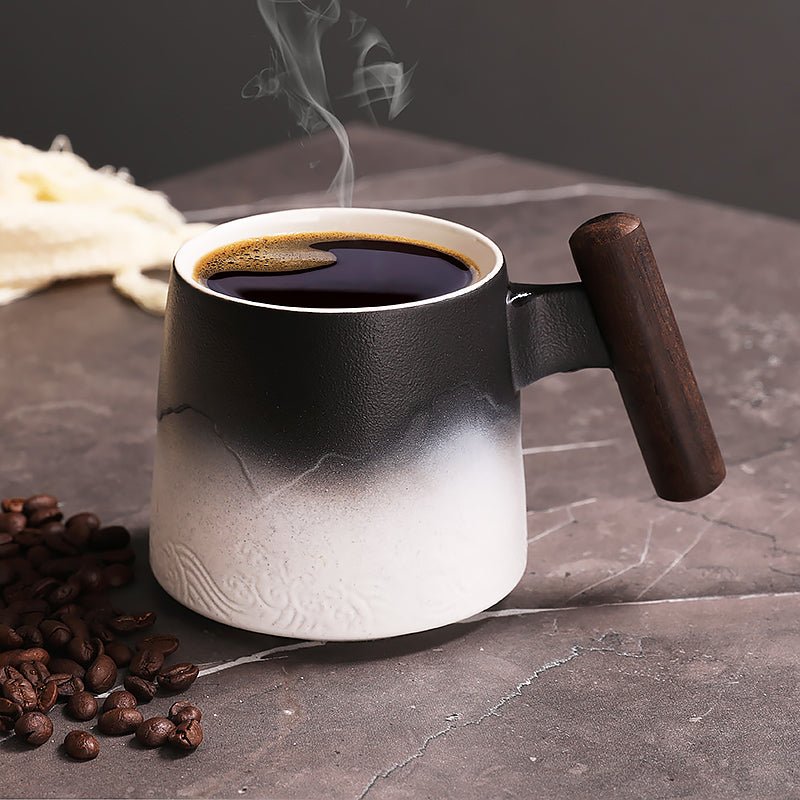
Lotus Coffee: How to Choose the Right Mug Size and Style
Lotus coffee can be served in very different ways, from a short, concentrated pour to a larger milk-forward drink. We break down the mug sizes, materials, and care checks that matter before you buy.
Leer más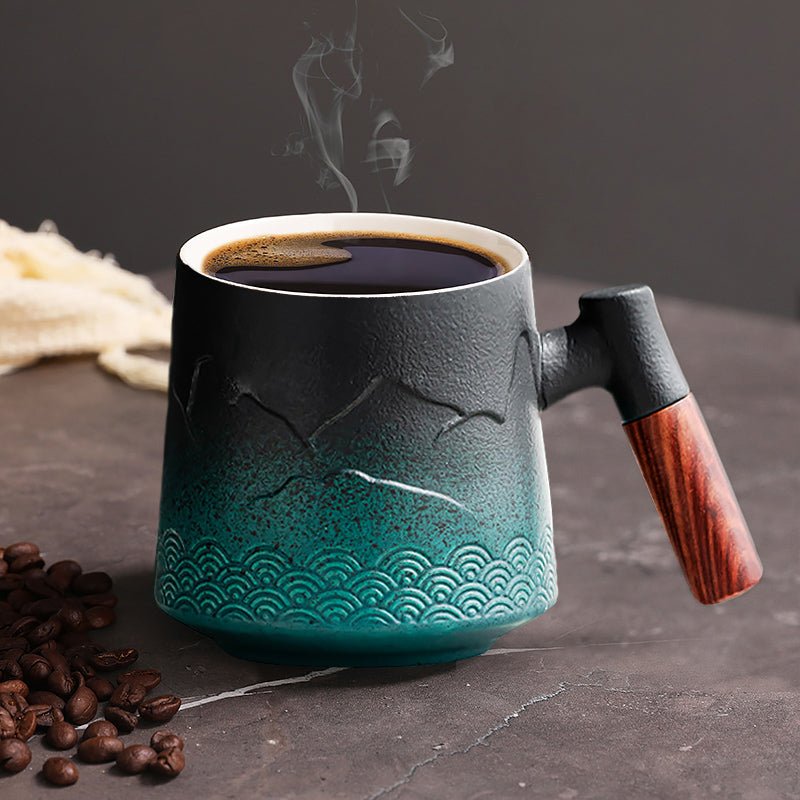
Wooden Mugs: What Buyers Should Check Before Ordering
Wooden mugs can look great on a counter or desk, but the details matter more than the finish. We break down the build, care, size, and trade-offs so you can buy one that actually works day to day.
Leer más
Dejar un comentario
Este sitio está protegido por hCaptcha y se aplican la Política de privacidad de hCaptcha y los Términos del servicio.