
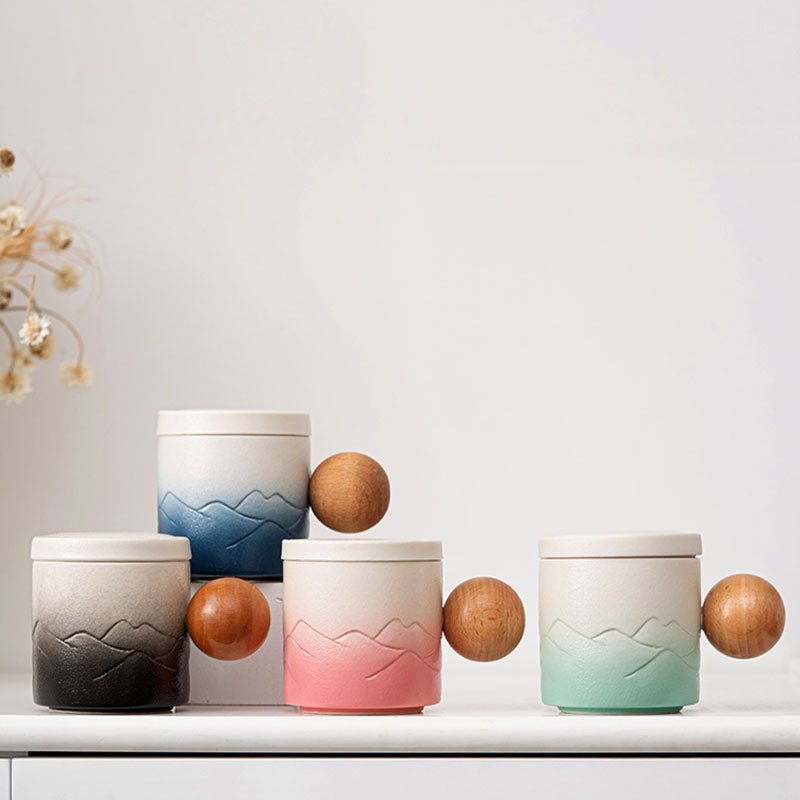
Coffee Mug Storage Ideas for Small Kitchens, Offices, and Gift Sets
Reading time: about 9 minutes
We see the same problem in a lot of kitchens and office corners: mugs pile up next to the machine, handles tangle, and the one cup you actually want ends up buried behind holiday mugs and a chipped travel tumbler. The fix is not one single rack. It is choosing coffee mug storage ideas that match the mug shape, the cabinet depth, and how often you wash and reach for the cup.
What problem are we solving first?
In our store, we think mug storage should answer three questions: how many cups you own, where you reach for them, and whether the mugs are decorative or purely daily use. A heavy stoneware mug is not the same as a light porcelain cup, and a wide-handled mug needs more clearance than a standard diner cup. If you store gift mugs or display pieces, spacing matters as much as capacity.
The wrong setup usually shows up as chipped rims, crooked stacks, or a cabinet you avoid opening because it is too packed. The right setup should make your daily cup easy to grab, dry quickly after washing, and stay clean without constant rearranging.
| Storage option | Best for | Main trade-off |
|---|---|---|
| Under-cabinet hooks | Small kitchens and coffee stations with spare vertical space | Not ideal for oversized mugs or soft cabinet bottoms |
| Open wall shelves | Display mugs and matching sets | Dust and grease collect faster than in closed storage |
| Cabinet shelf risers | Mixed mugs inside a closed cabinet | Can feel cramped if the mugs have tall handles |
| Countertop tray or caddy | Office desks and low-traffic coffee corners | Takes surface space and can look cluttered if overfilled |
| Closed cabinet with dividers | Bulk storage and less-frequent mugs | Less visible, so the best cup is not instantly on display |
For most homes, the best answer is a mix: keep the everyday mugs closest to the machine, move the extras to a closed cabinet, and reserve open storage for the cups you actually want to see.
Which coffee mug storage ideas work best in a small kitchen?
Small kitchens need storage that earns its footprint. If the mugs are used every morning, the fastest win is usually one of these four options:
- Under-cabinet hook rails. These free up shelf space and keep mugs near the coffee maker. They work best when the cabinet underside is solid enough for hardware and the mugs are not too tall to hang without knocking the backsplash or countertop.
- Open shelf with a single row. This keeps the front of the kitchen visually lighter than a stacked cabinet. It is a better fit for matching mugs than for a random mix of sizes, because uneven handles make the shelf look busy fast.
- Cabinet shelf risers. A riser or stepped organizer lets you see the second row without stacking cups directly on top of each other. We prefer metal or bamboo here over thin particleboard, which can sag if the row is heavy.
- Narrow tray near the machine. This is the simplest solution for two or three daily mugs. It is not glamorous, but it keeps drips off the counter and stops the coffee zone from spreading across the whole kitchen.
Measure the tallest mug in your set, not the shortest. That one detail matters more than any product photo. A mug that looks compact in a listing can still be too tall for a shelf once the handle and stack clearance are included. For decorative cups such as our Pleated Coffee Tea Cup or Golden Waves Kio Coffee Tea Mug, leaving a little breathing room helps protect the rim and keeps the piece from feeling crowded.
If you want more layout options for tight spaces, our article on Coffee Mug Storage Ideas for Small Kitchens, Offices, and Gifted Sets goes deeper into what works when the coffee corner shares space with real cooking.
How do you store mugs in an office without making the desk look messy?
Office mug storage has a different job. It is not just about fitting cups. It is about keeping the desk from turning into a catch-all for pens, tea bags, and half-finished notes. In an office, the cleanest setup is usually closed storage for backups and one small, visible zone for the two or three mugs that get used daily.
These setups work well in practice:
- A shallow tray. Good for one person or a very small team. It keeps a mug, spoon, and tea sachets together without spreading across the desk.
- A shared cabinet shelf. Better for workspaces where cups need to stay out of the way. Labeling is useful here if people bring in their own mugs.
- A wall rail away from electronics. Helpful if the office has a dedicated coffee station, but not ideal right above a keyboard or paper stack.
We usually do not recommend open office mug displays for everyone. They collect dust and make it too easy for mismatched mugs to accumulate. If the room is small or shared, closed storage is usually the safer choice. Open display makes more sense when the mugs are part of the room design, not just utility objects.
That is also why gift mugs deserve a little care before they are handed over. A neat shelf or box presentation feels better than a mug sitting loose in a crowded cabinet. If you are buying with that in mind, our all collection is a useful place to compare shapes before you decide how the mug should be stored or displayed.
What should you look for in a mug rack or shelf before buying?
Good mug storage is mostly about fit and finish. The best-looking rack fails if the hooks are too close together or the shelf flexes under weight. Here is what we check first:
- Material. Stainless steel and powder-coated steel hold up well in humid kitchens. Bamboo and wood can look warmer, but they need a drier spot and occasional wiping. Thin painted wire can scratch glaze if the hooks have rough welds.
- Mounting. Wall anchors or proper screws matter more than a clever design. Adhesive hooks are fine for very light cups, but they are not the place to gamble with stoneware or a full row of mugs.
- Clearance. Tall handles need room to swing out. If the mug has a broad handle or a rounded shoulder, too-tight spacing turns every grab into a small collision.
- Cleaning. Open racks collect grease and dust faster than closed cabinets. If your kitchen sits near a stove, choose a finish that wipes clean easily and does not show fingerprints immediately.
- Load shape. Even a sturdy shelf can fail visually if all the weight sits at the front edge. That is how you get a sagging shelf or cups that tilt toward the backsplash.
The common defect modes are predictable: hooks set too close together, shelves that are too shallow for the mug body, and cabinets where handles face every direction. Those problems do not just look messy. They create rim chips and make it annoying to put cups away after washing. If you want a deeper comparison of materials and fit, our Coffee Mug Rack Guide: Materials, Fit, and Storage Choices and Coffee Mug Shelf Display Ideas for Kitchens That Stay Clear cover the trade-offs we see most often.
Which mugs should stay on display, and which should be hidden away?
Not every mug deserves the same storage. Some cups are workhorses. Others are better as display pieces or gift-ready items. In our experience, the mugs that get used every day should be the easiest ones to reach, while the more decorative pieces should get the cleaner, more deliberate placement.
Pieces such as The Flow Coffee Tea Mug fit better on an open shelf or a neat display rail than in a deep cabinet where they disappear behind bigger cups. The same is true for other mugs you picked for shape or finish first and utility second. Those should have space around them, because crowding makes them look cheaper and raises the chance of scratches.
That said, open display is not the best answer for every home. It is a poor fit if your kitchen gets greasy from frequent cooking, if you live with a lot of dust, or if you own mostly oversized mugs that do not stack neatly. In those cases, hidden storage with one or two front-row display pieces is the cleaner choice.
If you are comparing options before buying, start with the mug style itself. Then decide whether it belongs in a closed cabinet, on a hook rail, or on display. Our store usually recommends this order because the storage should match the mug, not force the mug to fit the storage.
Frequently asked questions
How many mugs should a rack hold?
It depends on how often you actually use the mugs. A small rack with room for four to six cups is usually easier to live with than a bigger system that looks full on day one. If you only use two or three mugs daily, keep the rest in a cabinet instead of hanging everything at once.
Are under-cabinet mug racks safe for heavy ceramic mugs?
They can be, but only if the hardware is installed correctly and the rack is built for the load. Heavy stoneware or thick ceramic mugs put more stress on the mounting points than lightweight cups. If the cabinet bottom is thin or the hooks are flimsy, choose a shelf or closed cabinet instead.
Should coffee mugs be stored upside down?
Only if the mug is fully dry and the surface underneath is clean. Upside-down storage can keep dust out, but it can also trap moisture if the mug goes away still damp. For decorative mugs with painted details or metallic trim, follow the care label first and avoid any storage method that rubs the finish.
How do I keep mugs from chipping on shelves?
Leave room between the mugs, use a shelf that does not flex, and keep handles facing the same direction. Chips usually happen when cups bump during lifting or when a crowded row forces you to twist a mug out sideways. A shelf liner can help, but it will not fix poor spacing.
What is the best storage for gift mugs?
A clean closed cabinet or a shallow display shelf works best. Gift mugs look better when they have a little space around them, and that also keeps the presentation intact until the mug is ready to be handed over. If the gift includes a delicate finish, avoid stacking it under heavier cups.
If you want a simple next step, compare your mugs by two things: handle clearance and how often you wash them. Then choose either a closed cabinet for bulk storage or a display shelf for the mugs you actually want to see every day. If you are still choosing the mug itself, start with our all collection and pick the pieces that match the storage you already have.
Read more
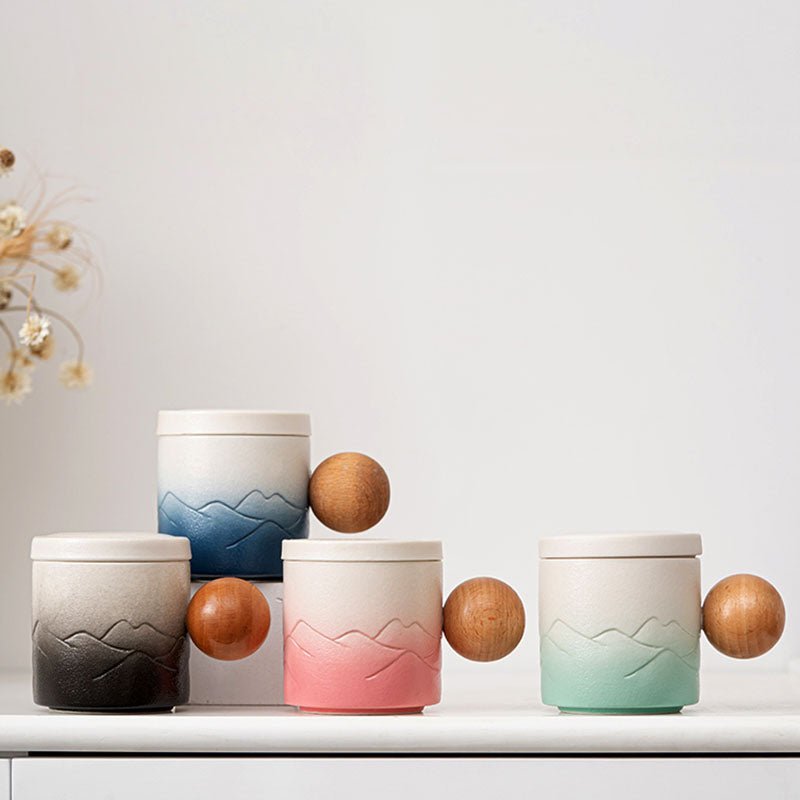
Metal Coffee Mugs: How to Choose the Right One for Daily Use
Metal coffee mugs feel simple until the rim, handle, and finish start showing real use. We compare the trade-offs we see in our store so you can choose a mug that fits the desk, kitchen, or gift or...
Leer más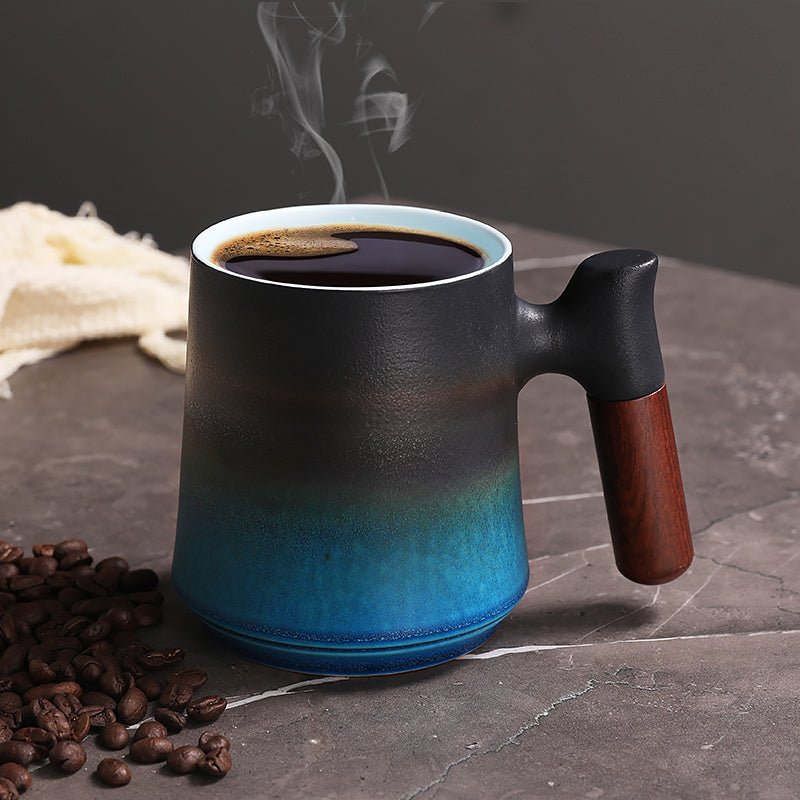
Chicken Coffee Mug Buying Guide: Size, Style, and Care
A chicken coffee mug should feel comfortable, hold the right amount of coffee, and survive everyday use without losing its charm. Here’s how we compare sizes, finishes, and giftability before you buy.
Leer más
Dejar un comentario
Este sitio está protegido por hCaptcha y se aplican la Política de privacidad de hCaptcha y los Términos del servicio.