
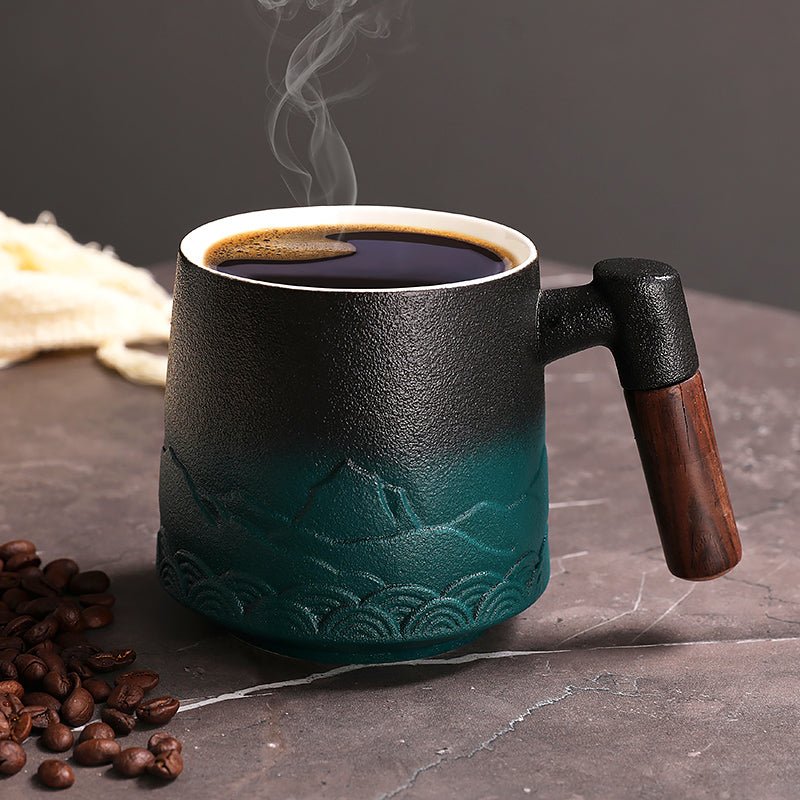
Coffee Mug Is How Many Ounces? Real Sizes and Buyer Tips
Reading time: about 9 minutes
The cup on your desk looks big until you pour a full morning brew into it and realize it is not as generous as you expected. We see this all the time in our store: shoppers want a simple ounce answer, but the real decision is about usable volume, handle comfort, heat retention, and how the mug fits their routine.
If you are trying to compare options before buying, the short answer is that a coffee mug is often sold in the 8 to 12 ounce range, with larger mugs landing around 14 to 16 ounces or more. That said, the number on the listing is only part of the story. A wide mug can feel smaller, a tall mug can sip slower, and a thick-walled mug can hold heat differently than a thin one.
How many ounces is a coffee mug in real use?
In practice, most buyers think in terms of how much coffee they can drink without refilling, not the exact number stamped on a product page. A standard everyday mug is commonly around 11 or 12 ounces. Smaller mugs can be better for strong drip coffee, cortados, or tea. Larger mugs are better if you want room for milk, foam, or a second pour.
One detail that gets missed: the advertised capacity is often measured to the rim. You usually do not drink that far up the lip. If a mug is labeled 12 ounces, the comfortable pour may feel closer to 10 or 11 ounces once you leave space to avoid spills at the counter, in the office, or while walking from the machine to your table.
| Common mug size | Best for | Trade-off |
|---|---|---|
| 8 oz | Small drip coffee, tea, espresso-based drinks | Runs out quickly if you like a larger morning pour |
| 10 to 12 oz | Most everyday coffee drinkers | May feel small for lattes with milk or whipped toppings |
| 14 to 16 oz | Large coffee, cocoa, iced drinks, extra room for milk | Can be bulky, heavier, and harder to store on crowded shelves |
| 18 oz and up | Oversized desk mugs, big tea servings | Not ideal for casual sipping or small espresso drinks |
That table reflects what we see most often when shoppers compare mugs on a kitchen counter: the right size is not the biggest one, it is the one that matches the drink and the way you actually hold it.
What mug size works best for your coffee routine?
The best ounce size depends on what you pour into it and where you use it. We usually narrow it down with a few real-life scenarios instead of guessing from the shelf label.
- For black coffee: 8 to 10 ounces is often enough if you drink it hot and finish it quickly.
- For milk-heavy drinks: 12 to 16 ounces gives more room for espresso, milk, and foam without crowding the top.
- For the office desk: 12 to 14 ounces tends to be the sweet spot because it balances refill frequency and desk stability.
- For tea: 10 to 14 ounces works well, especially if you want a mug that does not overheat too fast.
- For big weekend pours: 16 ounces or more makes sense, but it is not the best choice if you prefer a lighter cup in the hand.
There is also a practical side to the size choice. Bigger mugs take up more cabinet space, fit less easily under low coffee machines, and can feel awkward in smaller hands. Smaller mugs are easier to store and quicker to finish, but they are not the right pick if you hate refilling during a long work session.
Which mug styles in our store fit different sizes best?
In our store, we pay close attention to how a mug feels in the hand, not just the number on the listing. The Cloud Coffee Tea Mug Wooden Handle is a good example of a style that can feel lighter and easier to carry from counter to table. A wooden handle also changes the grip experience, which matters if you prefer a mug that stays comfortable when the drink is hot.
The Rock Coffee Tea Mug speaks to another buyer type: people who like a more grounded, substantial mug that feels steady on a desk or breakfast table. Heavier-feeling mugs can be nice for slow sipping, but they are not the best choice if you want something to lift with one hand between meetings.
The Morning Night Coffee Tea Mug is the kind of piece shoppers often pick when they want something practical enough for daily use but still a bit more personal than a plain diner mug. If you like having a cup that fits your routine at different times of day, that style can make size choice feel less generic and more intentional.
For broader browsing, the full collection is the fastest place to compare shapes, handle styles, and capacities in one place. If you want to go deeper on sizing, these two guides are useful companions: How Many Ounces Is a Coffee Mug? Real Sizes and Buyer Tips and How Many Ounces in a Coffee Mug? Real Sizes and Buying Tips.
Why do two mugs with the same ounce size feel different?
Two mugs can both be labeled 12 ounces and still feel very different on the counter. Shape changes the experience. A tall, narrow mug usually keeps heat a bit better because there is less surface area exposed to air. A wide, shallow mug cools faster, which can be good if you like to drink immediately, but not if you are the type to leave coffee sitting while you answer emails.
Material matters too. Ceramic and stoneware are common for home mugs because they feel stable and hold warmth reasonably well. Thicker walls usually make the mug feel sturdier, but they also add weight. A thinner mug is lighter and often more comfortable for a quick cup, though it may lose heat sooner. That is why a smaller mug is not automatically worse, and a bigger mug is not automatically better.
We also look for a few quality details when we handle mugs before listing them:
- A handle that leaves enough finger room without squeezing your knuckles.
- A rim that feels smooth, not sharp, when you sip.
- A base that sits flat so the mug does not wobble on a glass table or desk.
- Glaze that looks even, because pinholes or rough spots can be a sign of rushed finishing.
Those are small things, but they are the things customers notice after the first week of use.
What mistakes make shoppers choose the wrong mug size?
The biggest mistake is treating the printed ounce number like the whole answer. A second mistake is buying for the photo instead of the drink. A large mug may look ideal online, but if you mostly drink an 8-ounce pour, it can feel oversized and awkward. The reverse happens too: a smaller mug can look elegant, then disappoint anyone who wants a long coffee session without refills.
Another common miss is forgetting about care and daily use. If a mug has a wooden handle or mixed-material construction, check how you plan to wash it. Hand washing is usually the safer routine for wood accents, and it helps the finish last longer. We would not suggest that style if your main goal is to stack a few mugs in the dishwasher and forget them until next morning.
Also watch for these practical limitations:
- Microwave use: mugs with wood parts are usually not the best match for microwave heating.
- Cabinet height: tall mugs can block under-shelf space and make stacking harder.
- Drink temperature: bigger mugs expose more surface area, so hot coffee can cool faster.
- Spill control: a brim-full mug is harder to carry safely from kitchen to couch or office desk.
Those trade-offs do not mean a mug is bad. They just mean it is best for a specific use, not every use.
How do I compare mugs before I buy one?
We recommend a simple comparison method. It takes less than a minute and usually prevents disappointment.
- Check the capacity. Look for usable ounces, not just the largest number in the listing.
- Match the drink. Think about black coffee, milk drinks, tea, or cocoa.
- Check the handle and rim. Comfort matters after the first sip, especially on workdays.
- Think about care. If you want low-effort cleanup, favor simpler all-ceramic styles.
- Consider storage. Make sure the mug fits your shelf, machine clearance, and dishwasher layout.
If you are shopping for a gift, aim a little more conservatively. A 10 to 12 ounce mug is usually safer than an oversized one because it works for more people. If the mug is for a specific coffee drinker, size it to their habit instead of your own. That is where a lot of gift buyers go wrong.
Frequently asked questions
How many ounces is a regular coffee mug?
A regular coffee mug is commonly around 11 to 12 ounces, though many home mugs fall anywhere from 8 to 16 ounces. The exact number depends on the mug shape and how the brand measures capacity. We usually treat 10 to 12 ounces as the most practical everyday range.
Is a 12 oz mug good for lattes?
Yes, a 12 oz mug is a solid choice for smaller lattes and cappuccino-style drinks. If you like extra milk or a lot of foam, a 14 to 16 oz mug gives you more room and reduces spill risk. For compact espresso drinks, 12 ounces may actually be more mug than you need.
Why does my mug hold less than the number on the label?
Most capacity numbers are measured to the rim, not to the safe fill level. In real use, you usually leave space at the top so the coffee does not slosh out while carrying it. That is why a mug can be sold as 12 ounces and still feel closer to 10 or 11 ounces in daily use.
What size coffee mug is best for the office?
For a desk, 12 to 14 ounces is often the best balance. It is large enough to reduce refill trips, but not so oversized that it dominates your workspace or gets heavy when full. If you mostly drink tea or black coffee, 10 to 12 ounces is usually enough.
Are wooden-handle mugs hard to care for?
They are not difficult, but they do need a little more attention than plain ceramic mugs. We recommend hand washing around the handle area and drying it promptly so the wood finish stays in better shape. If you want a mug that can live in the dishwasher every day, a simpler all-ceramic style is the safer pick.
If you are still deciding, use one last check: choose the mug size that matches your actual pour, your wash routine, and the amount of space you have on the counter. Then compare the styles in our collection and pick the one that fits the way you really drink coffee, not the way it looks in a product photo.
More from our blog
Read more
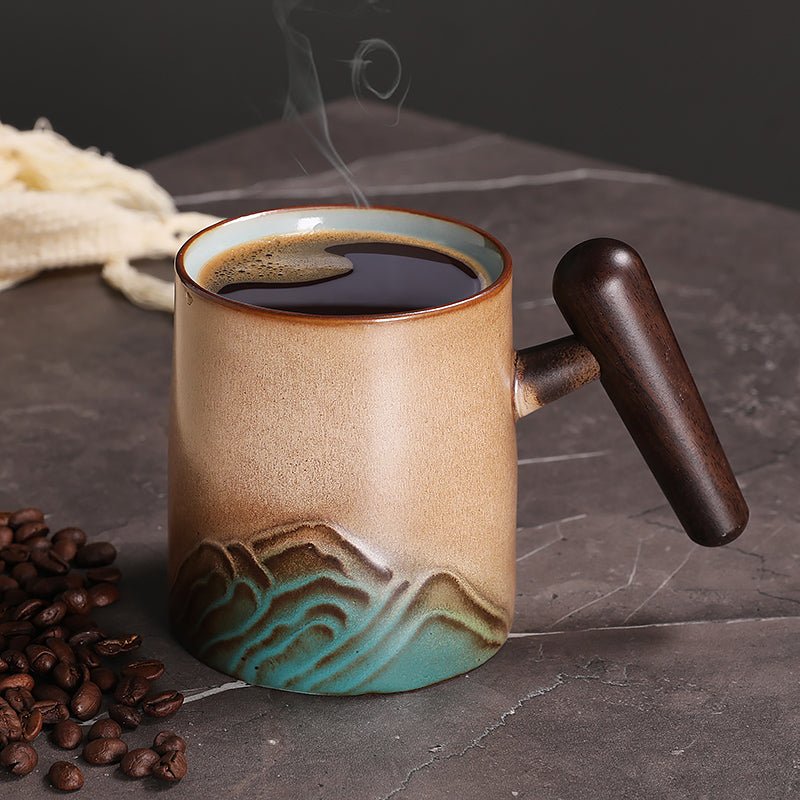
m&m coffee mugs: how to choose the right everyday mug
A practical guide to m&m coffee mugs for shoppers comparing shape, size, handle comfort, and everyday use. We cover what to buy for home, desk, and gifting, plus where these mugs fit best in a ...
Leer más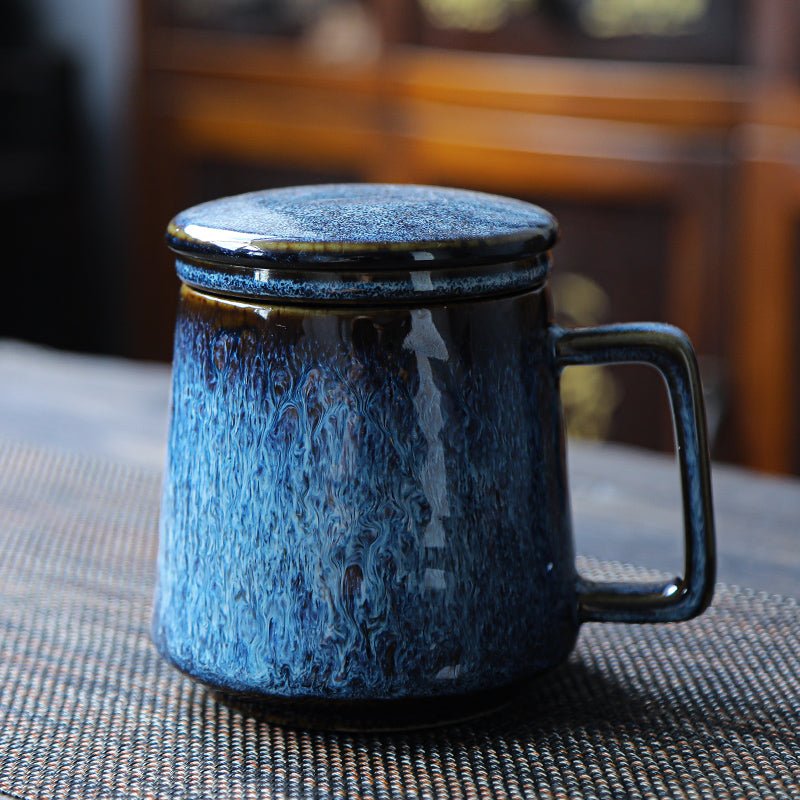
Nascar Coffee Mug Buying Guide: What to Check Before You Buy
A practical guide to choosing a nascar coffee mug that actually fits your routine, gift plan, and cabinet space. We cover size, handle comfort, materials, and what works better for desks, kitchens,...
Leer más
Dejar un comentario
Este sitio está protegido por hCaptcha y se aplican la Política de privacidad de hCaptcha y los Términos del servicio.