
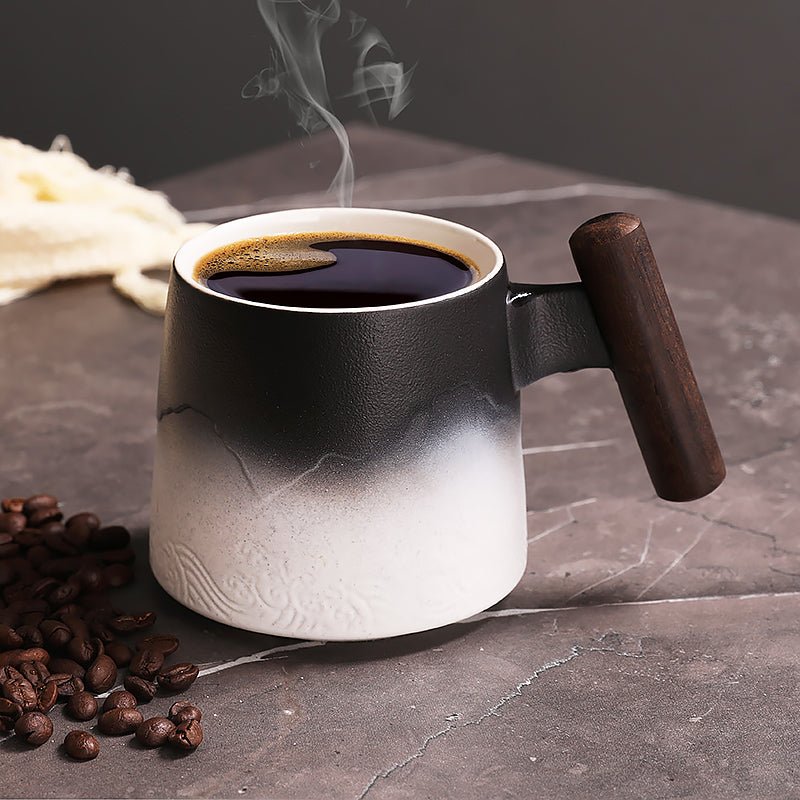
Coffee Mug Cakes: Best Mug Size, Materials, and Baking Tips
Reading time: about 8 minutes
A mug cake looks easy until the batter climbs over the rim and the microwave turns the whole thing into a sticky mess. We see that mistake a lot: the recipe is fine, but the mug is too small, too narrow, or not made for even heating.
For coffee mug cakes, the mug matters as much as the recipe. In our store, we pay attention to shape, capacity, material, and finish because those are the details that decide whether the cake rises cleanly or bakes unevenly. If you want a mug that handles dessert duty as well as coffee, our products page is the best place to compare options, and our size guides like 10 oz Coffee Mug: Size, Fit, and What to Check Before You Buy are useful when you are trying to judge headroom, not just capacity.
What mug size works best for coffee mug cakes?
The safest everyday range is usually a mug around 10 to 12 oz for a single mug cake. That size leaves enough room for batter expansion, especially for recipes that use baking powder and rise quickly in the microwave. A smaller 8 oz mug can work for a very modest portion, but it leaves less margin for error and is easier to overflow.
We usually steer shoppers toward a mug that is deeper than it is wide, but not so narrow that stirring becomes awkward. A mug with a wider opening helps you mix the batter directly in the cup, scrape the bottom properly, and check the texture before microwaving. For bigger servings, a 16 oz mug can be fine, but it may spread the batter too thin if the recipe was designed for a standard cup. If you are comparing larger options, our 16 Ounce Coffee Mug Buyer’s Guide: Size, Material, and Fit is helpful for checking whether the extra space is actually useful for your kitchen routine.
- 8 oz: compact, but tight for most mug cake recipes.
- 10 oz: a practical sweet spot for single-serving desserts.
- 12 oz: gives more headroom for batter rise and toppings.
- 16 oz: works for larger portions, but can feel oversized for a standard mug cake.
Which mug materials bake best in the microwave?
For mug cakes, ceramic is still the most forgiving material in our experience. It heats predictably, holds its shape well, and usually gives you enough thermal mass to help the batter cook more evenly than a thin, lightweight cup. Stoneware can also work well, especially if it has a smooth interior glaze and no hairline cracks.
Glass mugs can be used if they are clearly microwave-safe, but they tend to show hot spots more easily, and some people find them less comfortable to handle when the cake is done. Porcelain is another good option if it is not overly thin. What we do not recommend is using any mug with metallic trim, foil decoration, or a visibly chipped glaze. Those details are not just cosmetic. They can create heating issues or make cleanup harder after the batter bubbles over.
Our practical rule: if the mug feels flimsy in your hand, it is usually not the best choice for coffee mug cakes.
What mug shape helps a mug cake rise without overflowing?
Shape changes the result more than most shoppers expect. A straight-sided mug is usually easier to work with than one that flares sharply at the top because it supports the cake as it rises and gives a more even wall for the batter to climb. A very tapered mug can make the cake bake unevenly, with the center undercooked and the edges overdone.
Handle size also matters. If you are mixing batter directly in the mug, a small handle can make the cup awkward to steady while you stir in cocoa, flour, sugar, oil, and milk. That sounds minor until you are holding a hot mug over the sink after a microwave cycle and trying not to spill half-baked batter onto the counter. A comfortable handle is not a luxury here. It is part of making the process less frustrating.
If you want a mug that can do double duty for coffee and dessert, check how the interior tapers. Mugs with a smoother, wider mouth are easier to use for mug cakes than decorative shapes that are pretty on a shelf but awkward when you are scraping batter from the bottom.
How do you keep coffee mug cakes from turning rubbery?
Rubbery mug cakes usually come from overcooking, not from the recipe alone. Microwaves vary more than ovens, so the same batter can go from soft to spongy in a matter of seconds. We tell customers to start with a shorter cook time, then add time in small increments if the center still looks wet. The cake should look set around the edges and slightly moist in the middle when you stop.
Three small checks help more than most people expect:
- Use a mug with enough empty space above the batter so it can rise without sealing against the rim.
- Mix just until the dry ingredients disappear. Overmixing makes the crumb tougher.
- Let the mug rest for a minute after microwaving so the center finishes setting before you dig in.
We also suggest staying away from oversized mugs for very small mug cake recipes. A batter that is spread too thin can dry out before the center finishes cooking. That is one reason a 10 oz mug often performs better than a large novelty mug for dessert use. If you are comparing a few sizes for everyday use, our 20 oz Coffee Mug: What to Check Before You Buy can help you decide whether a bigger cup is truly useful or just extra volume you will not need.
What should you check before buying a mug for dessert use?
We look at mug cakes the same way we look at coffee use: the details matter. A good dessert mug should be easy to hold, microwave-safe, and simple to clean after a sticky cocoa batter. Dishwasher-safe is helpful, but it is not enough by itself. A thick glaze, a stable base, and a comfortable handle all matter once the mug has been heated and needs to be carried across the kitchen.
| Feature | Why it matters for mug cakes | What to avoid |
|---|---|---|
| Capacity | Leaves room for the batter to rise | Mugs that are too small for the recipe |
| Material | Helps heat evenly in the microwave | Metal trim or unknown decorative finishes |
| Interior shape | Makes stirring and scraping easier | Sharp tapering or very narrow mouths |
| Finish | Helps with cleanup after sugary batter | Cracked glaze or rough interior surfaces |
One more practical point: a mug that is perfect for coffee is not always the best mug for dessert. Tall, narrow travel-style shapes and very small espresso-style cups are poor choices for coffee mug cakes. They leave too little room for rise and make cleanup annoying. If your goal is a mug you will use for both coffee and quick desserts, browse our collection and compare the capacity and shape against your actual recipe, not just the photo.
What mistakes do we see most often with coffee mug cakes?
The same few problems come up again and again in our experience handling mug-sized drinkware and listening to customers describe what went wrong in the kitchen:
- Using a mug that is too small: batter spills over and hardens on the rim.
- Choosing a thin novelty mug: the cake cooks unevenly and the mug can get uncomfortably hot.
- Ignoring the interior shape: a tapered cup is harder to stir and harder to clean.
- Microwaving too long: the dessert turns dry or rubbery fast.
- Using chipped or cracked mugs: they are harder to clean and less reliable for heating.
We also see people assume that any decorative mug will perform the same way. It will not. A mug can look great on a shelf or as a gift unboxing, but still be awkward for baking if the opening is too narrow or the handle sits too close to the body. That is why we think it helps to buy with a real kitchen use case in mind, not just style.
Frequently asked questions
What size mug is best for coffee mug cakes?
A 10 to 12 oz mug is the most practical choice for a single mug cake. It usually gives enough room for the batter to rise without spilling over, while still keeping the portion small and quick. Smaller mugs can work, but they leave less room for error.
Can you use any ceramic mug for a mug cake?
Not always. The mug should be microwave-safe, with no metallic trim and no visible cracks or chips. A smooth ceramic or stoneware mug with a stable base is usually the safest and easiest to use.
Why does my mug cake come out rubbery?
The most common cause is overcooking. Microwaves heat unevenly, so even 10 to 15 extra seconds can make a big difference. Start with less time, then add short bursts until the center is just set.
Is a 16 oz mug too big for a mug cake?
Not necessarily, but it can be larger than you need for a standard single-serving recipe. If the batter spreads too thin, the edges may dry out before the center finishes cooking. A 16 oz mug works better for larger portions or recipes with more batter.
Can I mix the mug cake batter directly in the mug?
Yes, and that is one of the reasons people like them. A mug with a wider mouth and straight sides is easier to stir in, especially if you are mixing flour, cocoa, sugar, milk, oil, and baking powder without a separate bowl. Just leave enough room at the top so the batter can rise.
If you want a mug that can handle coffee in the morning and dessert at night, use the checklist above and compare sizes before you buy. Start with a mug that gives you headroom, a microwave-safe material, and a shape that is easy to stir in. From there, check our products page and choose the mug that fits the way you actually cook, not just the way it looks on a shelf.
More from our blog
Read more
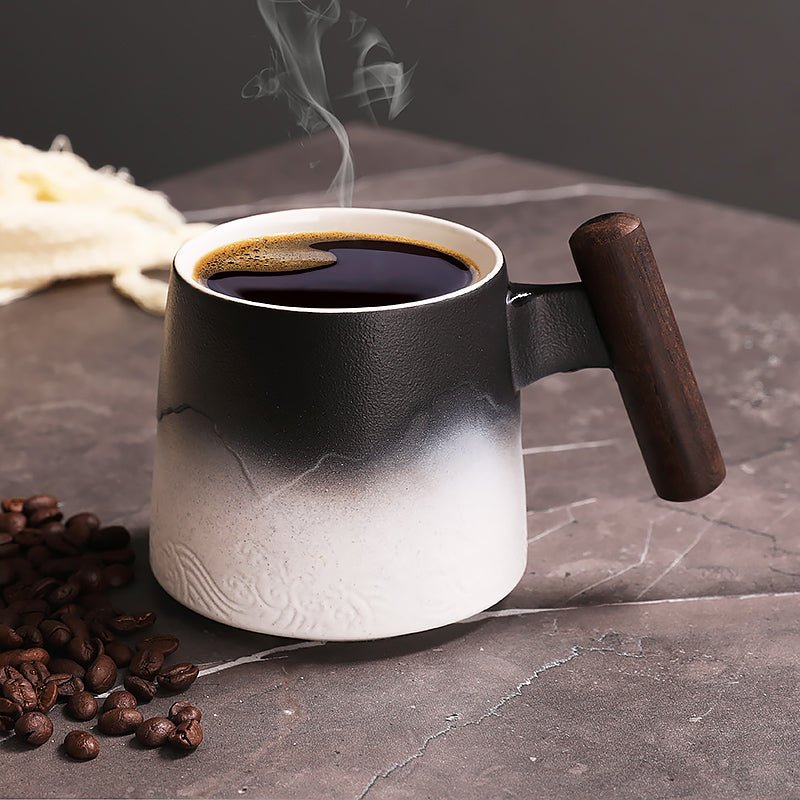
Best Coffee Portable Mug: What to Compare Before You Buy
A practical buyer’s guide to choosing the best coffee portable mug for commuting, desk use, and everyday carry. We cover size, lid style, insulation, cleaning, and the trade-offs that matter before...
Leer más
Starbucks Coffee Mug Collection: How to Choose the Right One
Compare Starbucks coffee mug collection options by size, material, care, and daily use. We cover what works on a desk, what lasts in the dishwasher, and what to check before you order.
Leer más
Dejar un comentario
Este sitio está protegido por hCaptcha y se aplican la Política de privacidad de hCaptcha y los Términos del servicio.