
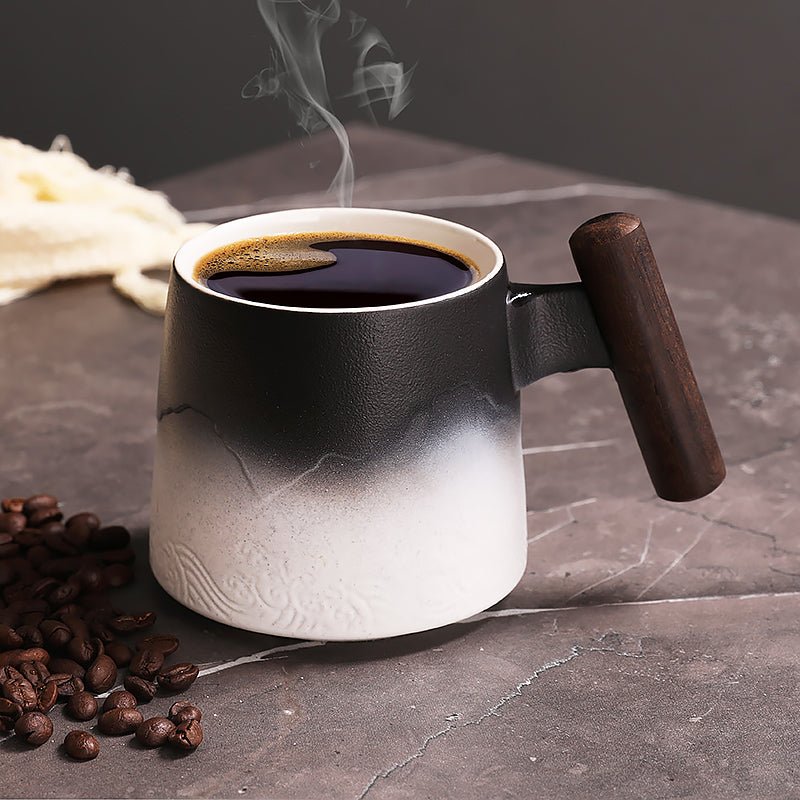
Best Camping Coffee Mug: What to Buy for Heat, Weight, and Packability
Reading time: about 8 minutes
At camp, the wrong mug shows its flaws fast. A thin cup gets hot at the rim, a heavy one sinks to the bottom of a tote, and a handle that feels fine at home can be awkward with cold fingers or gloves on.
We see that same problem in our store all the time: shoppers want the best camping coffee mug, but they are usually weighing three different priorities at once. They want something that feels good in the hand, survives real packing, and does not make coffee taste like the cup itself.
What actually matters in a camping coffee mug?
The best camping coffee mug is the one that matches how you drink coffee outdoors. If you sip slowly by a fire, a sturdy mug with a comfortable handle may be the right call. If you pack light and move camp often, weight and durability matter more than shelf appeal.
In our experience, the buyers who are happiest long term usually check the same four things before they buy:
- Heat behavior: Does the mug keep coffee warm long enough for your morning pace, or does it cool too quickly?
- Handle comfort: Is there enough clearance for two or three fingers, and does the handle stay comfortable when the mug is full?
- Packability: Will it fit inside a camp bin, RV cabinet, or daypack side pocket without getting knocked around?
- Wear points: Does the rim chip easily, does the glaze look thin near the handle, and will the print hold up after repeated washing?
That last point matters more than most shoppers expect. The common failure modes we see in everyday mug use are rim chips, hairline cracks near the handle join, and graphics that fade faster than the rest of the mug. None of those are dramatic on day one. They show up after a few hard cycles in a sink, dishwasher, or packed gear box.
Which mug style fits your kind of camping?
Not every camping setup needs the same mug. A base camp mug and a backpacking mug are not solving the same problem, even if both hold coffee.
| Style | Best for | Main trade-off |
|---|---|---|
| Ceramic-style mug | Cabin stays, RV counters, picnic tables, and slow mornings | Can chip if it gets tossed into hard gear or knocked against a sink |
| Travel mug | Driving, walking, and mornings when heat retention matters more than feel | Usually bulkier and less relaxed to drink from than a plain mug |
| Classic printed mug | Gift buyers and shoppers who want something that looks good on a camp table | More about everyday comfort and presentation than rugged field use |
If you want a mug that still feels at home on a campsite table, our Landscape Coffee Tea Mug, The Gradient Coffee Tea Mug, and Retro Coffee Tea Cup are all strong starting points. They are the kind of mugs that make sense for base-camp coffee, cabin mornings, and gift buying, but they are not the right answer if you need a cup that can bounce around in an overloaded hiking pack all day.
To compare the full range we carry in one place, browse our full collection.
What size should you buy if you want a mug that feels right?
Size sounds simple until you actually live with the mug. A smaller mug cools faster, but it fits under compact brewers and feels easier to hold with one hand. A larger mug gives you more room for milk, cream, or a long pour, but it takes more space in a camp box and can feel clumsy if the handle is small.
Most shoppers land somewhere in the 10 to 12 oz range for daily use. If you are deciding between sizes, our 10 oz Coffee Mug: Size, Fit, and What to Check Before You Buy and 11 oz Coffee Mug: Size, Fit, and What to Check Before You Buy cover the fit questions we hear most from buyers trying to choose a mug that works at home and on the road.
A useful rule: smaller is better if your coffee routine is quick and simple, while a slightly larger mug is better if you tend to linger, refill, or drink with milk. If you are buying for someone else, size also affects hand feel. A mug that looks perfect online can feel too tall, too narrow, or too light once it is actually in use.
How do you judge durability before you buy?
Durability is not just about whether a mug survives shipping. It is about how it holds up after real life: dishwasher cycles, sink bumps, stack pressure, and being packed next to metal gear.
We look at the same details every time we evaluate a mug for our store and for customers who want something practical:
- Rim thickness: A very thin rim can feel refined, but it usually shows chips sooner.
- Handle join: This is where stress cracks often begin if the mug is handled roughly or stacked badly.
- Base stability: A mug should sit flat on a picnic table, camp counter, or desk without wobbling.
- Finish quality: A smooth glaze is easier to wipe clean and less likely to trap coffee stains.
- Graphic wear: If the mug has print, repeated washing can dull the artwork even when the mug itself is still fine.
If you want a deeper breakdown of the trade-offs between heat, weight, and durability, read our Camping Coffee Mug: What to Buy for Heat, Weight, and Durability. It is the most useful next step if you are deciding between a mug that looks good and one that can take more abuse.
One more practical note: if a mug is meant to travel with you, a wide handle and a stable base matter more than decorative detail. Pretty mugs are nice. Mugs that do not tip over on a slanted camp table are better.
How do you care for a camping mug so it lasts?
Good care is not complicated, but it does matter. The mugs that last the longest are usually the ones that are washed, dried, and stored with a little less abuse.
- Rinse coffee residue soon after use so stains do not set into the glaze.
- Use the dishwasher only if the mug care instructions support it, and keep printed mugs out of unnecessary heat if you want the design to stay sharp longer.
- Do not stack a mug under heavy cookware if the rim is thin or decorated.
- Let the mug dry fully before putting it into a closed bin or cabinet.
- Avoid temperature shock, such as pouring very cold water into a mug that is still very hot.
If a mug chips on the rim or develops a hairline crack near the handle join, we move it out of rotation. That is not the kind of damage that improves with more use.
There is a trade-off here. Hand-washing takes a little more time, but it is usually the safest choice if you care about graphics and finish. If you want a mug purely for rough outdoor use, a travel mug or another hard-use style may be a better fit than a decorative ceramic mug.
Which mug should you choose if you want the safest buy?
If you want the safest choice for most casual campers, choose the mug that balances comfort, stability, and a look you will still like after the novelty wears off. In our experience, that means avoiding the extremes: not too delicate, not too bulky, and not so oversized that it becomes annoying to pack.
- Choose a classic ceramic-style mug if you mostly drink at a campsite table, cabin, or kitchen counter.
- Choose a travel mug if heat retention is your top priority and you are moving around a lot.
- Choose a printed mug if you want something giftable that still gets used instead of sitting on a shelf.
If you are still comparing options, start with our full collection and then narrow by the look and size that match your routine. If you want more background before you choose, our Camping Coffee Mug Buying Guide: Heat, Weight, and Real-World Use gives a practical overview of the same decision from a buyer's point of view.
That is the cleanest way to buy the best camping coffee mug: match the mug to the trip you actually take, not the trip you imagine on a perfect weekend.
Frequently asked questions
Is a ceramic mug a good camping coffee mug?
Yes, if your camping setup is more base camp than backpacking. Ceramic feels good in the hand, tastes neutral, and works well on a table or counter. It is not the best choice if you need a cup that can get tossed around in a packed bag.
What size camping mug is easiest to pack?
For most people, a mug in the 10 to 12 oz range is the easiest place to start. Smaller mugs are easier to store and often feel better in a compact setup, while larger mugs give you more room for milk or a longer pour. If you are unsure, check the fit of your brewer, cabinet, or camp bin first.
Can I put a printed coffee mug in the dishwasher?
Sometimes yes, but the safer long-term choice for printed mugs is usually gentler washing if you want the artwork to last. Repeated heat and detergent can dull graphics even when the mug body is still fine. Always follow the care guidance for the specific mug.
What should I avoid if I want a camping mug to last?
Avoid thin rims, unstable bases, and mugs with handles that feel cramped in the hand. Those are the details that usually lead to chips, wobble, or uncomfortable use. Also avoid storing a mug loose with hard gear where it can knock into metal edges.
Which CoffeifyMug mug is best as a gift for a camper?
The Landscape Coffee Tea Mug, The Gradient Coffee Tea Mug, and Retro Coffee Tea Cup are all easy gift candidates because they look good without needing special equipment or a complicated routine. Choose the one that matches the recipient's style, then check the full collection if you want more options before buying.
Use this checklist before you buy: decide whether you care more about heat, weight, or style; confirm the size fits your brewer or storage space; and choose a mug you will actually want to reach for every morning. Then compare the options in our full collection and pick the one that fits how you really drink coffee outdoors.
Read more
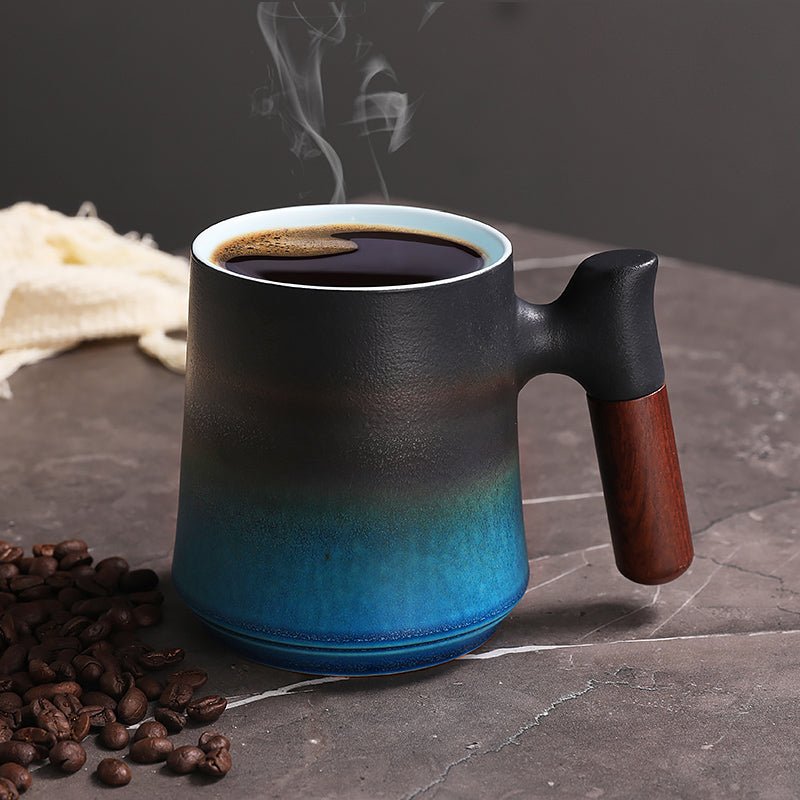
Copper Coffee Mugs: What to Check Before You Buy
Copper coffee mugs can look excellent on a counter or desk, but the lining, finish, and handle shape decide whether they work for daily use. We break down the trade-offs so you can buy one that fit...
Leer más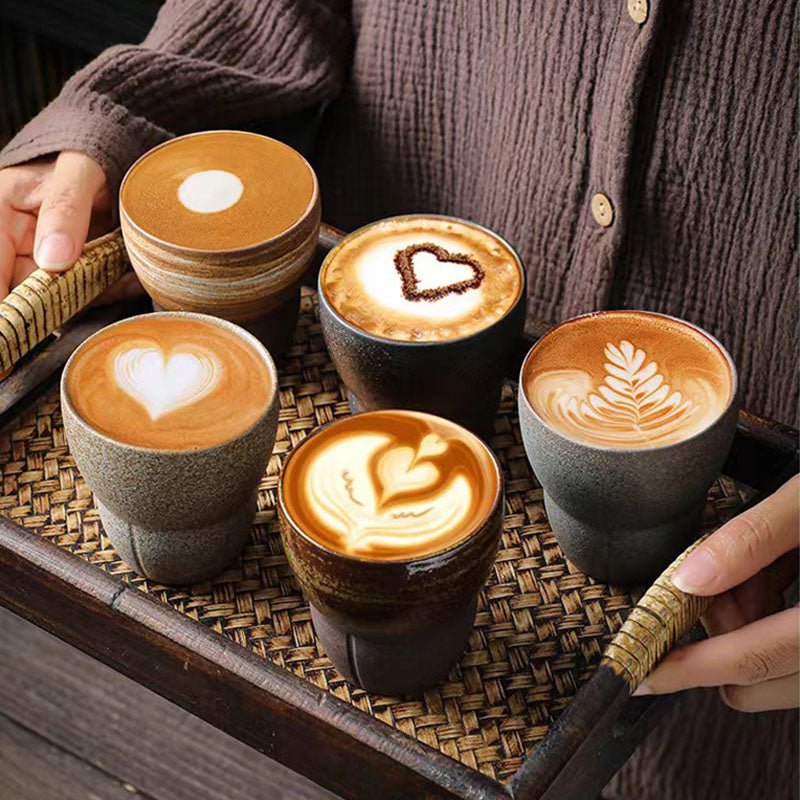
Vintage Brown Coffee Mugs: What to Check Before You Buy
Vintage brown coffee mugs can look rich on a shelf, but the real test is how they feel in hand and hold up to daily use. This guide shows what we check for before we add one to cart.
Leer más
Dejar un comentario
Este sitio está protegido por hCaptcha y se aplican la Política de privacidad de hCaptcha y los Términos del servicio.