
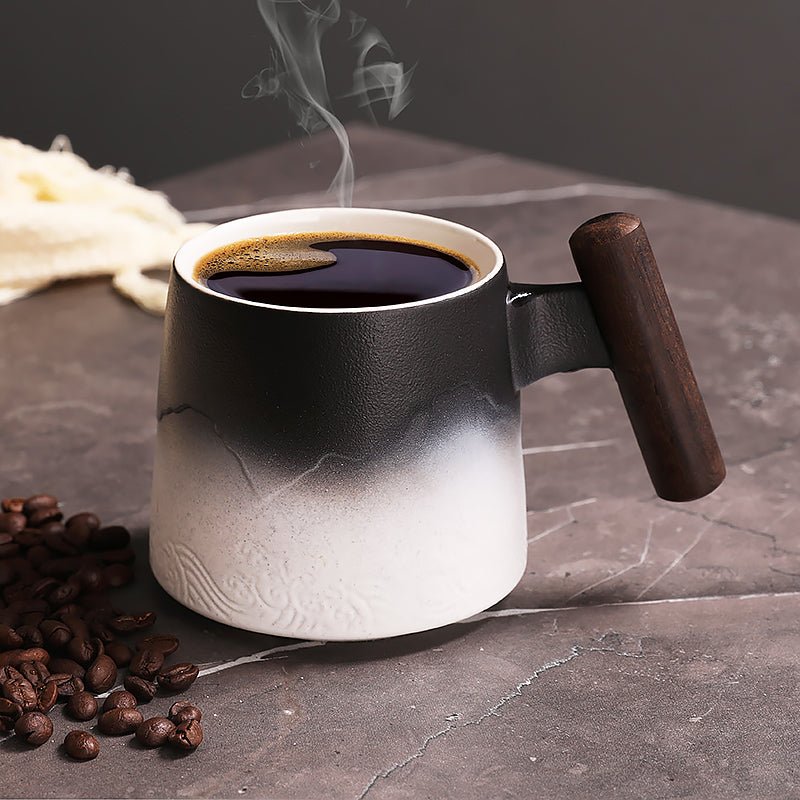
12 Ounce Coffee Mug Buying Guide: Size, Fit, and Best Uses
Reading time: about 9 minutes
A 12 ounce coffee mug sits in the middle of most buying decisions. It is big enough for a real cup of coffee, small enough to fit under a cabinet or on a crowded desk, and still easy to hold with one hand. The catch is that two mugs can both be labeled 12 oz and feel completely different in use.
Best next step if you want a 12 ounce mug now
If you are done comparing fit and best uses and just want the shortest next route, choose the shopper path, sample path, or forwardable buyer path now instead of opening more tabs.
- Pick a Mug Fast if you want the shortest compare before choosing a live product or starter set.
- Add the Round Mug to cart if you want the safest everyday-use first order without more reading.
- Open the Museum Shop Mug Sample Set if this visit is really about buyer review, sample review, or retail forwarding.
- Open the Editor & Buyer Asset Packet if you need one forwardable page with live links, product images, and buyer contact details.
If you want the measurement side first, 10 oz coffee mug guide, and 15 oz coffee mug guide can help you compare nearby sizes before using a cart route.
In our store, we see this size chosen for morning drip coffee, tea, and gift sets because it feels practical without becoming bulky. We also see the misses: a handle that only fits two fingertips, a mug that rocks on the counter, or a finish that looks good online but chips on the first hard bump in the sink.
If you want a deeper look at fit and proportions before buying, our 12 oz Coffee Mug: Size, Fit, and What to Check Before Buying guide covers the basics from a sizing angle, while the 12 oz Coffee Mugs: What to Check Before You Buy post is useful when you are comparing several styles at once.
What does a 12 ounce coffee mug actually hold?
A labeled 12 ounce coffee mug usually works best for a standard coffee pour with a little room left for milk, cream, or foam. It is not the same thing as a travel mug or a large cafe cup. Shape matters more than the number on the page, because a tall narrow mug can feel different from a short wide one even when the capacity is the same.
In practical terms, this size tends to fit a normal morning pour without crowding the rim. That matters more than people think. A mug that is too full cools faster on a desk, spills easier on the way to the couch, and gives you less room to stir in sugar or cream without splashing.
For shoppers comparing sizes, our 12 oz Coffee Mug: Size, Fit, and What to Check Before Buying article goes deeper into fit, rim shape, and how the capacity translates in real use.
Who is a 12 ounce coffee mug best for?
This size is a good fit for people who want a straightforward daily mug without extra bulk. It works well on kitchen counters, office desks, and as a guest mug because it is easy to store and easy to rinse.
- Home coffee drinkers who want one normal serving without a large, heavy cup.
- Office setups where the mug needs to fit beside a keyboard, notebook, or laptop.
- Gift buyers who want a size that feels useful, not oversized.
- Tea drinkers who prefer a mug that does not overfill with a tea bag or infuser.
It is less useful if you routinely pour very large lattes, broth-based drinks, or oversized iced coffee with a lot of ice. If that is your routine, a 16 ounce mug is often the more realistic daily choice, and our 16 Ounce Coffee Mug Buyer’s Guide: Size, Material, and Fit explains why. For an even larger option, the 24 Ounce Coffee Mug Buyer’s Guide: Size, Fit, and What to Check helps if you like a bigger pour or a mug that stays useful over a long work block.
Which material makes the most sense?
Material changes the feel of a 12 ounce coffee mug more than most buyers expect. Weight, heat retention, and durability all shift depending on what it is made from. Here is the practical version we use when we compare mugs in our own store.
| Material | What it feels like | Main trade-off | What to check |
|---|---|---|---|
| Ceramic | Balanced, everyday feel | Can chip if banged against a sink or hard shelf | Even glaze, smooth rim, stable foot ring |
| Stoneware | Heavier and more solid in the hand | Bulkier, and it can take longer to dry | Handle clearance, weight, and base flatness |
| Porcelain | Thinner rim and a cleaner, lighter look | Less forgiving if dropped or stacked carelessly | Look for pinholes, hairline cracks, and a uniform finish |
We also watch for the things photos hide. A foot ring that is not flat can make the mug wobble on a desk. Glaze crazing, which looks like a fine crack pattern in the finish, can show up after use or repeated washing. Neither issue is always a dealbreaker, but both are worth checking before you buy.
If you care about a mug that feels sturdy in the hand, stoneware usually gives that dense, grounded feel. If you want a cleaner look with a thinner drinking edge, porcelain is often more comfortable. Ceramic sits in the middle and is the easiest choice for most homes because it balances weight, feel, and day-to-day use.
What should you inspect before you buy?
We spend a lot of time looking at the same details shoppers only notice after the box is open. A mug can photograph well and still be awkward at the desk, too narrow at the handle, or annoying to clean. These are the checks that matter most.
- Handle clearance: Make sure your fingers fit without pinching. A handle can look generous online and still feel cramped in person.
- Rim thickness: A good 12 ounce coffee mug should feel comfortable at the lip. Too thick and it feels clunky; too thin and it can feel fragile.
- Base stability: The mug should sit flat. If it rocks, it becomes a daily annoyance on a tray, mug warmer, or office table.
- Finish quality: Look for even glaze, clean edges, and no rough spots around the handle attachment or foot ring.
- Care instructions: If the mug has metallic trim, decals, or a handmade glaze, do not assume it is dishwasher or microwave safe without checking the listing.
The most common defect modes we see are chipped rims, off-center handles, rough foot rings, and print fade after repeated wash cycles. Those problems are easier to avoid than to live with. If a product page does not clearly say how to care for the mug, that is a signal to slow down.
If you are comparing several options, the size question is only part of the decision. Our 10 oz Coffee Mug: Size, Fit, and What to Check Before You Buy guide is useful if you want a smaller cup, while the 16 and 24 ounce guides help you decide whether you really need more capacity or just a different shape.
How does a 12 ounce mug compare with smaller and larger sizes?
Size changes how a mug works on a normal day. A 12 ounce coffee mug is often the most balanced choice, but it is not the best choice for every drinker.
- 10 oz: Better if you drink a smaller coffee, prefer espresso drinks, or want a compact mug that heats up fast and fits small spaces.
- 12 oz: The middle ground. Good for standard drip coffee, tea, and a mug that does not feel oversized on the desk.
- 16 oz: Better if you add a lot of milk, like larger pours, or want a mug that stays useful when your serving is not precise.
- 24 oz: Better for people who want one large vessel for long sipping, but it can feel heavy and can cool less evenly if the mug is too wide.
For shoppers who are still undecided, the cleanest comparison usually comes down to use case rather than preference. If you drink one standard cup in the morning, 12 ounces is usually enough. If you refill often, size up. If you want a mug that lives on a shelf, fits in a gift box, and still feels useful at the desk, 12 ounces remains the safest bet.
How do you care for it so it lasts?
Most plain ceramic and stoneware mugs are simple to live with, but care instructions matter more than the size. A mug that goes through the dishwasher every day can last a long time if the glaze is solid and the decoration is simple. Metallic accents, hand-painted details, and some reactive finishes are better hand washed.
- Rinse after coffee or tea to reduce staining.
- Use a non-abrasive sponge on the rim and handle.
- Do not stack a heavy mug directly on a thin-rimmed porcelain mug.
- Check for hairline cracks before using the microwave or dishwasher again.
- If the finish is decorated, follow the care note on the listing instead of guessing.
A mug does not need fancy care. It does need a flat base, a safe finish, and a handle that feels secure after the third refill.
One more real-world point: if a mug sits on a mug warmer or under a drip brewer, the base diameter matters more than buyers expect. A beautiful mug that does not sit securely on your counter is still the wrong mug for your kitchen.
Frequently asked questions
Is a 12 ounce coffee mug big enough for a full cup of coffee?
For most standard drip coffee servings, yes. It gives you enough room for a normal pour plus a little milk or cream without coming right up to the rim. If you usually drink very large portions or fill a mug with extra ice, you may want to size up.
Are 12 ounce coffee mugs dishwasher and microwave safe?
Some are, but not all. Plain ceramic and stoneware are often safe, while metallic trim, decals, and certain handmade finishes may need hand washing or may not be microwave safe at all. Check the care notes before you assume both.
Is a 12 ounce coffee mug good for lattes or cappuccinos?
It can work well for a standard latte or cappuccino if you like a more compact cup. If you add a lot of milk foam or make larger espresso drinks, 12 ounces can feel tight fast. In that case, 14 or 16 ounces usually gives you more breathing room.
What should I compare before buying a 12 ounce coffee mug?
Start with the handle, rim, base, and care instructions. Then look at the material and finish so you know how the mug will feel after repeated use. If you are comparing multiple styles, our related buying guides on 10, 16, and 24 ounce mugs make the trade-offs easier to see.
What is the biggest mistake shoppers make with this size?
Buying by capacity alone. A 12 ounce label does not tell you whether the mug will feel heavy, cramped, or stable on a desk. The shape, handle size, and finish quality matter just as much as the number on the listing.
If you are narrowing down a purchase, start with our full collection, then check the current products page for the mug shape that matches your routine. Compare the handle, rim, finish, and care notes before you pick one.
More from our blog
Read more

Vintage Irish Coffee Mugs: How to Choose the Right One
A practical guide to vintage Irish coffee mugs, with sizing, materials, care, and the trade-offs that matter before you buy. Built for shoppers comparing styles, not browsing blindly.
Leer más
Borosilicate Coffee Mug Buying Guide for Smart Shoppers
A borosilicate coffee mug is a strong pick if you want a lighter glass feel, better heat tolerance, and a clean look on the counter or desk. This guide covers the checks we make in size, rim qualit...
Leer más
Dejar un comentario
Este sitio está protegido por hCaptcha y se aplican la Política de privacidad de hCaptcha y los Términos del servicio.