
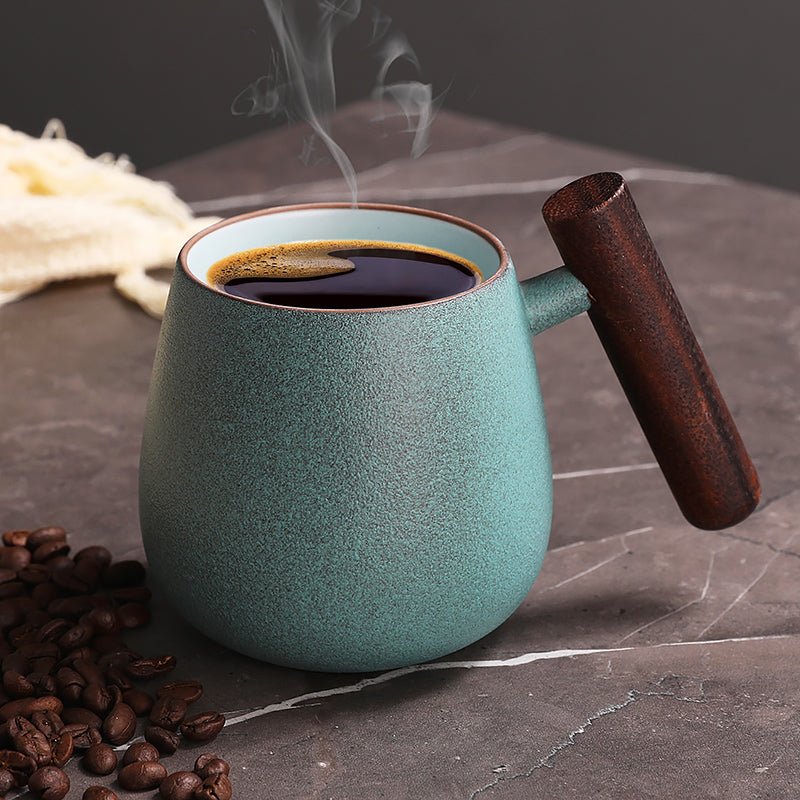
Zak Coffee Mug Buying Guide: Fit, Build, and Best Alternatives
Reading time: about 9 minutes
A mug that looks right on the shelf can still feel wrong on a kitchen counter. It may sit too tall under a cabinet, feel too small in the hand, or get hot where the handle meets the cup after the first pour.
That is usually where the zak coffee mug search starts: a shopper wants a simple daily mug, but the real decision comes down to fit, material, handle comfort, and whether the mug can handle actual routine use. In our store, we see people buying for office desks, home brewers, gift boxes, and “replacement mug” situations after a handle cracks or a printed mug fades too quickly.
If you are comparing options, this guide breaks down what to check before buying and where our closest styles fit in. For a broader browse, you can also start with our all mugs collection and narrow from there.
What are buyers really looking for in a zak coffee mug?
Most shoppers are not looking for a fancy display piece. They want a mug that pours cleanly, sits comfortably in the hand, and survives repeated use without becoming stained, wobbly, or awkward to wash.
We see the same buying priorities again and again:
- Capacity that matches the drink: smaller mugs suit black coffee and espresso-style drinks with room for cream, while larger mugs work better for milk-heavy coffee or tea.
- Comfortable handle clearance: your fingers should not press the mug body while gripping the handle.
- Stable base: a mug that feels top-heavy is annoying on a crowded desk.
- Easy care: everyday mugs should be simple to rinse and wash, especially if they sit through dishwasher cycles.
- Low-drama design: many buyers want something clean enough for work, but not so plain that it feels generic.
If you want a deeper sizing refresher before choosing, our posts on 11 oz coffee mug size and fit and 12 oz coffee mug fit and comfort are useful side-by-side reads.
Which mug features matter most for daily use?
We handle mugs like a customer would: on a kitchen counter at 7 a.m., at a desk beside a keyboard, and in a sink after a long day. That is usually where the differences show up.
Here is what actually matters most in daily use:
| Feature | What to check | Why it matters |
|---|---|---|
| Material | Ceramic is common for even heat retention and a familiar feel | It is usually comfortable for hot drinks, but it can chip if handled carelessly |
| Rim shape | Look for a smooth lip with no rough glazing | A cleaner rim improves sipping and feels better with tea or coffee |
| Handle opening | Make sure knuckles clear the mug body comfortably | Small handles become irritating fast, especially with fuller mugs |
| Base width | A slightly broader base helps stability | Useful on busy desks, trays, and crowded breakfast tables |
| Finish | Matte and glossy finishes each have trade-offs | Glossy is usually easier to wipe clean; matte can show wear differently over time |
For ceramic mugs, the usual trade-off is simple: they feel solid and familiar, but they are not the best choice if you need something lightweight for travel. A travel mug or insulated tumbler is the better category if your coffee spends time in a car cupholder.
Another practical point: printed or decorated mugs can look great, but if the design is near the handle or wraps too close to the rim, it can affect how easy the mug is to wash and inspect for wear. That is one reason we suggest checking the full shape, not just the artwork.
Which of our mugs is closest to the zak coffee mug style?
We do not treat every mug the same, because different buyers use them differently. Some want a simple gift-ready mug. Others want a bolder desk mug that feels a little heavier in the hand.
Three of our closer matches are these:
- The Rock Coffee Tea Mug — a stronger, more grounded style for buyers who want a mug that feels sturdy and workday-friendly.
- Morning Night Coffee Tea Mug — a good pick if you want something versatile enough for first coffee and late tea without feeling overly themed.
- Mountain Coffee Tea Mug — a better fit for shoppers who like a more outdoorsy, visual mug that still works at home or in the office.
Our experience is that the best mug is not always the boldest one. A mug can photograph beautifully and still be the wrong choice if the handle is too tight or the cup feels too narrow for your usual pour.
If you are buying for everyday use, focus on grip, balance, and washability first. Style should come after those basics.
What are the trade-offs between style and practicality?
Style sells the first look. Practicality decides whether you keep reaching for the mug three months later.
Here are the common trade-offs we see:
- Bolder graphics vs. simpler finishes: a statement mug makes a good gift, but a cleaner finish is easier to match with a neutral kitchen or office setup.
- Heavier feel vs. lighter handling: a mug that feels substantial can seem higher quality, yet it may be less comfortable for people who prefer a lighter cup.
- Large capacity vs. daily comfort: more volume is handy for long mornings, but a fuller mug can feel awkward if the handle opening is tight.
- Decorative value vs. wash simplicity: a detailed surface can look great on the shelf, but plain interiors and smooth glaze finishes are easier to inspect for stains and residue.
That is why some buyers choose a straightforward ceramic mug for weekday use and save more decorative mugs for gifting or weekend coffee. If your main use is office coffee, the simple option often wins.
For shoppers comparing common mug sizes, our articles on 10 oz mug size and fit and 12 ounce mug buying guide can help you decide whether you want a more compact cup or a roomier one.
How do you check fit before buying online?
Online mug shopping is less about guessing and more about checking the details that affect everyday use. We always recommend looking at the mug like you would in person.
- Check the capacity range: think about your normal pour, not the biggest drink you ever make.
- Check handle room: if you have larger hands or prefer a looser grip, avoid mugs with narrow handle openings.
- Check the shape of the cup body: straighter walls often stack and store better; rounded mugs can feel more familiar in hand.
- Check care instructions: if you plan to wash in the dishwasher, choose a mug that is meant for that routine rather than assuming all ceramics behave the same.
- Check the finish and edge quality: the rim should feel smooth and the glaze should look even, with no rough spots or obvious defects.
Those details sound small, but they are the ones that determine whether a mug becomes a daily favorite or gets pushed to the back of the cabinet.
What should you know about care, chips, and long-term wear?
Real mugs do real work. They get tapped on the sink, moved across counters, and run through repeated dish cycles. That is where the common wear patterns show up.
Here is what we look for and what buyers should expect:
- Chipping on the rim or foot: often caused by contact with hard surfaces during washing or storage.
- Handle stress: mugs with thin handles or abrupt joins can feel less secure over time.
- Staining: darker coffees and teas can leave residue if a mug has texture or a rough interior.
- Glaze wear: repeated washing may soften the look of some finishes, especially on decorative pieces.
For care, a simple routine goes a long way: rinse soon after use, avoid clanking mugs together in the sink, and do not stack heavy ceramics if the interior surface is prone to scratching. If a mug says it is dishwasher safe, that is helpful, but we still suggest checking for any printed detail or decorative element that could wear faster than the base ceramic.
If your priority is long-term ease rather than decoration, a cleaner, heavier ceramic mug is usually the safer pick. If you want something visually distinctive, just accept that it may need a little more gentle handling.
Which mug is better for gifting, office use, or home use?
The best mug depends on the setting. We see different buying behavior in each one.
- For gifting: choose a mug with a clear visual theme and a friendly shape. It should look intentional when unboxed, not just functional.
- For office use: choose a mug that is stable, easy to identify at a desk, and not so oversized that it crowds a keyboard or notebook.
- For home use: choose the mug you will wash easily and reach for without thinking. Neutral or versatile styles usually win here.
The Morning Night Coffee Tea Mug makes sense for buyers who want one mug that can move from early coffee to evening tea. The Rock Coffee Tea Mug fits better if you want something with more visual presence on a desk or kitchen shelf. And the Mountain Coffee Tea Mug is the better choice if the recipient likes a slightly more scenic, outdoors-inspired look.
For shoppers still unsure about size, our buying guides on 11 oz and 12 oz mugs are the fastest way to compare comfort and capacity without overthinking the choice.
Frequently asked questions
What size is a zak coffee mug usually?
Shoppers usually use that term to mean a standard everyday coffee mug rather than a specialty cup. In practice, most buyers are comparing sizes around the 10 to 12 oz range, which works well for a normal coffee pour with a little room left at the top. If you want more capacity for milk-heavy drinks, look toward the larger end of that range.
Is ceramic better than stainless steel for a daily coffee mug?
Ceramic is usually better for at-home or desk use because it feels familiar, holds heat reasonably well, and does not change the taste of the drink the way some metal cups can. Stainless steel is better if you need insulation or portability. If the mug is staying on your counter or desk, ceramic is usually the more comfortable choice.
Can I use a zak coffee mug for tea as well as coffee?
Yes. A standard ceramic mug works well for both coffee and tea, especially if the rim is smooth and the handle is comfortable. The main thing to check is capacity; tea drinkers sometimes prefer a slightly lighter mug, while coffee drinkers often want a fuller pour.
What should I avoid if I want a mug that lasts?
Avoid very thin handles, rough rim edges, and mugs that feel unstable when set down. Decorative surfaces can be fine, but if the glaze looks uneven or the mug seems too light for its size, it may not age well through repeated washing and daily use. For everyday durability, a solid ceramic body is usually the safer pick.
What is the best next step if I’m comparing options?
Start with the mug that matches your use case: gift, office, or home. Then compare handle comfort, capacity, and care instructions before you buy. If you want a wider view first, browse our full collection, then narrow to The Rock Coffee Tea Mug, Morning Night Coffee Tea Mug, or Mountain Coffee Tea Mug based on the feel you want at the table.
If you are still comparing, use this quick checklist: choose the size you actually drink from, confirm the handle feels roomy, decide whether you want plain or decorative styling, and then pick the mug that fits your counter, desk, or gift box best.
Read more
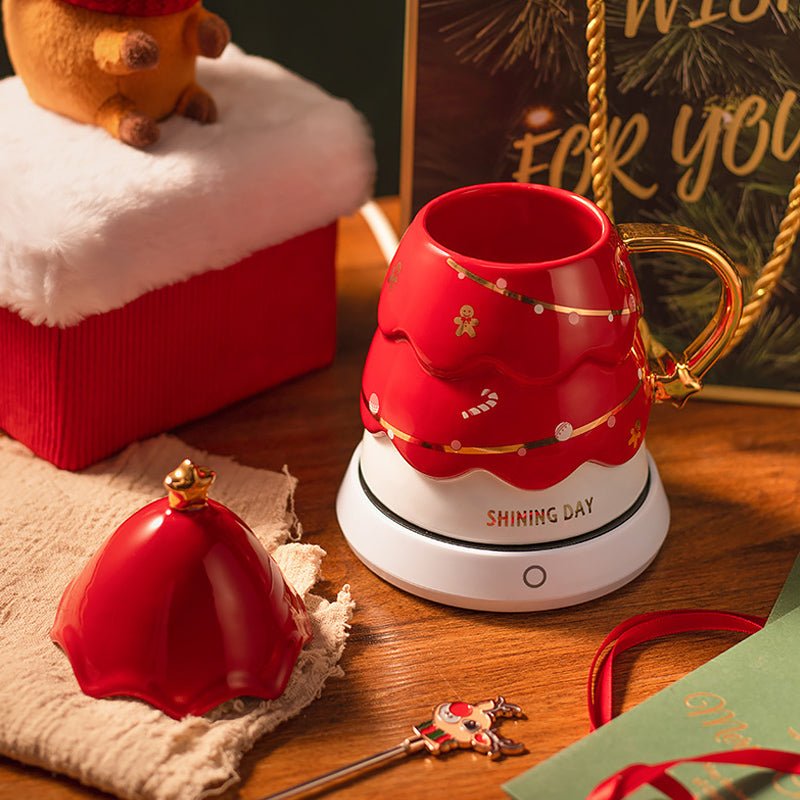
Winter Coffee Mug Buying Guide: What to Look For Before You Buy
A practical guide to choosing a winter coffee mug that feels good in hand, holds heat well, and fits your routine. We compare handle styles, materials, sizes, and real trade-offs so you can choose ...
Weiterlesen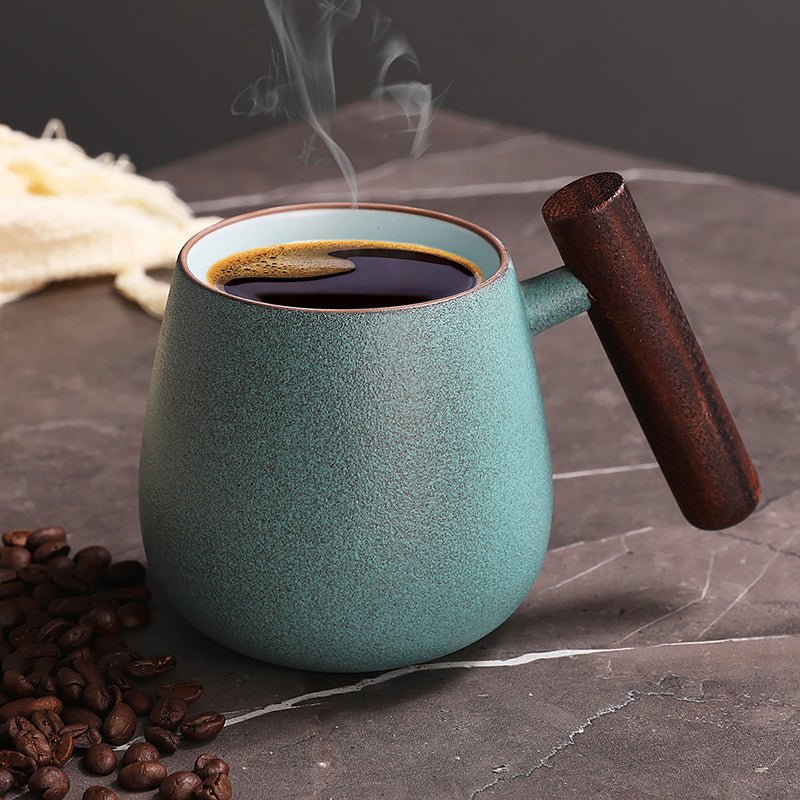
Rabbit Coffee Mug Buying Guide: What to Check Before You Buy
A practical guide to choosing a rabbit coffee mug that looks good on the table and still works for daily coffee, tea, and desk use. We cover size, material, care, and the trade-offs that matter bef...
Weiterlesen
Hinterlasse einen Kommentar
Diese Website ist durch hCaptcha geschützt und es gelten die allgemeinen Geschäftsbedingungen und Datenschutzbestimmungen von hCaptcha.