
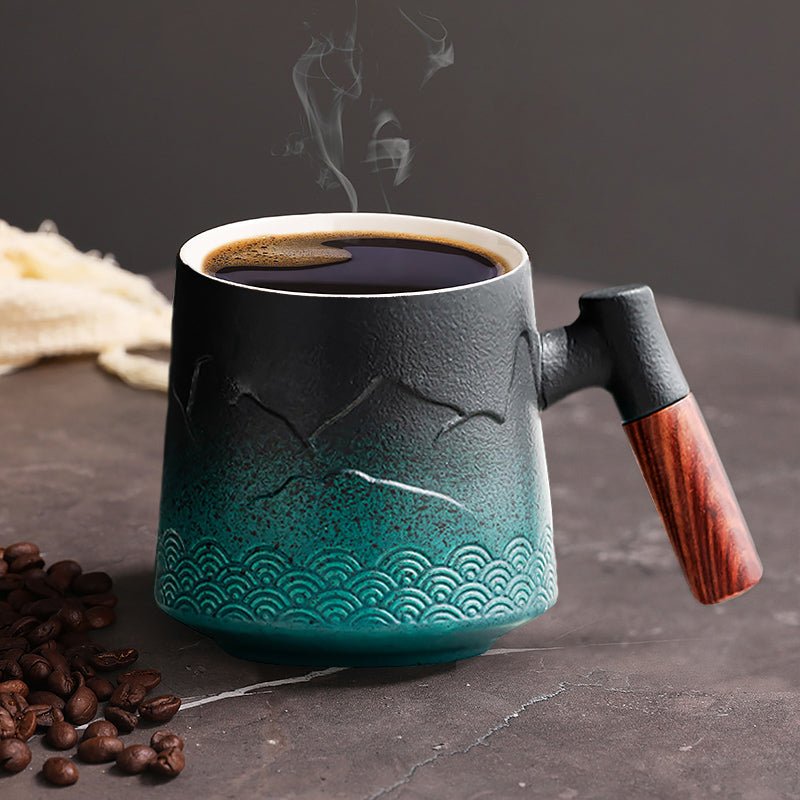
Wooden Cups: What to Check Before You Buy
Reading time: about 8 minutes
We notice the same thing every time wooden cups come through our store: the first impression is always the grain, but the second impression is the part that decides whether the cup stays in a cabinet or gets used every day. A good wooden cup feels smooth at the lip, sits level on the counter, and has a finish that can handle real life, not just a shelf display.
That matters because wooden cups are not a one-size-fits-all choice. Some buyers want a warm, handcrafted look for tea or light coffee. Others want a gift that feels more personal than plain ceramic. And some just want a cup that looks great on a desk without looking like every other mug. If you are comparing styles, our guide on Beautiful Coffee Cups: What to Look for Before You Buy is a useful companion piece, especially if you are weighing aesthetics against everyday use.
What makes wooden cups worth considering?
Wooden cups stand out for one simple reason: they change the feel of a drink without changing the drink itself. The cup usually feels lighter in the hand than stoneware, warmer to the touch than metal, and less fragile-looking than thin glass. That makes them appealing for quiet mornings, gift sets, and low-key office use.
In our experience, buyers usually want one of three things from wooden cups:
- A natural finish that looks good on a kitchen counter or tea tray.
- A lighter vessel for smaller servings like espresso, tea, or a short pour-over.
- A gift with visible texture and grain instead of a mass-produced look.
The upside is real, but so are the limits. Wooden cups are not the best match for someone who wants a dishwasher-safe workhorse, a large travel mug, or a cup that can handle constant boiling-hot refills without attention. If you want a large, everyday coffee mug instead, our guide to Big Coffee Cups: What to Check Before You Buy a Large Mug is a better fit.
Which materials and finishes should you look for?
Not all wooden cups behave the same way. The wood species, surface treatment, and construction method all affect how the cup feels and how long it stays in usable condition.
Here is how we compare the details before we recommend anything in this category:
| What to check | Why it matters | What usually works best |
|---|---|---|
| Wood type | Changes weight, grain pattern, and resistance to wear | Dense hardwoods or well-finished bamboo for daily handling |
| Interior finish | Affects stain resistance and cleanup | Smooth, food-safe sealed interior |
| Rim detail | Controls drinking comfort | Rounded, sanded lip with no sharp edge |
| Base stability | Prevents wobble on counters and trays | Flat, even bottom with no rocking |
Common woods in this category include bamboo, acacia, beech, and walnut. Bamboo is often chosen for a clean, light look. Hardwoods such as acacia or beech tend to feel more substantial in the hand and can show richer grain variation. What matters most is not the name alone; it is the finish quality. A cup with rough sanding or a thin coating can absorb stains faster and age badly around the rim.
We also pay attention to defect modes that shoppers do not always see in product photos: tiny finish gaps near the seam, a base that is slightly out of round, or a lip that has been sanded unevenly. Those are small issues on day one and annoying issues after the cup has been washed a few times.
What size works best for coffee, tea, or display?
Size changes how wooden cups are used more than most buyers expect. Many fall in the small-to-medium range, often around 6 to 12 oz, which is practical for tea, espresso drinks, or a modest serving of drip coffee. A smaller profile also suits the natural aesthetic better than an oversized shape that can look awkward in wood.
If you want a giftable set or a more decorative look, size can matter as much as grain pattern. A cup that is too large can lose the handcrafted feel and become more of a novelty item than a daily vessel. On the other hand, a very small cup may not suit someone who likes a full morning pour. For buyers who like presentation as much as function, we also recommend reading Fancy Coffee Cups: What to Check Before You Buy because the same trade-off applies: style should not create a usability problem.
We usually suggest thinking in practical scenarios:
- Desk use: smaller cups are less likely to crowd a keyboard or notebook.
- Tea service: a modest capacity keeps the drink from cooling too slowly or feeling heavy.
- Gift giving: a balanced shape matters more than maximum volume.
- Daily coffee: choose a size that matches your normal pour, not the largest cup you think you might need once a week.
How do you care for wooden cups without ruining the finish?
Care is where wooden cups separate from ceramic mugs. If someone wants zero-maintenance drinkware, wood is usually the wrong choice. We say that plainly because it prevents disappointment later.
The care routine we recommend is straightforward:
- Wash by hand with mild soap and lukewarm water.
- Do not soak the cup in the sink.
- Dry it immediately with a towel, including the rim and base.
- Let it air dry fully before storing it in a closed cabinet.
- If the cup is unfinished or oiled, refresh it occasionally with a food-safe oil only if the maker recommends it.
Dishwashers are the main risk. Repeated high heat and long wash cycles can dry out the wood, lift the finish, or encourage warping. Microwave use is also a poor fit for most wooden cups. If a product listing does not clearly allow it, assume it is not suitable. That is the safer call.
For buyers who want seasonal gifting with less maintenance complexity, our Christmas Coffee Cups: How to Choose the Right Mug for Gifts and Daily Use guide is helpful because it compares gift appeal against real-world cleanup and daily wear.
Are wooden cups actually practical for daily use?
Yes, but only for the right buyer. Wooden cups can be practical for calm, routine use at home, at a tea table, or on a desk where the cup is handled gently and washed by hand. They are not the best choice for rough treatment, busy family dish cycles, or situations where the cup may sit wet for long periods.
Here is the clearest way to think about the trade-offs:
- Choose wooden cups if you want a warm, natural look and are comfortable with hand washing.
- Skip wooden cups if you want a fully carefree cup for dishwasher use or heavy daily rotation.
- Choose a different style if you need a larger mug for long work sessions or repeated refills.
In our store, we usually see the best fit in homes that already like simple materials: linen, wood, ceramic, and matte finishes. The cup becomes part of the setting instead of shouting for attention. That is a real strength. It is also why wooden cups can look out of place in a high-volume office kitchen or a household that treats mugs as grab-and-go items.
If you want to compare styles across the full range we carry, start with our full collection and filter mentally for the finish, size, and maintenance level you actually want.
What should you inspect before buying wooden cups online?
Photos can hide the details that matter most, so we recommend checking a few specifics before you buy:
- Rim smoothness: the lip should look evenly sanded and comfortable to drink from.
- Interior coating: the inside should be sealed consistently if the cup is meant for liquids.
- Bottom shape: the base should sit flat without wobble.
- Grain consistency: natural variation is normal, but patchy color can signal uneven finishing.
- Care instructions: if the seller does not explain washing and drying, that is a warning sign.
Those are the same details we examine before we would place a wooden cup on a shelf or recommend it to a customer. A good piece feels finished, not merely cut and polished. A weak one may look attractive from across the room and then disappoint after the first few washes.
Frequently asked questions
Are wooden cups safe for hot drinks?
Usually yes, but only if the cup is made and finished for liquid use. The safer choice is a cup with a smooth, sealed interior and a comfortable rim. We do not recommend assuming every wooden cup can handle boiling water or repeated heat exposure.
Can wooden cups go in the dishwasher?
In most cases, no. Dishwasher heat and prolonged moisture can dry out the wood, lift the finish, or cause warping. Hand washing and immediate drying are the safer routine.
What drinks are best in wooden cups?
Tea, small coffees, espresso-based drinks, and short servings are the most practical uses. They also work well for display or gift sets. We would not choose them for oversized iced drinks, constant refills, or travel use.
How do I keep wooden cups from cracking?
Avoid soaking them, do not leave them wet overnight, and keep them away from extreme heat sources. If the maker recommends it, occasional care with a food-safe oil can help maintain the surface. Cracking usually starts at neglected seams, rims, or bases that stay damp too long.
Are wooden cups good for gifts?
Yes, especially when the buyer wants something natural and memorable instead of a standard mug. They work best when paired with simple packaging and a clear care note. For a more decorative angle, compare them with our gift-focused coffee cup guides before deciding.
If you are choosing wooden cups for daily use, start with three checks: the rim finish, the care instructions, and the size you will actually use every day. If you are buying for a gift or a lighter-use setup, browse our full collection and compare the natural finishes against the rest of what we carry.
More from our blog
Read more
Coffee Mug Cake in Microwave: The Right Mug, Timing, and Fixes
A mug cake should rise in the mug, not spill over the rim or bake into a rubber puck. We break down the mug size, fill level, microwave time, and the mistakes we see most often in real kitchens.
Weiterlesen
Fancy Cup Buying Guide: Style, Material, and Daily Use
A fancy cup should look polished and still work on a real kitchen counter, office desk, or gift shelf. We break down materials, sizing, care, and the trade-offs that matter before you buy.
Weiterlesen
Hinterlasse einen Kommentar
Diese Website ist durch hCaptcha geschützt und es gelten die allgemeinen Geschäftsbedingungen und Datenschutzbestimmungen von hCaptcha.