
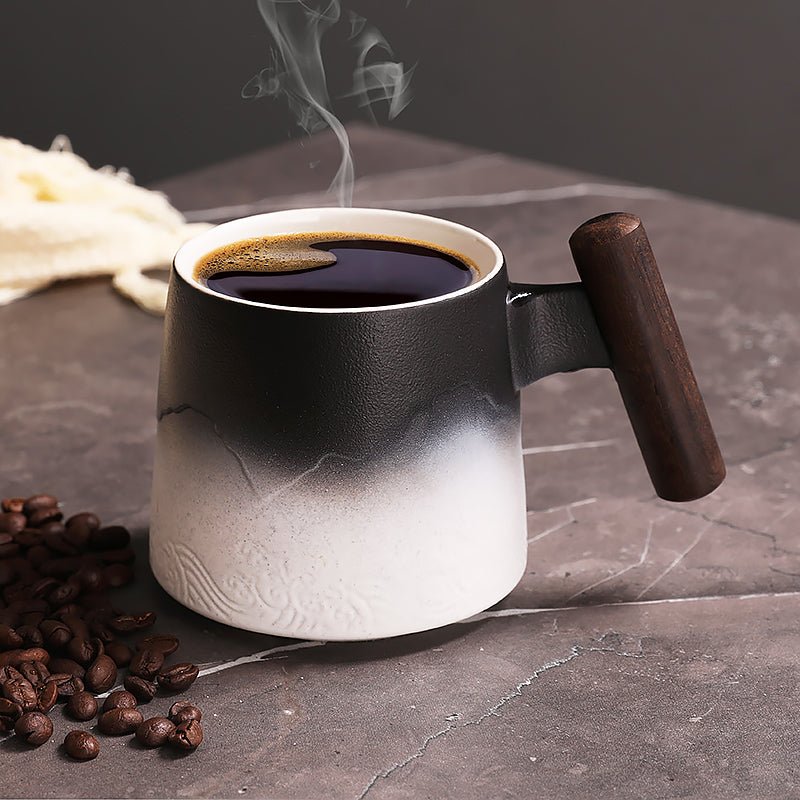
Uglie Mugs Coffee House Buying Guide for Real Shoppers
Reading time: about 9 minutes
A mug can look right on a shelf and still feel wrong by the second refill. The handle pinches, the rim feels too thick, or the base wobbles on a desk. That is usually the real reason people search for uglie mugs coffee house: they want character, but they still need a mug that works for daily coffee, office use, and dishwasher cycles.
In our store, we see the same buying pattern over and over. Shoppers like the coffee-house look, but they still care about capacity, comfort, and cleanup. That mix matters because a mug is not just decor. It has to sit flat, hold heat in a sensible way, and feel easy to lift when the cup is full and hot.
What does "uglie mugs coffee house" usually mean to a shopper?
Most buyers using this phrase are not looking for a polished matching set. They usually want a mug with some personality: a heavier body, a slightly uneven glaze, a handmade feel, or a shape that looks at home beside an espresso machine. That can be a strong choice if you want something less formal than standard white tableware.
It is not always the best choice if you want every mug in the cabinet to stack tightly, line up perfectly, or look identical for a shared office kitchen. The charm of this style is also its limitation. A rustic mug can feel warmer and more human, but it can also show its imperfections more clearly.
If you want the same buying lens we use when we sort mugs for our own catalog, start with Ugly Mugs Coffee House: What Buyers Should Look For Before Ordering. It covers the same practical checks from a purchase-first angle.
Which mug details should you check before ordering?
We look at mugs the way a real buyer uses them: one hand on the handle, the other on a laptop, with coffee cooling faster than expected. That makes a few details more important than the photo.
- Capacity. A mug that looks compact in the image can still hold more than you expect. Check the ounce listing, not just the shape. A wide mug with a low profile can feel larger in hand than a tall one with the same capacity.
- Handle clearance. Two fingers should fit comfortably without scraping the mug wall. If the opening is tight, the mug can feel awkward once it is full and hot. This is one of the most common comfort issues we see.
- Rim thickness. A thick rim can make the mug feel sturdy, but too much thickness changes the drinking experience. Some buyers like that weight. Others notice it every time they sip.
- Base stability. A flat foot ring matters more than most shoppers expect. If the mug rocks on a counter, it can feel cheap even if the finish looks good.
- Glaze and surface finish. Reactive glazes, matte finishes, and printed graphics all age differently. Look for pooled glaze, rough spots, or a foot ring that looks unfinished in a way you would not want on a desk.
A mug can pass the look test and fail the desk test if the base rocks or the handle is too narrow for a two-finger grip.
For a deeper checklist on fit and finish, our related post 12 oz Coffee Mugs: What to Check Before You Buy is useful because smaller mugs expose handle and rim issues fast.
What size should you buy for daily coffee?
Size is where many buyers overthink the category, then still end up disappointed. A mug can look generous in a photo and feel cramped once you add milk. Or it can feel oversized and heavy if you only drink a straight cup of drip coffee. The best pick depends on your routine, not the trend.
If you already know you prefer a smaller cup, compare the sizing notes in 14 Ounce Coffee Mugs: Size, Fit, and Buying Guide. For a more standard everyday option, our 16 Ounce Coffee Mugs: Size, Materials, and Fit Guide and 16 oz Coffee Mugs: What to Check Before You Buy explain why that size is popular for desk coffee and home brewing. If you drink larger pours, 20 Ounce Coffee Mugs: What Buyers Should Check Before Ordering and 20 oz Coffee Mugs: What Buyers Should Check Before Ordering cover the trade-offs at the bigger end of the range.
| Size | Best for | What to watch | Not ideal for |
|---|---|---|---|
| 12 oz | Standard coffee, tea, and smaller pours | Can feel tight once milk or foam is added | People who refill often or want extra headroom |
| 14 oz | Balanced daily use with a little room to spare | May still feel compact for very milky drinks | Big desk sessions where one fill needs to last longer |
| 16 oz | Most everyday coffee drinkers | Can be heavier when full, especially with a dense body | Small cabinets or buyers who want a lighter hand feel |
| 20 oz | Long mornings, larger pours, and milk-forward drinks | Can be bulky on a crowded desk or in a small sink | Anyone who wants a compact mug or a quick espresso companion |
The practical takeaway is simple. Smaller mugs feel tidy and controlled. Larger mugs give you room, but they also bring more weight and a wider footprint. If your mug lives on a kitchen counter, either can work. If it has to move between the office, a small sink, and a crowded drying rack, size matters more than style.
Which materials and finishes hold up best?
Most shoppers land on ceramic, stoneware, or porcelain. Each one has a different feel in hand, and each one has a different failure mode if it is poorly made. Stoneware often feels denser and more solid. Ceramic can offer a cleaner, smoother surface. Porcelain can feel refined and lighter, but it is not automatically tougher just because it looks delicate or polished.
We pay attention to the things buyers usually discover only after a few wash cycles. A glossy glaze may wipe clean quickly, but it can also show water spots if the mug sits in a sink for too long. A matte finish can look great on a coffee bar, but it may show scuffs or tea stains sooner. Decorative decals, metallic trim, or hand-applied details can be attractive, but they deserve more care than plain solid-color glaze.
Care labels matter. If a mug is listed as dishwasher-safe, that helps, but it does not mean the finish will look exactly the same forever. If it is microwave-safe, that should be explicit. Metallic accents, gold rims, and some heavily decorated surfaces should stay out of the microwave unless the listing says otherwise.
For buyers who want a broader comparison of mug formats, our collection page at products is a good place to compare individual styles, and collections/all shows the full range in one place.
What trade-offs should you expect with rustic or imperfect mugs?
This style has real strengths, but it is not the right answer for every buyer. A mug with a handmade or slightly irregular look can feel warmer and more personal than a factory-perfect cup. It can also make a kitchen feel less sterile. That is the upside. The downside is that irregularity is not always the same thing as quality.
Here is where buyers need to stay sharp:
- Not ideal for stack-first storage. If your cabinets are tight, a thicker or more sculptural mug can waste space.
- Not ideal for cupholders. Most coffee-house style mugs are not travel mugs, so they are a poor match for the car.
- Not ideal for people who want matched sets. A unique glaze pattern or slight shape variation can be a feature for one buyer and a problem for another.
- Not ideal for very sensitive grip needs. Some rustic handles look good but do not leave much room for larger fingers or gloved hands.
We also watch for common defect modes that a glossy listing photo can hide: a wobbly foot ring, a handle that joins the body unevenly, glaze pooling near the rim, rough ceramic at the base, and decoration that looks sharper in the image than it does in person. Those are not always dealbreakers, but they should be intentional, not accidental.
If you like the look but want a more traditional shape, compare the rustic style with a simpler everyday cup before you buy. That keeps the decision practical instead of just visual.
How do we help shoppers compare options in our store?
We try to make the selection process behave the way a real kitchen does. That means looking for a mug that feels comfortable after five minutes of use, not just one that photographs well. In our experience, the best everyday mugs have a handle that fits without squeezing, a rim that does not feel overly thick, and a base that stays planted when set down on a desk or counter.
If you are narrowing choices now, use our store pages in this order: start with all current product listings, then broaden or refine from the full collection. That gives you a clearer side-by-side view of size, shape, and finish. If you want a focused shopping checklist before deciding, the article Ugly Mugs Coffee House: What Buyers Should Look For Before Ordering is the best companion read.
Our rule is straightforward: choose the mug that fits the way you actually drink coffee, not the way the photo makes you feel for a minute.
Frequently asked questions
What size mug is best for everyday coffee?
For most daily coffee drinkers, 14 oz to 16 oz is the most flexible range. It leaves enough room for milk or cream without feeling oversized on a kitchen counter or desk. If you prefer smaller pours, 12 oz can be a better fit.
Are rustic coffee-house style mugs dishwasher safe?
Only if the product listing says so. Even then, finishes with decals, metallic trim, or reactive glaze can age faster than plain ceramic. If you want the longest-looking finish, hand washing is the safer choice for decorative pieces.
What should I avoid if I want a mug for my office desk?
A wide, heavy mug with a narrow base is harder to trust on a crowded desk. You should also avoid a handle that forces a tight grip, because it gets uncomfortable fast when the mug is full. A stable base and a comfortable two-finger handle matter more than decorative detail at work.
Is a 20 oz mug too big for regular use?
Not for everyone, but it is big enough to feel bulky if you only drink one standard cup. A 20 oz mug makes sense for long mornings or milk-heavy drinks. It is less convenient if you want a lighter mug that stores easily.
How do I know if a mug has a good handle?
Look for enough clearance for two fingers without pressing against the mug body. The handle should feel balanced when the cup is full, not just empty. If the handle looks decorative but shallow, treat that as a warning sign.
If you are ready to compare shapes, sizes, and finishes side by side, start with our collections/all page and use the size guides above to narrow your shortlist. That is the fastest way to find a mug that fits the way you actually drink coffee.
Read more
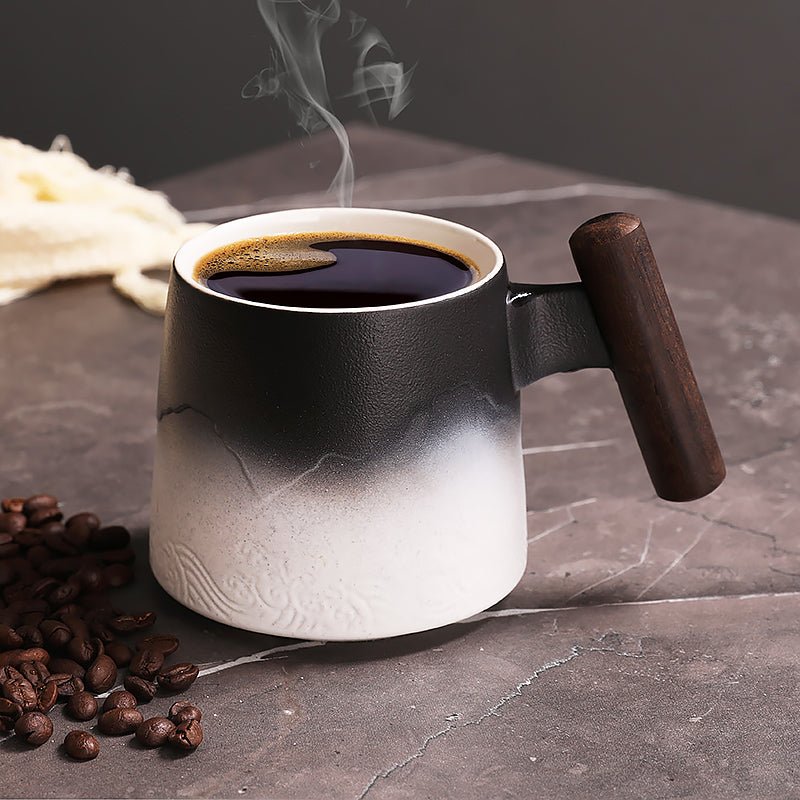
Tervis Coffee Mug: What Buyers Should Check Before Ordering
A Tervis coffee mug can be a smart buy for commuters and desk drinkers, but the details matter: lid style, insulation, size, and care all change the experience. Here’s what we tell shoppers to chec...
Weiterlesen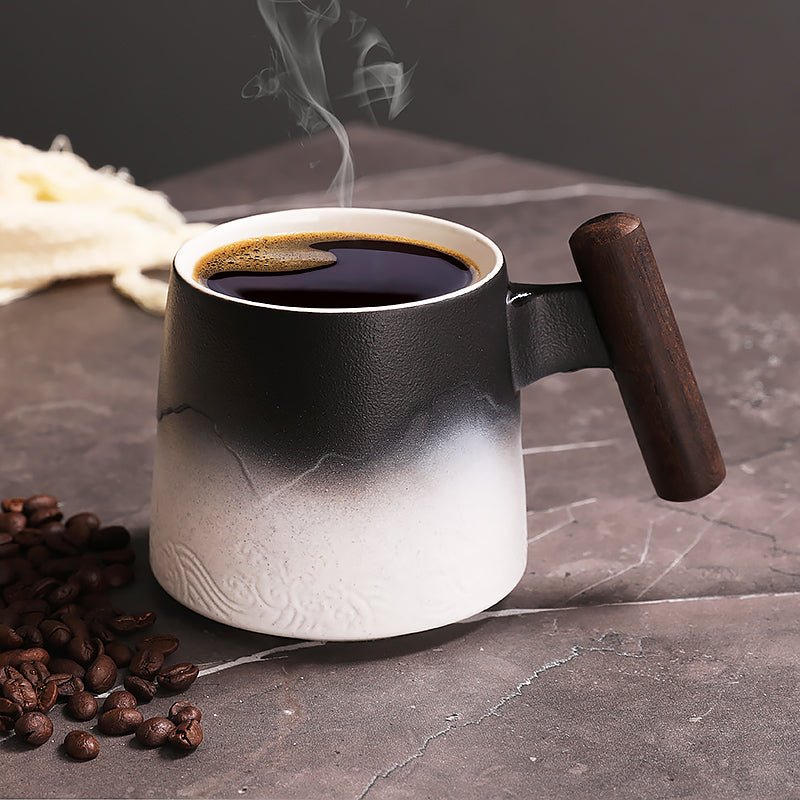
20 oz Ceramic Coffee Mug Buying Guide: Fit, Heat, and Care
A 20 oz ceramic coffee mug gives you more room than a standard mug, but the details matter: handle comfort, glaze quality, heat loss, and dishwasher behavior. We explain what to check before buying...
Weiterlesen
Hinterlasse einen Kommentar
Diese Website ist durch hCaptcha geschützt und es gelten die allgemeinen Geschäftsbedingungen und Datenschutzbestimmungen von hCaptcha.